

Permanent marking, also called Direct Part Marking, ensures effective traceability of a product for many years after application, even if the part is partially destroyed. Permanent marking with the use of codes (especially two-dimensional) has become a standard in industries where durability is critical.
These industries are primarily:
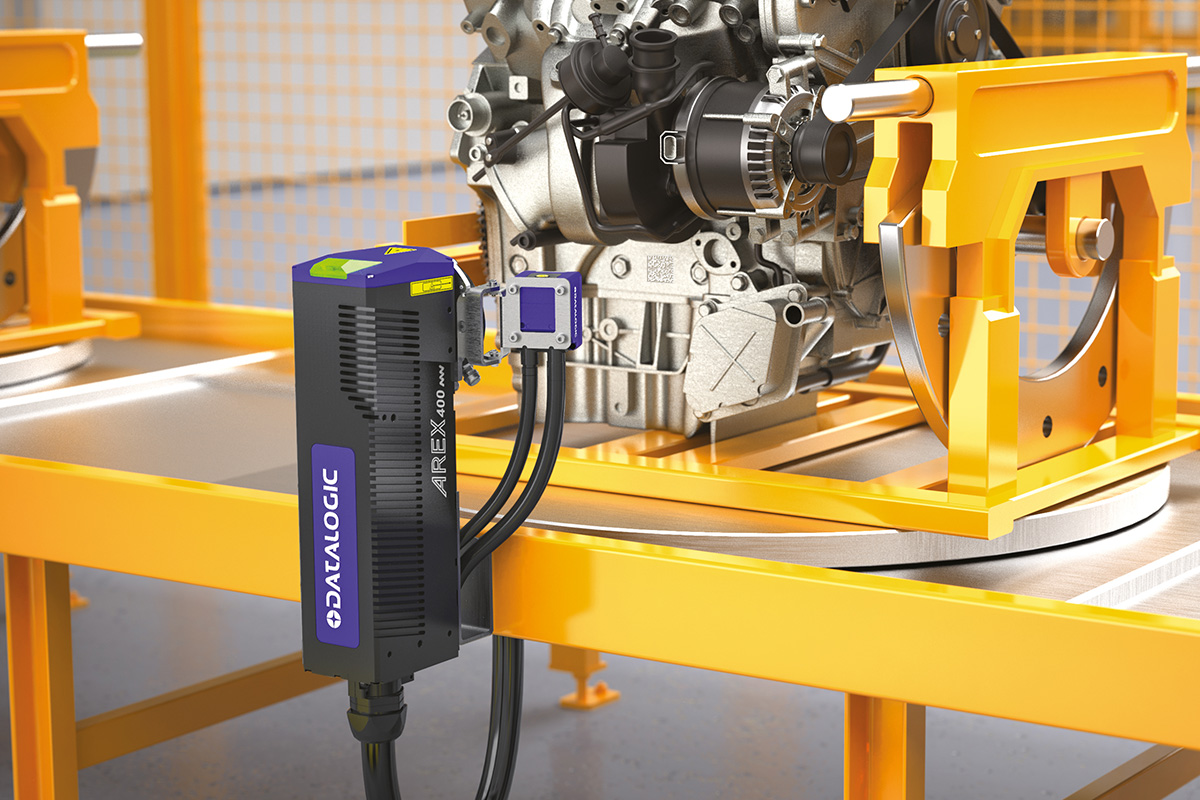
One of the most popular ways to permanently mark a product is with a laser. Our Consultants help choose the right laser marking solutions by analyzing the material the part is made of as well as the information regarding the marking speed and the environment in which the marking is to take place. In the implementation of DPM marking systems, we use lasers from renowned suppliers Datalogic and CAB.
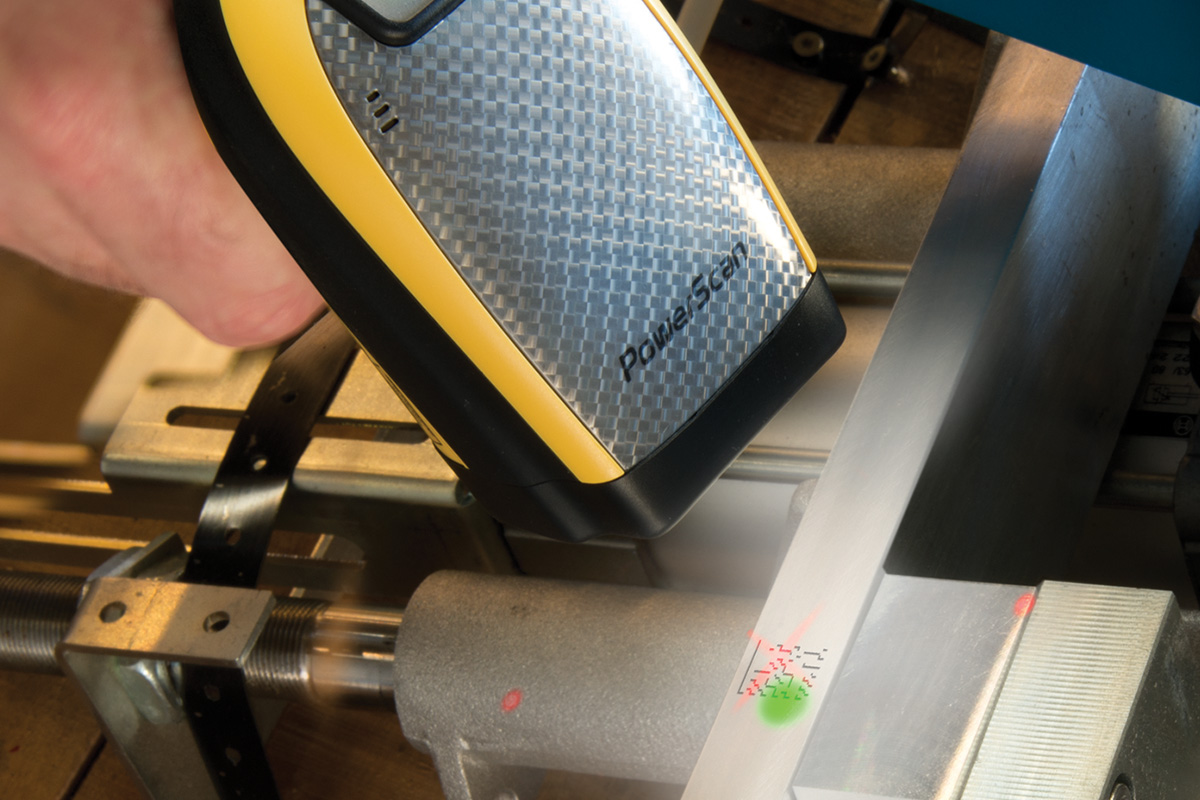
A durable part mark (DPM) applied to a given part must be read during the logistics or manufacturing process. To read a DPM effectively, you must use specially designed DPM readers. The main difference between a barcode scanner, a 2D code scanner, and a DPM reader lies in the fact that DPM readers incorporate special illumination modules that facilitate the reading of codes placed on difficult surfaces.
The main difference between a barcode scanner, a 2D code scanner, and a DPM reader is that the DPM reader incorporates special illumination modules that make it easier to read codes on difficult surfaces.
Check out all the automation solutions available in our product lineup.

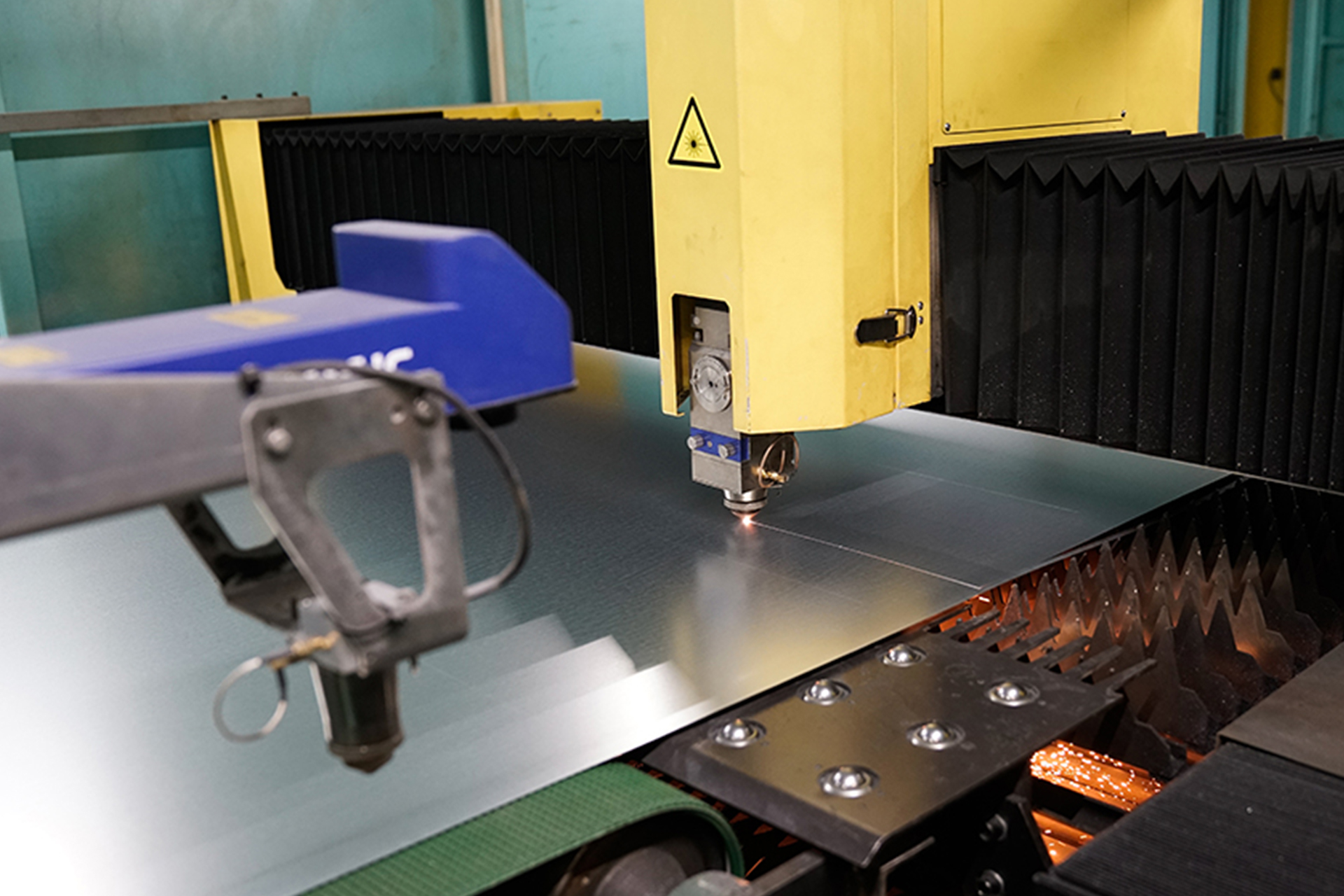
Laser marking is one of the most durable methods of applying markings to various types of materials. In this process A concentrated, very high-energy laser beam precisely interacts with the surface of the component. The laser heats a specific area, causing a change in the material’s structure. This creates a durable and aesthetically pleasing marking. It is the recommended method for applying small QR codes, serial numbers, logos, and technical markings.
At HKK Group, we offer laser marking of metals, including stainless steel, aluminum, and brass. This The engraving is resistant to abrasion, moisture, high temperatures, and chemicals. Our specialists also perform laser marking on plastics, such as:
After performing the manual or stationary industrial barcode scanners can automatically read the barcode, QR code, or serial number and verify its validity.
Our product lineup includes a variety of laser marking systems that can be easily adapted to the specifics of your production process and the type of material. A properly selected solution affects not only the quality of codes and markings, but also on operating speed, the ability to integrate with the production line, and subsequent data retrieval. The available options are:
Modern laser marking systems can be integrated with production lines and Auto ID devices. Automation tools enable unattended marking, quality control, and code verification.
Laser product marking is ideal for manufacturing environments that require high precision and rapid identification of each component. The use of a laser beam allows for the convenient application of high-quality markings without coming into contact with the material, which makes it possible to engrave even very delicate surfaces. The main advantages of this method are:
Do you want to improve the durability and legibility of your company’s markings? Contact our team to select the right laser marking system.

Alicja Kolendo
Head of Auto ID Devices Department

Sulisław Słomski
Account Manager - Automation Solutions