

An audit allows you to assess whether the greatest impact will come from changing processes, implementing a WMS, integrations, mobile devices, RFID, labeling—or a combination of these elements.


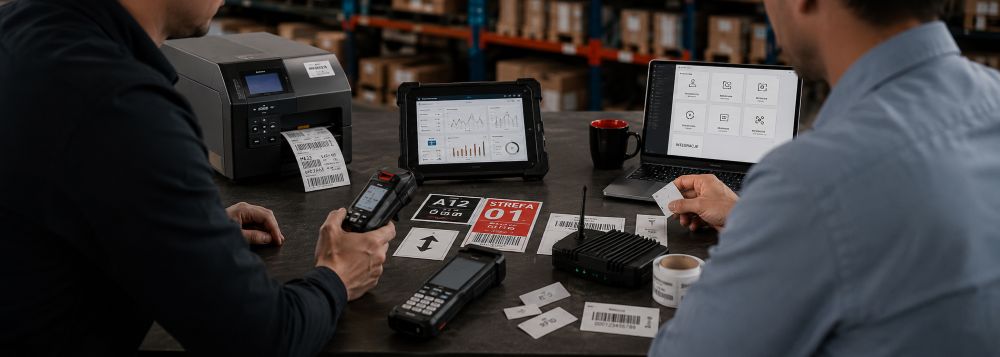

HKK combines logistics consulting with the implementation of changes: warehouse processes, WMS systems, Auto ID devices, RFID, labeling, and integrations. This allows audit recommendations to be translated into a concrete implementation plan—without having to pass the project back and forth among multiple vendors.
We work according to the ATOM model .
Assess
We understand the processes, challenges, and goals
Transform
We design the intended mode of operation
Ownership
We define responsibilities and implement changes
Measure
We measure results and refine the process
At the FEN Consortium, we began the project with a logistics audit. The project parameters included approximately 18,000 SKUs, 1,950 locations, and 720 m² of warehouse space.
Next, we implemented



Not every project requires a full audit
If you have a straightforward operation, clearly defined processes, verified requirements, and a specific system scope, we can move right on to discussing a WMS solution.
If the problem is unclear, the warehouse is expanding, or many items need to be organized, an audit helps minimize the risk of a costly implementation error.
By completing and submitting the form, you consent to the processing of personal data for the purpose of handling your inquiry.
Briefly describe the situation at the warehouse. We’ll determine whether a discovery meeting, a workshop, or an on-site audit would be the best next step.