
Shortcuts
- What is a visual information system (SIW)
- Why the ToR is crucial
- Elements of an effective visual information system
- SIW in medical facilities
- SIW in offices and administrative spaces
- SIW in shopping malls and retail
- SIW in schools and universities
- SIW in hotels and leisure facilities
- SIW in public spaces and settlements
- How to design an effective visual information system
- Highlights
What is a visual information system (SIW)?
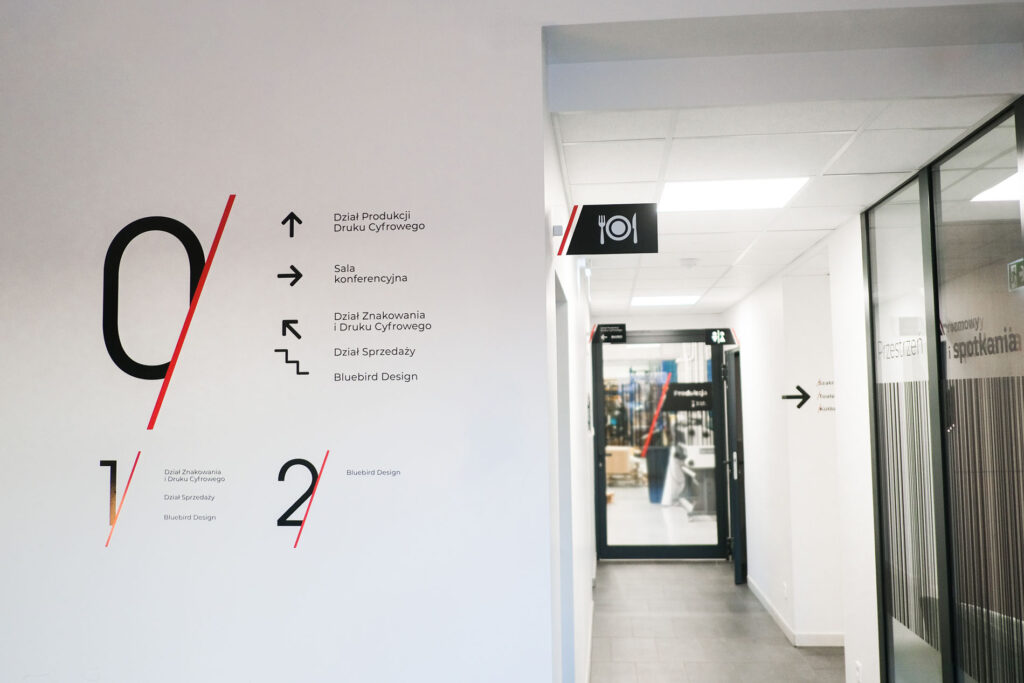
A visual information system (VIS) is a coherent set of signage, messages and graphic elements that help users navigate a space. It’s not just placards or arrows – it’s a thoughtful structure of information that supports orientation, safety and comfort.
In practice, the SIW is an integral part of the concept of wayfinding, which is the design of the experience of moving through a space. It includes both indoor signage and outdoor signage, as well as elements such as:
- information boards,
- directional designations,
- room identification,
- maps and facility plans,
- marking of zones and traffic routes.
Why is the SIW crucial?
A well-designed visual information system:
- Reduces the time to find the target,
- Reduces users’ stress,
- improves security,
- Strengthens the image of the brand or institution,
- Reduces the need to engage staff to provide information.
In a business context, it also means real savings and a better user experience (UX space).
Elements of an effective visual information system
When designing the ToR, there are several key aspects to consider:
Visual consistency
All signage elements should be consistent with the visual identity of the facility – the color scheme, typography and style must form a unified system.
Readability and hierarchy of information
Information should be conveyed in an intuitive manner – from general to specific. Contrast, font size and content placement are key.
Location of markings
Even the best signage will not serve its purpose if it is placed in the wrong place. SIW must take into account the natural paths of users.
Versatility
The system should be understandable to different user groups – including the elderly, children or foreigners.
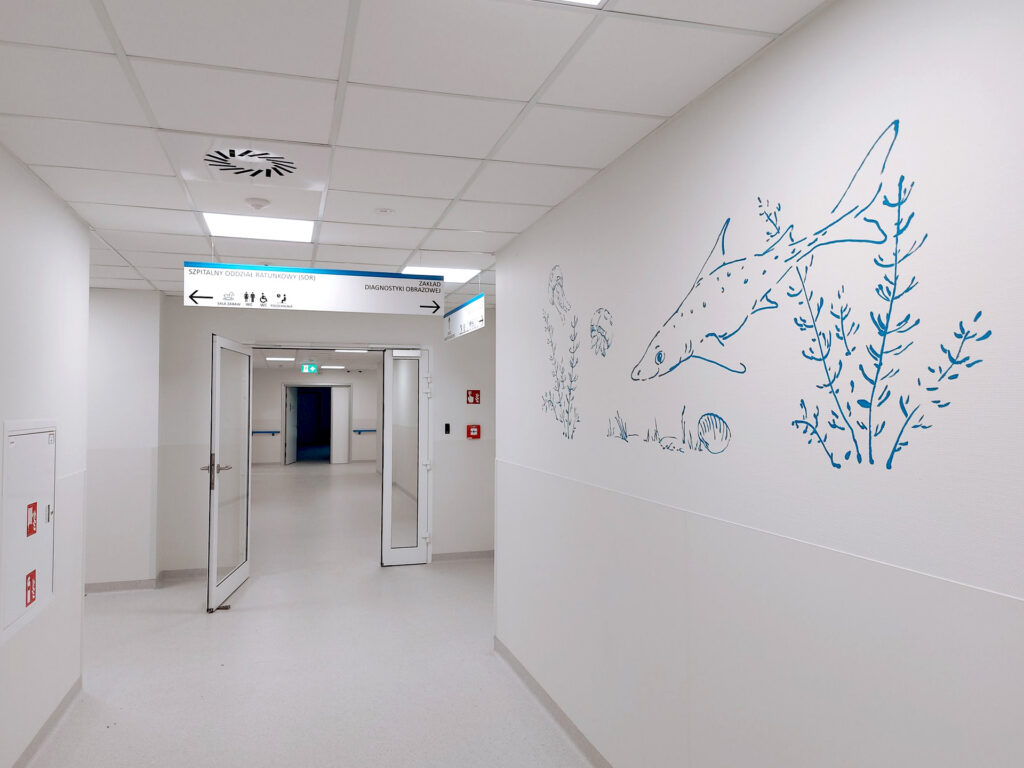
SIW in medical facilities
Hospitals and clinics are some of the most demanding spaces. Users are often under stress, so signage must be as intuitive as possible.
Key elements:
- clear branch markings,
- color zones,
- Clear signage of traffic routes,
- Quick access to registration and office information.
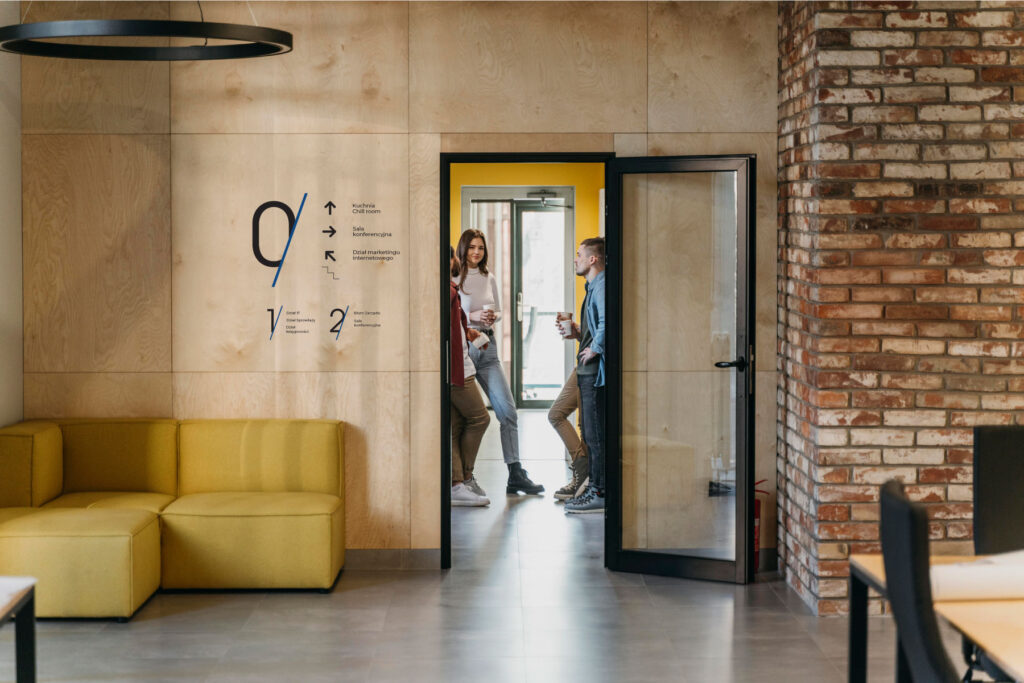
SIW in offices and administrative spaces
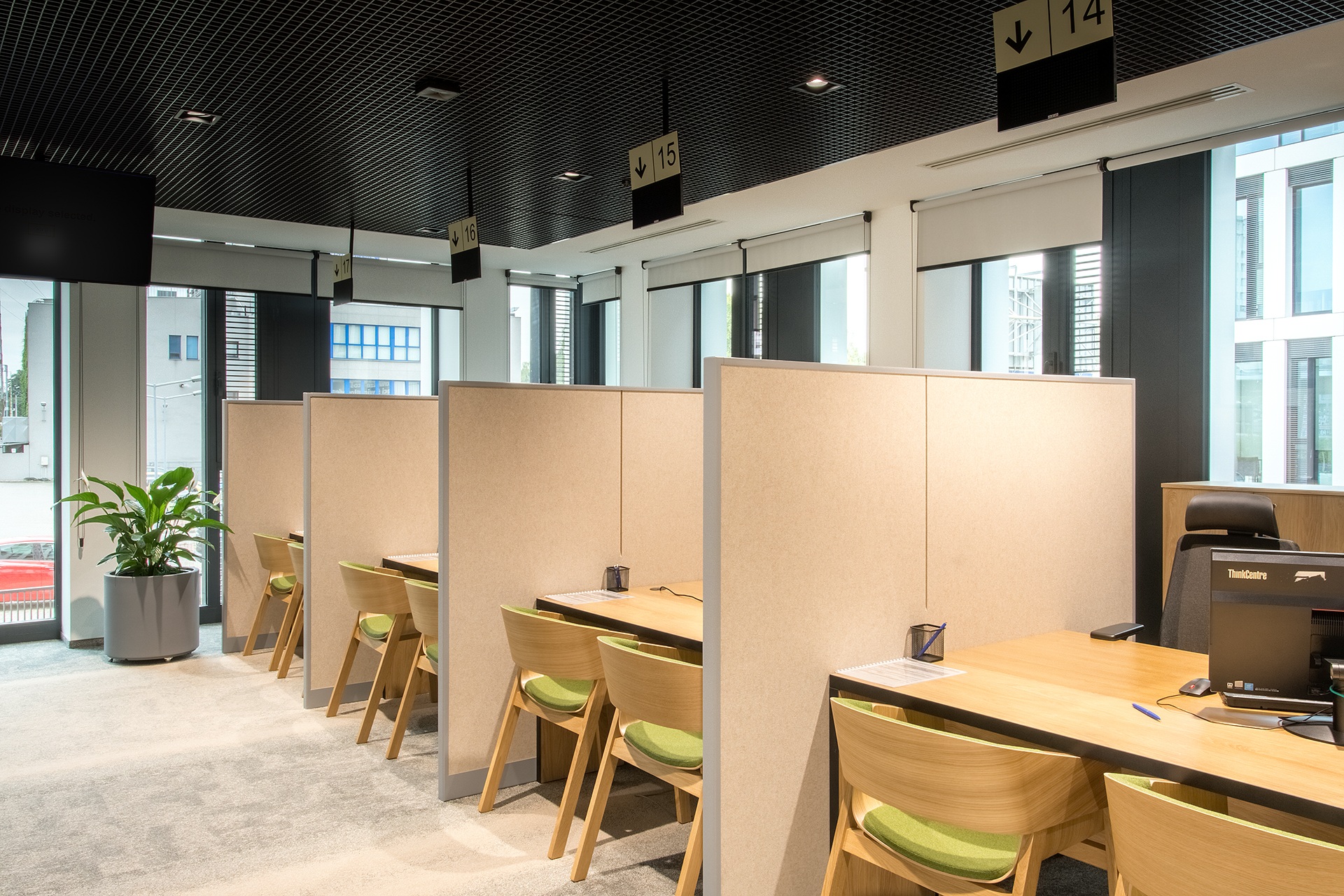
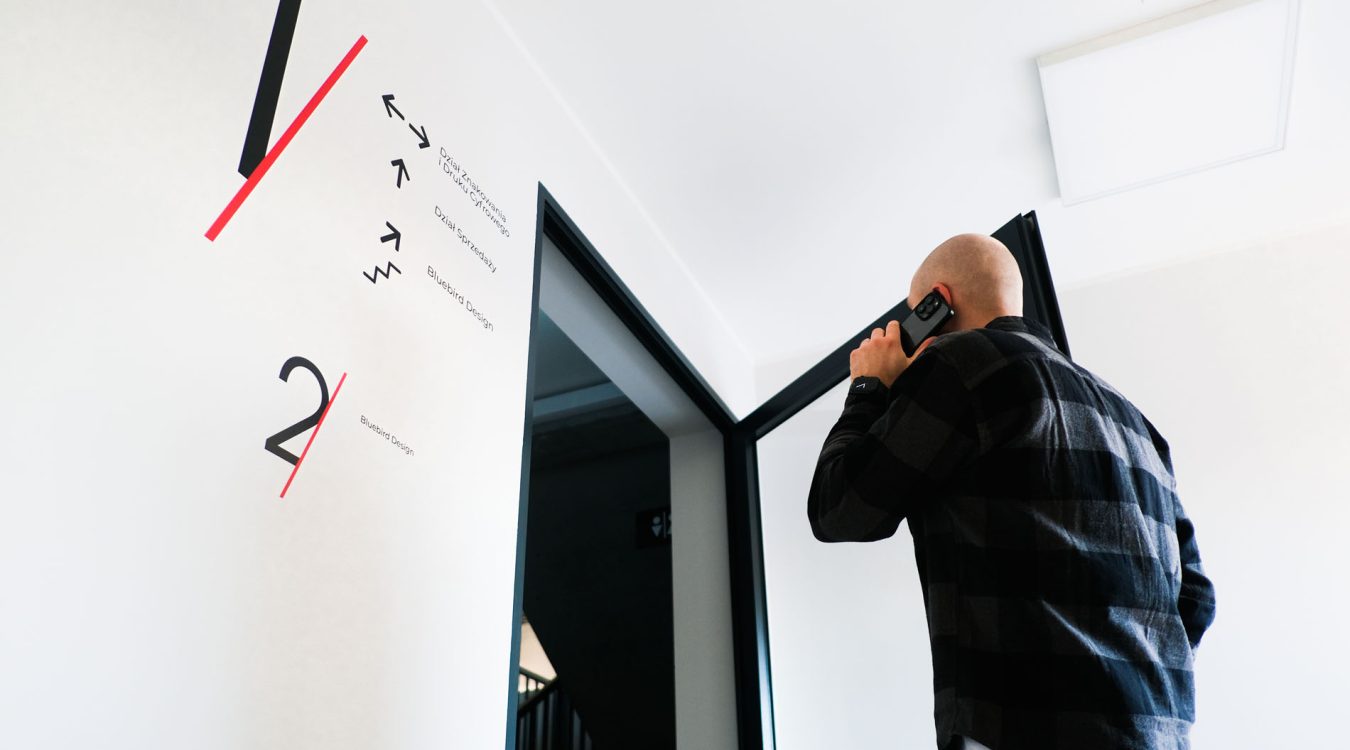
In offices, a visual information system supports both employees and visitors. Well-designed office signage influences the organization of work and the professional image of the company.
Typical solutions:
- conference room designations,
- identification of departments,
- reception signage,
- wayfinding systems for visitors.
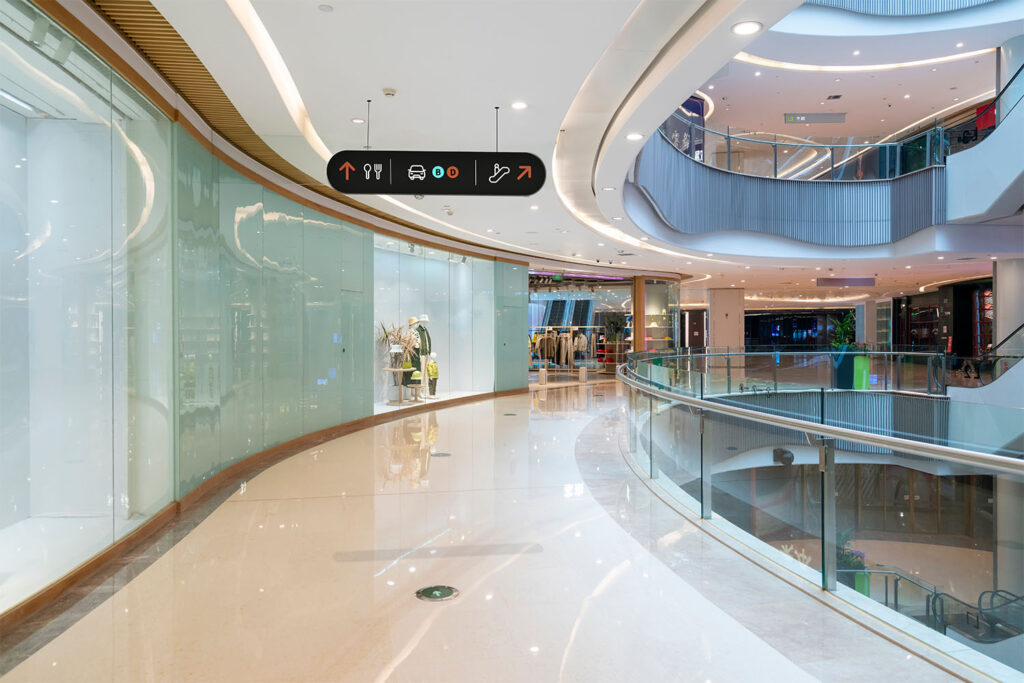
SIW in shopping malls and chain stores
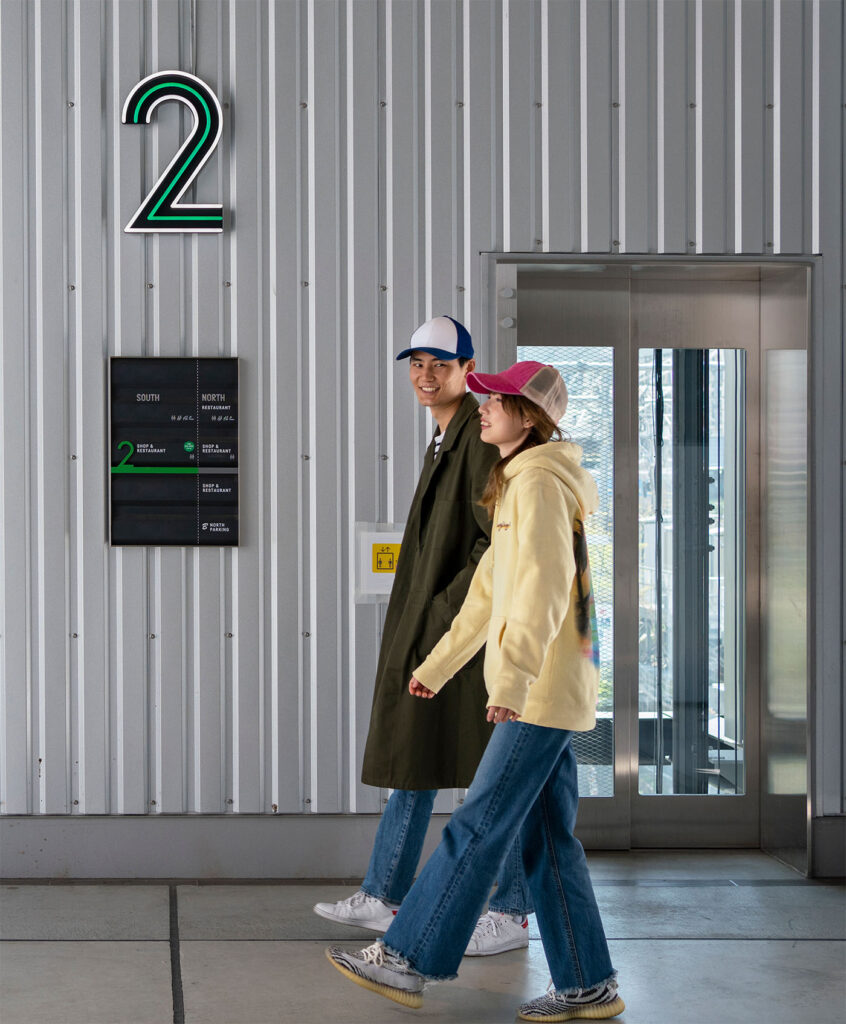
W Retail facilities SIW directly influences customer experience and purchasing decisions.
Highlights:
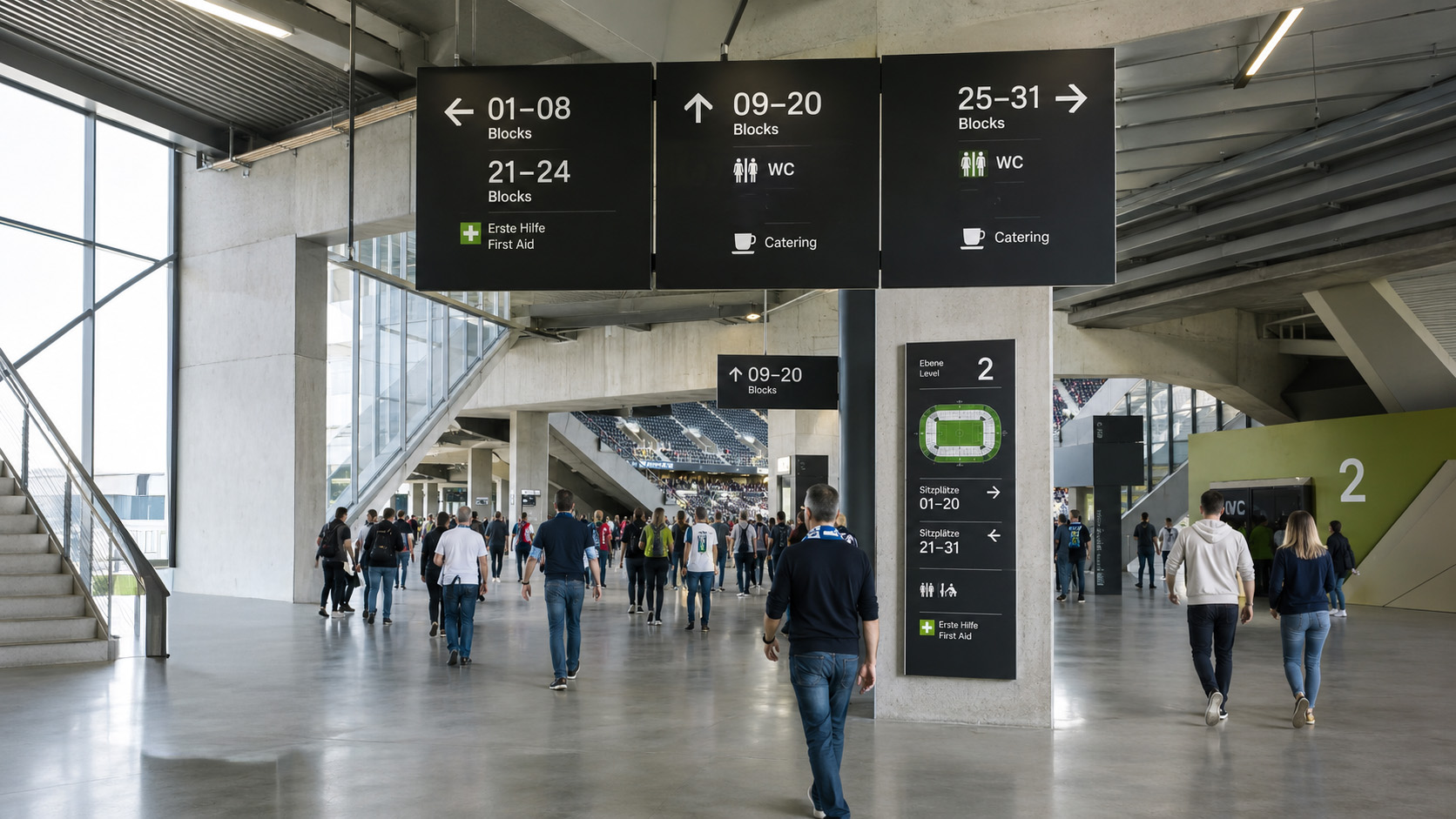
- gallery maps,
- zoning and store designations,
- Directional signage for parking lots,
- Integration with tenant branding.
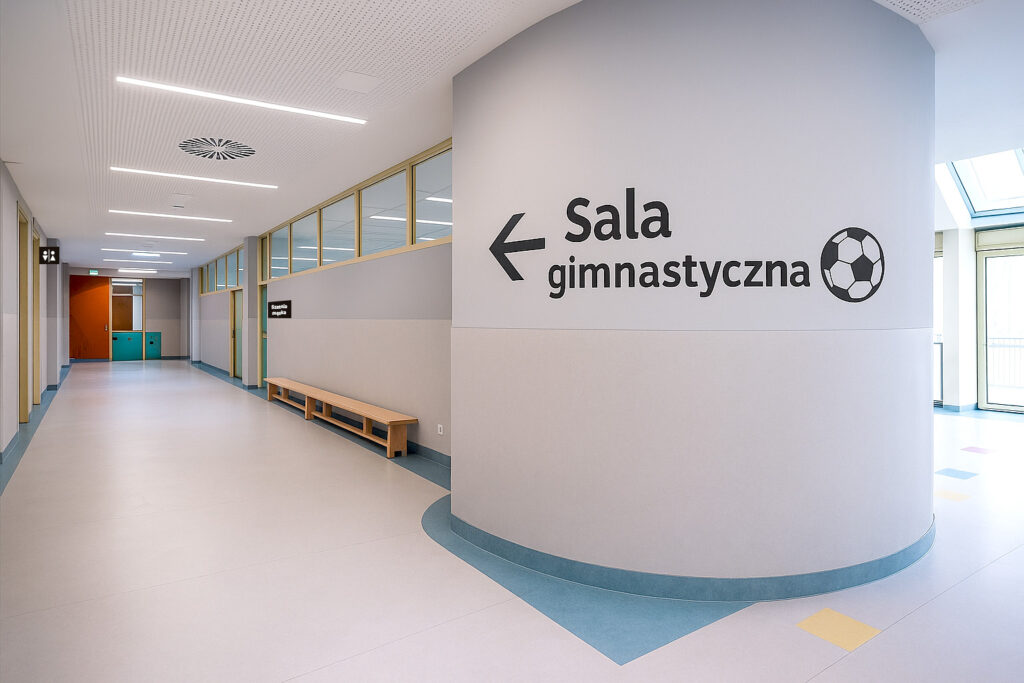
SIW in schools and universities
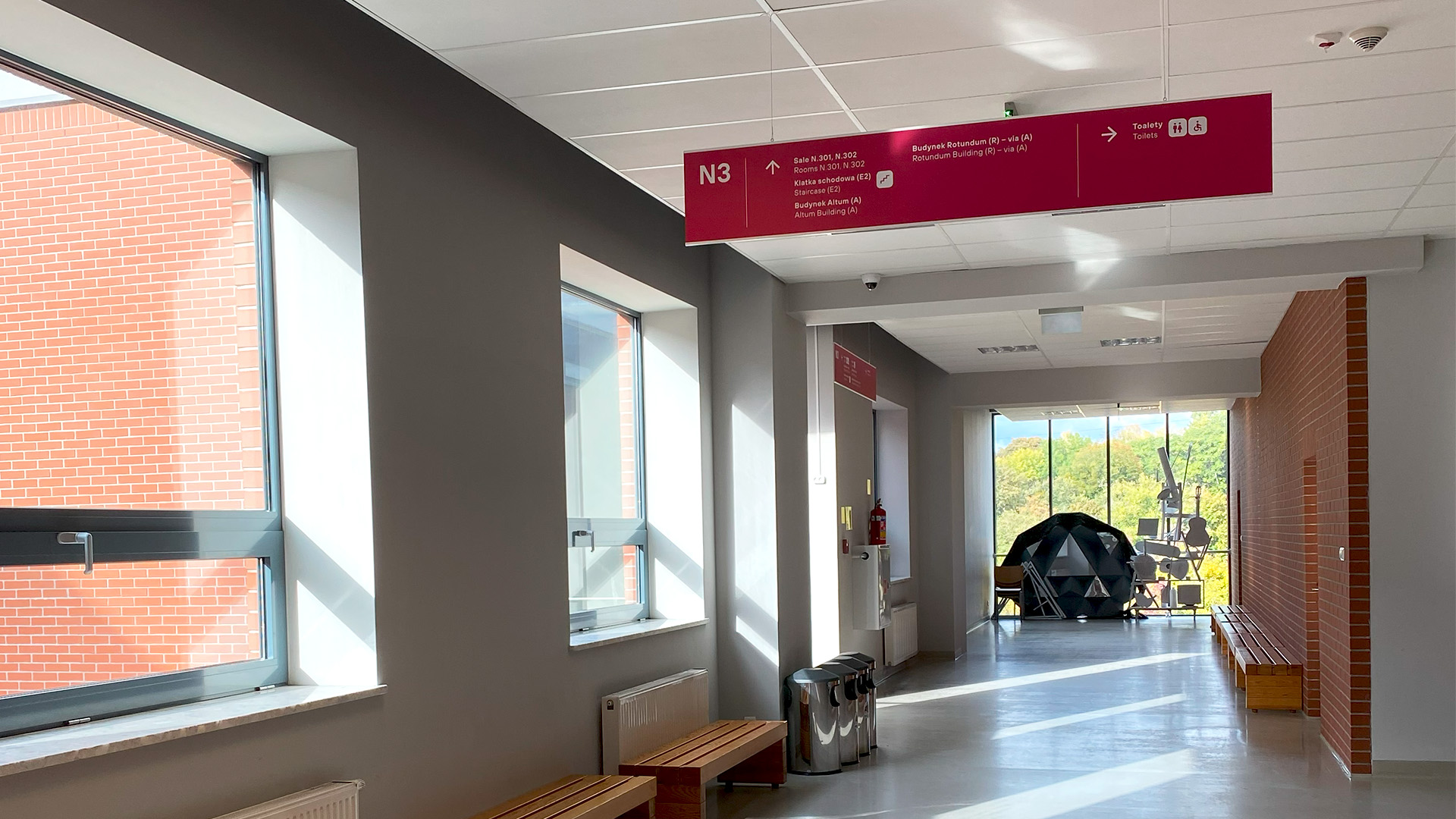
Educational facilities require signage tailored to different age groups.
Worth including:
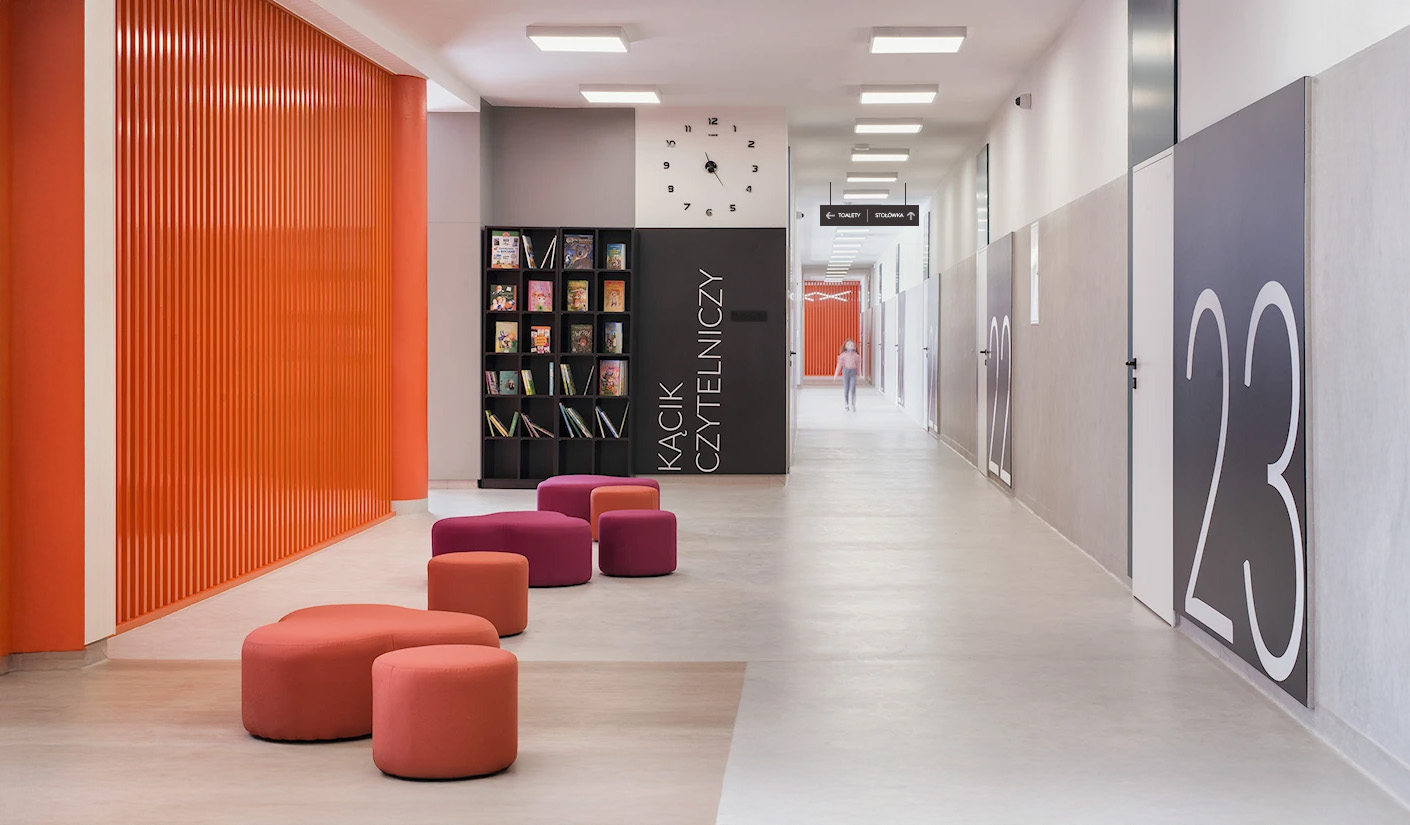
- intuitive signage for rooms and buildings,
- Color distinction of zones,
- educational elements in the space,
- security and evacuation.
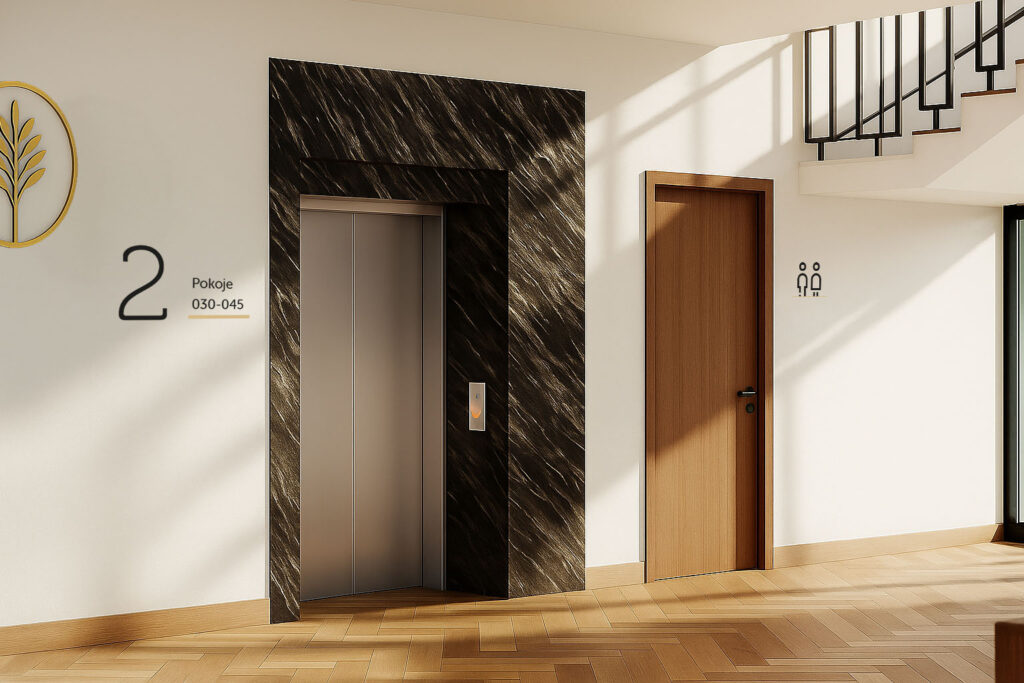
SIW in hotels and leisure facilities
W hotels and sanatoriums visual information system directly affects the comfort of guests.
Typical applications:
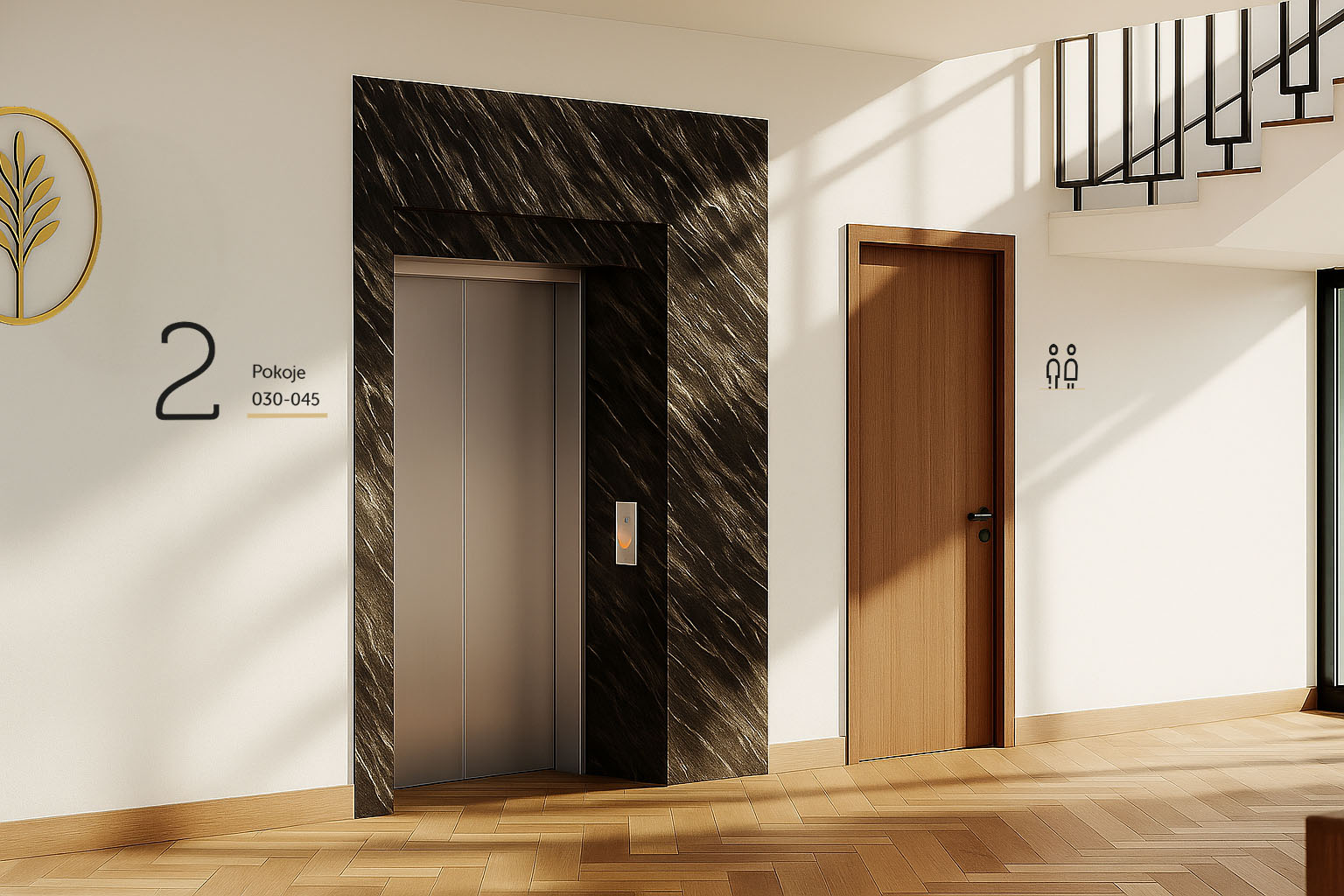
- room and floor designations,
- Directions to areas (SPA, restaurant),
- signage of common spaces,
- Consistency with the brand’s visual identity.
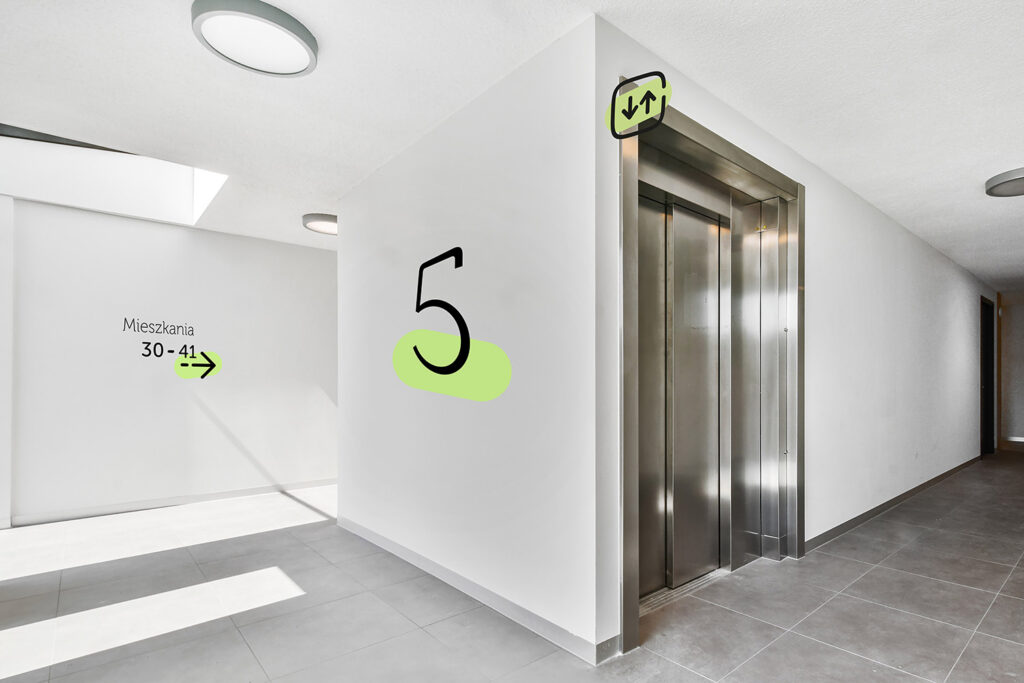
SIW in public spaces and settlements
In urban and residential spaces, the SIW serves an orientation and information function.
Includes:
- building signage,
- wayfinding systems in public spaces,
- Markings of parking lots and pedestrian routes,
- accessibility support elements.
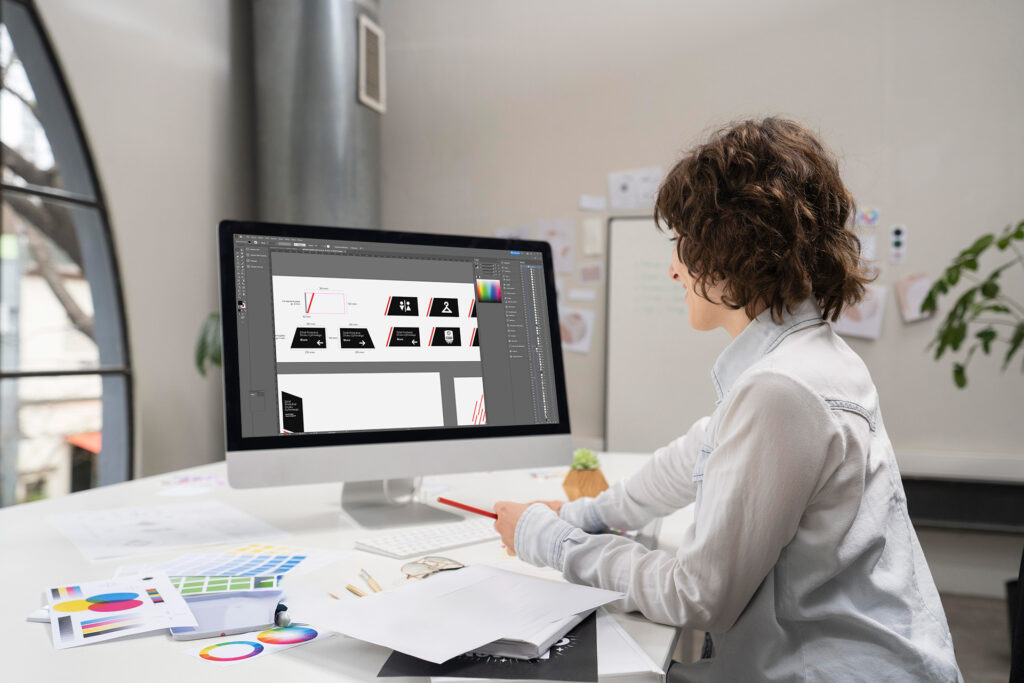
How to design an effective visual information system?
The ToR design process should include:
- Analysis of space and user needs
- Developing the structure of information
- Graphic design and signage system
- Selection of technology and materials
- Assembly and functional testing
We offer comprehensive project implementation at every stage. All the necessary space marking work will be done for you by our specialists. This will make the implementation faster and cheaper. We will take care of every detail, putting the quality of workmanship first.