
Greater Poland Children’s Health Center in Poznań
Visual Identity for a Medical Facility
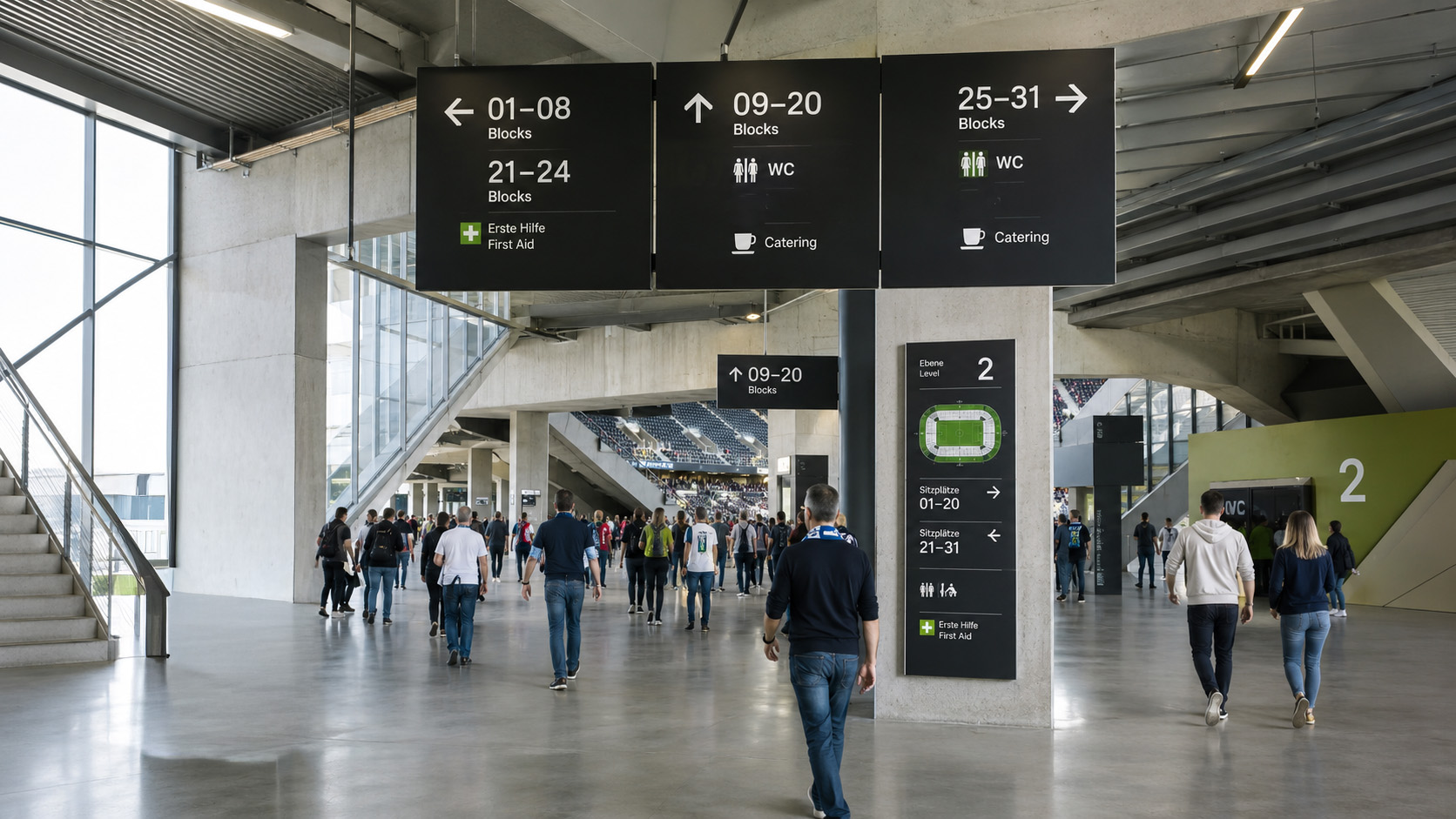
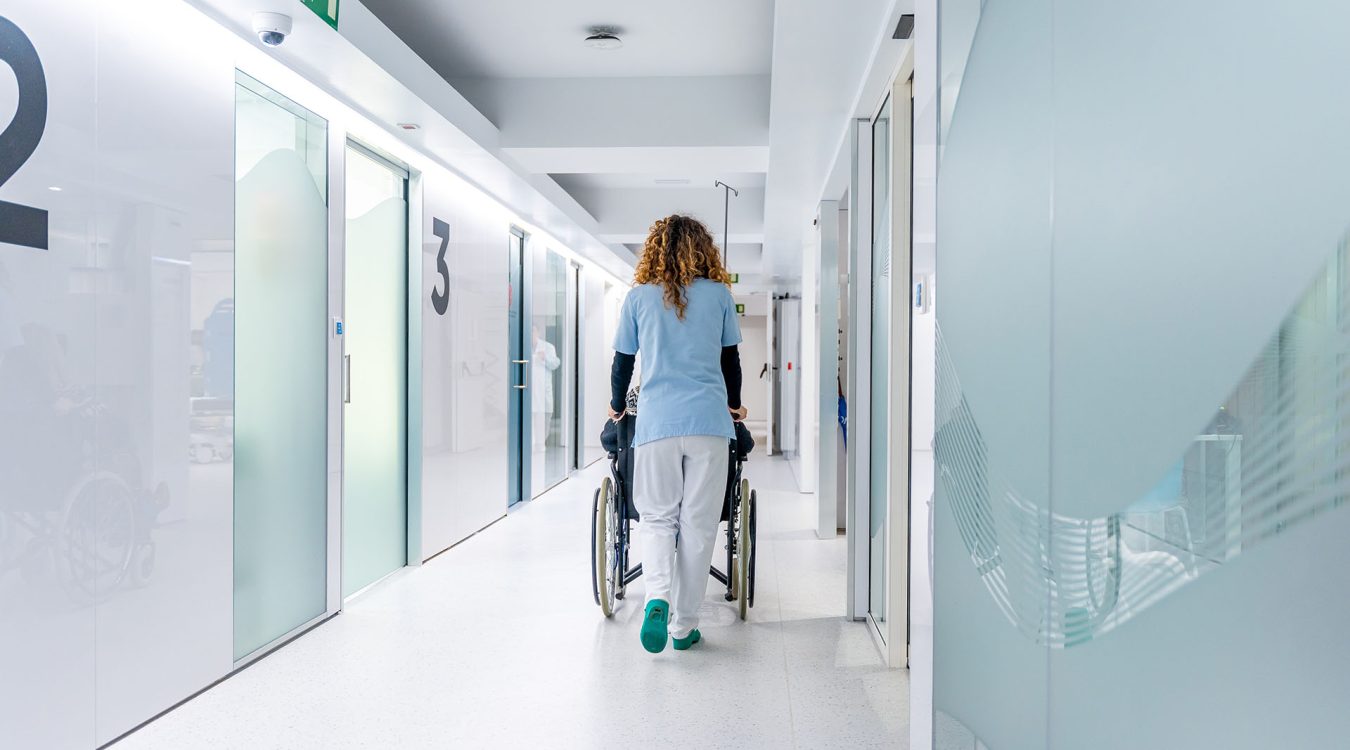
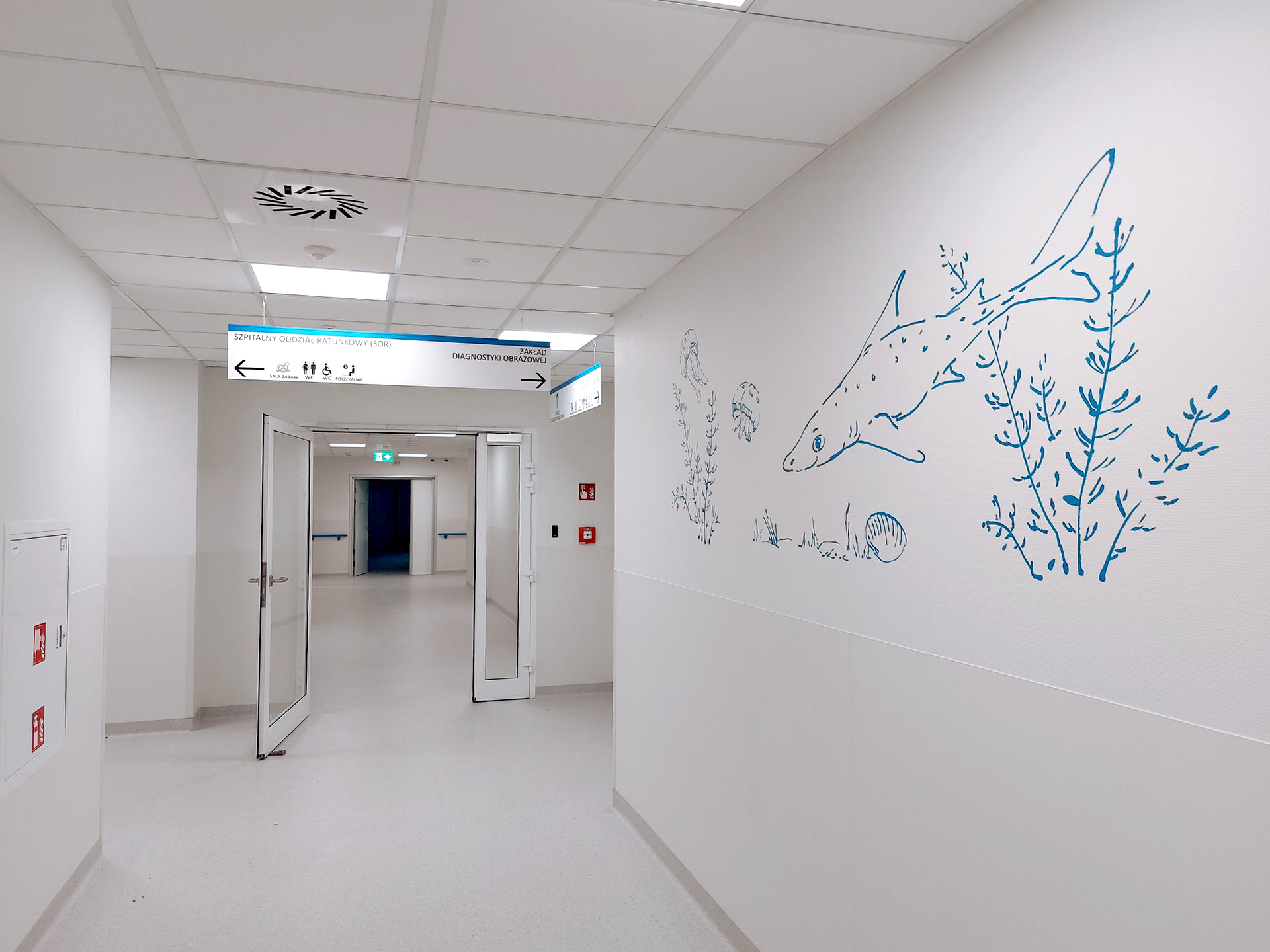
Aesthetic and functional signage is one of the cornerstones of a facility’s visual identity. Carefully selected colors, typography, and symbols influence the first impression a patient forms.
Key elements of of the signage system include, among others:
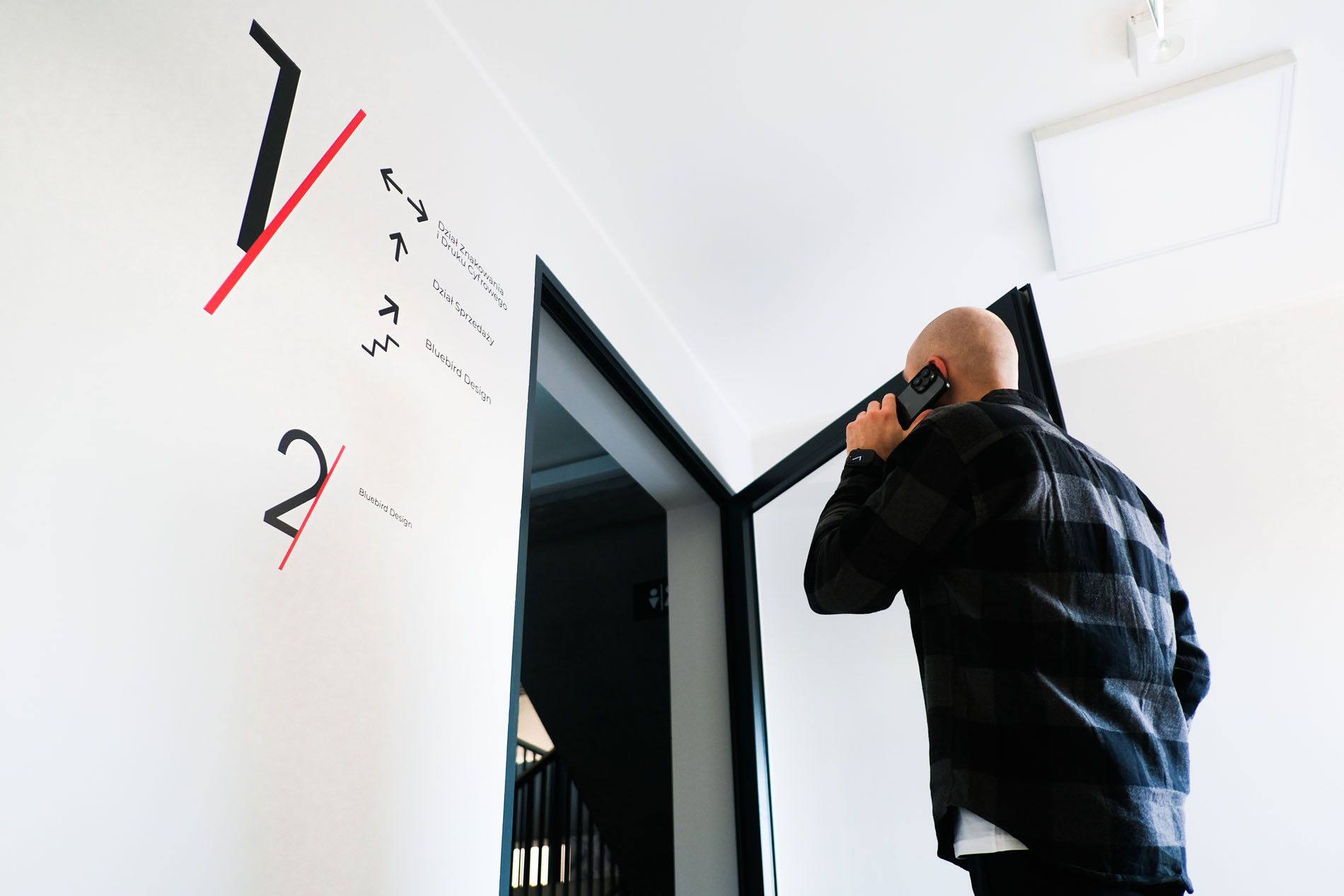
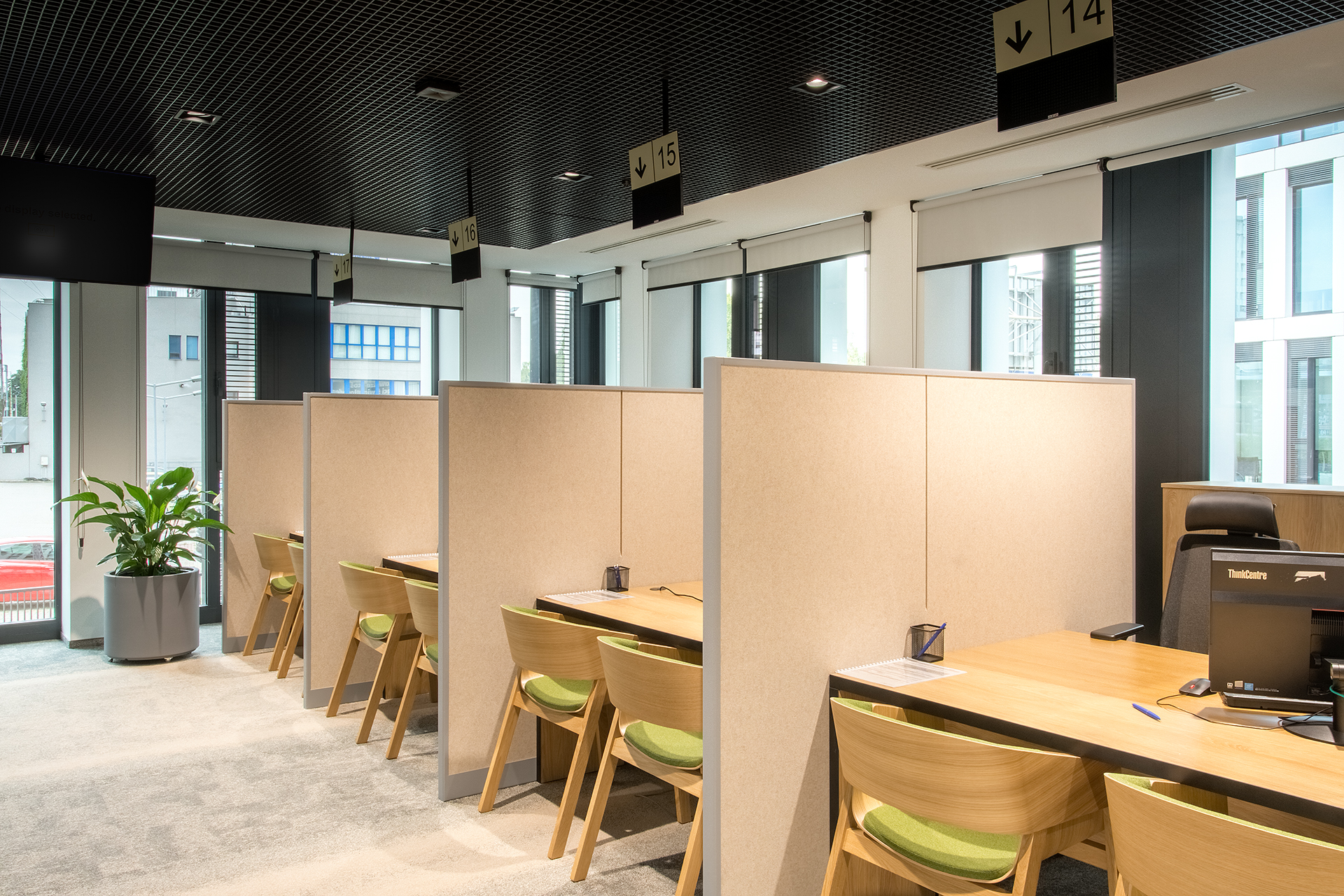
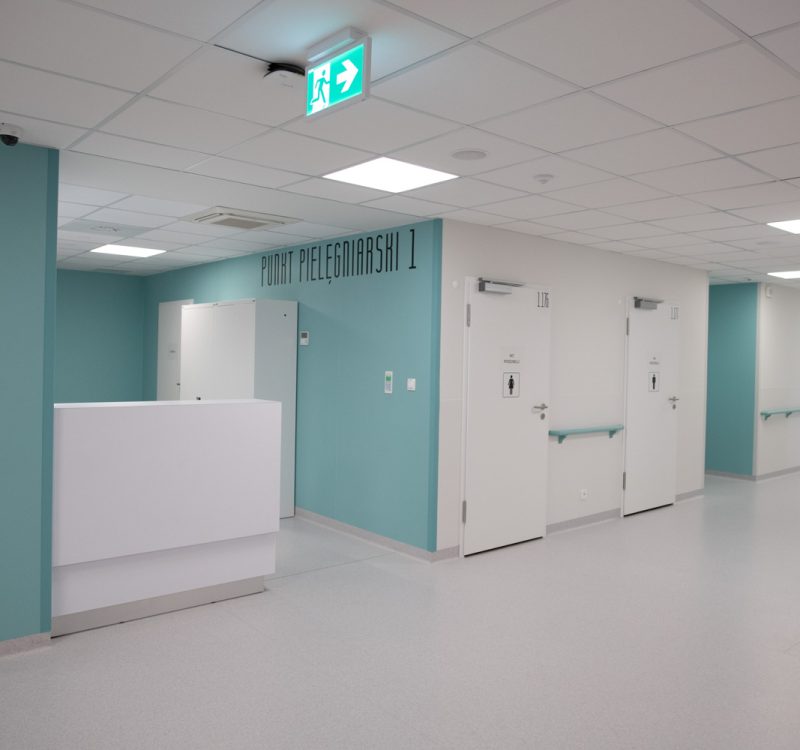
- Identification of organizational units —branches, rooms, registration desks, and offices.
- Information systems —signs, maps, and directional signs—make navigation easier for patients, their families, and, of course, the staff.
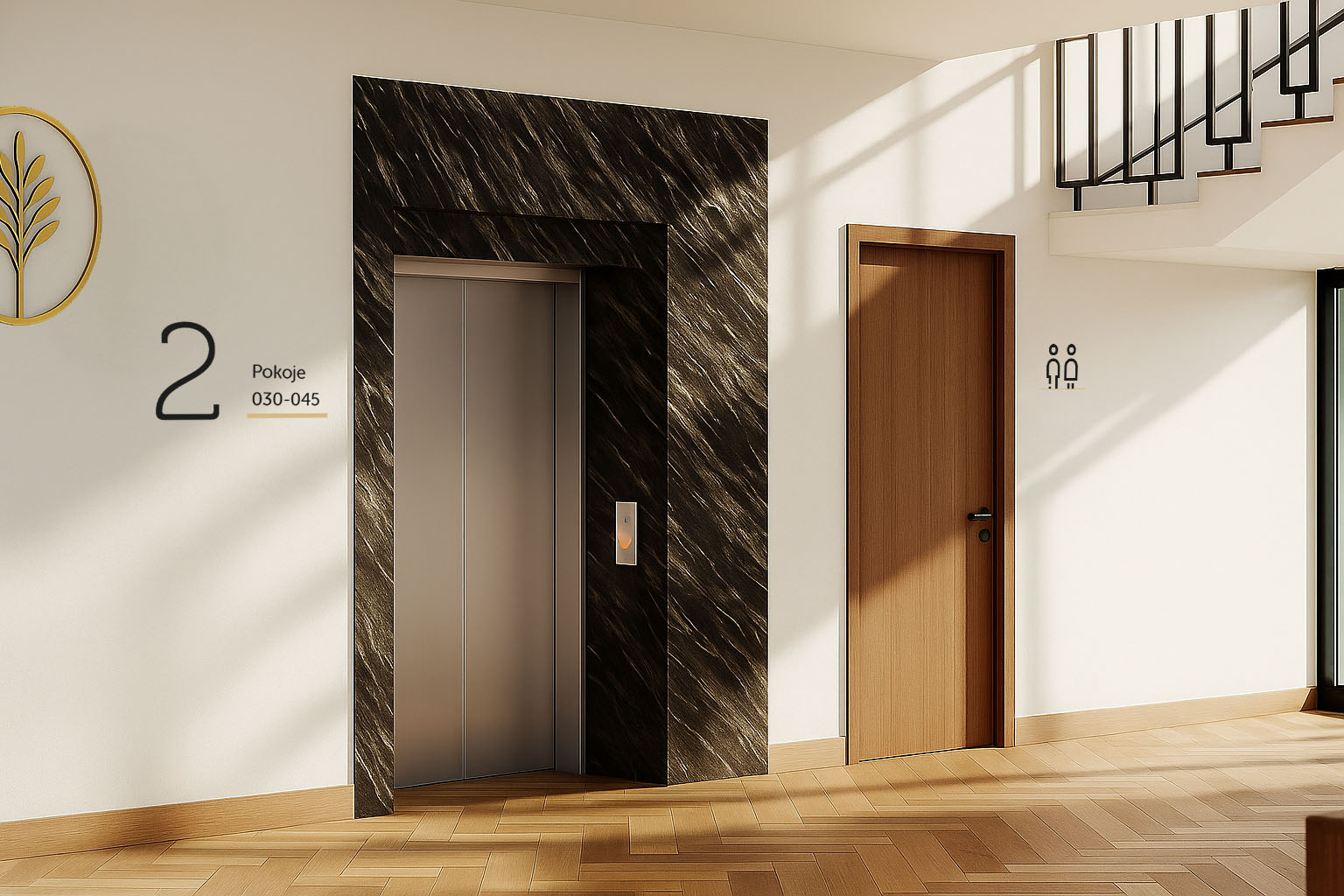
- Signage in common areas —near elevators, restrooms, parking lots, and waiting rooms—helps organize the space and enhances user comfort.
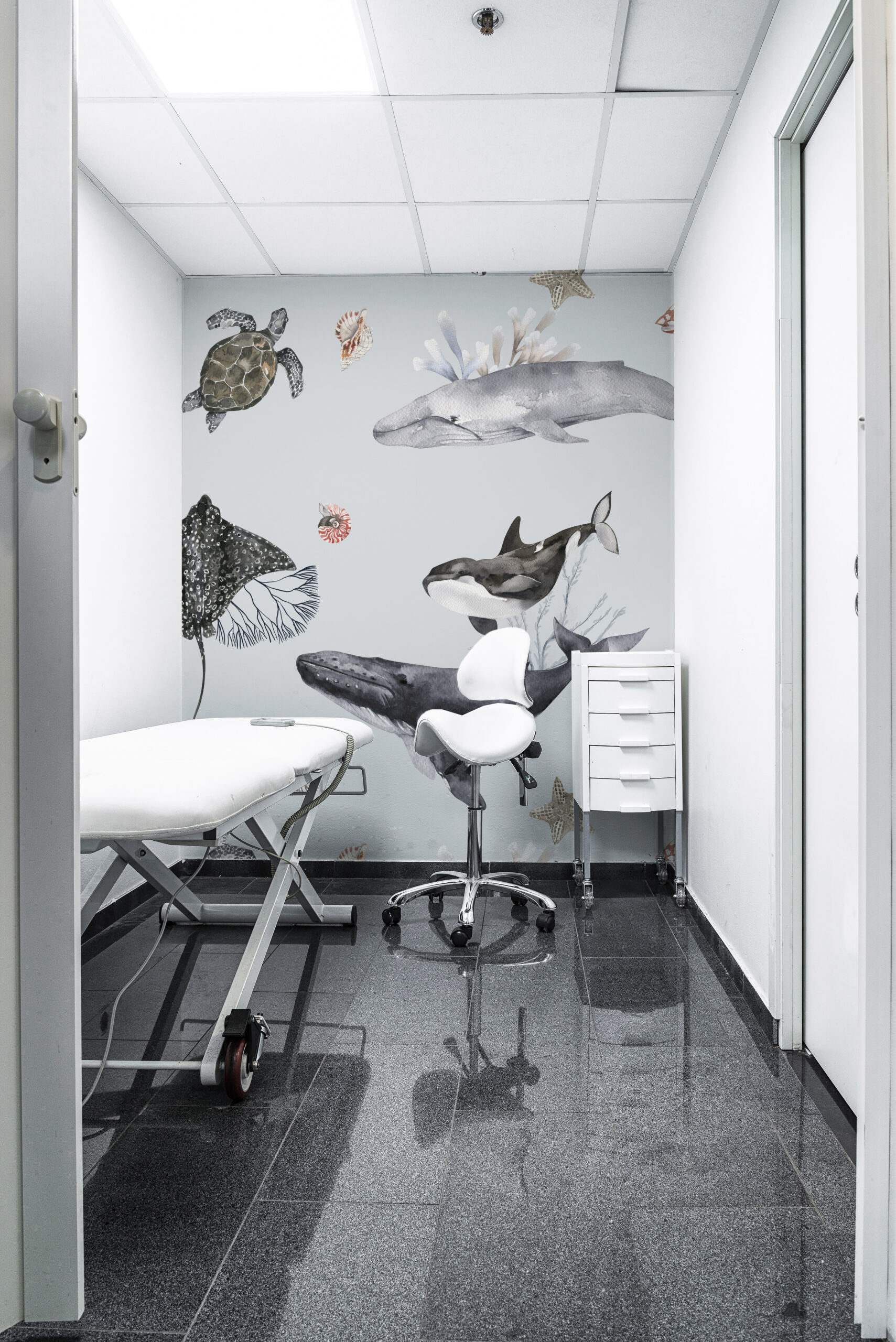
- Space Branding —a concept that brings a space to life and gives it a welcoming atmosphere. It reduces stress and promotes recovery.

Patient comfort and staff efficiency
Clear and easy-to-understand signage significantly reduces patient stress —especially in emergency situations or during a patient’s first visit to a facility. Easy access to information about the location of examination rooms and office hours improves the flow of patient care and reduces wait times.
It is also very important to tailor the space branding design appropriately. We’ll use different signage for the pediatric ward, the “delivery room,” and the intensive care unit.
From the perspective of medical staff, a well-designed signage system reduces the time spent looking for rooms and areas, supports day-to-day work organization, and allows staff to focus on what matters most —patient care.
Greater Poland Children’s Health Center in Poznań
Affordable signage for healthcare facilities
The raw materials used to produce signage must be highly durable and resistant to damage and environmental conditions such as moisture, scratches , and frequent disinfection. Do these criteria, then, significantly affect the cost of the project?
We are aware of the budget constraints that the modern healthcare system increasingly faces these days. That is why we have developed solutions tailored to virtually every budget.
Examples of data storage media:
- Composites, Dibond, and expanded PVC —ideal for high-traffic areas, such as hallways, bathrooms, and elevators.
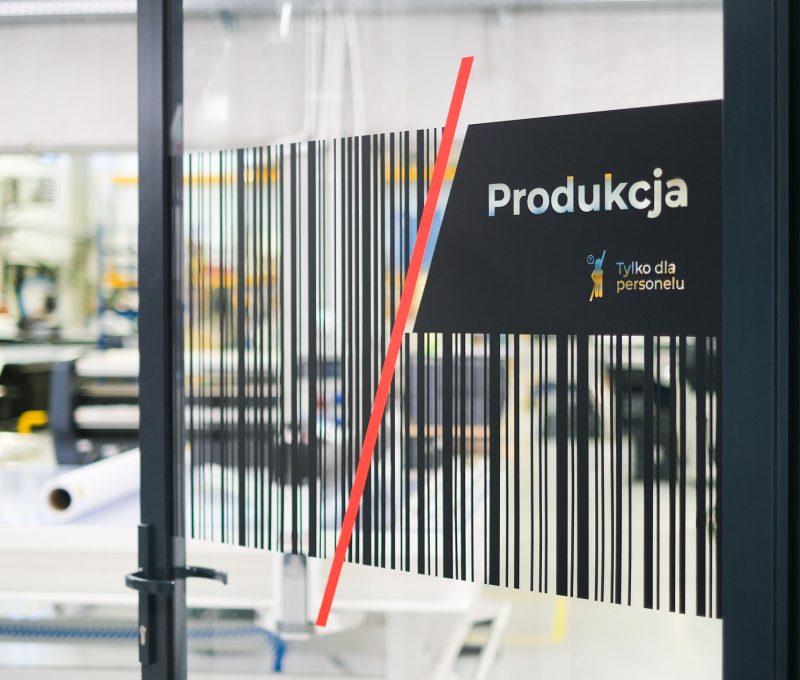
- Digital printing —enables precise reproduction of a design on various substrates, allowing you to create a unique signage system tailored to the character of the facility.
- Decorative wallpapers —available in a variety of textures, ranging from non-woven to wall stickers to vinyl on non-woven backing. They offer exceptional durability and are fully washable.
Comprehensive implementation—from audit to installation
Our company offers comprehensive services for medical labeling projects, allowing you to work exclusively with a single provider.
Stages of project implementation:
- Audit and Needs Assessment – At this stage, we can gain a detailed understanding of the specific characteristics of the buildings and their surroundings, verify your plans and expectations, and prepare basic on-site documentation.
- Graphic design —we develop it in harmony with the building’s architecture and interior design. We believe that every building, regardless of its purpose, can be a unique place.
- Signage System Design—We develop a comprehensive and well-thought-out concept for navigating the building and its surroundings. We plan the exact placement of each type of signage.
- Production and Installation – We operate a state-of-the-art large-format printing facility based on digital printing technology. We have an experienced and professional installation team.