
What the DPP will change in your logistics
The Digital Product Passport, or DPP, will move logistics from a predominantly declaration-based area to a data-managed model. Companies will not only have to identify products according to GS1 standards, but also maintain consistent information about their characteristics, origin, packaging, dimensions, weight and circulation in the supply chain.
In practice, this means that logistics will cease to be solely a warehouse and transportation operation. It will become an important source of data for regulatory compliance, ESG, product tracking and customer service. If today the dimensions, weight or packaging data of SKUs are incomplete or discrepant between ERP, WMS and e-commerce systems, with DPP such a problem will cease to be an inconvenience and start to be a real cost and operational risk.
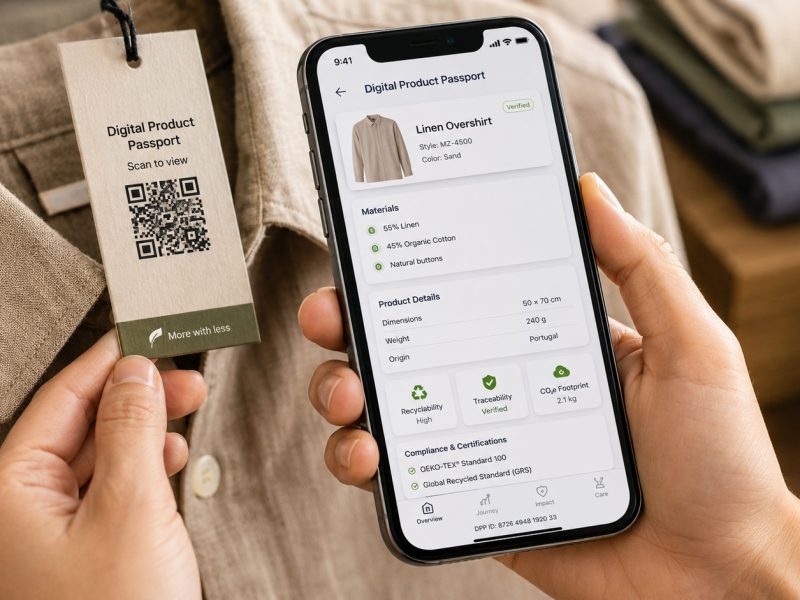
DPP is not a single IT system, but a model for accessing structured product data, usually linked to a GS1 ID and 2D code. Therefore, companies that are already organizing masterdata are building an advantage: they will implement GS1 Digital Link more easily, reduce labeling errors, and comply more quickly with new EU requirements.
Why Cubiscan matters in the DPP world
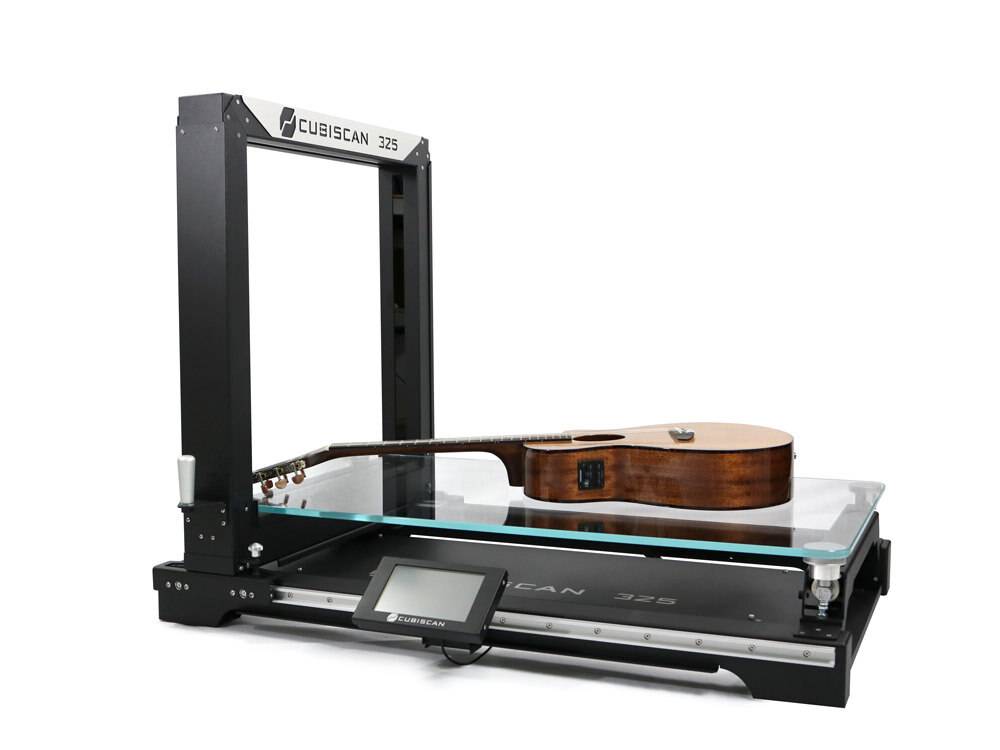
One of the cornerstones of the DPP is reliable product and packaging master data. Particularly important among them are the length, width, height, weight and parameters of logistics units, as this information affects the transportation, storage, delivery cost and environmental footprint of the product.
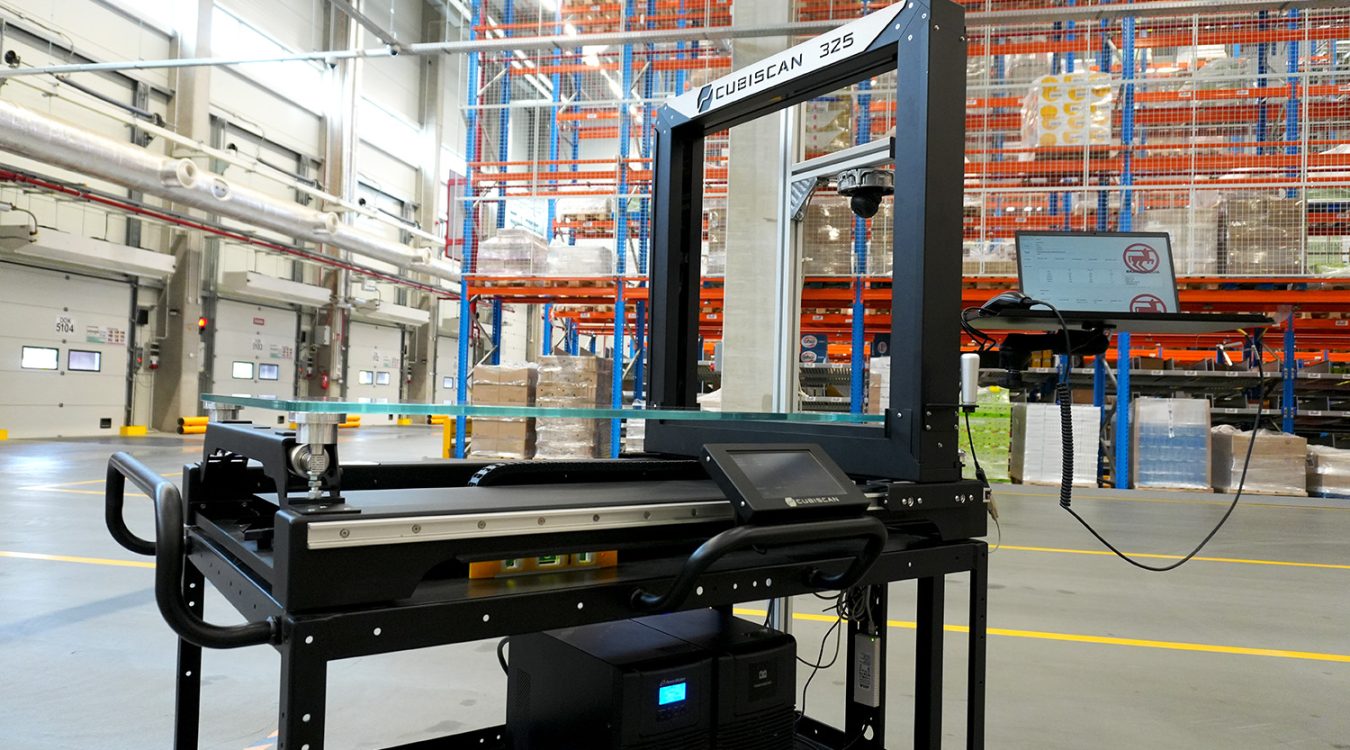
This is where Cubiscan gives the company a very tangible advantage. Cubiscan devicesautomatically measure the dimensions and weight of products, cartons, packages and pallets, and the data can be transferred directly to user systems. This reduces manual entry of information and typical operator errors.
The DPP will require data that is up-to-date, consistent and documentable. If a manufacturer, distributor or logistics operator is unsure whether the weights and dimensions recorded in the system correspond to the actual state, it is building a product passport on a weak foundation.
Cubiscan as a source of masterdata
GS1 and the DPP market are making it increasingly clear that a digital product passport should be based on well-maintained master data, rather than a separate, manually maintained database. This means getting the masterdata right first, and then building the next layers: 2D labeling, Digital Link, DPP, partner integrations and ESG reporting.
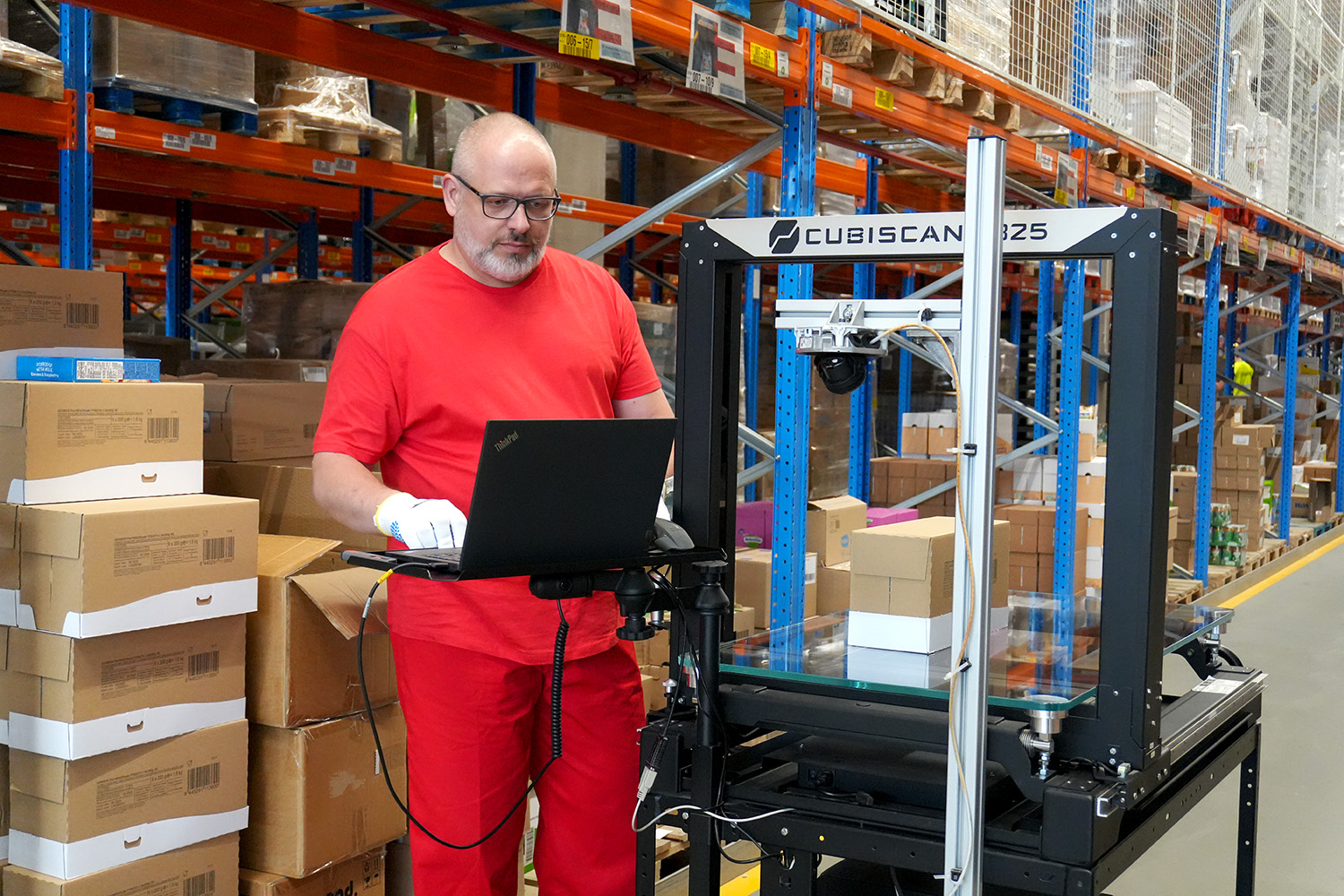
Cubiscan helps with just this step. It provides precise and reproducible data on each SKU or logistics unit, so a company can unify information across WMS, ERP, PIM, shipping systems and sales platforms.
This is especially important where a single product functions simultaneously in the warehouse, e-commerce, courier system and product documentation. When data is measured automatically and feeds into central systems, it’s easier to assign it to a GS1 ID and then use it as part of the source data for the DPP.
What you gain today
Implementing Cubiscan is not an investment “for someday,” but a solution that makes an immediate impact. Automatic product sizing improves the quality of master data, supports optimization of storage, picking and selection of shipping packages, and reduces surcharges resulting from carrier audits.
Dimensional and weight data today have a direct impact on last mile costs, transportation tariffs and storage space utilization. In the DPP model, the same data will additionally begin to work for regulatory compliance, supply chain transparency and readiness for new disclosure obligations.
In other words: Cubiscan first improves the operation and then facilitates compliance. This is one of the best ways to ensure that a DPP project does not become a separate, expensive entity, but a natural extension of structured product data.

How HKK is helping prepare the company for the DPP
At HKK, we look at Cubiscan not just as a measuring device, but as part of a larger data architecture. We help companies link the dimensioning process to WMS, ERP and other masterdata sources so that product data is ready for further use in GS1 standards.
This approach is important because the DPP will rely on identifiers, interoperability and access to reliable information, not just the QR code itself on the label. Without good source data, even the best-designed 2D code will not solve the problem of information quality.
Therefore, Cubiscan is worth considering as a practical first step to GS1 DPP. First you organize the dimension and weight data, then combine it with GS1 identification, and then build readiness for a digital product passport in a controlled and cost-effective manner.
Application in practice
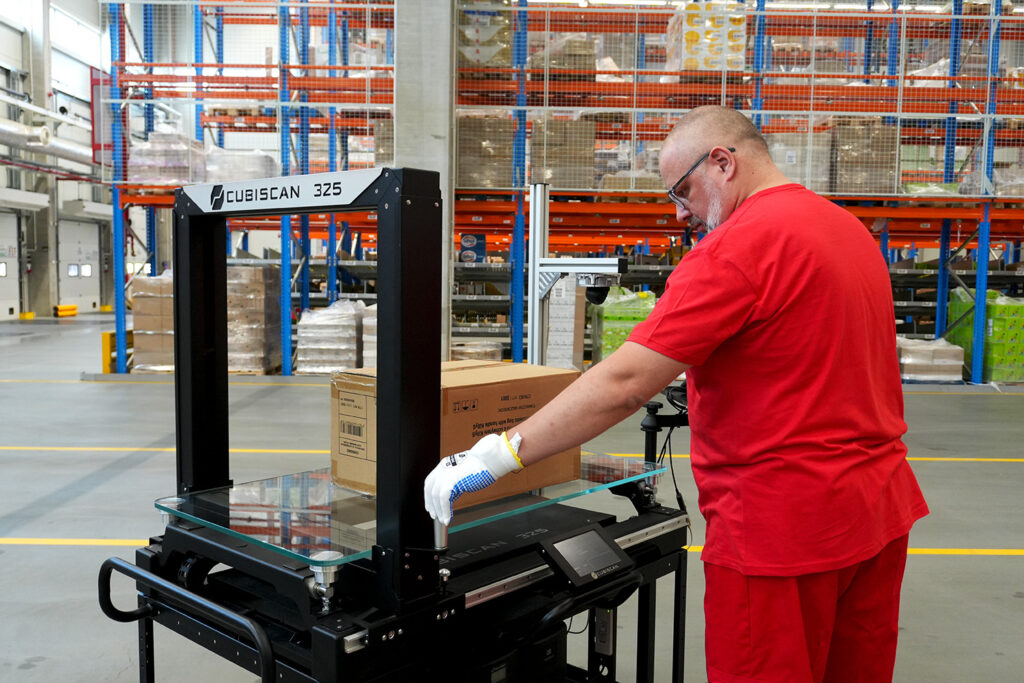
If you sell or ship products that vary in size, weight, packaging type or picking method, the DPP will require you to be more data disciplined than before. Cubiscan allows you to collect this information quickly, reproducibly and without making the quality of the data dependent on a particular employee or shift.
This is important for manufacturers as well as distributors, e-commerce and logistics operators. The better the input data about the product and packaging, the easier the path to efficient labeling, better shipping planning and subsequent use of the same data in the GS1 DPP model.