
Shortcuts
- Datalogic Matrix – fast and stable
- Automation is accelerating. Can the scanning system keep up?
- Why are classic scanning systems no longer sufficient?
- One device instead of many – the biggest change in the Matrix 830/930
- What gives high resolution in a code scanner?
- Logistics throughput: fewer no-reads, greater line efficiency
- Dynamic focus – stable reading with varying product height
- Matrix 830 – when will it be the best choice?
- Matrix 930 – when is it worth going a level higher?
- What does this mean for business?
- Bottom line: is this the moment for change?
- Highlights
Datalogic Matrix - fast and stable
In logistics and manufacturing, increasingly, the winner is not the process that works correctly, but the one that works quickly, steadily and without manual exceptions. In e-commerce, distribution centers, sorting facilities and manufacturing plants today, the key questions are very specific: how many packages will a line handle in an hour, how many codes will be read the first time, and how much does each no-read cost?
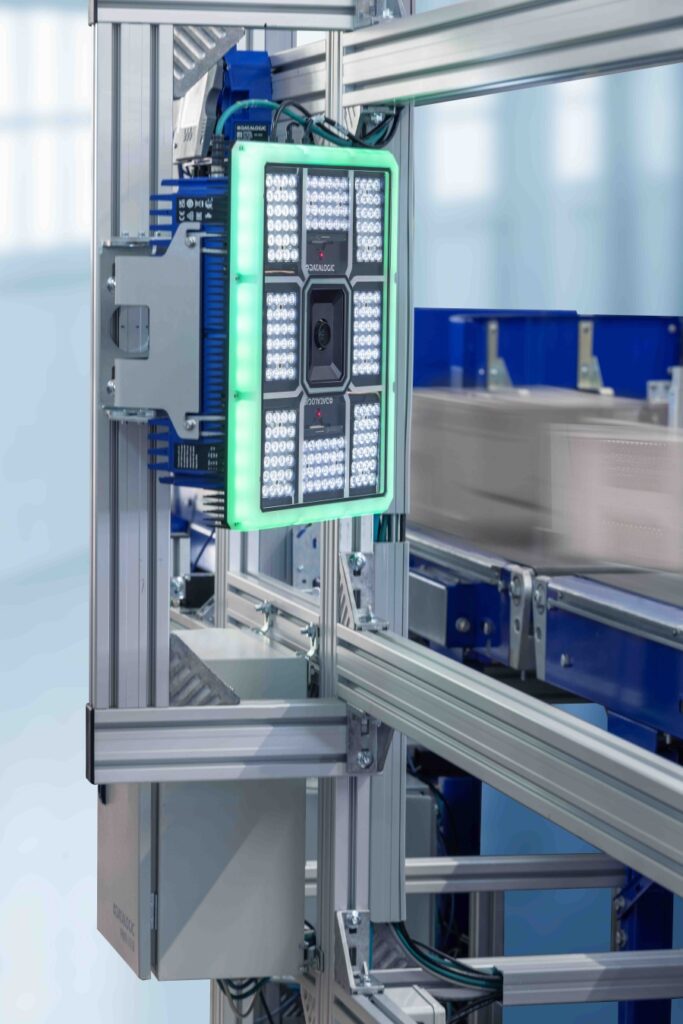
This is where the new generation of Datalogic Matrix 830 and Matrix 930 solutions comes in . These are industrial scanners, which not only improve the quality of code reading, but also allow you to simplify the entire architecture of the automatic identification system.
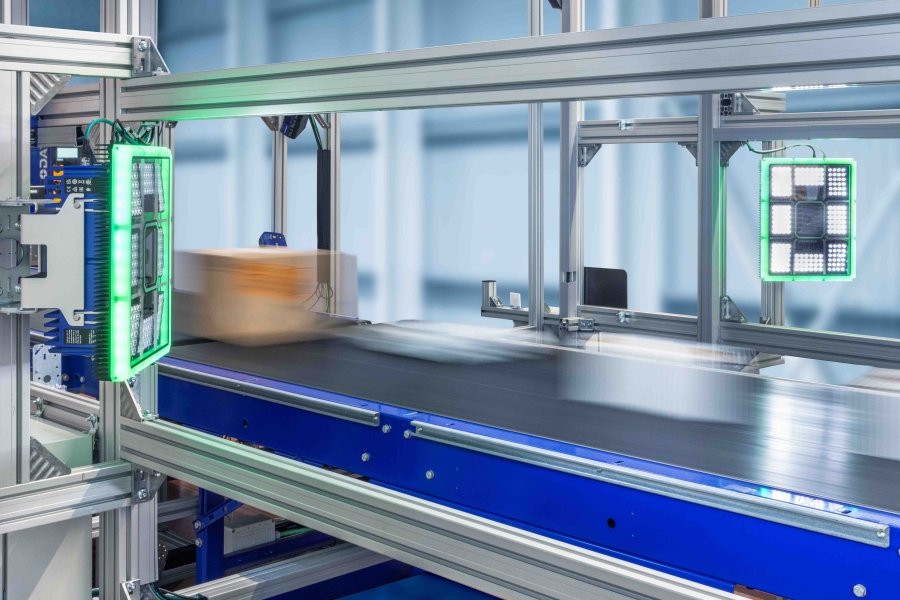
Automation is accelerating. Can the scanning system keep up?
If the code scanner does not read the label, the process does not slow down – it stops. There is manual operator intervention, delay, risk of error and incomplete data in the WMS, ERP or MES.
A few years ago, a standard scanning layout was often sufficient. Today, lines run faster, volumes are larger, barcodes and 2D codes are sometimes smaller, and labels go on films, cartons, bags, irregular surfaces and products of different heights.
Under such conditions, warehouse automation needs more than just another code-reading device. It needs a stable system component that will operate reproducibly, without operator involvement and without overcomplicating the installation.
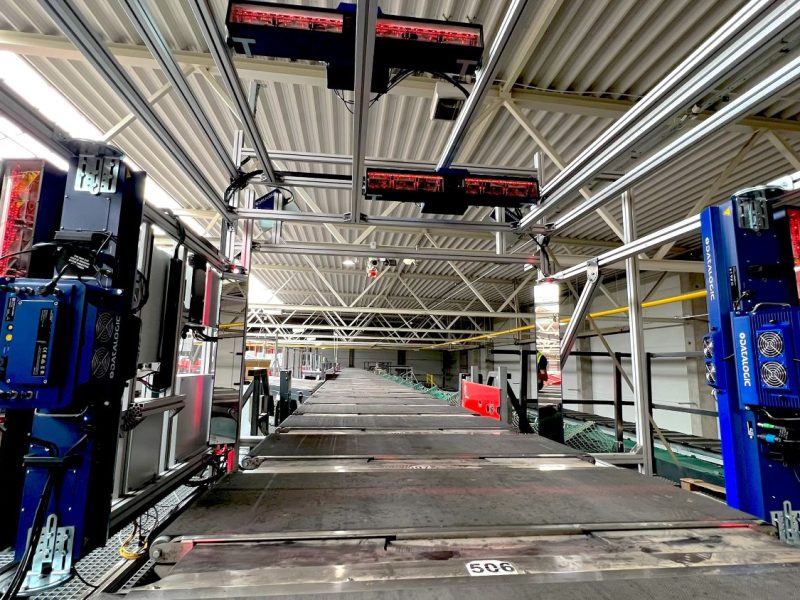
Why are classic scanning systems no longer sufficient?
A traditional scanning system in warehouse logistics often meant an elaborate setup: several or a dozen cameras, mirrors to guide the field of view, additional sensors, separate focusing elements, and complex mechanical and IT integration.
This approach works, but it has its limitations. The more components in a system, the higher the cost of implementation, the longer the startup, and the greater the number of potential failure points. Mirrors can get dirty, additional components need servicing, and any change in the process can force adjustments to the configuration.
The Datalogic Matrix 830 and Matrix 930 go in a different direction: fewer devices, wider field of view, higher resolution and simpler integration. This approach is particularly important where throughput, line availability and low total cost of system maintenance are important.
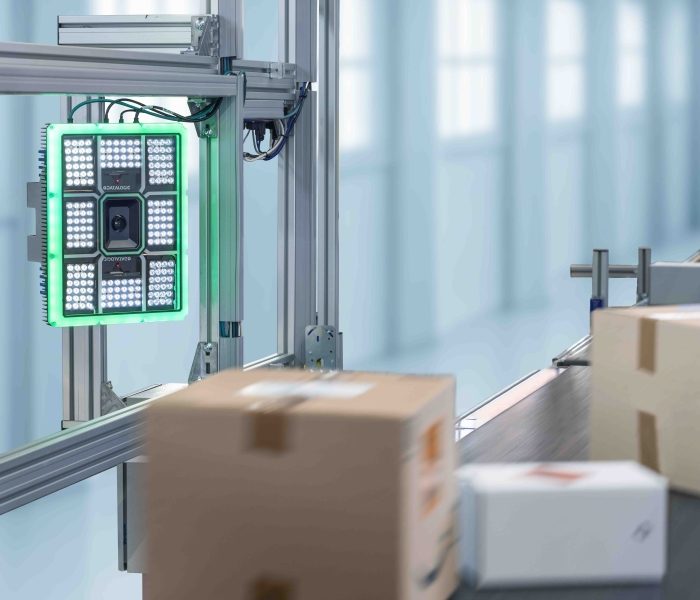
One device instead of many - the biggest change in the Matrix 830/930
The most important change in the Matrix 830/930 series is that a single industrial code scanner can replace a more complex array of several devices in many applications. The Matrix 830 uses a 16 MP sensor and the Matrix 930 uses a 28 MP sensor, allowing the system to cover a wide field of view and read codes from a large working area.
In practice, this means simpler mechanical design, less wiring, fewer mounting points and fewer components to maintain. For the customer, this is not just a technical parameter. It’s a real impact on investment cost, deployment time and system reliability.
In many projects, scanning can be designed without mirrors and without complex multi-camera systems. This is especially important in parcel sorting, DWS systems, picking, shipping, receiving, and traceability processes in manufacturing.
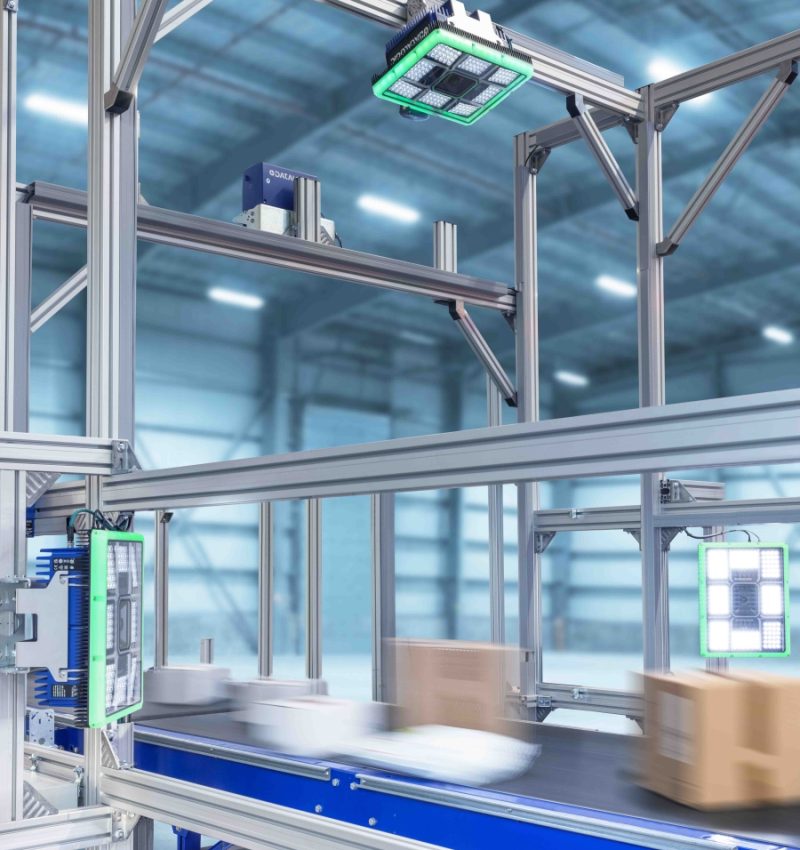
What gives high resolution in a code scanner?
High resolution here is not a marketing add-on. It’s a parameter that directly affects reading efficiency and design flexibility.
Wider field of view
One scanner can cover most of a conveyor or work area. This reduces the number of devices in an automatic identification system in many scenarios.
Better reading of small and difficult codes
In logistics and manufacturing, small 2D codes, DataMatrix, labels with poorer contrast, codes that are partially soiled, folded or placed under a film are becoming more common. The higher resolution gives the system more information to decode, which increases the chance of correct reading.
Fewer design compromises
With wide belts, tall objects or variable product sizes, the integrator does not need to design a complex optical system as often. This makes implementation and subsequent service easier.
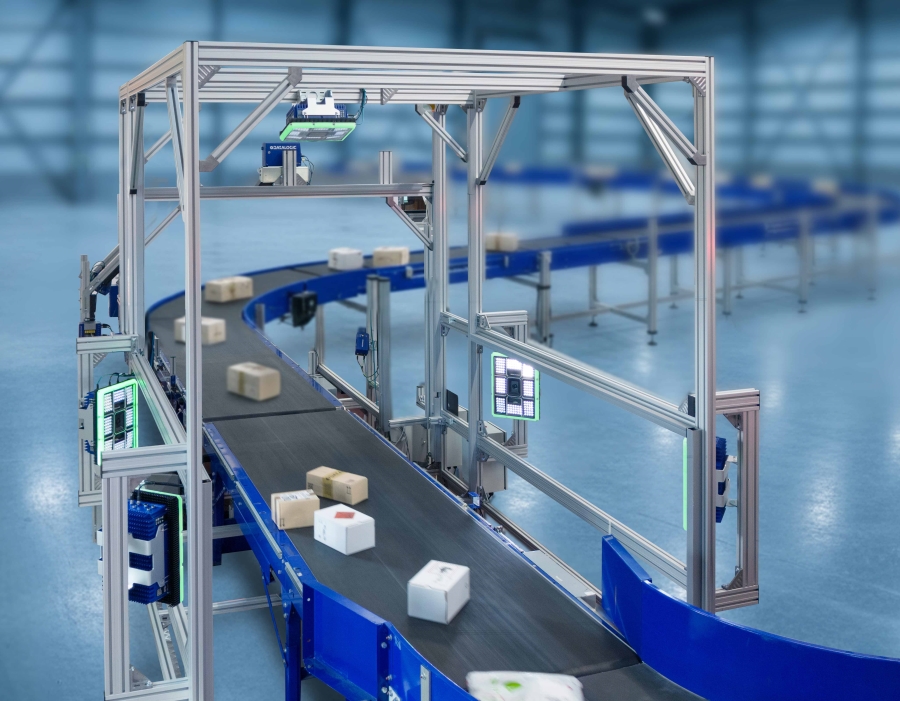
Logistics throughput: fewer no-reads, greater line efficiency
In logistics centers, even a small percentage of reading errors can mean hundreds or thousands of shipments requiring manual handling. Therefore, scanning efficiency translates directly into operational costs and quality of customer service.
The Matrix 830 and Matrix 930 are designed for high-speed applications where it’s not just the barcode reading itself that matters, but also maintaining the flow of packages on the line. PackTrack technology allows you to work with smaller gaps between objects, and area-of-interest localization features help you find the code in the image faster.
The business effect is simple: more parcels handled per hour, fewer no-reads, fewer manual exceptions and better use of existing infrastructure.
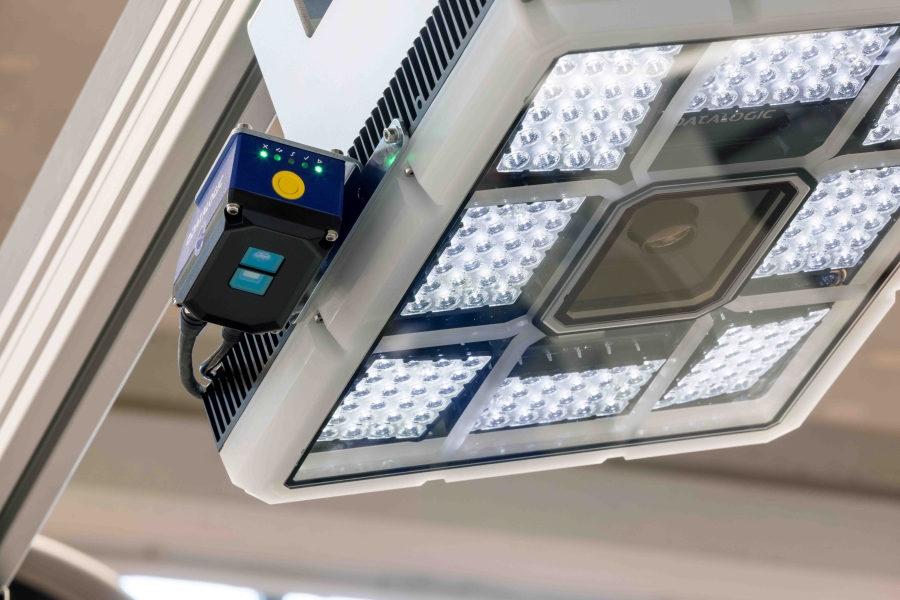
Dynamic focus - stable reading with varying product height
One of the most common problems in vision systems is the variable height of products. Cartons, packages, plastic bags and other objects do not always travel on a conveyor in a predictable manner. If the focus is not matched to the object, the quality of the reading decreases.
The Matrix 830/930 series offers several focusing methods, including dynamic focus, sequential focus and software setting. An integrated distance sensor to support focusing is also available on select configurations.
For the user, this means greater reading stability with different product sizes and simpler system design. In DWS applications, the scanner can cooperate with elements responsible for weighing and dimensioning, while the choice of architecture itself should always be based on process requirements.
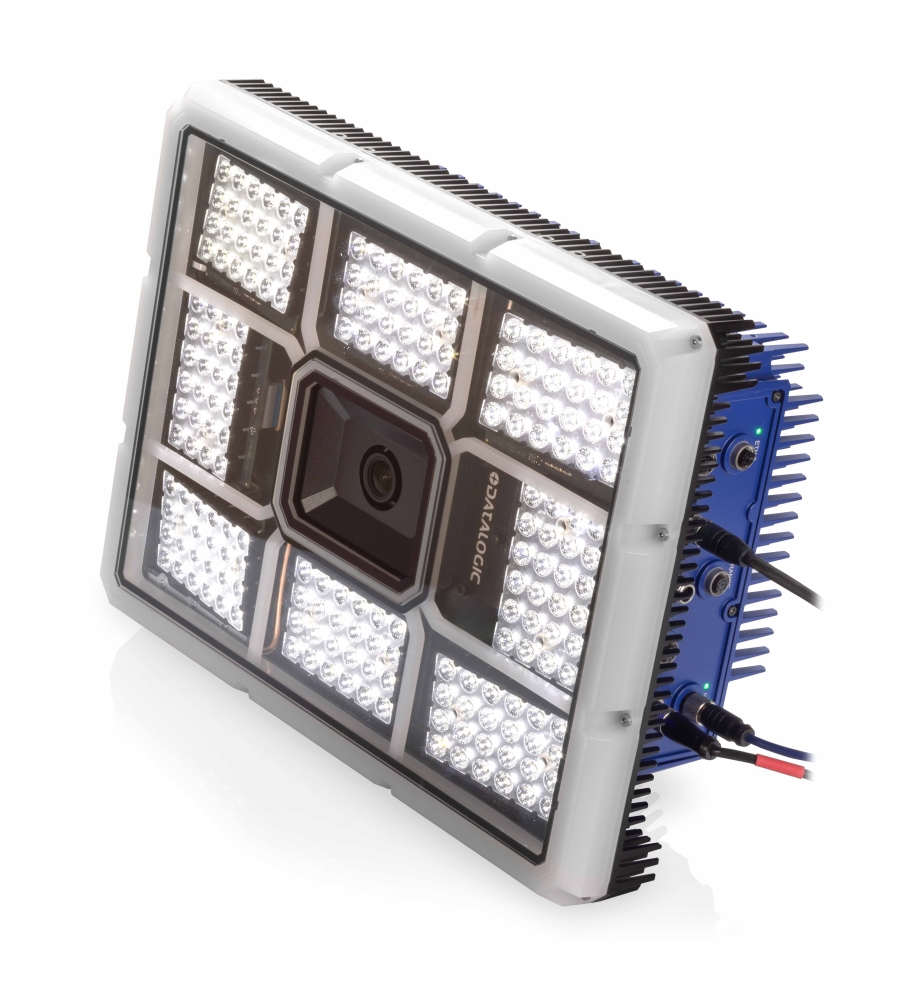
Matrix 830 - when will it be the best choice?
The Datalogic Matrix 830 is a very powerful option for most common applications in logistics, manufacturing and distribution centers. The 16 MP sensor gives a large field of view while keeping the cost of the system reasonable.
The Matrix 830 is worth considering when the application is for standard cartons, packages or products on a conveyor, and stable readout, simplicity of installation and reduction in the number of devices are key.
- courier sorters and transport lines
- DWS systems and carton scanning on the conveyor
- Receipt and dispatch of goods at the distribution center
- traceability in manufacturing
- applications where advanced image analysis is not required
In many projects, the Matrix 830 will be the most rational choice: it provides high reading efficiency, simplifies installation and fits well into standard logistics automation processes.
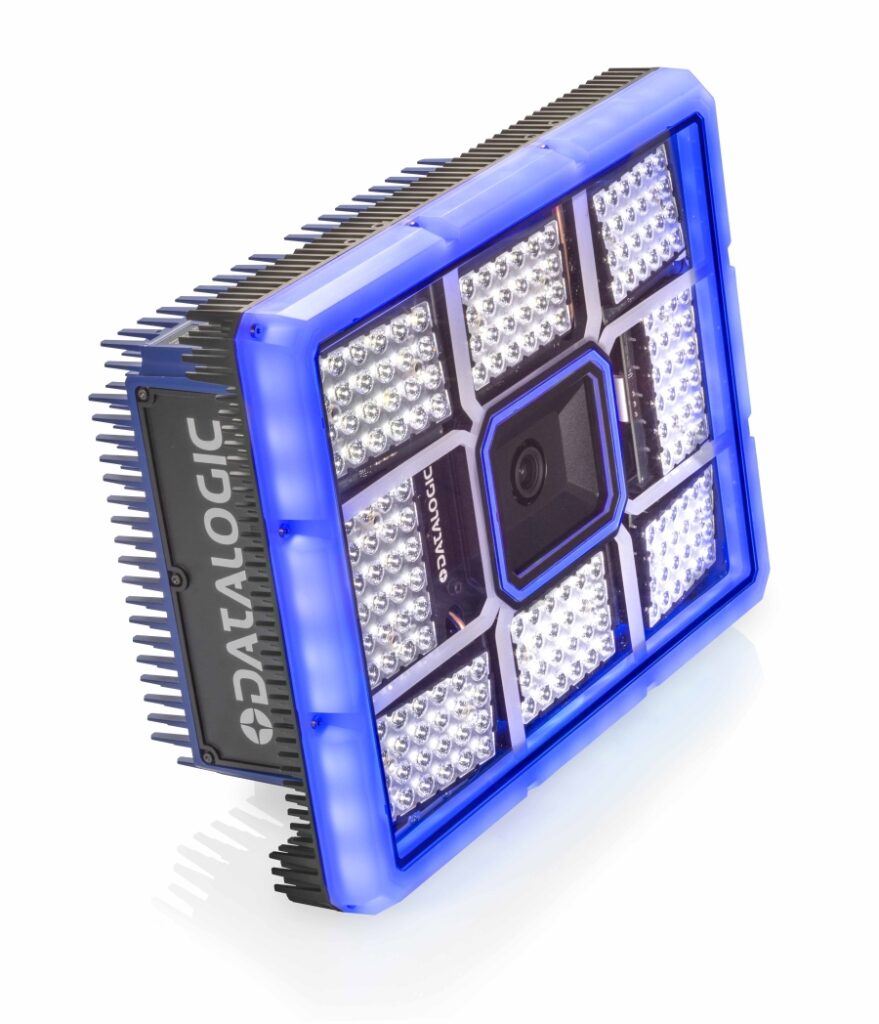
Matrix 930 - when is it worth going a level higher?
The Matrix 930 is the solution for more demanding applications. The 28 MP sensor allows for a larger field of view and greater image detail, which is important for small codes, wide conveyors, high information density and more difficult labels.
This model is worth considering especially where there are films, creases, dirt, non-standard label positions, very small 2D codes, or the need for additional features beyond standard code reading.
The Matrix 930 Premium version also paves the way for more advanced image analysis features, such as OCR, tag recognition and parcel classification.
This direction is particularly important for companies that want to build a system not only for today’s volumes, but also for future warehouse automation requirements.
Criterion | Matrix 830 | Matrix 930 |
Resolution | 16 MP | 28 MP |
Best use | Most standard logistics and manufacturing applications | The most demanding high-speed applications, wide fields of view and small codes |
Level of complexity of the process | Typical cartons, packages, DWS lines, traceability | Difficult labels, wide conveyors, higher data density, OCR and image analysis |
Business objective | Stable reading and optimal system cost | Maximum efficiency, greater flexibility and readiness for beyond barcode functions |
What does this mean for business?
From the customer’s perspective, the most important thing is not how many megapixels the scanner has, but what makes a difference in day-to-day operations. Implementing a properly designed system with a Matrix 830 or Matrix 930 can have several tangible effects.
Lower total system cost
Fewer devices, less wiring, fewer mechanical components and fewer service points mean a simpler system and a lower cost of implementation and maintenance.
Higher line efficiency
Better reading efficiency, the ability to work with smaller parcel spacing and more efficient image processing translate into more operations per hour.
Less manual labor
Every no-read is a potential operator intervention. The more efficient the scanning, the fewer exceptions, less downtime and fewer adjustments to the warehouse system.
Easier integration
A modern industrial scanner must communicate with automation, WMS, ERP or MES systems. The Matrix 830/930 series is designed for industrial integration, configuration via a web interface and monitoring of system performance.

Bottom line: is this the moment for change?
If volumes are growing, read errors are occurring, operators need to intervene more and more, and the current system can’t keep up with logistics or production, it’s a good time to review the scanning architecture.
The Datalogic Matrix 830 and Matrix 930 show the direction in which automatic identification is evolving: fewer devices, higher resolution, simpler integration and more intelligence on the side of the system itself.
If you want to see if such a solution makes sense for your process, start with a line analysis. We can verify the current layout, identify areas for optimization and select technology that will realistically improve throughput, read stability and data quality in the WMS.