
2D code development includes retail market and supply chain
2D codes are becoming one of the most important developments in automatic product identification, warehouse logisticsand commerce. The GS1 organization (a global provider of standards related to barcodes and 2D codes) indicates that the development of 2D codes includes the retail market and the supply chain, with the goal of a broader readiness for their use in sales and logistics operations.
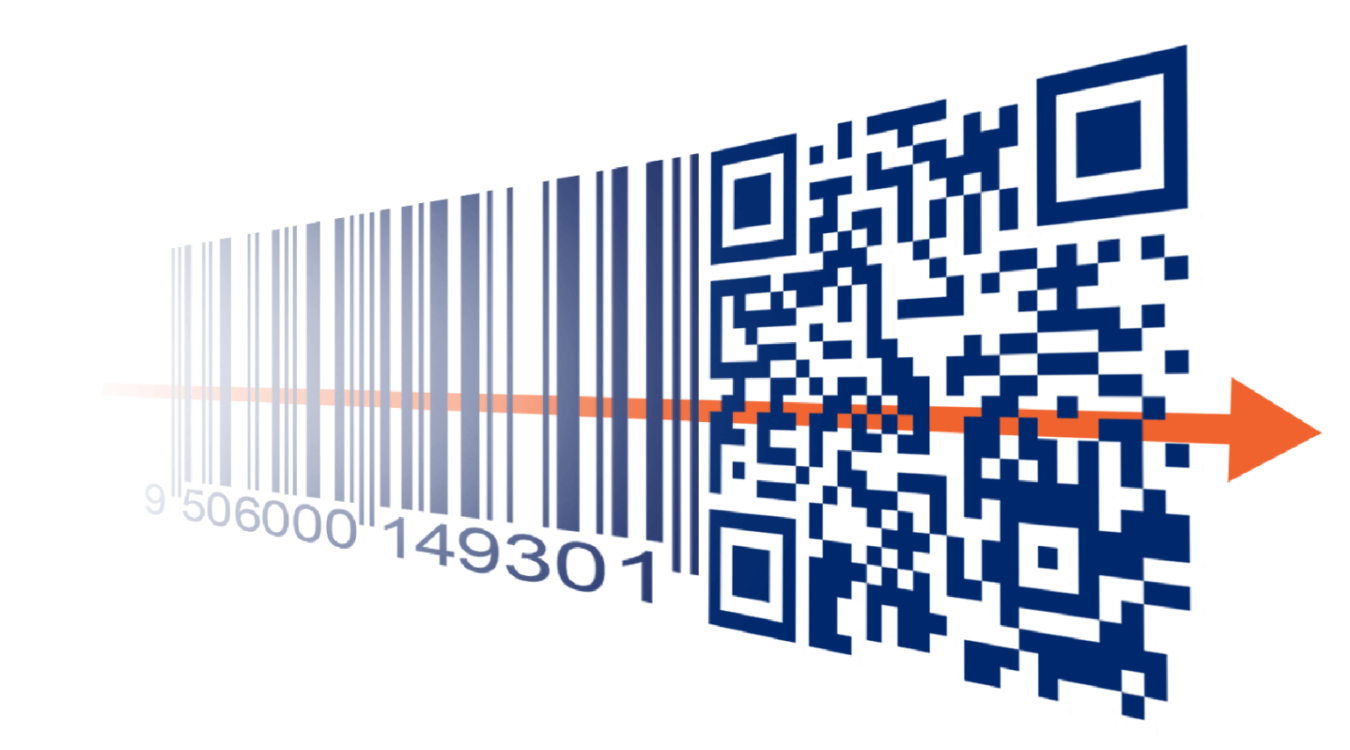
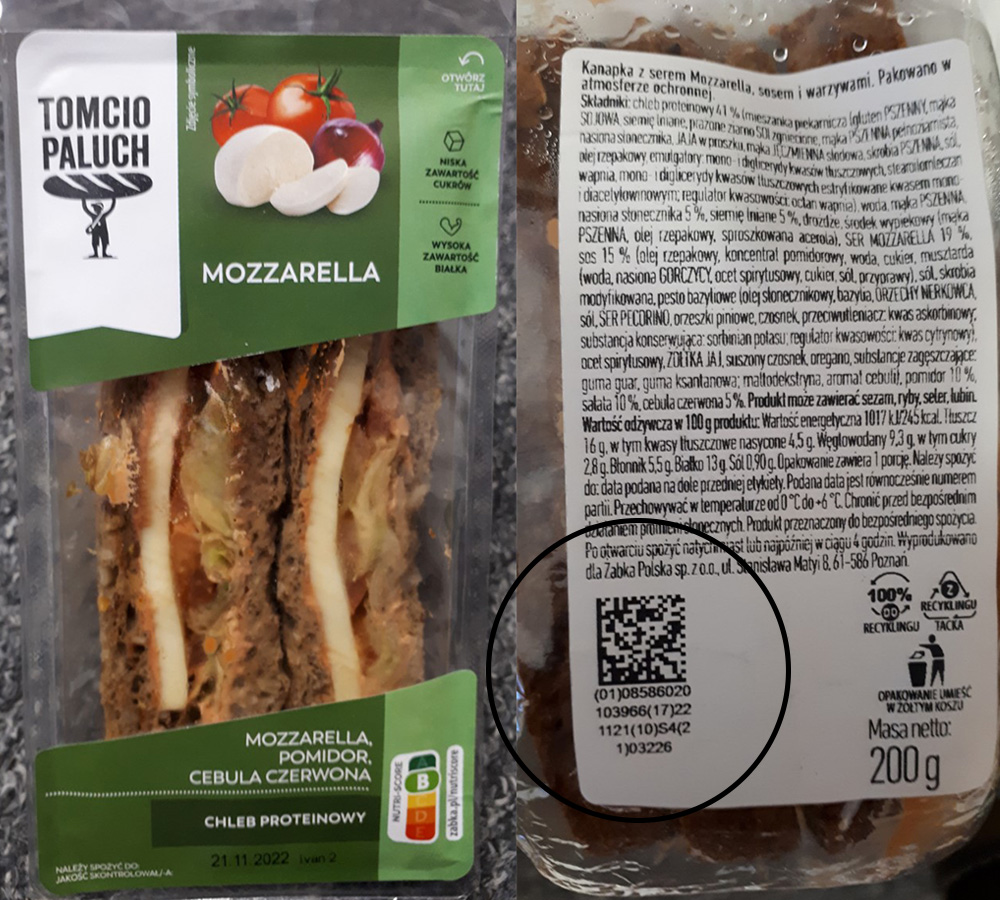
In practice, this means a shift to more capacious and flexible markings that can contain much more data than traditional 1D barcodes . GS1 says that 2D codes can store, among other things, the GTIN number, expiration date, lot number and data associated with GS1 Digital Link.
What 2D codes change
For manufacturers, distributors and logistics operators, 2D codes mean better traceability, more data in a single symbol, and the ability to automate processes more efficiently.
GS1 stresses that 2D solutions support the tracking of lots, dates and product information, which is both operationally and qualitatively important in WMS and e-commerce environments.
For the end customer, this means easier access to product information, greater data transparency and the ability to connect the physical world with digital content. This is an important step toward modern brand communication and more informed purchasing decisions.

Customer benefits
The most important benefits of implementing 2D codes are:
- more data written in a small area, which is important for small self-adhesive labels and packages
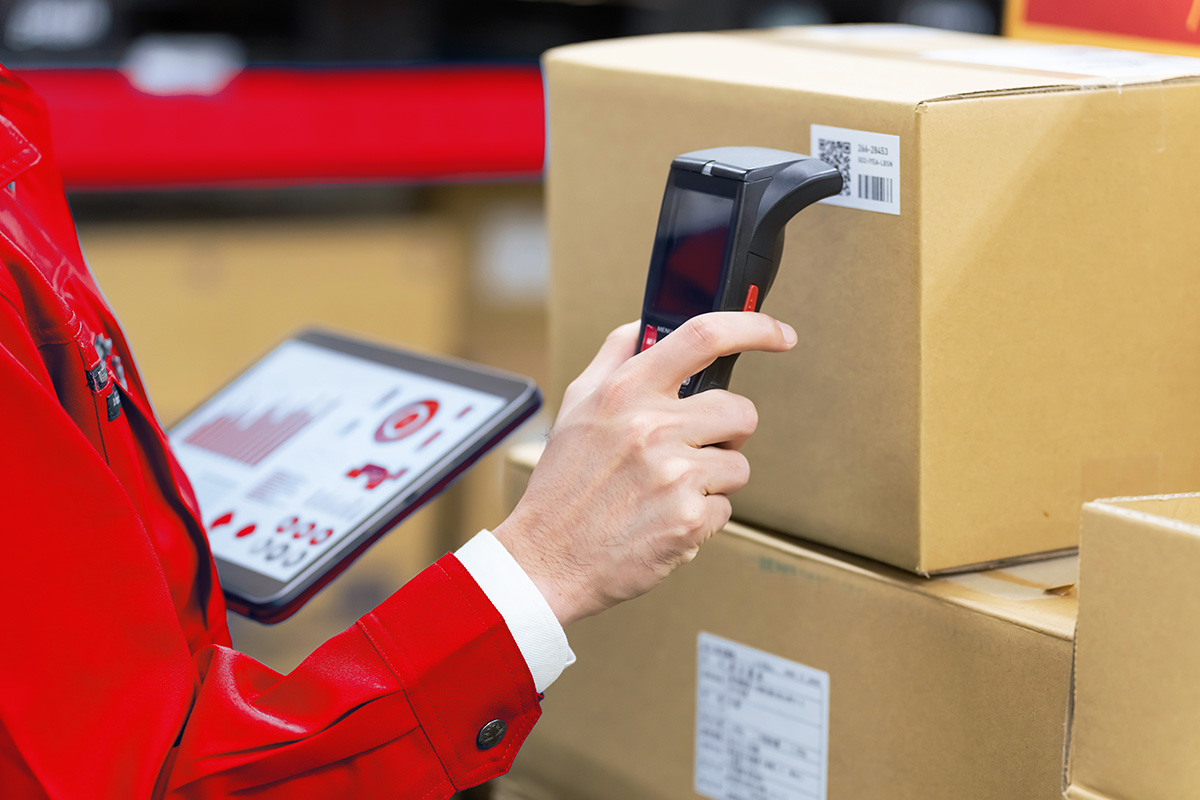
- Faster and more reliable identification of products, batches and expiration dates using code scanners and mobile terminals
- Better traceability in warehouse logistics, production and trade
- Ability to redirect the user to online content with GS1 Digital Link
- greater resistance of 2D codes to partial damage compared to classic linear markings
From a business perspective, this means fewer errors, better data quality and greater readiness to meet growing market demands. Where precision and speed matter, the advantage of well-implemented auto ID solutions becomes very tangible.
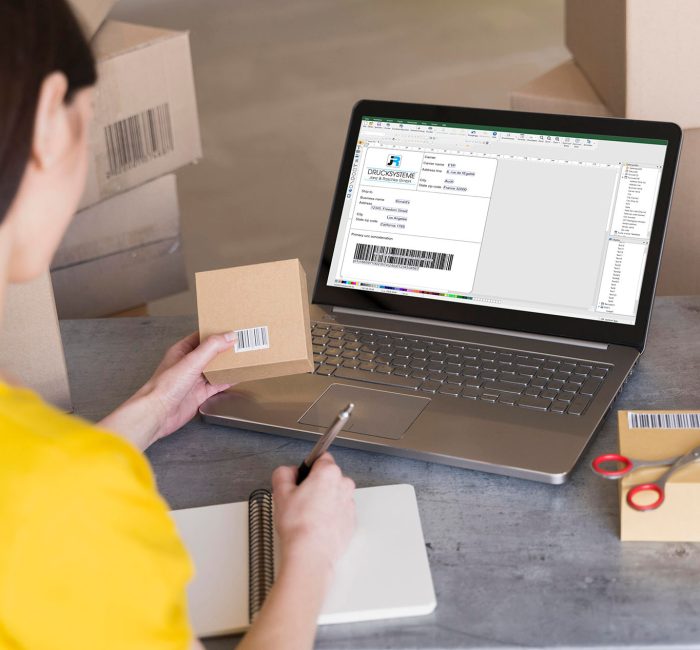
How TEKLYNX supports daily operations
Changing symbology alone is not enough without the right label design and print management software. HKK-Group, in partnership with TEKLYNX, offers barcode and label development solutions, including support for QR, Data Matrix, PDF417 and MaxiCode, as well as features to support compliance with industry requirements.
In practice, this means convenient work for production, logistics and quality departments that handle multiple label variants, variable data and different customer requirements on a daily basis. The TEKLYNX suite of solutions is used to design labels in accordance with GS1 standards and to manage bulk printing in environments with multiple label printers and different label variants.
Key operational benefits include:
- Designing labels in accordance with GS1 standards
- 2D code handling in modern automatic identification processes
- Easier management of multiple versions of labels (including language and formal versions)
- Support for mass printing in environments with extensive device infrastructure
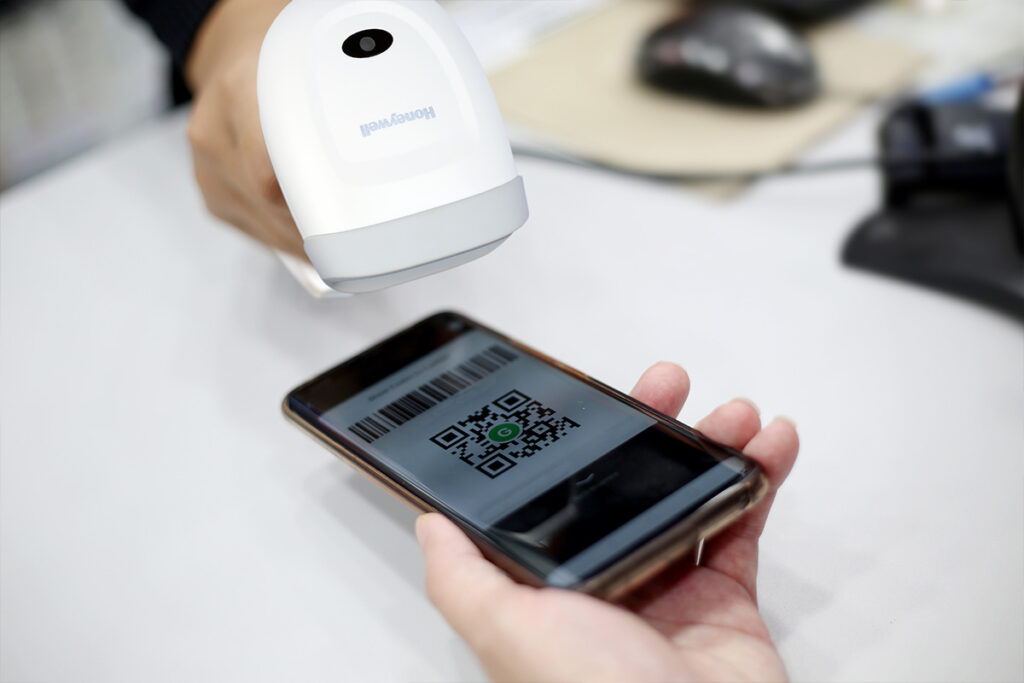
Hardware ready for 2D standard
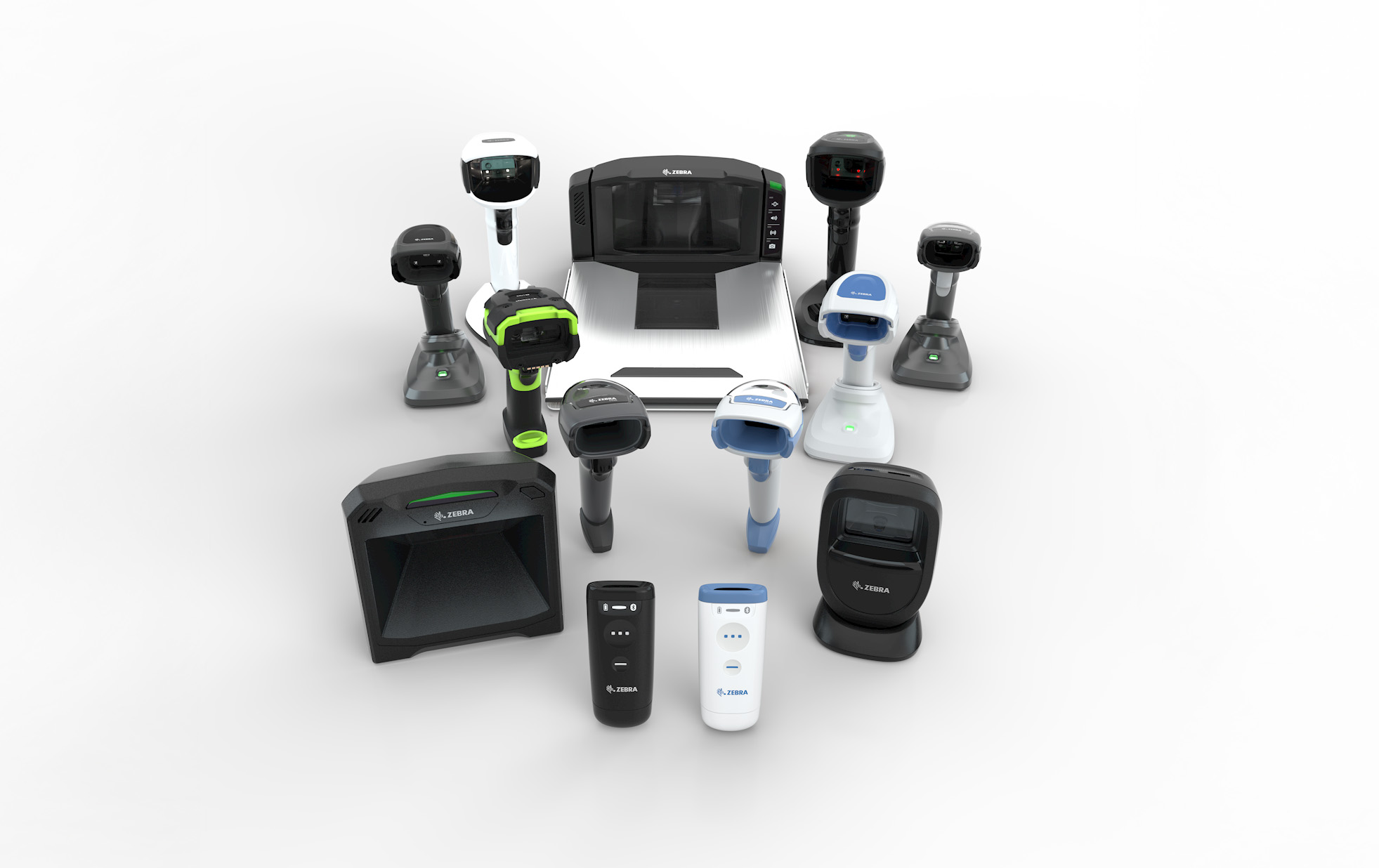
Successful implementation of 2D codes requires not only the correct label design, but also the right printing and scanning equipment. Technology partner Zebra develops equipment for printing and reading codes, including code scanners, label printers and mobile terminals.
HKK-Group offers auto ID solutions to support identification processes in warehouses, production and logistics. Properly selected data collectors, WMS systems and auto ID devices make the organization’s preparation for the implementation of 2D codes an orderly and efficient process.

HKK-Group's role in 2D implementations
HKK-Group has been supporting the optimization of warehouse logistics and production processes for 30 years, and operates in the areas of IT systems, Auto ID, marking, digital printing, warehouse automation and equipment service.
Such broad competencies make it possible to combine GS1 standards, label software, and printing and reading hardware into one cohesive implementation. This allows companies to prepare for change not only technologically, but also process-wise.
The implementation of 2D codes then becomes part of a real improvement in efficiency, data quality and customer service, rather than just a change in labeling format.

Where and how to get started?
A good starting point is to analyze current labeling, customer requirements and the capabilities of the printing and scanning infrastructure. Then it is worth choosing the right label model, design tools, reading devices and rules for compliance with GS1 standards.
In this approach, 2D codes are not a fad, but a practical tool for building operational advantage. That’s why more and more companies are treating it not as the future, but as a very close daily reality.