
Shortcuts
- What is a Digital Product Passport (DPP)?
- What information does the Digital Product Passport contain?
- What are the obligations of businesses regarding the Digital Product Passport?
- What benefits does the Digital Product Passport offer consumers?
- The Impact of the Digital Product Passport on Supply Chains and E-commerce
- Timeline for the Rollout of the Digital Product Passport
What is a Digital Product Passport (DPP)?
A Digital Product Passport (DPP) is an electronic document that collects data on a product’s origin, composition, recyclability, and life cycle. The virtual label is designed to ensure full transparency in the supply chain. It is a great help to consumers and manufacturers who are looking for eco-friendly products.
Digital Product Passport – Regulation
The DPP is being implemented in the European Union pursuant to Regulation (EU) 2024/1781 on ecodesign for sustainable products (ESPR). These regulations place a strong emphasis on the circular economy and on designing products that are more durable, easier to repair, and suitable for recycling.
How does a digital product passport work?
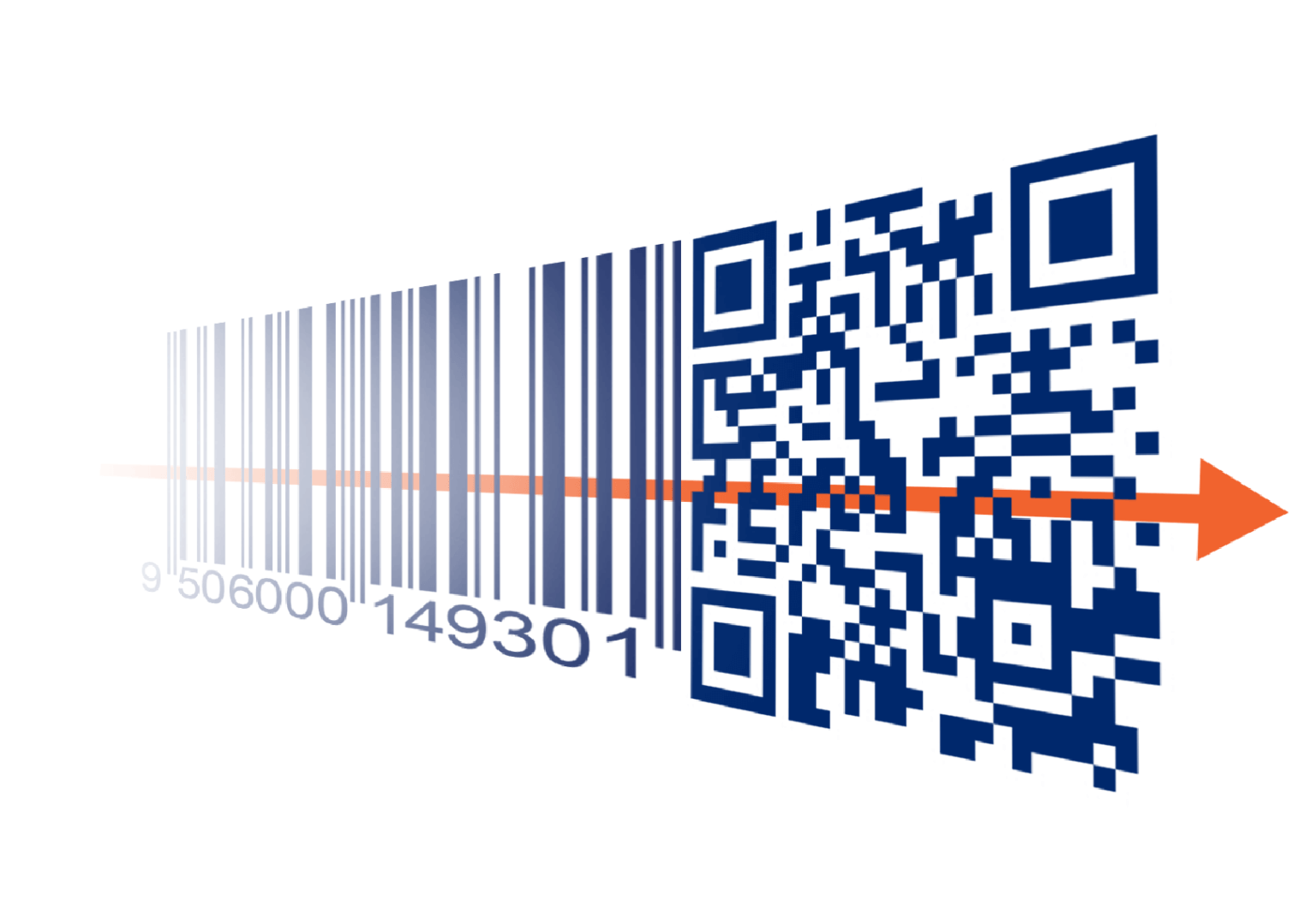
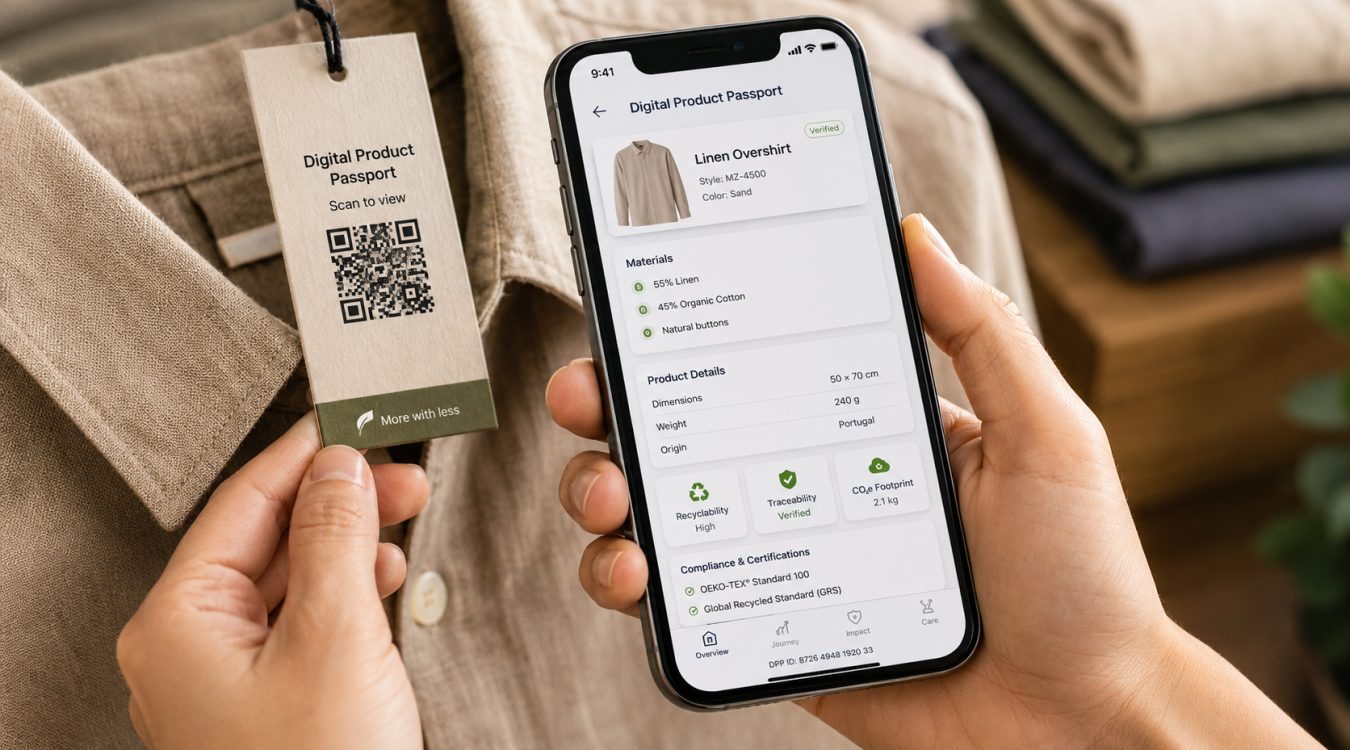
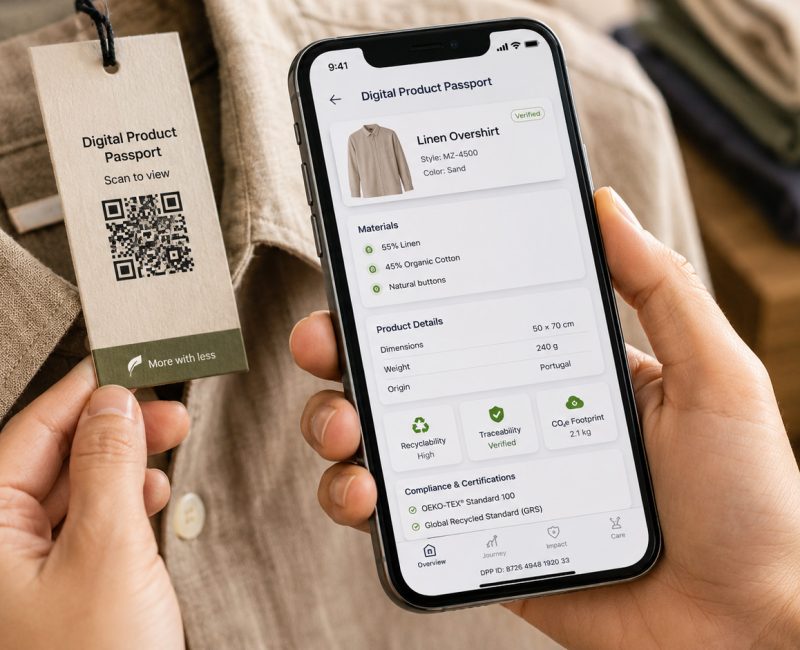
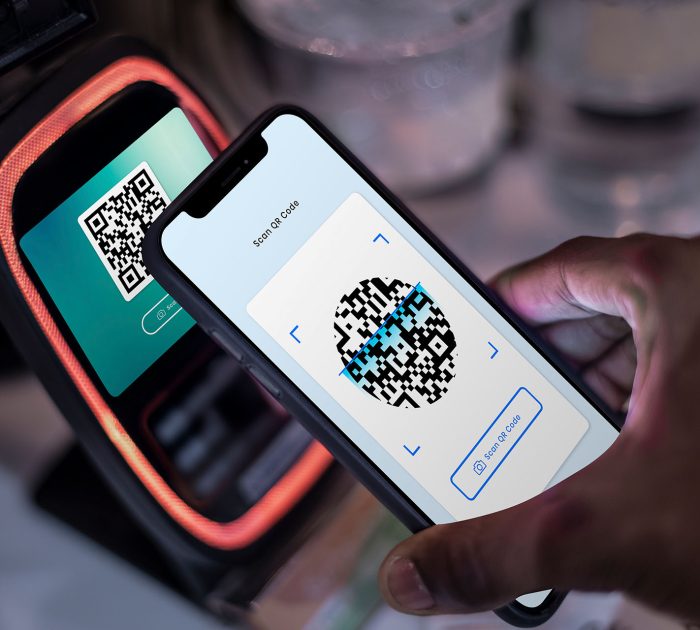
After scanning a code on a product—such as a QR code—each user will be able to immediately verify information about the product’s ingredients or carbon footprint on their smartphone. Pointing the phone’s camera at the code will display a link leading directly to a web browser, which connects to a secure cloud database maintained by the manufacturer or on an EU platform. The link contains a unique identifier, allowing the system to recognize that specific item or batch of material and display its digital profile (dashboard).
What information does the Digital Product Passport contain?
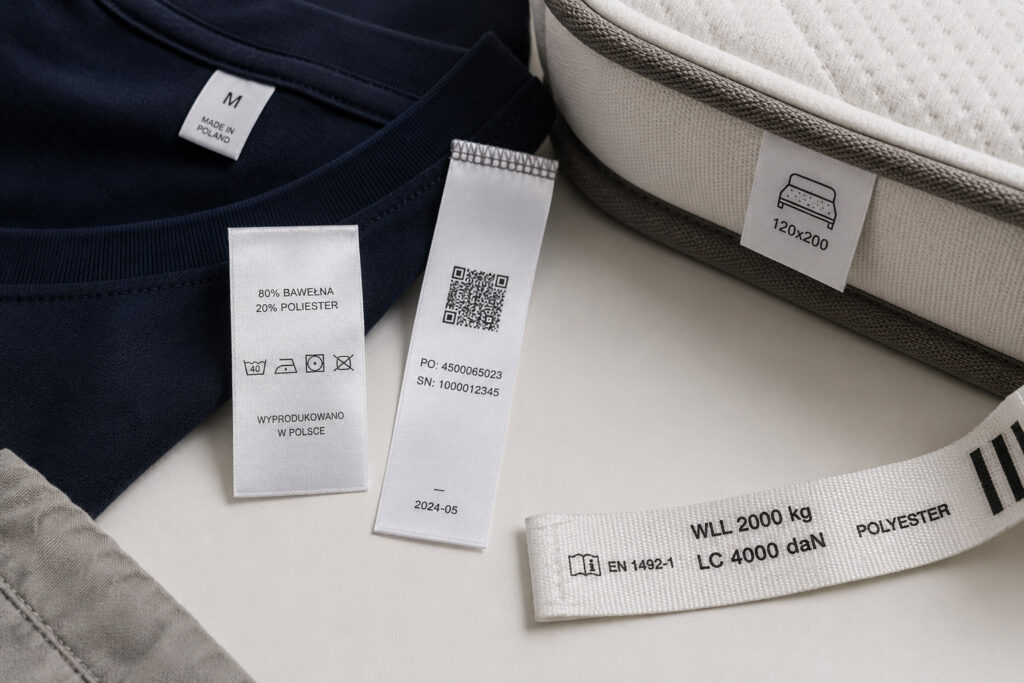
The EU Digital Product Passport will contain standardized data that will make it possible to trace a product’s complete history from the sourcing of raw materials, through production and use, all the way to its disposal. The scope and format of this information are strictly defined by EU guidelines. This will make it easy to compare products on the European market.
The DPP passport will contain the following information:
- Product Identification and Origin – this information allows for tracing the product’s origin, as well as details regarding its manufacturing and supply chain.
- Composition and Materials – a detailed list of raw materials and components used, including the percentage of recycled materials and a list of hazardous substances.
- Carbon Footprint – accurate calculations of energy and water consumption, as well as greenhouse gas emissions generated throughout the entire production and transportation process.
- Operating, Disassembly, and Repair Instructions – these are most often instructions for use, warnings, and information regarding the safe use of the product.
- Compliance Information – digital declarations of conformity, certificates, and technical documentation confirming compliance with legal requirements, such as CE marking.
- Recycling and Disposal Procedures – guidelines for sorting facilities and waste treatment plants, specifying how to safely sort, process, and recover individual components.
What are the obligations of businesses regarding the Digital Product Passport?
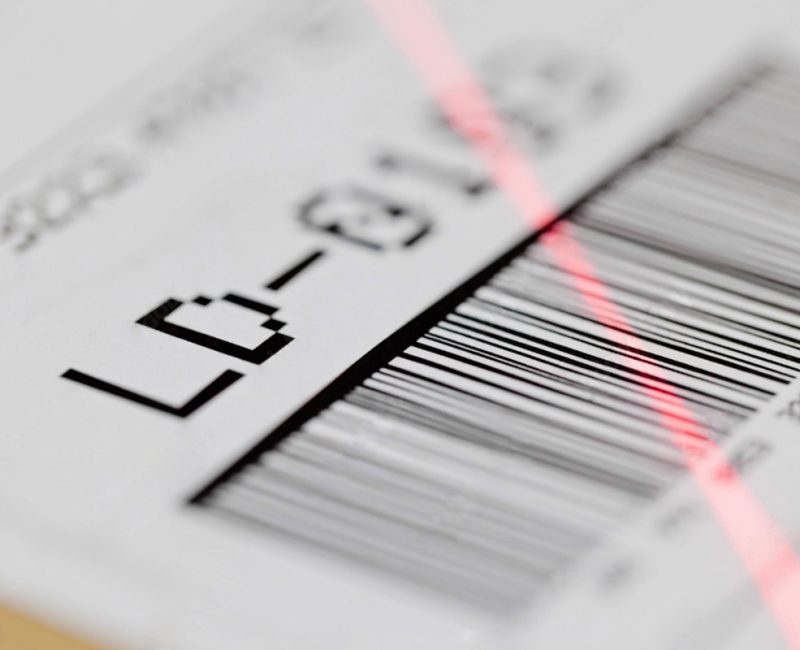
A digital product passport is very convenient, but it also entails certain obligations. These primarily concern the need to collect and share digital data on the composition, origin, and life cycle of products via a data carrier, such as a QR code, and registration in the EU system.
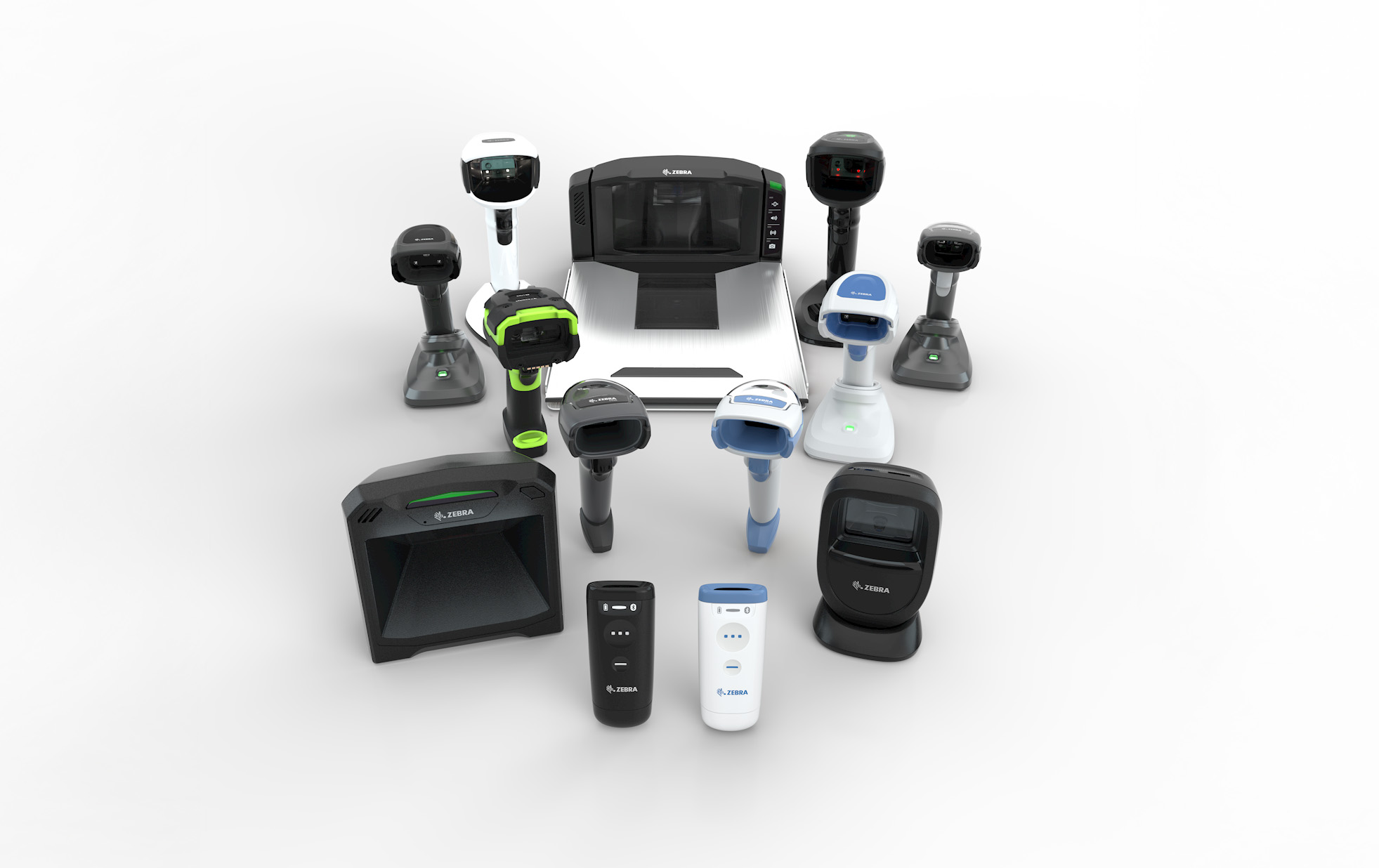
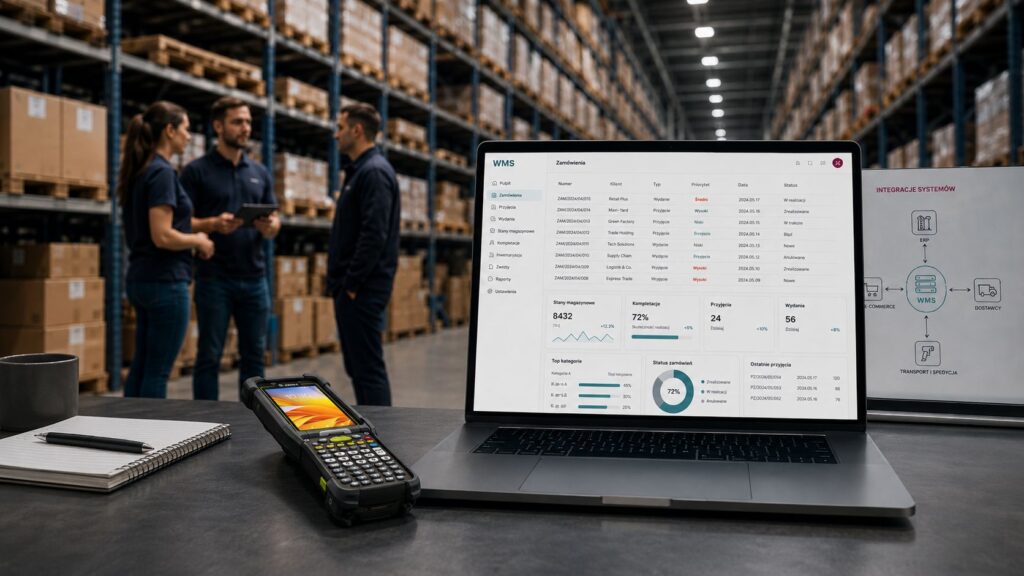
This obligation will apply to manufacturers, importers, and distributors in specific industries who place goods on the European Union market. Among other things, modern WMS system, which automatically records the history of goods movement and facilitates the quick generation and scanning of required DPP labels in the warehouse.
What benefits does the Digital Product Passport offer consumers?
The introduction of the DPP digital passport is a huge convenience for customers. This way of presenting key product information ensures that consumers know what they are buying and they no longer have to search for information hidden in the fine print on product leaflets or on manufacturers’ websites. The DPP digital product passport also allows users to:
- making informed purchasing decisions based on reliable data,
- verifying the authenticity of the product and avoiding counterfeits,
- quick access to information about the ingredients and safe use,
- easier repairs and a longer product lifespan,
- proper disposal of the product at the end of its useful life,
- easier product comparison,
- raising awareness of the environmental impact of products.
The Impact of the Digital Product Passport on Supply Chains and E-commerce
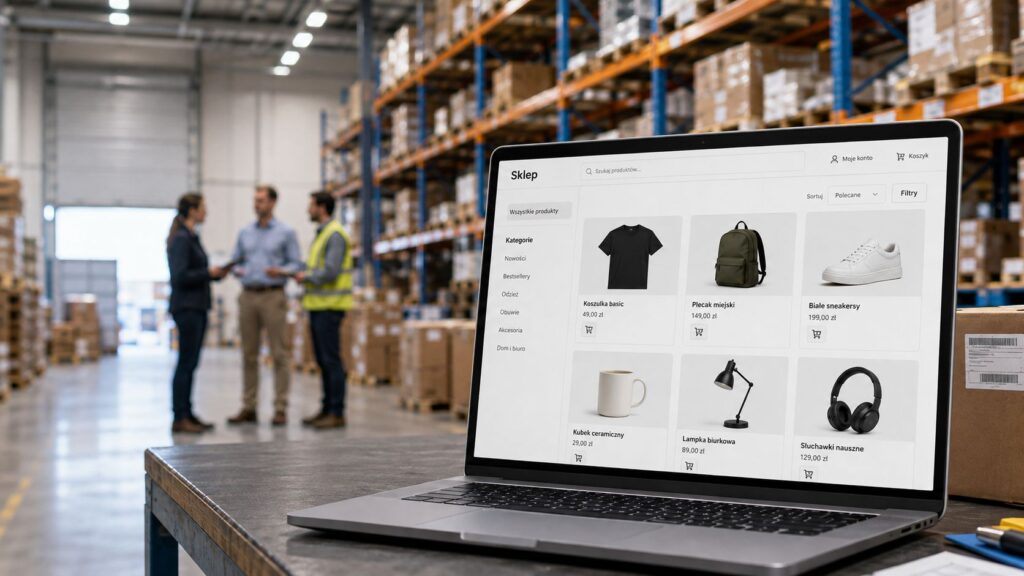
The DPP (Digital Product Passport) is a true revolution for companies that manage supply chains. It provides easier access to data on the origin, composition, and status of goods. Linking a digital product passport to identification technologies, such as RFID, allows for more accurate tracking of products through the various stages of warehousing and distribution.
Its use significantly improves the flow of information, which can have a positive impact on processes such as inventory management, e-commerce order fulfillment, and data exchange between partners.
Such supply chain optimization It limits the number of manual operations and reduces the risk of errors. This, in turn, allows save time spent on handling logistics processes and can help reduce the costs associated with inventory management.
Timeline for the Rollout of the Digital Product Passport
The digital product passport is being introduced in phases. The official EU registry went live on July 19, 2026. The implementation schedule for each industry is as follows:
- July 19, 2026 – iron and steel,
- 2026–2029 – energy-related products,
- February 18, 2027 – batteries,
- 2027 – textiles, tires, and aluminum,
- 2028 – furniture,
- 2029 – mattresses and ICT equipment.
So it’s a good idea to start preparing for these changes today and implement systems that enable the efficient collection and exchange of product data. Our experts They will help you tailor WMS systems, RFID solutions, and automatic identification devices to the specific nature of your business.