

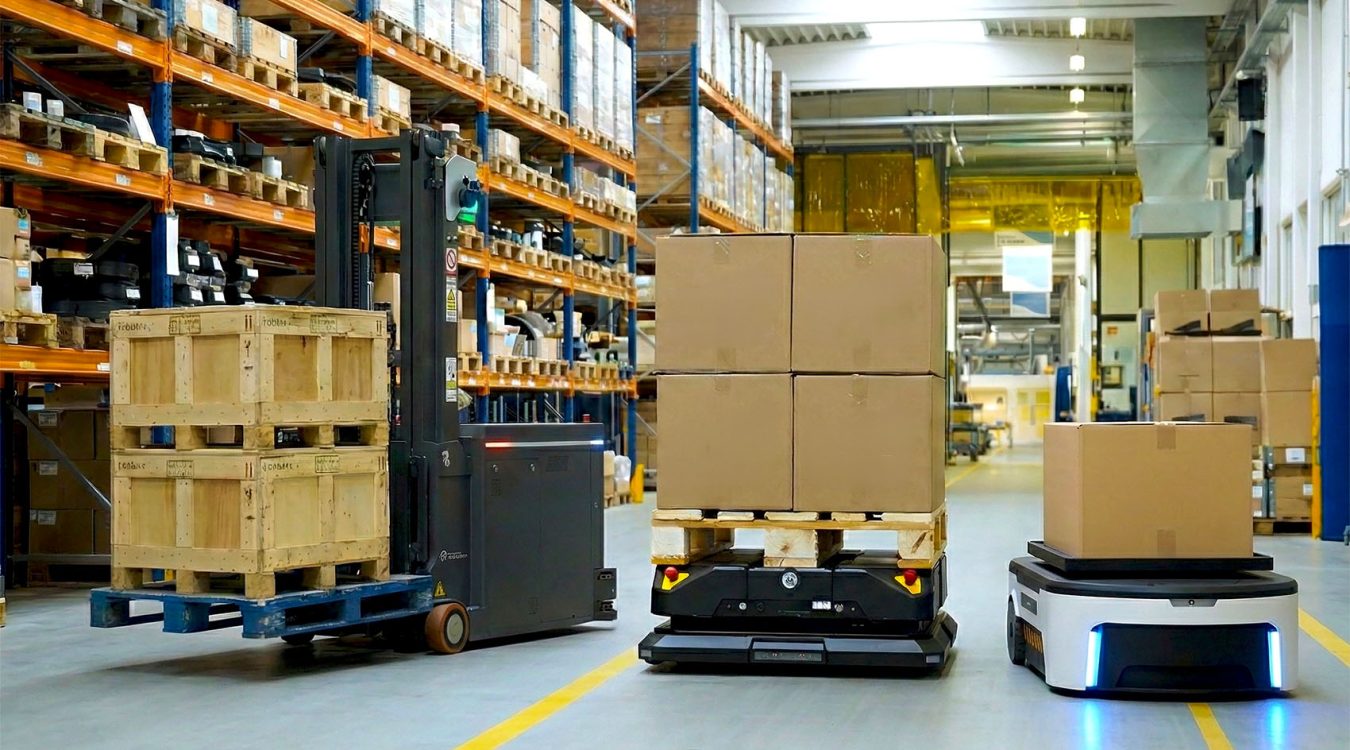
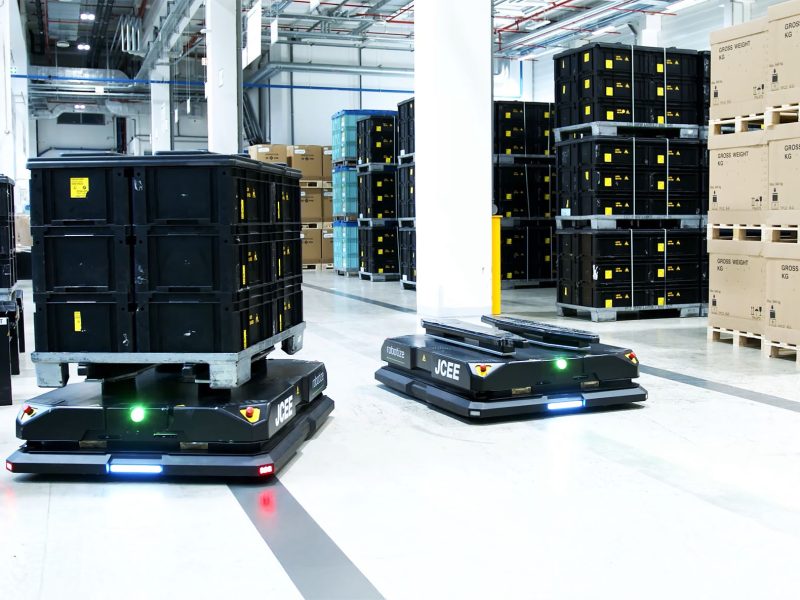
Why does AMR win over AGV in a modern warehouse?
Navigation and flexibility
AGVs move along pre-programmed, rigid routes – physical or virtual – and in practice are unable to react independently to changes in the environment. AMR robots use environment mapping (SLAM), lasers and cameras to dynamically plan a route and avoid obstacles in real time. As a result, changing the layout of the warehouse does not require interfering with the infrastructure, only updating the configuration in the system.
Implementation and modification costs
AGV systems require preparation and maintenance of the guiding infrastructure, which increases costs and makes later changes difficult. AMRs rely mainly on software and integration with WMS systems or ERPso that modifications to routes, pick-up points or load handovers can be implemented from within the system, without construction work. In many implementations, this translates into a faster return on investment.
Mixed traffic work
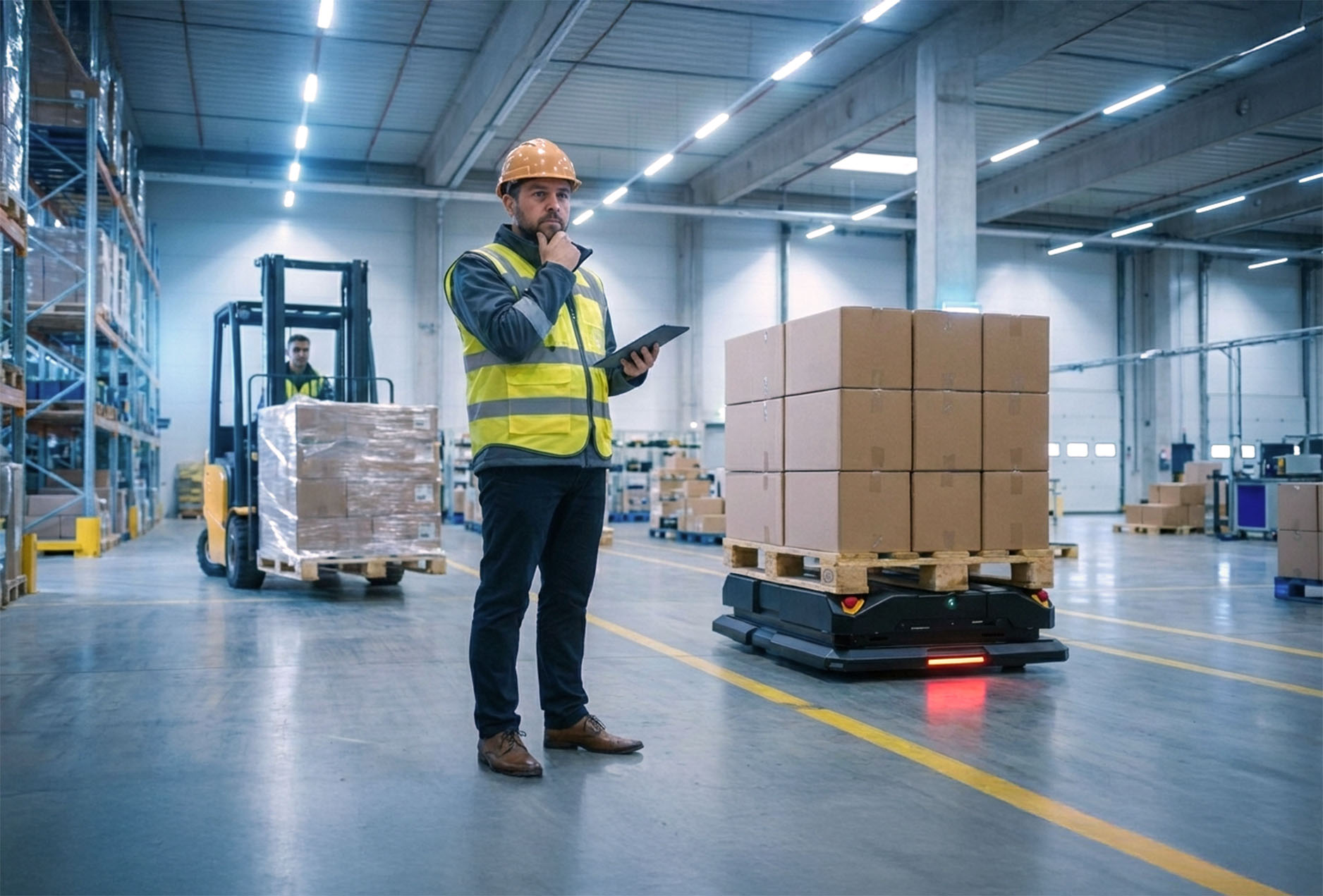
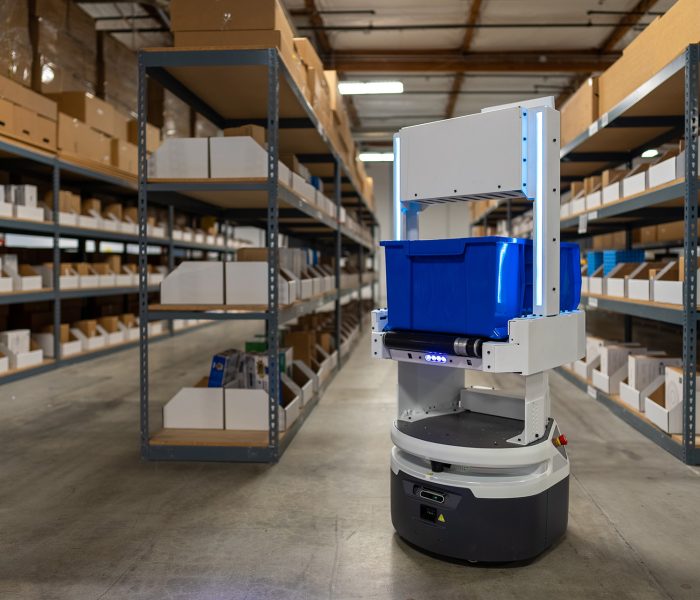
In environments where people, forklifts and other machinery work simultaneously, classic AGVs often stop at any unforeseen obstacle. AMRs can slow down, re-plan a route or avoid an object, reducing downtime and improving safety in a real, “live” warehouse.
Scaling up and expanding the fleet
Expanding an AGV system usually means interfering with the entire control logic and infrastructure. In the case of AMR, capacity expansion most often involves adding more robots to the fleet and adjusting the dispatcher’s rules, making the development of warehouse automation much easier.
Maintenance and TCO
Although a single AMR robot can sometimes be more expensive than an AGV, the lack of guiding infrastructure reduces maintenance costs in the long term. As a result, the total cost of ownership (TCO) in the medium to long term often proves to be lower than that of classic AGV systems.
However, it is worth noting that AGVs are still used in very stable, repetitive processes, where the layout does not change for years and the priority is simplicity and repeatability of movement.
Autonomous mobile robots (AMR) are increasingly replacing classic AGV systems in modern warehouses and manufacturing plants. The differences between these technologies are not just about navigation, but directly affect the flexibility of operations, the cost of deployment and the scalability of warehouse automation.
When to choose AMR with a platform (without forks)?
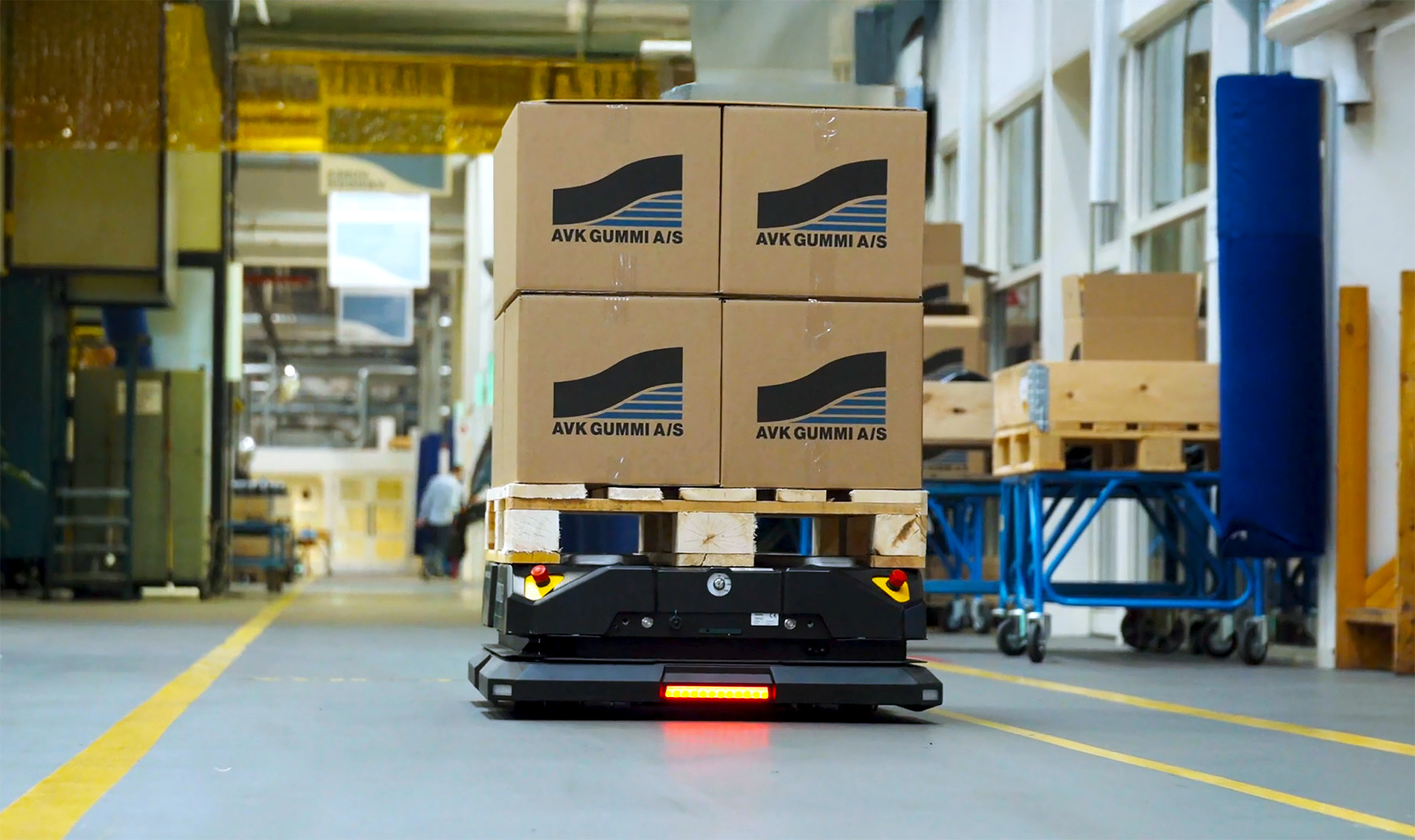
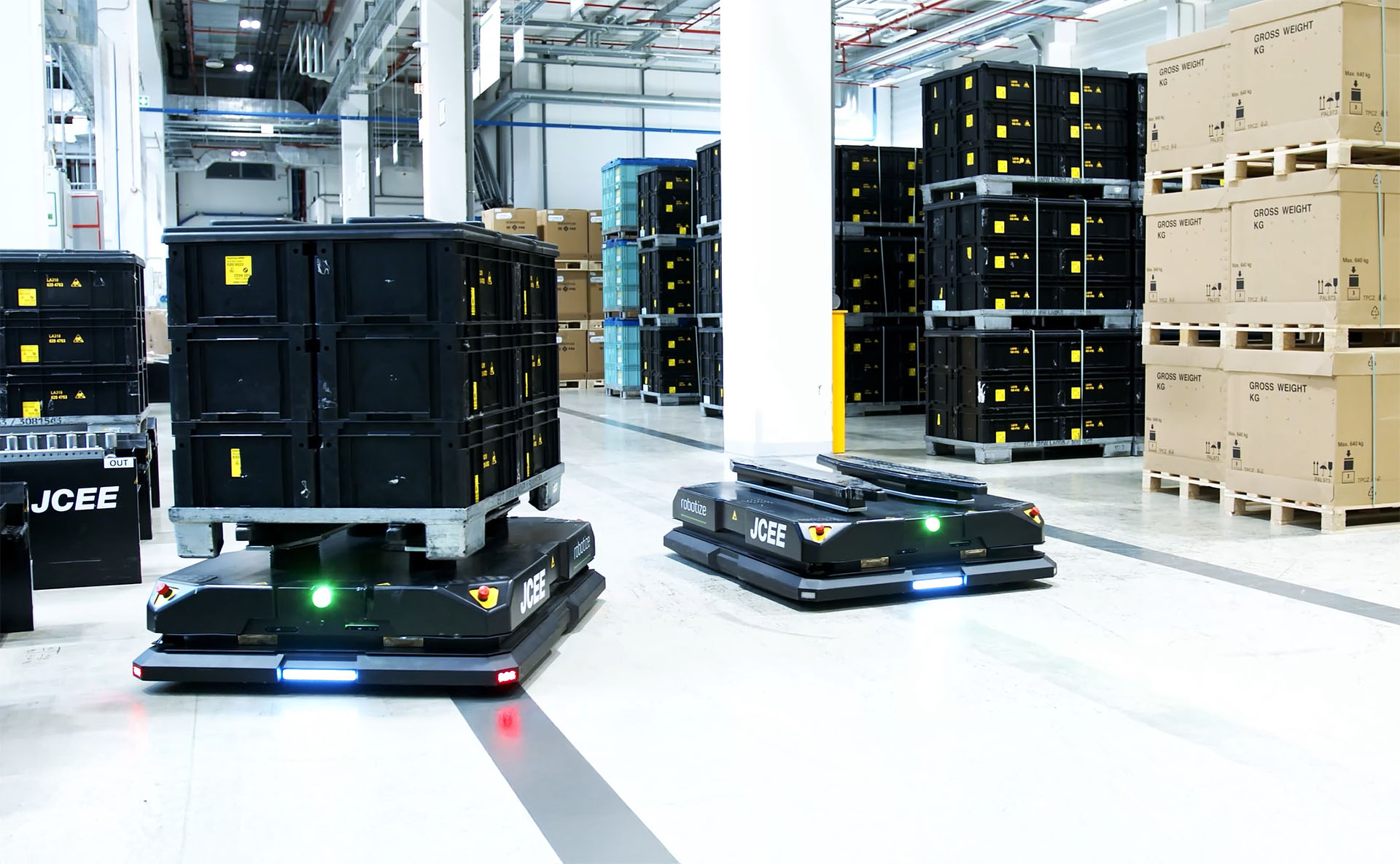
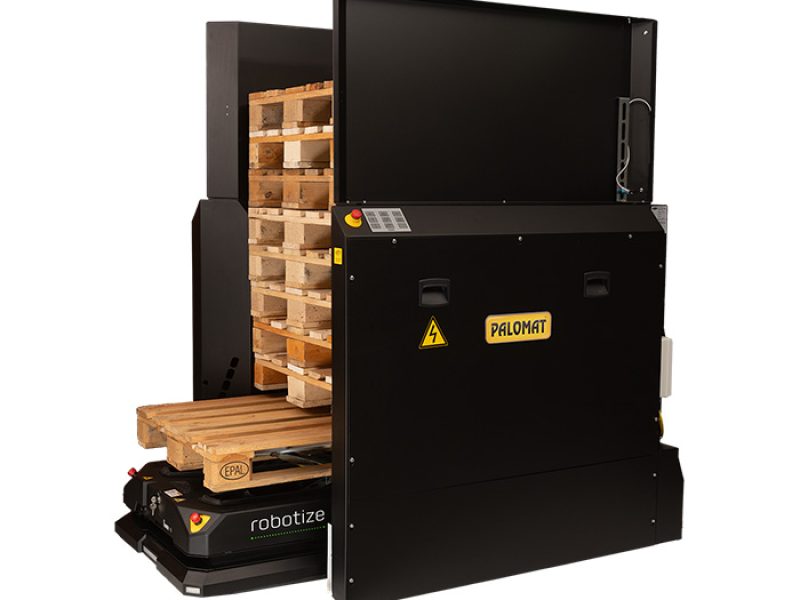
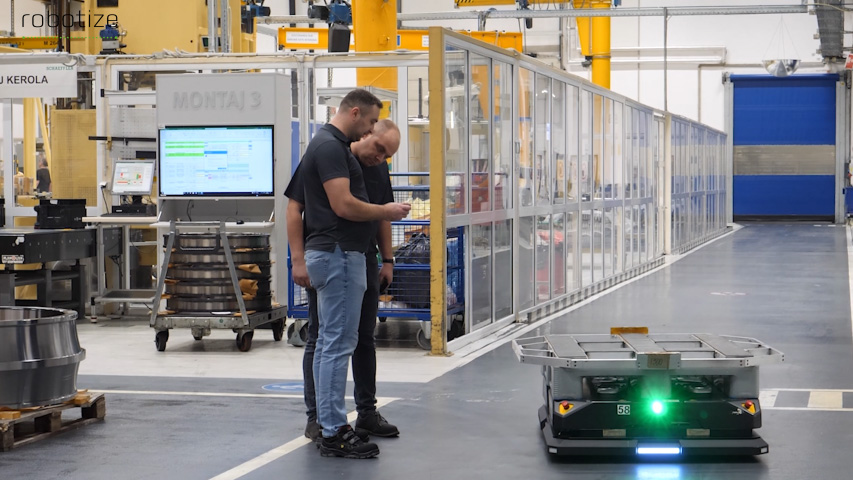
Platform AMR, also known as pallet AMR, performs pallet transport mainly at floor level – it pulls up under the load and lifts it minimally or carries it on board a robot.
It works especially well where:
- Transport is carried out between production zones, buffers, docks or quality control areas, without depositing on higher levels of racks,
- The magazine is characterized by heavy mixed traffic and frequent layout changes,
- loads are standard, with repeatable dimensions and weights,
- The goal of automation is to relieve operators from repetitive “running with the pallet.”
A typical example is a production line, where AMR picks up full pallets from under the line, transports them to the foiler or shipping area, and then distributes the empty pallets back to the work slots.
When to choose an AMR with forks (forklift AMR)?
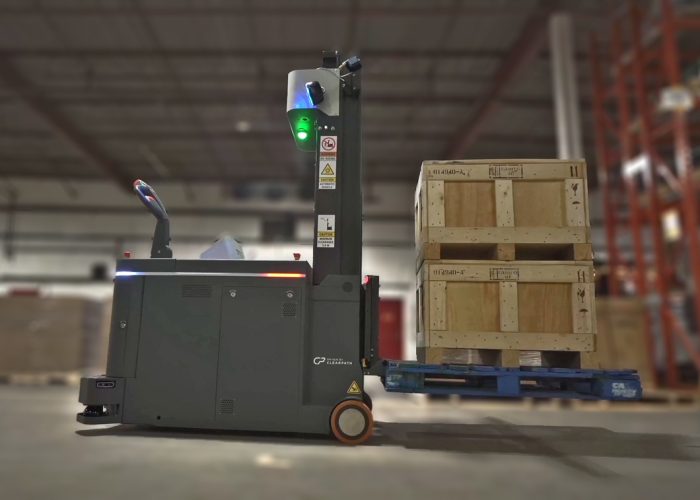
The Forklift AMR is the autonomous equivalent of a forklift, equipped with a mast and forks that allow work at heights of several meters.
This solution makes sense when:
- The warehouse uses high-bay racking and automatic pallet placement and retrieval is key,
- operations include not only horizontal transportation, but also ground-to-height work,
- The loads handled are heavier, taller or require more stability,
- The goal is to reduce manual labor in high-risk areas such as high storage aisles and heavy production areas.
In such conditions, the AMR forklift allows you to fully take over the tasks of a classic forklift, increasing safety and repeatability of operations.
Comparison: platform AMR vs. forklift AMR
The following summary organizes the most important criteria for choosing between the two types of autonomous robots:
Criterion | AMR Platform | Forklift AMR |
Type of movement | Ground-to-ground between zones | Ground-to-height, racking work |
Environment | Mixed traffic, frequent layout changes | Rack corridors, controlled routes |
Height of work | Floor level | 2-6 m (depending on the model) |
Loads | Standard pallets | Heavier and high loads |
Business objective | Relieving operators from transport | Full storage automation |
Summary
AMRs are a natural step in the development of of warehouse automation compared to classic AGVs, offering greater flexibility, better adaptation to changing conditions and a more favorable total cost of ownership in the long term. The choice between an AMR platform and an AMR forklift should be based directly on the nature of warehouse operations, the type of cargo and plans for logistics infrastructure development.
Key information:
Sources:
[1] KNAPP. (2023, May 14). AGV vs. AMR: Differences and Advantages. https://www.knapp.com/en/insights/blog/differences-between-agv-amr/
[2] AGV Network. (2024, May 3). AGV vs AMR. https://www.agvnetwork.com/agv-vs-amr
[3] Vecna Robotics. (2024, February 21). AMR vs AGV. https://www.vecnarobotics.com/amr-vs-agv/
[4] Novus Hi-Tech. (2025, December 16). Types of Autonomous Mobile Robots (AMRs). https://novushitech.com/types-of-autonomous-mobile-robots-amrs/
[5] Miaoyong Warehouse Equipment. (2026, January 26). Forklift AGV vs Pallet AMR: How to Choose the Right Solution. https://www.miaoyongwh.com/industry_news/453
[6] Novus Hi-Tech. (2025, November 13). Forklift AMRs & Autonomous Pallet Trucks. https://novushitech.com/forklift-amrs-autonomous-pallet-trucks/
[7] Standard Bots. (2025, December 22). AGV vs. AMR: What are the differences and advantages? https://standardbots.com/blog/agv-vs-amr
[8] Vecna Robotics. How AMR Pallet Detection Improves Warehouse Efficiency. https://www.vecnarobotics.com/resources/how-amr-pallet-detection-improves-warehouse-efficiency/
[9] AutoStore. (2024, June 2). AGV vs. AMR: Choosing the Right Robot. https://www.autostoresystem.com/insights/agv-vs-amr-choosing-the-right-robot
[10] Hyperion Automation. (2025, April 1). AMR Integration Increases Safety and Labor Efficiency in Pallet Handling Application. https://hyperionautomation.com/case-studies/amr-integration-increases-safety-and-labor-efficiency-in-pallet-handling-application