
Shortcuts
- What are barcode scanners?
- How does an automatic scanning gate work?
- Where are barcode scanners used?
- What types of industrial scanners are used at security checkpoints?
- Specialized scanning gates
- Scanning Gate Project: From Analysis to Launch
- What are the benefits of implementing a barcode scanner?
- Highlights
What are barcode scanners?
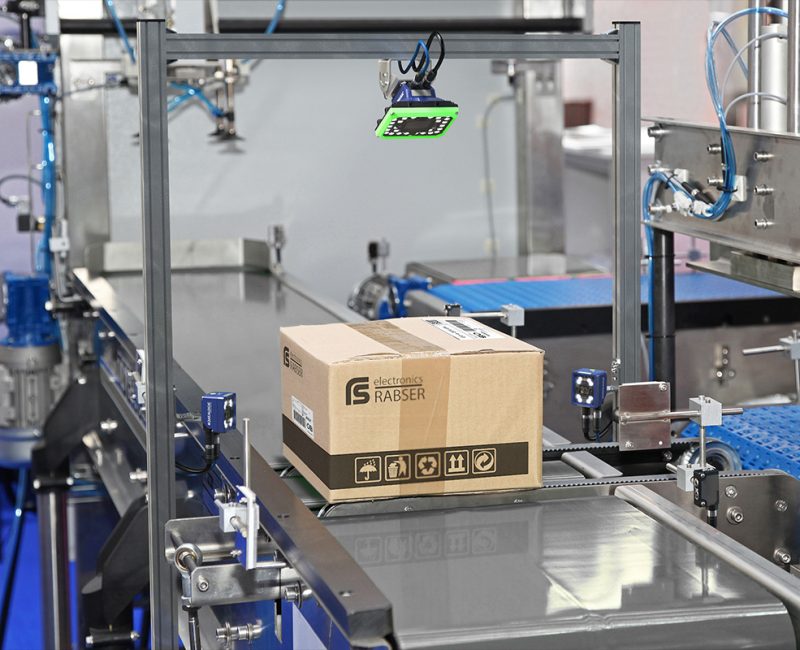
In many logistics and manufacturing processes, manually scanning each label can be replaced with a solution based on industrial, stationary barcode scanners. These systems automatically recognize markings on packages, cartons, pallets, components, and other items moving through a process point.
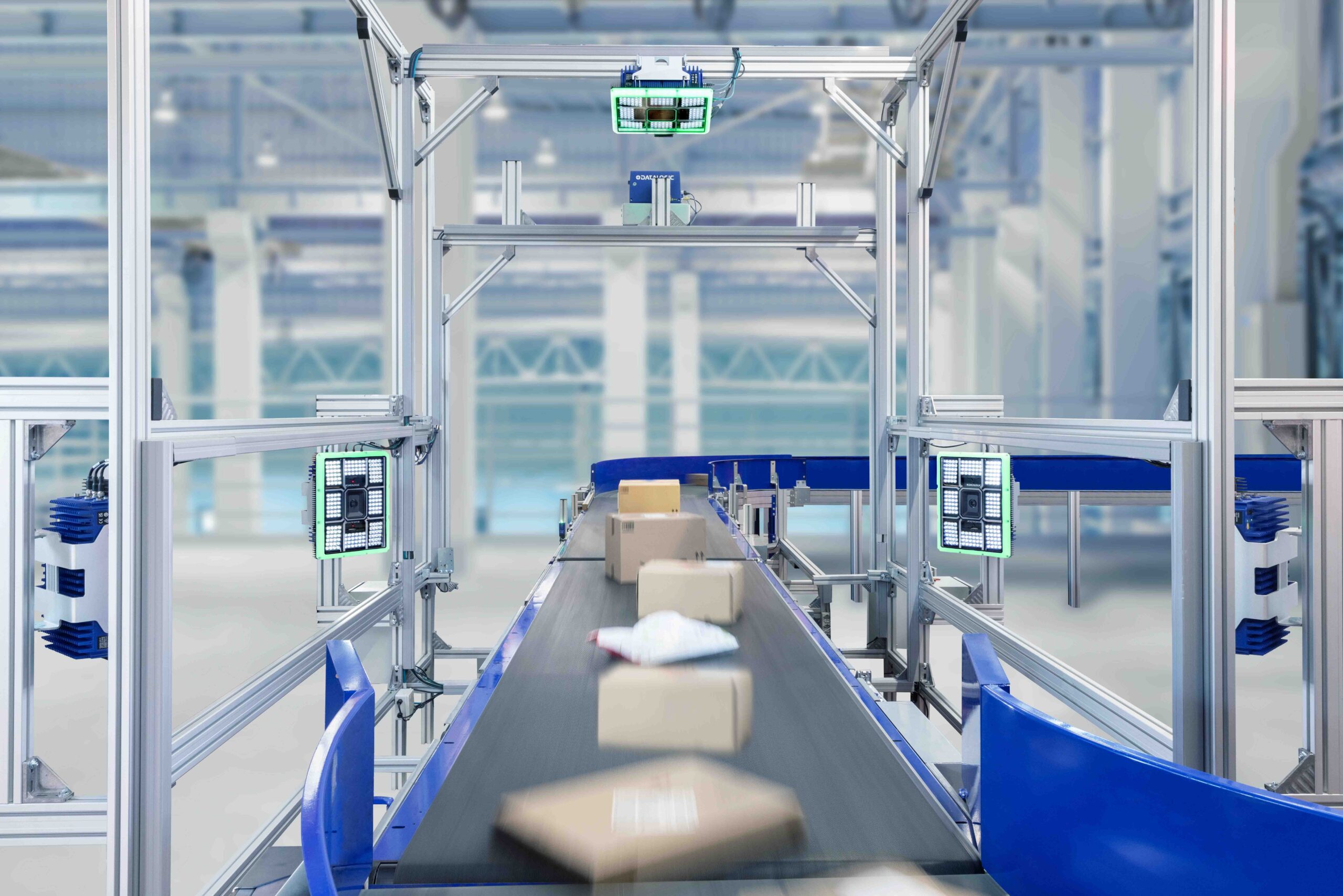
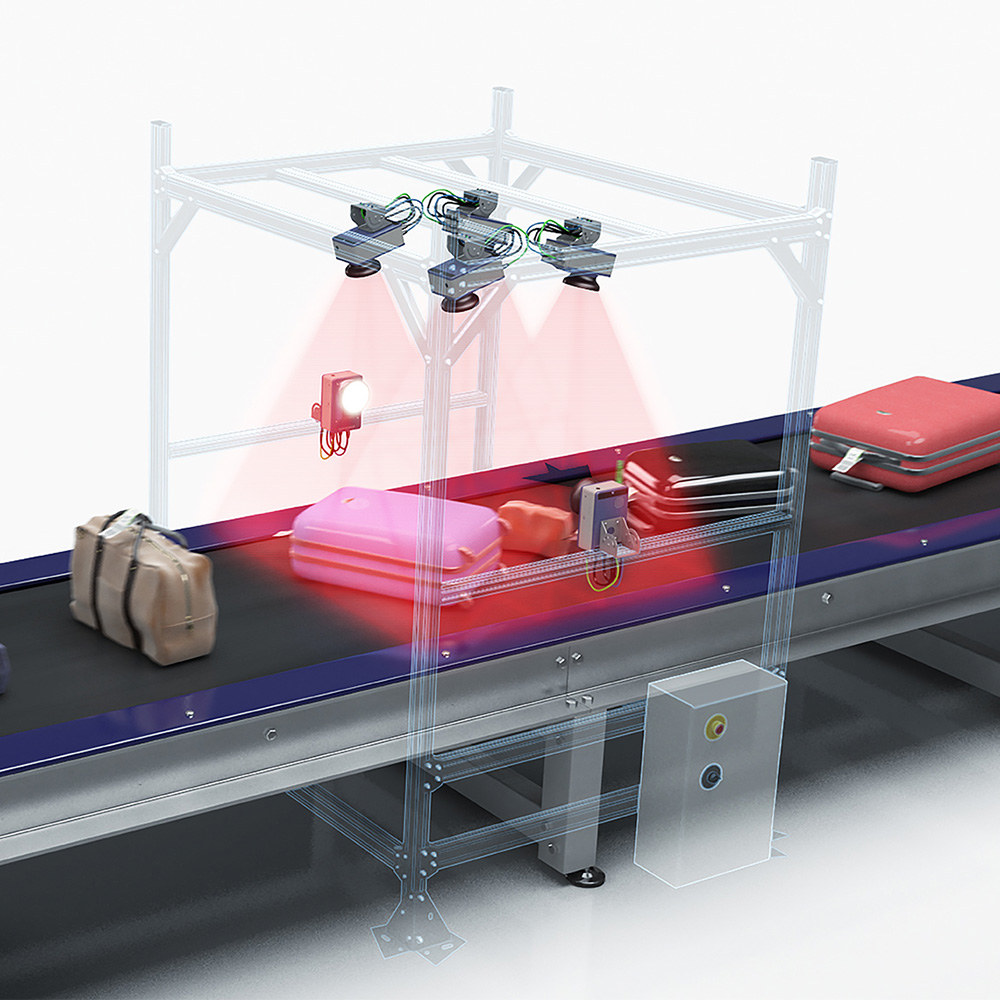
A scanning gate is a complete automatic barcode reading system, not just a single scanner mounted above a conveyor. This solution includes a mechanical structure, several stationary industrial scanners equipped with appropriate optics, and additional sensors. Each system supplied by HKK is properly configured to ensure correct operation and integration with the customer’s automation and IT systems.
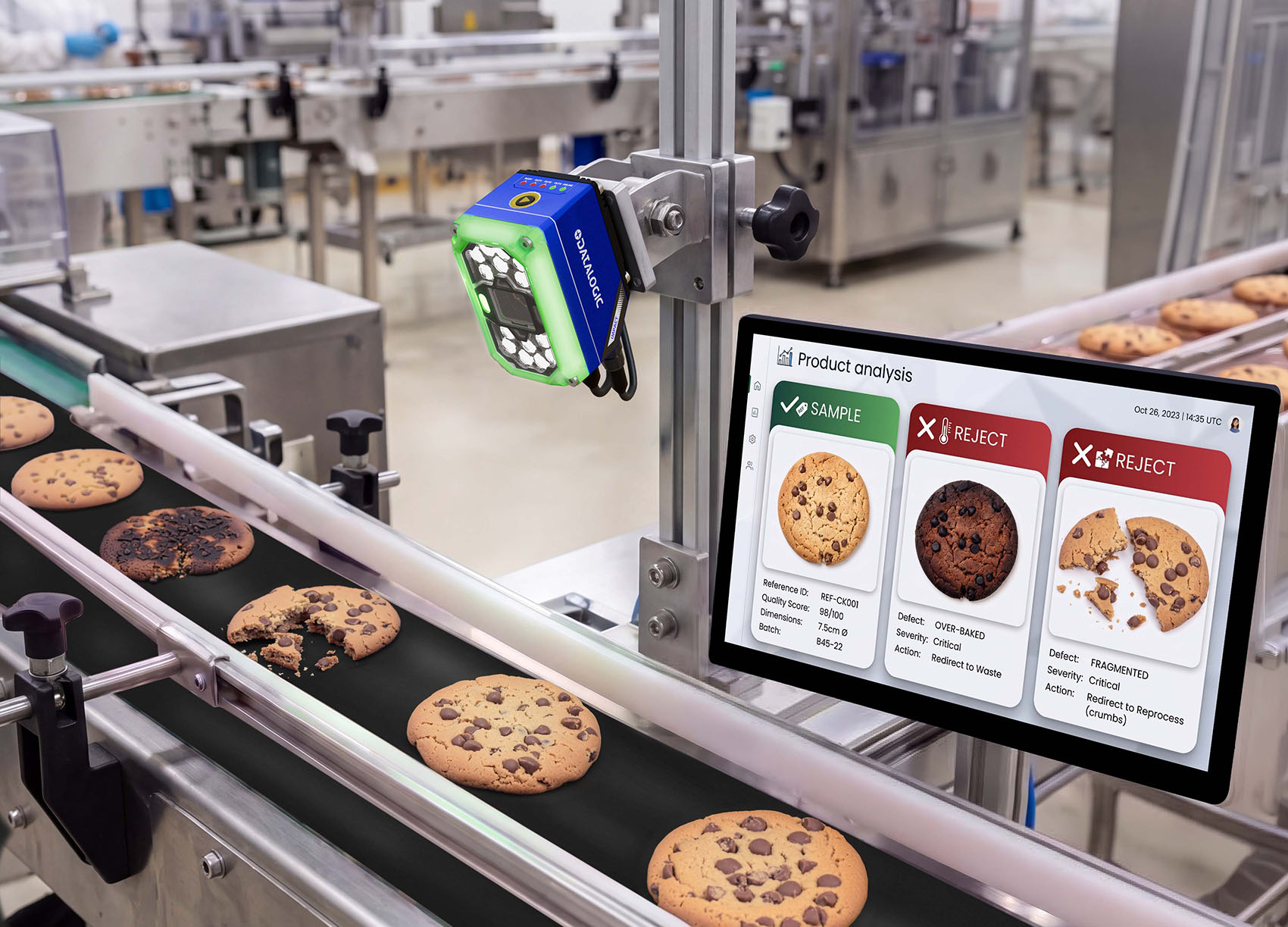
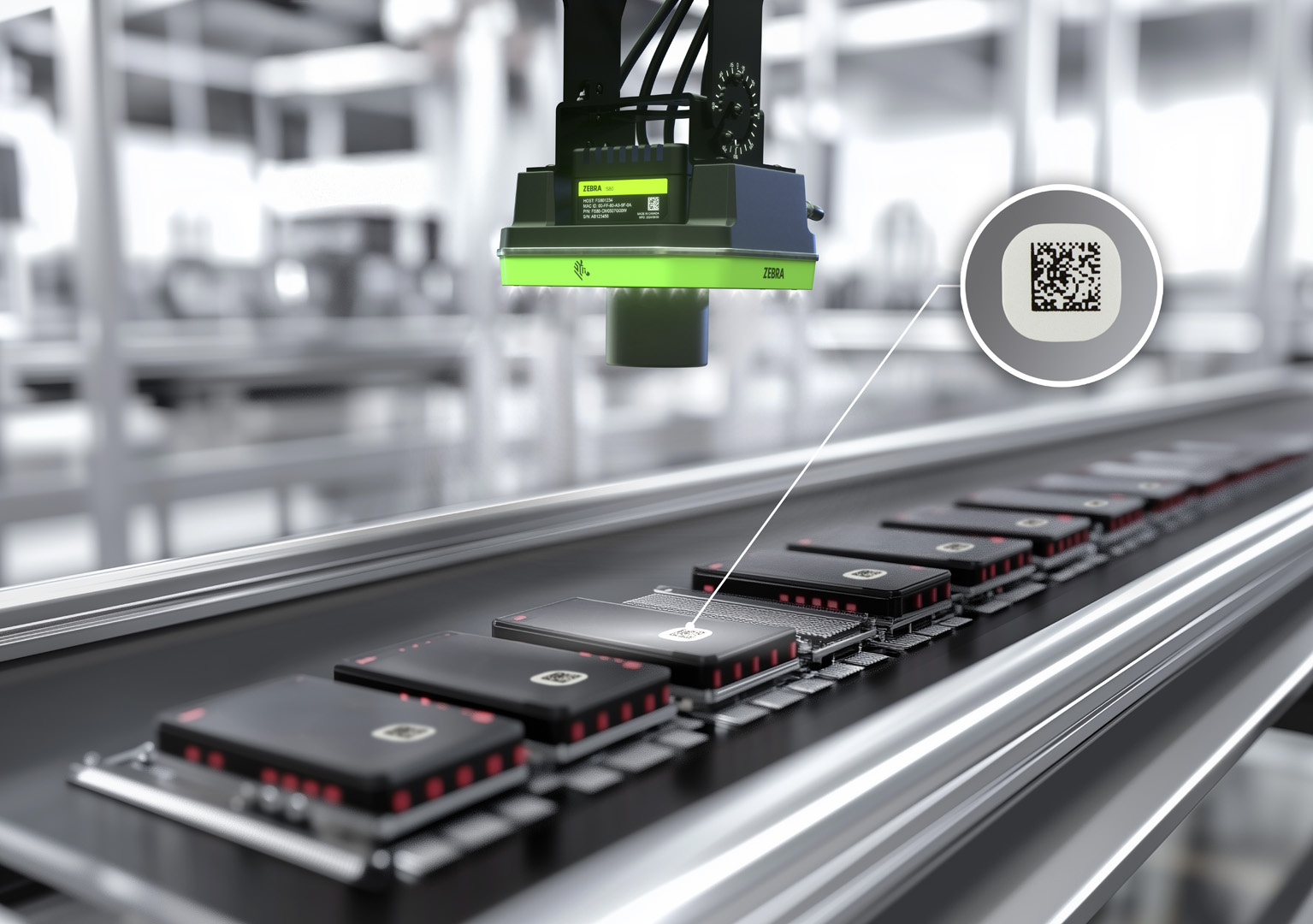
The equipment layout is designed so that the product can be identified from any required side. The system can recognize barcodes and 2D codes, direct part markings (DPM), and text using OCR technology. Furthermore, it can also save images or log instances where markings could not be correctly recognized.
How does an automatic scanning gate work?
The object enters the read zone, where the devices scan it and then analyze and format the collected information. The system can compare the scanned information with a database, verify the product’s compliance, log the event, or send the relevant data to a higher-level system.
The gate can integrate with WMS, WCS, MES, ERP, and SAP systems, as well as PLC controllers. As a result, product identification is not a separate step but automatically triggers subsequent actions. Goods can be routed to the appropriate zone, received into the warehouse, linked to a production order, or held for additional inspection.
Where are barcode scanners used?
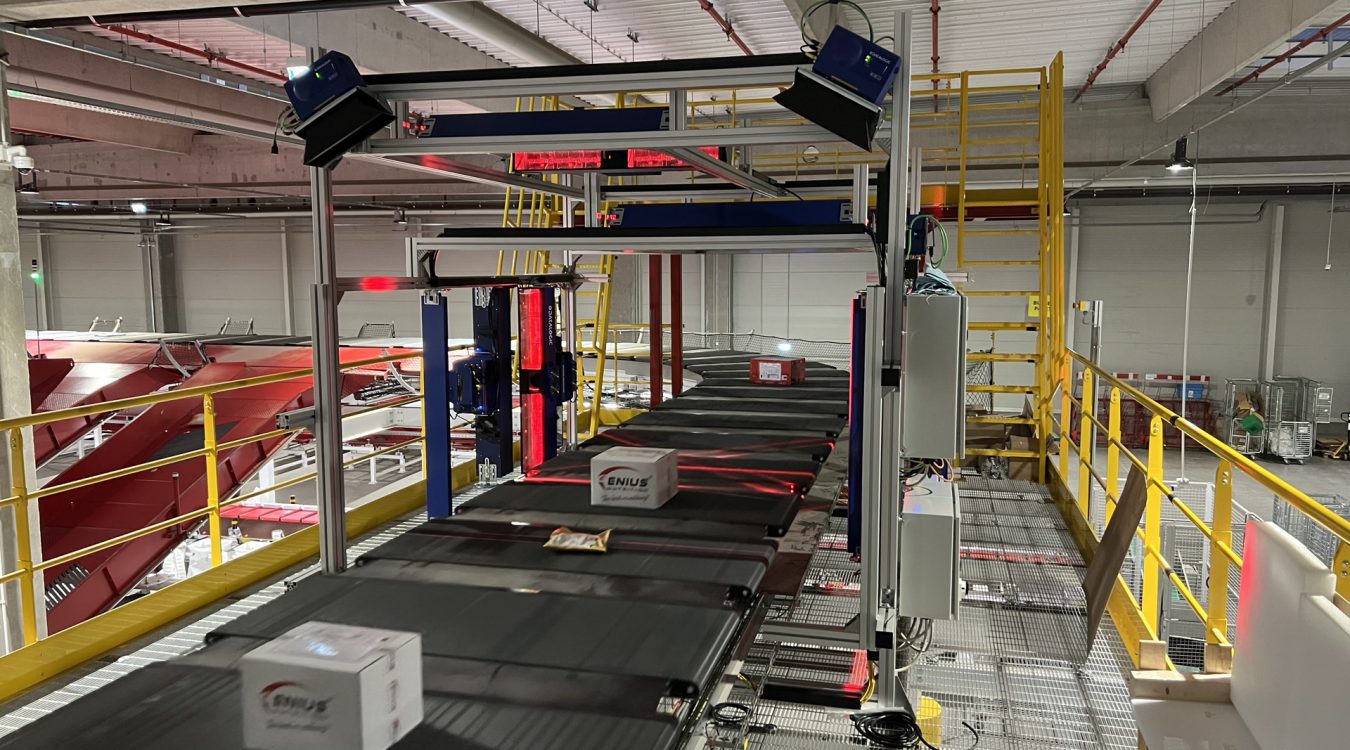
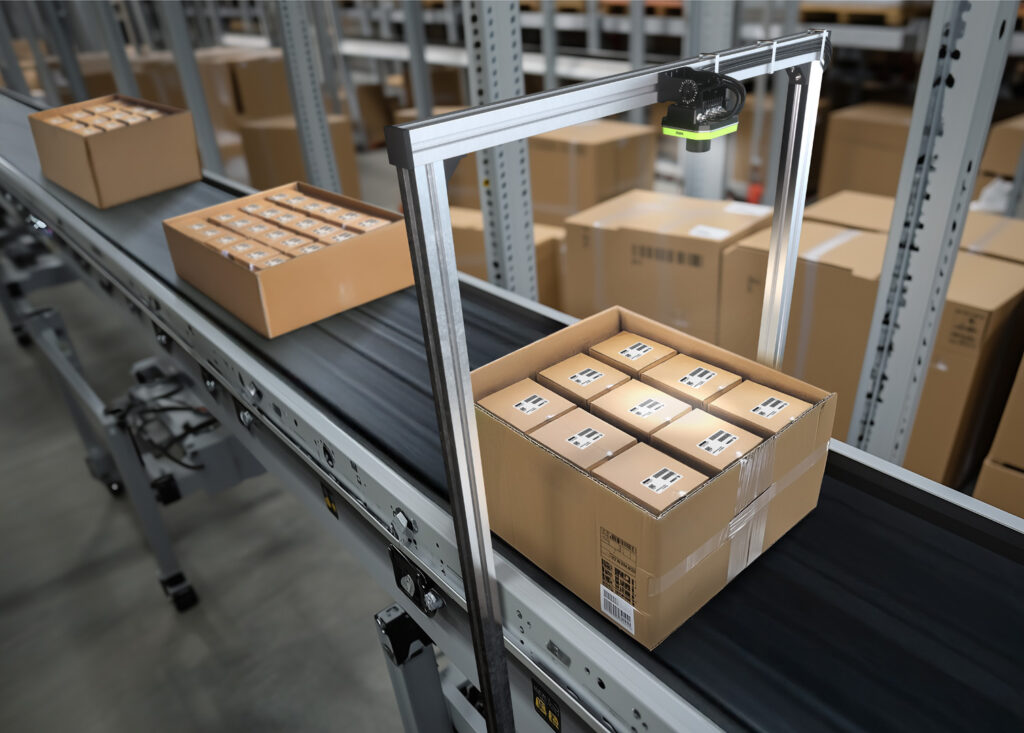
In most cases, scanning gates are mounted above or around conveyors. In simple applications, scanning from a single direction is sufficient, while in more demanding processes, scanning tunnels are used to read codes from multiple sides of an object, regardless of its orientation.
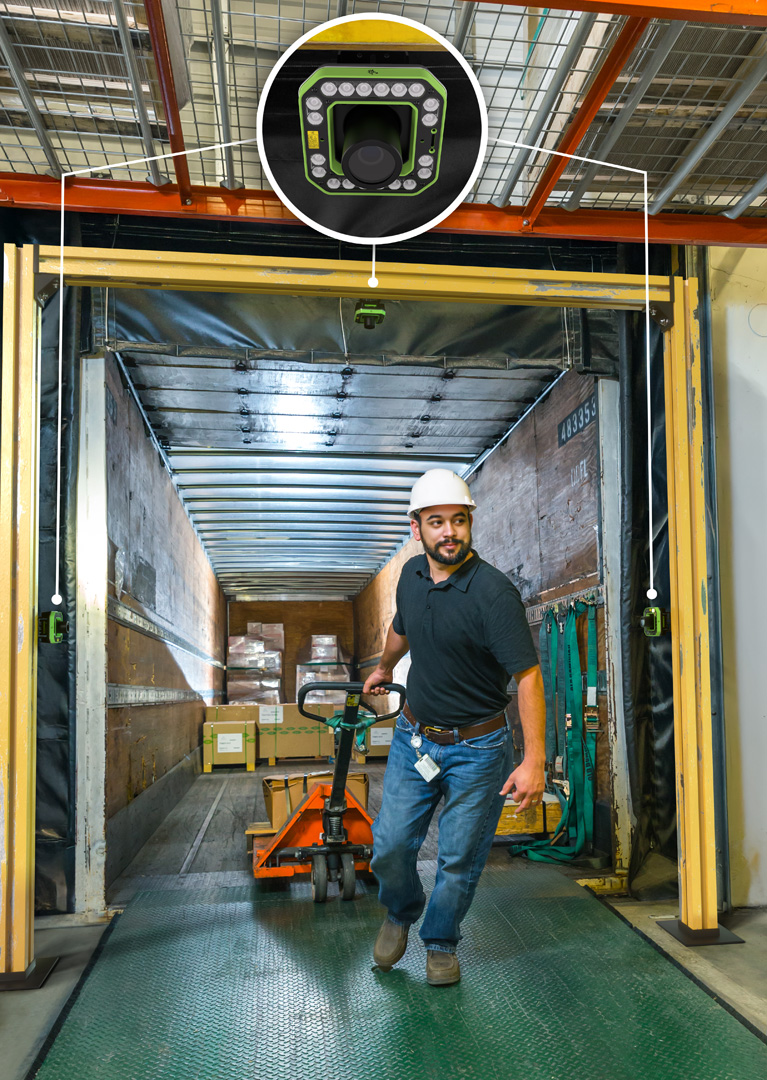
Solutions of this type are used in receiving, shipping, loading, and unloading areas. Products can be identified as they pass through, without having to stop the conveyor.
The system automatically reads labels from large cartons, logistics containers, and entire pallet loads, eliminating the need for an operator to scan them. Such solutions are widely used in warehouses, parcel sorting centers, manufacturing facilities, and shipping processes.
The gate design can be stationary or mobile, adapted to different load heights, or equipped with a mechanism that moves the scanning module vertically.
During the design process, factors such as the dimensions and movement speed of objects, the location of labels, the number and quality of codes, the type of surface, and the environmental conditions at the installation site are of key importance.

What types of industrial barcode scanners are used at security checkpoints?
Stationary short-range scanners are used in compact applications . They are ideal for use at production stations, next to machines, on packaging lines, and above small conveyors.
In more demanding processes, mid-range scanners that offer higher resolution, greater processing power, and advanced optical and lighting solutions. They are designed to work with high-performance production lines characterized by high speeds, to read hard-to-identify codes or DPM markings, and for traceability applications .
Sorting facilities and systems serving large operations, in turn, require the use of advanced, high-resolution scanners. These scanners ensure that codes can be read from packages, cartons, and pallets moving at high speeds, regardless of the label’s location. The selection of such devices should be based on application testing, not solely on catalog specifications.
Specialized scanning gates
Examples of advanced applications include BHS systems used at airports. Integrated reading stations, scanning tunnels, and sorting systems identify baggage, track its flow, and direct it to the appropriate logistics stream. These types of installations utilize laser technologies, vision systems, and RFID solutions.
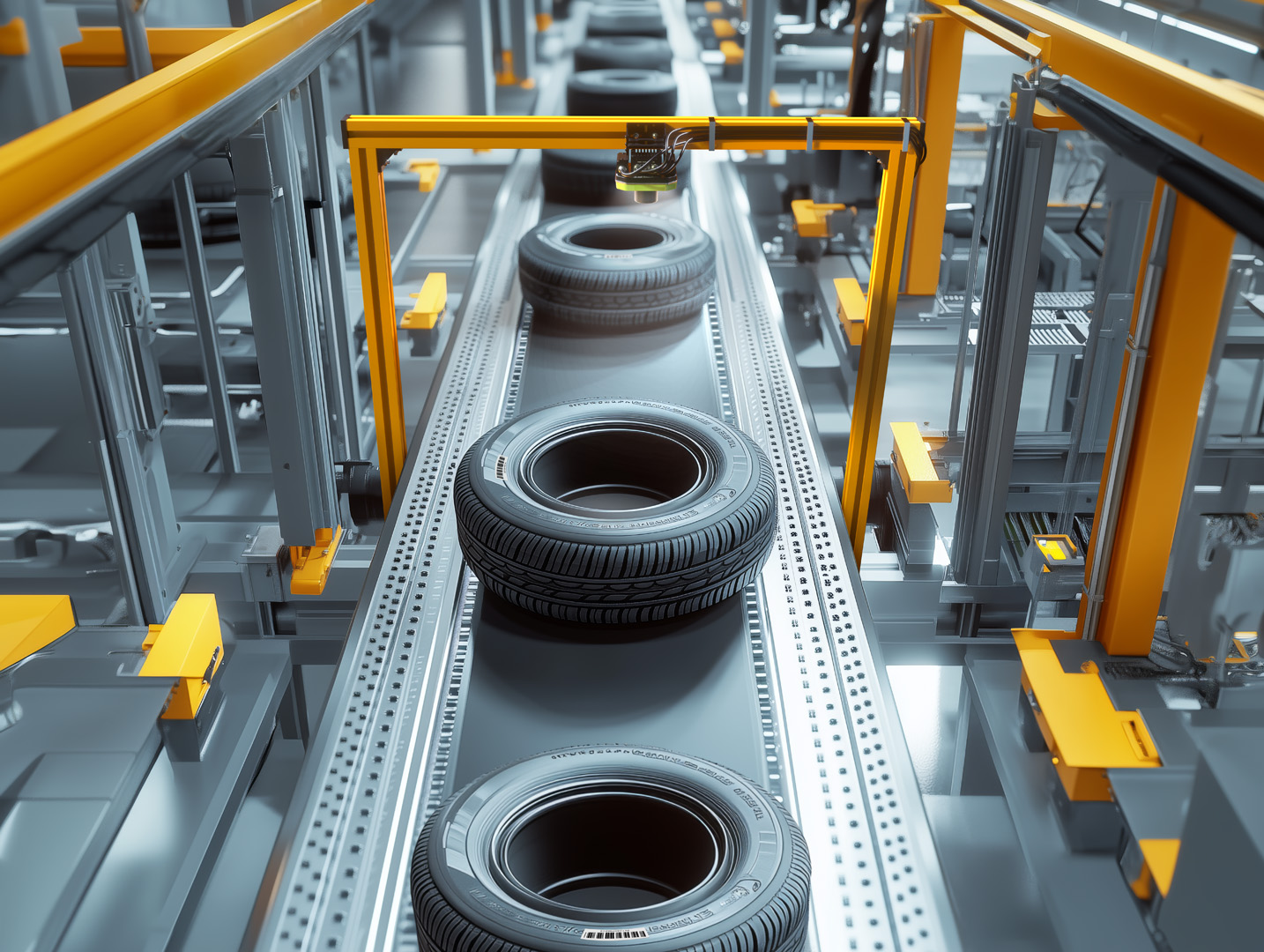
Another example is the traceability systems used in the tire industry. Scanning stations equipped with multiple heads operating in sync enable the reading of markings on the top, side, and bottom of a tire, even in cases of low contrast and varying product orientation. This supports product traceability, sorting processes, quality control, and internal logistics.
The gate can also be upgraded with a machine vision system. Vision cameras not only read codes but also check product completeness, label accuracy, the presence of components, dimensions, positioning, and visible defects. Automatic code reading can therefore be combined with vision-based quality control in a single station. In this area, we collaborate with PEKAT VISION, a provider of industrial vision inspection solutions.
Scanning Gate Project: From Analysis to Launch
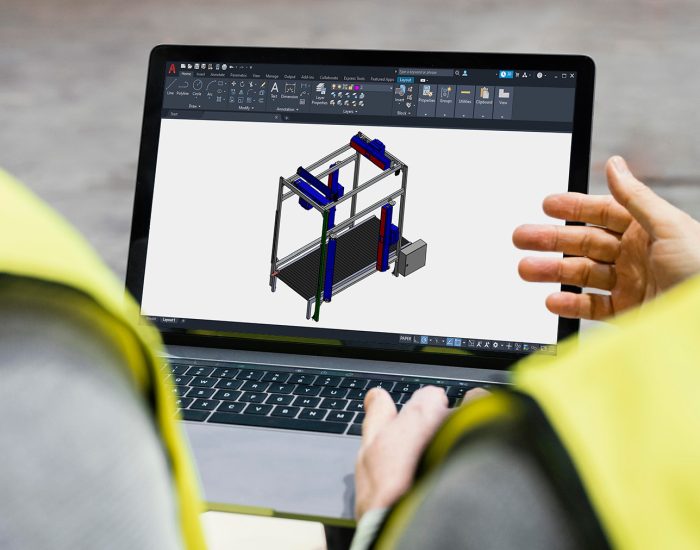
An effective automatic code-reading system is developed based on a detailed analysis of the process and operating conditions. At HKK Group, we design comprehensive solutions that include mechanical design, the layout of scanners and sensors, the control system, communication with higher-level systems, and software. We select the appropriate technology based on the required reading distances, line speeds, and types of markings to ensure effective and repeatable product identification.
The scope of implementation may include application testing and proof of concept, structural construction, equipment configuration, installation, integration, commissioning, acceptance testing, and support during the start-up phase. Our engineers also perform on-site work for complex logistics and industrial projects that require multi-stage operations.
We rely primarily on solutions from the global leaders in automatic identification technology—Datalogic and Zebra Technologies. Working directly with manufacturers allows us to create consistent, efficient, and reliable systems tailored to real-world operating conditions.
What are the benefits of implementing a barcode scanner?
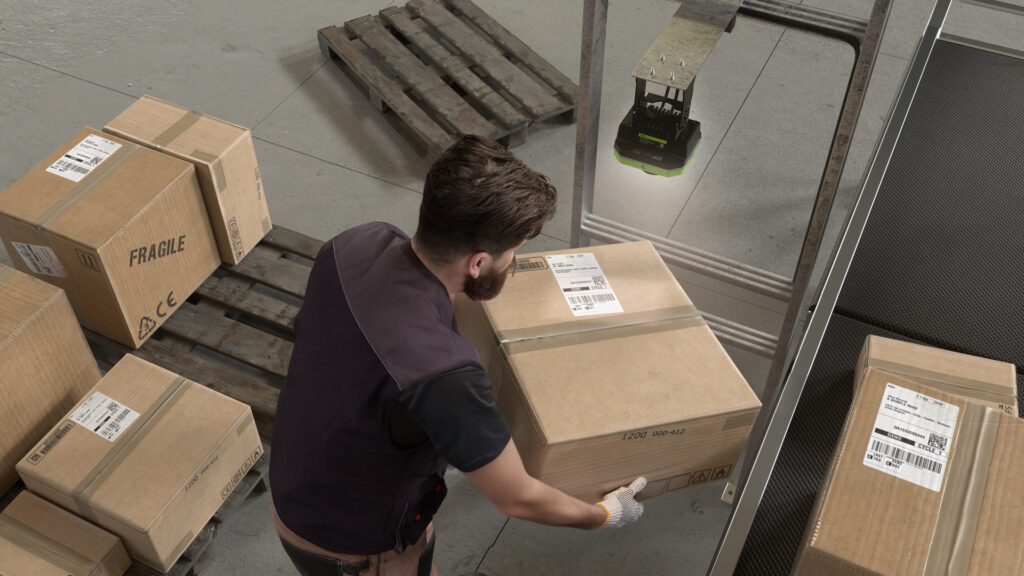
Automatic scanning reduces the number of manual steps, shortens identification time, and minimizes the risk of errors. It also provides real-time access to data on the flow of goods, increases process transparency, and enables a quick response to missed scans or detected discrepancies.
A well-designed gate becomes an integral part of logistics or manufacturing automation. It can support everything from a simple identification point to a complex multi-sided scanning tunnel, a pallet passage zone, or a specialized industry-specific system. It is crucial to ensure that the solution is properly tailored to the process and that it is correctly integrated, commissioned, and verified under actual operating conditions.