

Shortcuts
- Comprehensive environment for digitization and automation of production
- Digit.IO Factory – digital twin as the foundation of production control
- WMS systems – the backbone of warehouse and internal logistics
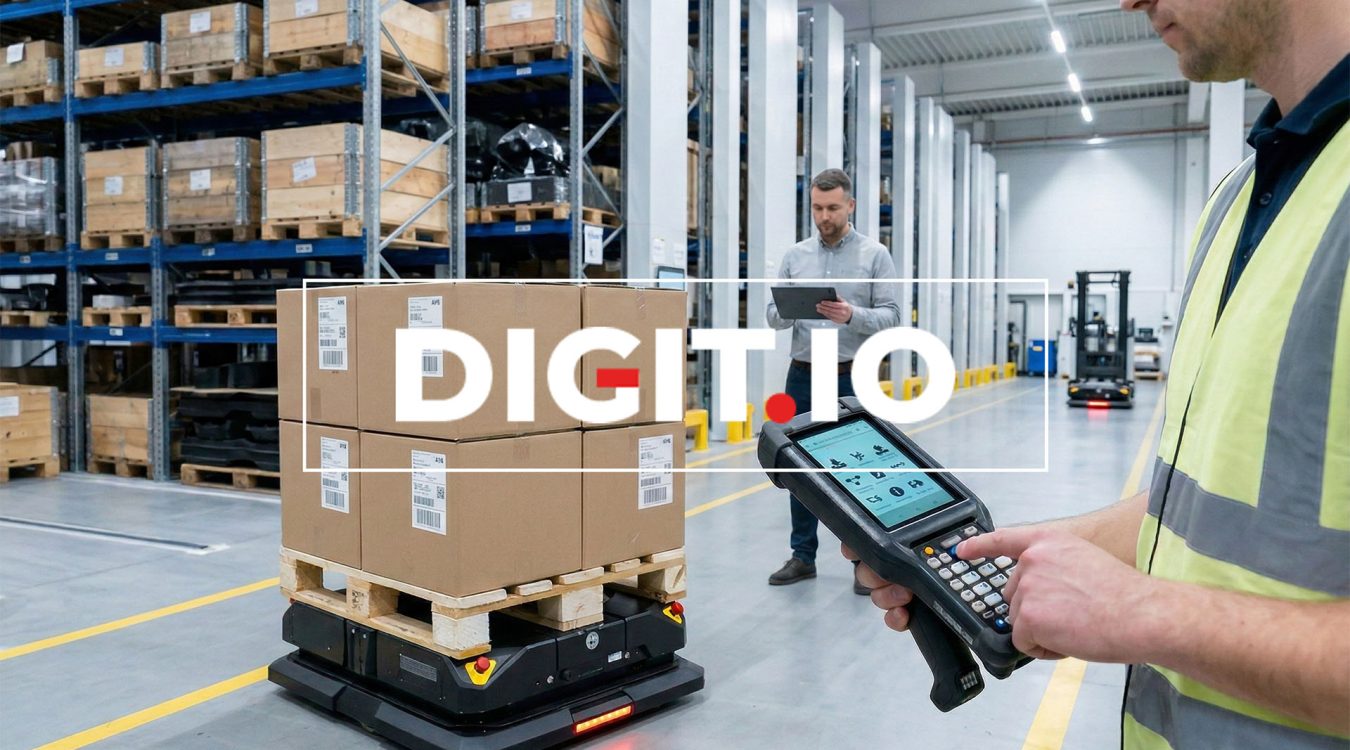
- AMR autonomous mobile robots – the future of material handling
- The role of Auto ID technology – the eyes and hands of the system
- Synergy of components – one environment, one responsibility
- Summary – readiness for the future
- Highlights
Comprehensive environment for digitization and automation of production - HKK Group solution
Modern manufacturing requires not only efficient machines and skilled workers, but above all an intelligent system that brings all the elements together into one cohesive digital ecosystem. HKK Group is responding to this challenge by offering a complete environment for digitizing and automating production processes – from planning and monitoring to warehouse logistics and physical transportation execution on the shop floor.
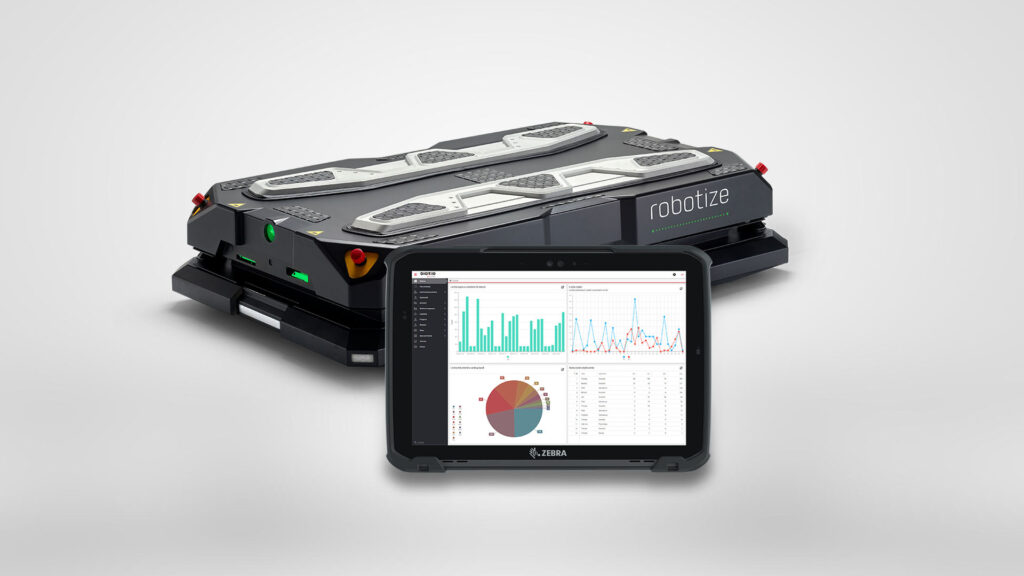
The key element is integration: Digit.IO Factory’s digital twin (digital twin) constitutes the “brain” of the system, WMS system manages the flow of materials, AMR autonomous mobile robots perform transportation, and automatic identification devices (Auto ID) and industrial automation are responsible for real-time data collection and processing.
Digit.IO Factory - digital twin as the foundation of production control
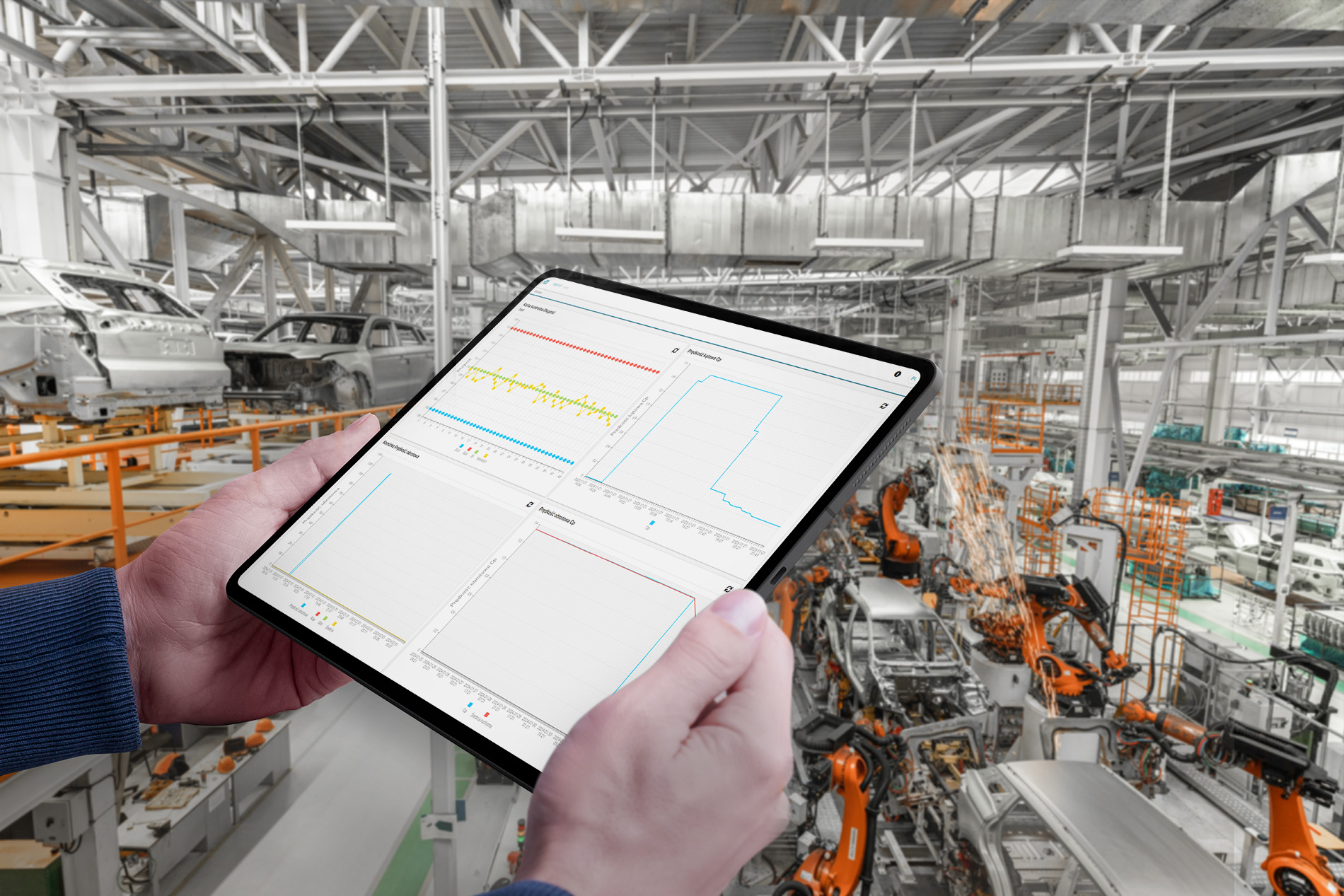
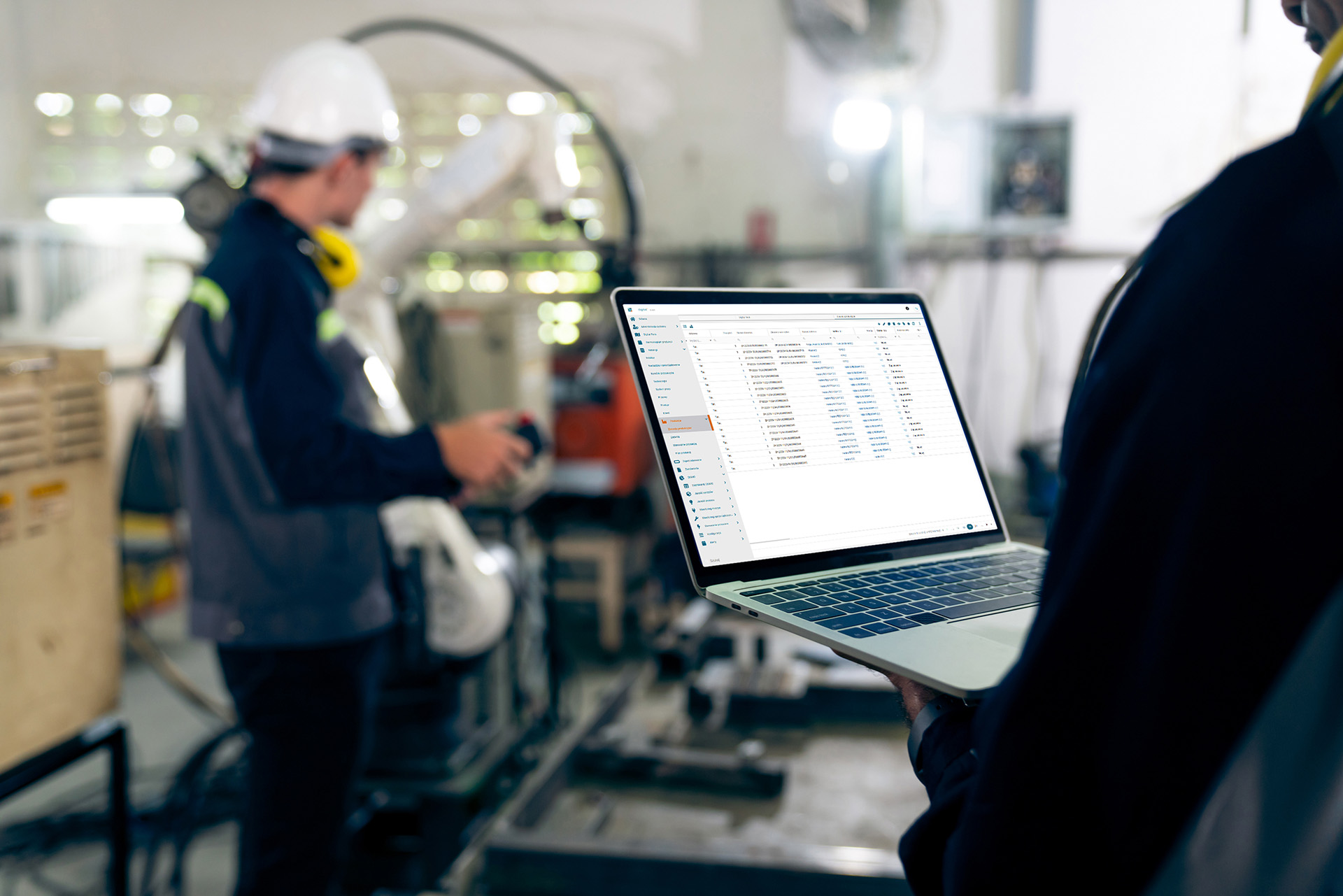
Digit.IO Factory is an advanced digital twin system that maps the real-time status of the entire production floor in a virtual model. The system collects data from multiple sources: machine sensors, automation systems, operator terminals, AutoID devices and master systems such as ERP.
Production managers and planners get a single, complete and up-to-date view of the situation – from order status and material availability, to line load, to worker and machine performance.
Advanced scheduling and optimization
Digit.IO Factory is not only monitoring, but also advanced production scheduling. System:
- automatically creates optimal production plans based on available resources, deadlines and priorities,
- dynamically responds to changes (failures, delays, urgent orders) and rebuilds the schedule in real time,
- allows simulating “dry” scenarios without the risk of stopping the line,
- Identifies bottlenecks and proposes optimization measures.
The expert module analyzes historical data and recommends optimal scenarios, supporting decisions based on data, not just intuition.
Benefits of implementing a digital twin
Companies implementing Digit.IO Factory note:
- A 15-25% increase in production efficiency,
- Reducing shift response time from hours to minutes,
- reducing operating costs,
- greater predictability of lead times,
- The opportunity for continuous process improvement.
The digital twin lays the foundation for further development toward Factory 4.0, predictive maintenance and AI-based analytics.
WMS - the backbone of warehouse and internal logistics
The role of WMS in digital manufacturing
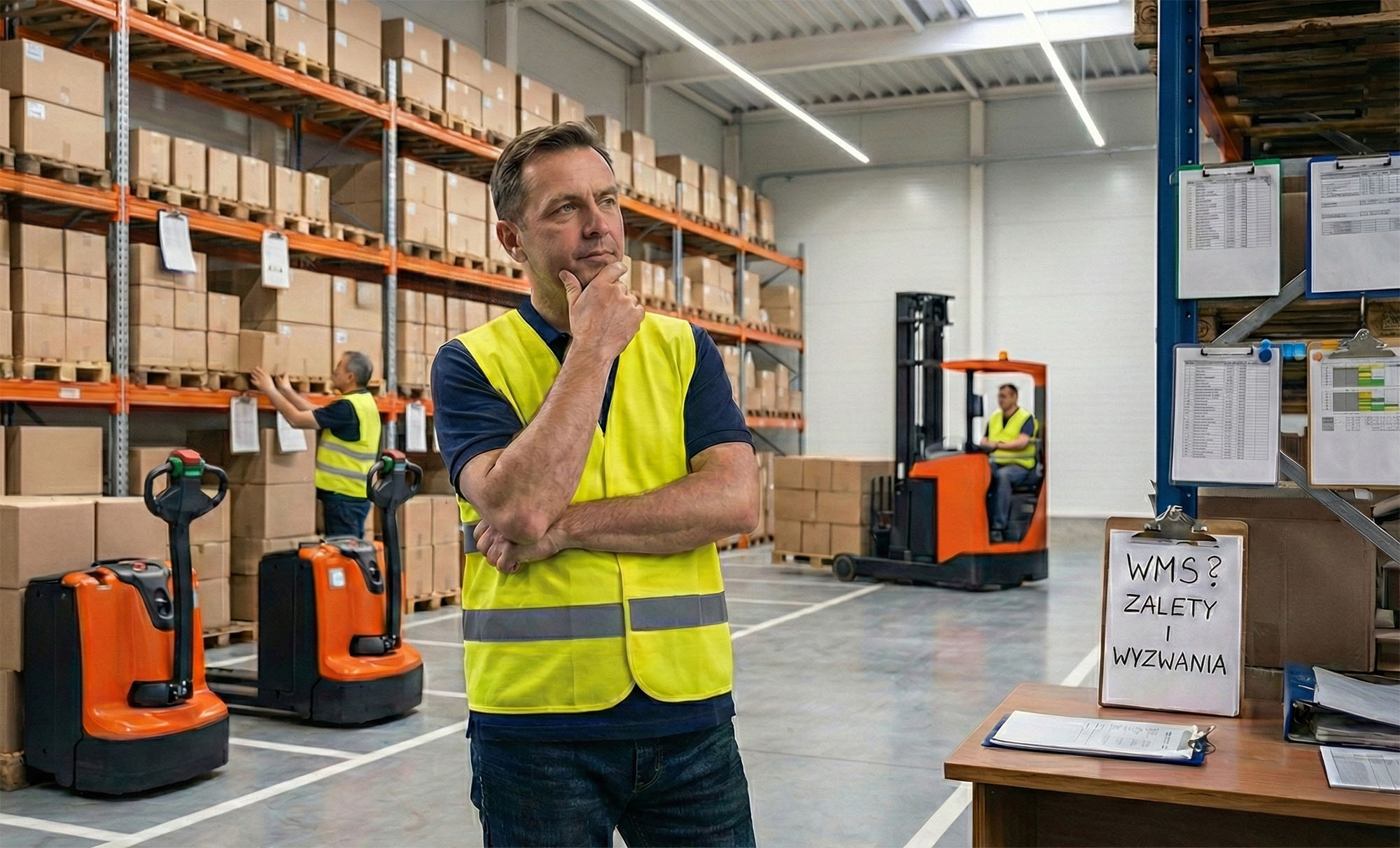
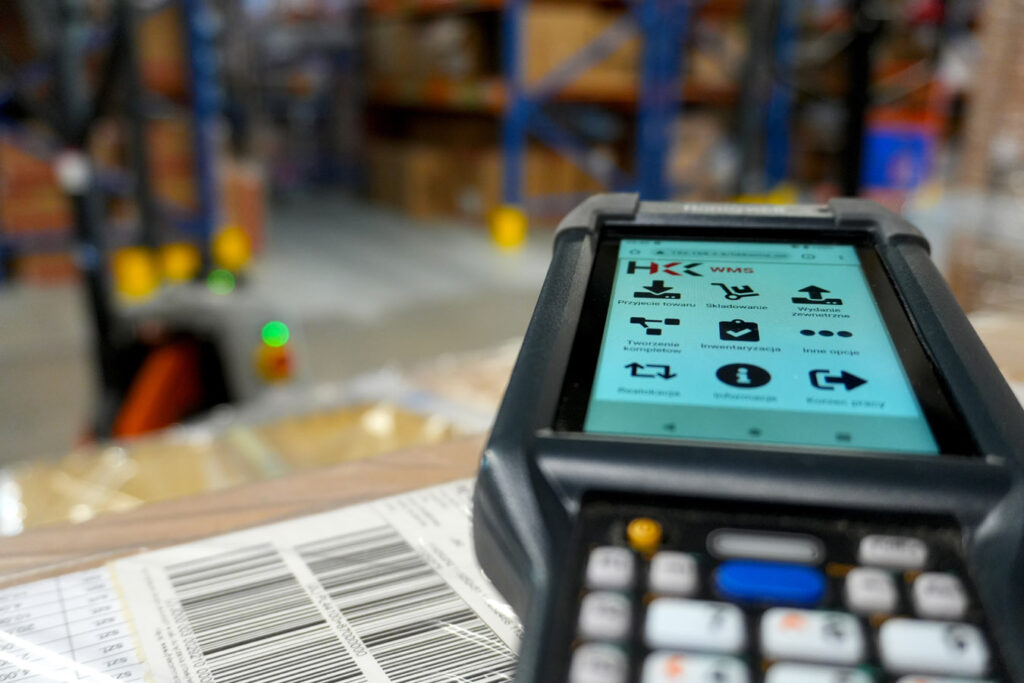
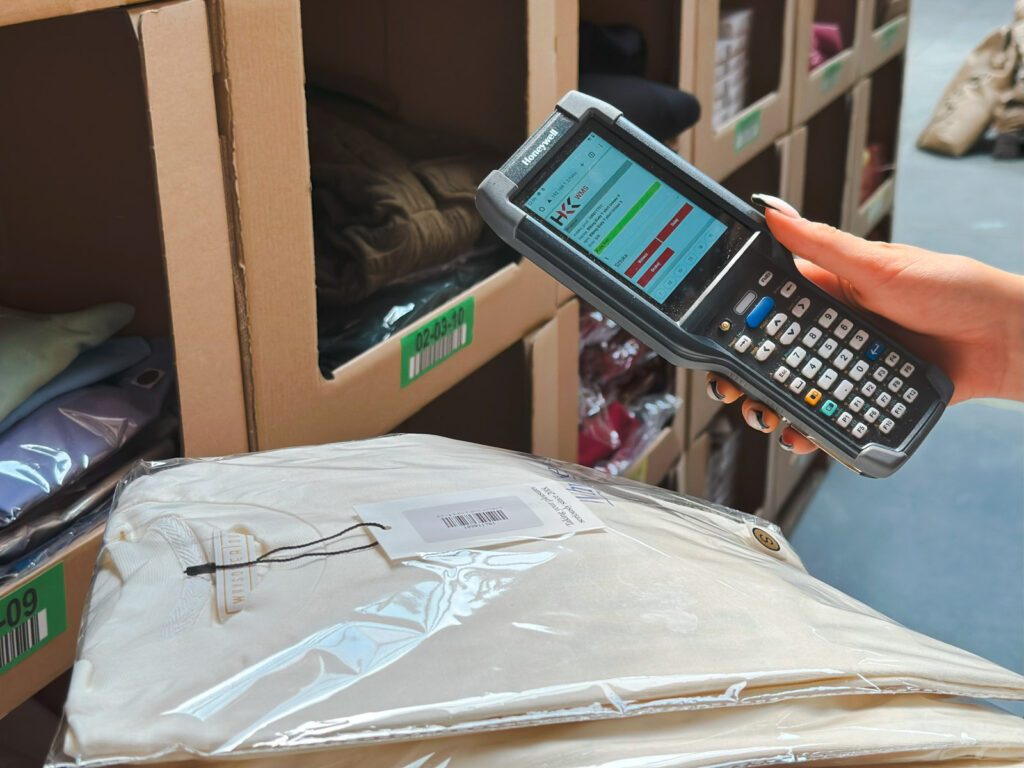
The WMS (Warehouse Management System) is responsible for warehouse management and internal logistics. The warehouse software digitizes processes such as receiving, picking, production releases, relocations, inventory or shipments.
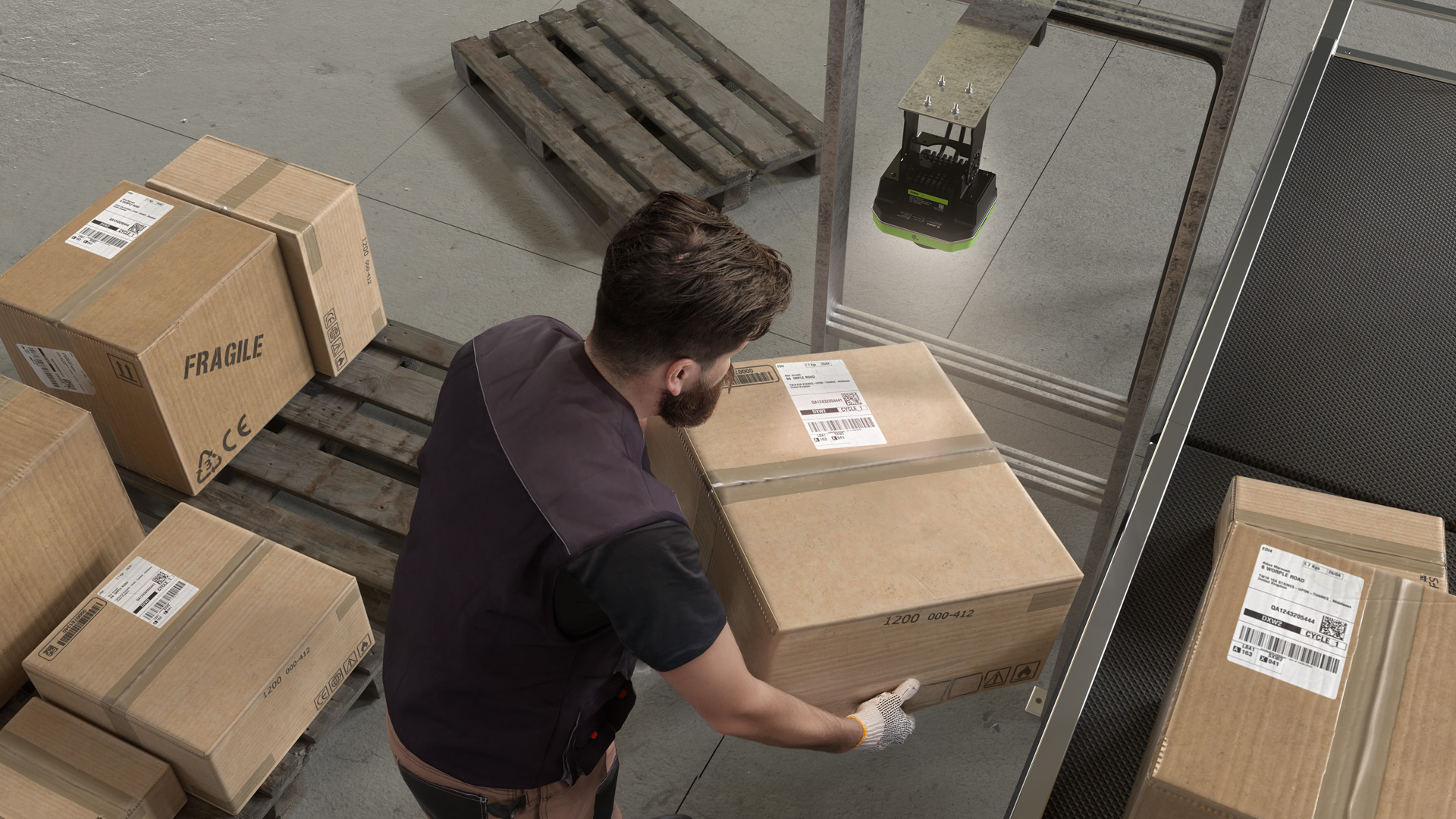
Each product is given a digital identity and is tracked at every stage. Operators use mobile terminals, data collectors and barcode scanners to eliminate errors and speed up operations.
Integration of WMS with production and master systems
The WMS in the HKK environment integrates with:
- Digit.IO Factory – realization of production demand,
- ERP – synchronization of stocks and documents,
- AMR robots – automatic execution of transport orders,
- automatic identification devices (RFID, Cubiscan dimensioning, pick-by-light technology).
Such integration ensures data consistency across the enterprise.
Impact of WMS on logistics efficiency
Implementing a WMS translates into:
- Reduction of picking errors by 80-95%,
- Speeding up warehouse operations by 30-40%,
- Better use of space,
- full traceability,
- Optimizing inventory and reducing frozen capital.
This is the foundation of modern warehouse logistics and warehouse automation.
AMR autonomous mobile robots - the future of material handling
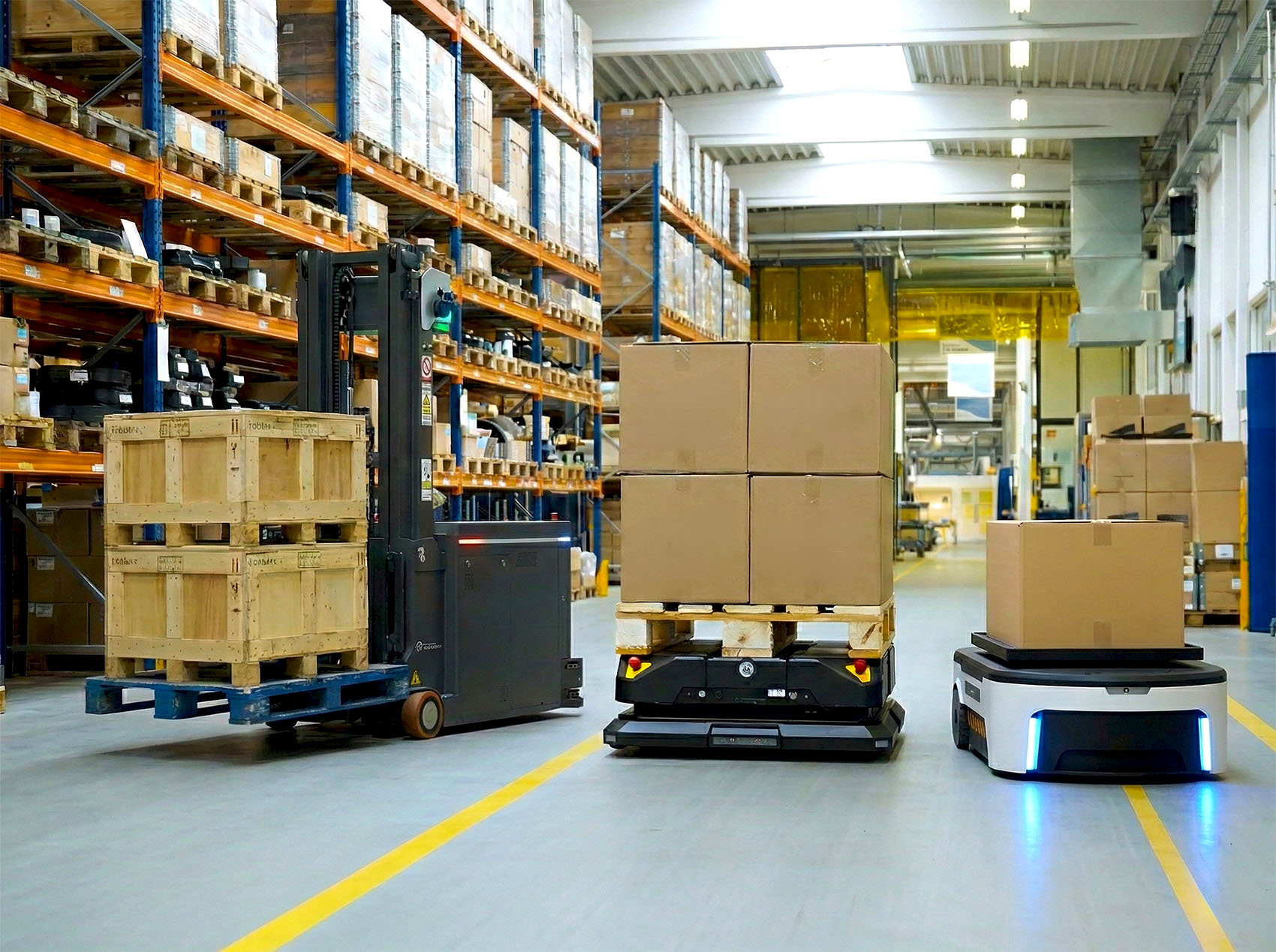
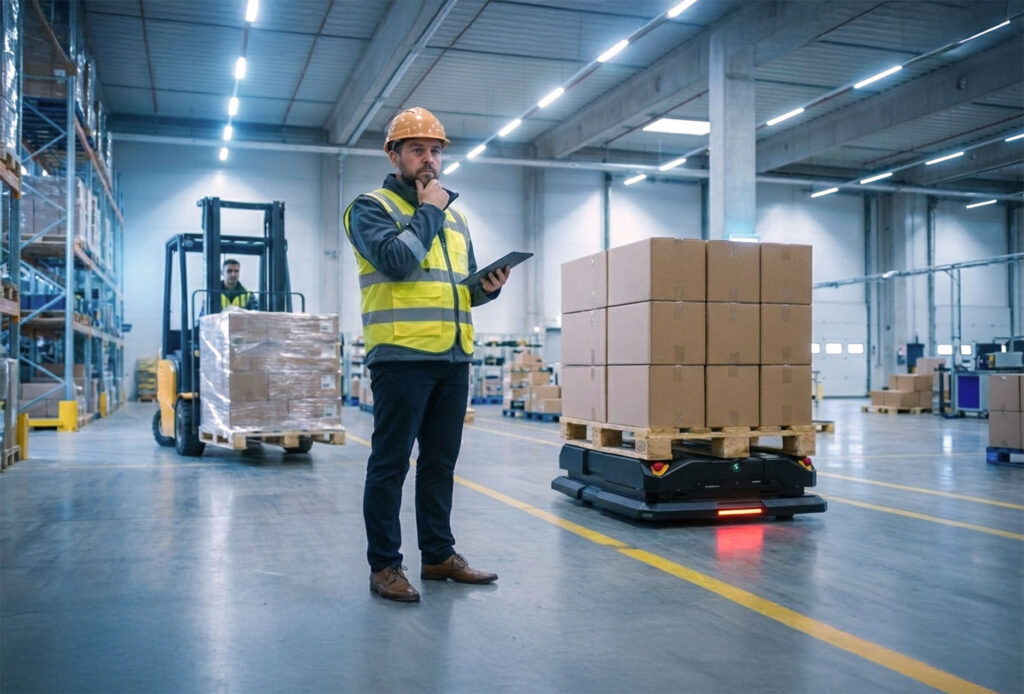
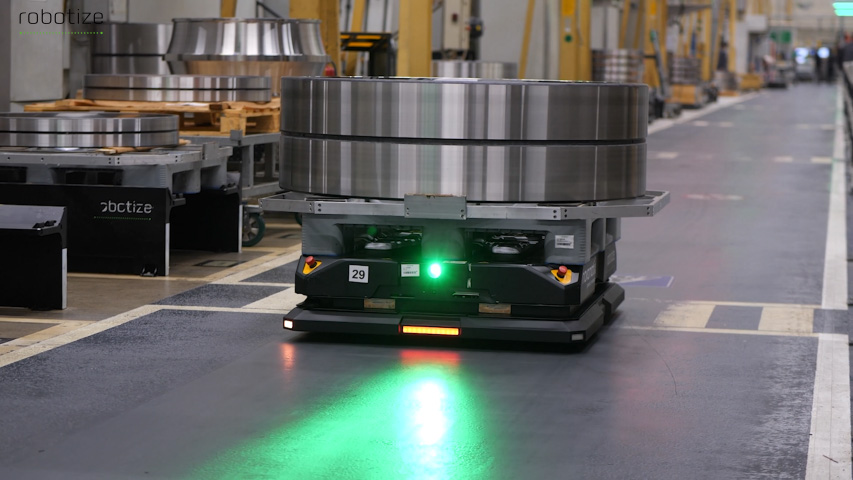
AMR GoPal robots operate without a fixed navigation infrastructure. They use laser scanners and AI algorithms to:
- creating a map of the hall,
- planning optimal routes,
- obstacle avoidance,
- fleet work,
- safe cooperation with people.
AMR integration with WMS and manufacturing
The transportation process is automatic:
- Digit.IO generates demand.
- The WMS system creates the order.
- The AMR robot performs the transportation.
- The system updates data in real time.
This creates a closed information loop without human involvement.
Benefits of AMR implementation
- Reducing transportation costs by 40-60%,
- increase security,
- damage minimization,
- rapid ROI (6-18 months),
- Scalability without rebuilding the infrastructure.
This is a key component of logistics automation.
The role of Auto ID technology - the eyes and hands of the system
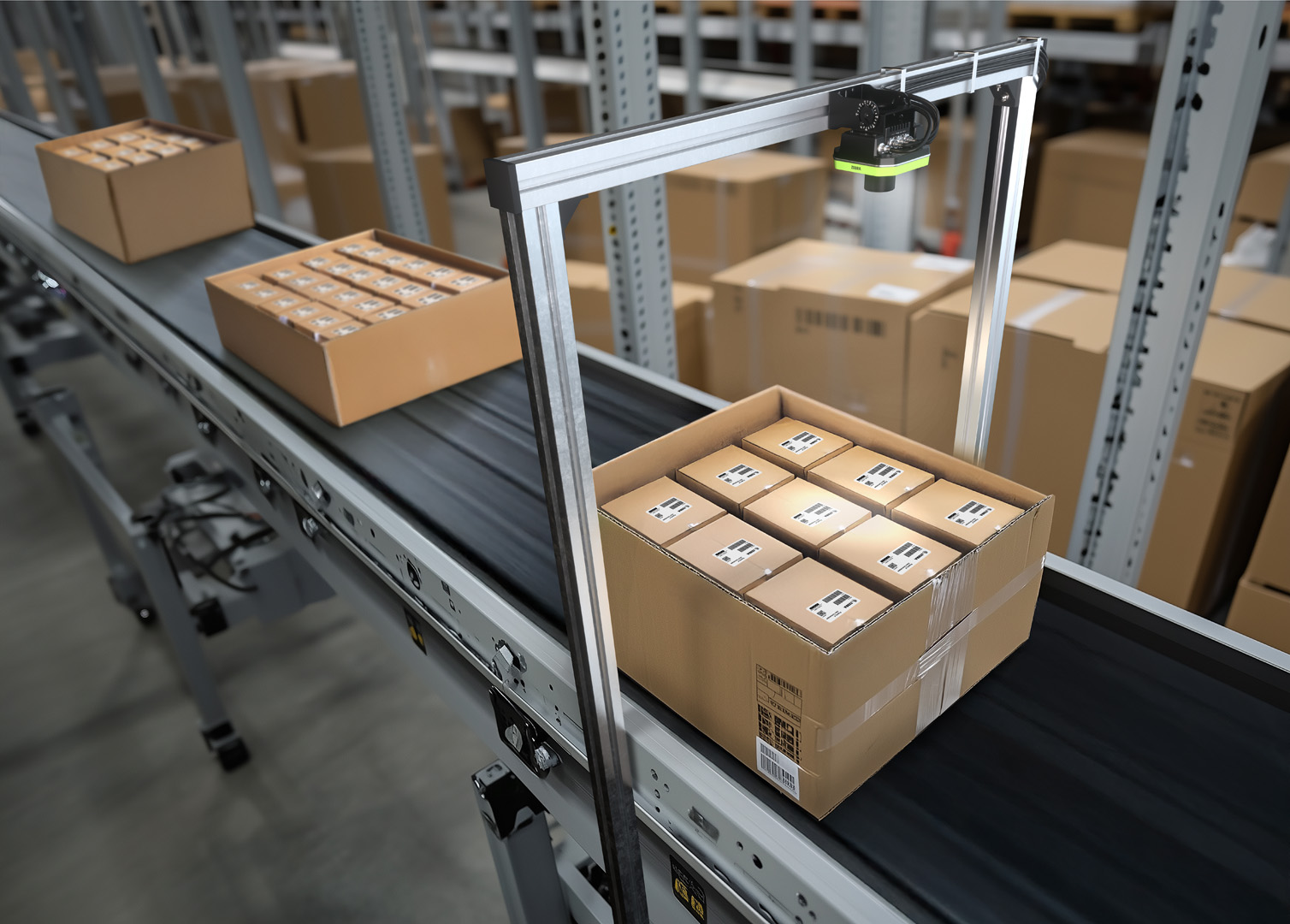
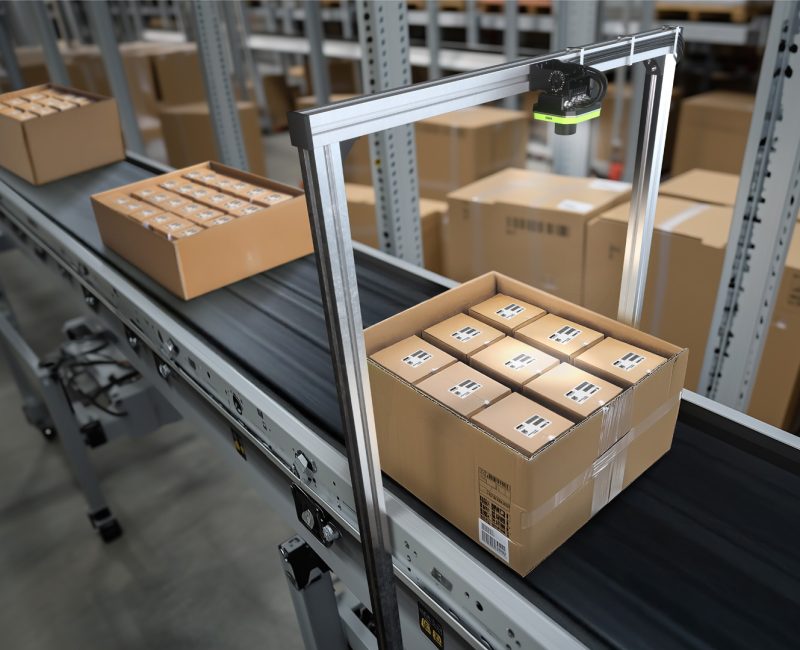
Automatic identification (Auto ID) and industrial automation provide data to digital systems. Solutions include:
- barcode scanners,
- RFID technology,
- vision systems,
- label printers and print & apply,
- Mobile terminals and data collectors,
- sensors and controllers,
- measurement systems.
Integration into the ecosystem
The devices transmit data to the WMS and digital twin, providing:
- automatic data collection,
- Real-time quality control,
- full traceability,
- reduction of operational errors.
This is the foundation of a digital factory.
Synergy of components - one environment, one responsibility
The strength of HKK Group’s solution comes from the integration of all components:
- one data platform,
- consistent user interface,
- one technology partner,
- compatibility guarantee.
The customer receives a complete environment – from planning to physical implementation of transportation and analysis of results. Contact us, if you want to learn more.

Submission
HKK Group’s end-to-end environment combines digital twin, WMS, AMR robots and automatic identification technologies into one cohesive ecosystem.
Companies gain:
- Full control over production and logistics,
- Rapid response capability,
- competitive advantage,
- The foundation for further transformation toward Industry 4.0,
- One responsible technology partner.
Digitization of production is no longer a vision of the future – it is a viable solution available today.