

Order picking in the warehouse - a key logistics process
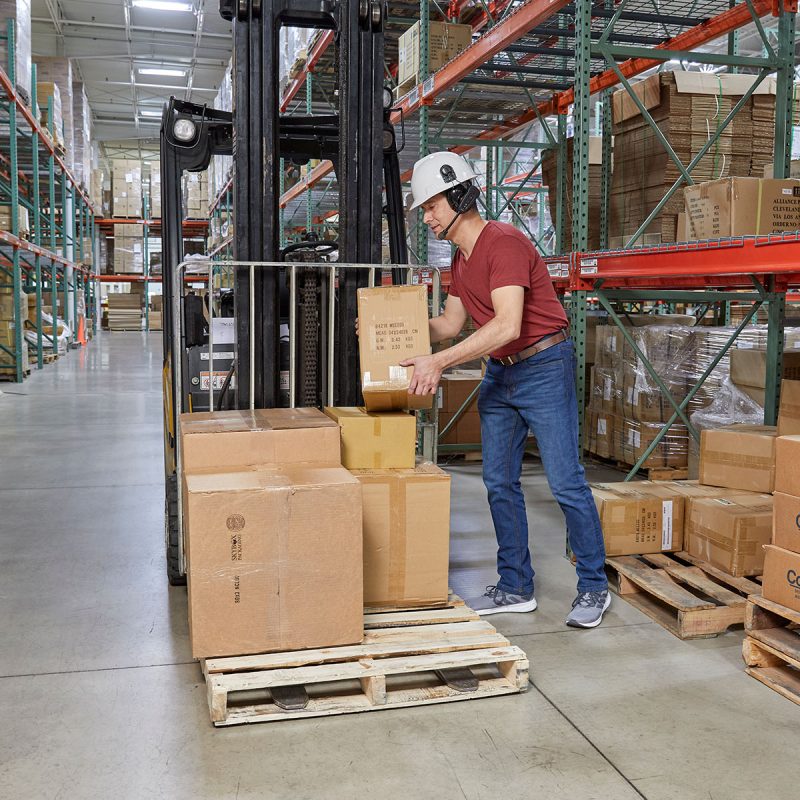
Order picking involves collecting products from warehouse locations according to the customer’s order. In simple warehouses, this process can be carried out traditionally, using basic tools and manually prepared lists. In more complex operations, however, this approach quickly begins to generate limitations.
The most common problems in picking are:
- taking too long to retrieve products,
- errors in completed orders,
- No up-to-date information on the location of the goods,
- Repeatedly covering the same routes by operators,
- Difficulties in handling multiple orders at the same time,
- Insufficient control over the flow of goods between picking, consolidation, packing and shipping.
The importance of picking is particularly growing in warehouses handling multi-channel commerce. Wholesale orders are handled differently, store orders differently, and single e-commerce orders consisting of one or more items differently. Therefore, effective picking requires not only good work organization, but also appropriate system support.

WMS as the foundation of the picking process
WMS, or Warehouse Management System, is a tool for comprehensive management of warehouse processes – from receipt of goods, through storage, to picking and release.
In the context of picking The WMS is responsible not only for indicating which products should be retrieved. Its task is also to determine from which location the goods should be retrieved, in what order to perform the tasks, and how to confirm the correctness of the entire process.
Thanks to the WMS, it is possible, among other things: to assign tasks to operators, to determine picking paths , to support different picking strategies, to control the correctness of picked goods, to take into account batches, serial numbers, expiration dates or other product parameters, to analyze operator efficiency, to integrate with mobile terminals, scanners, voice devices and other Auto ID technologies.
In practice, the operator does not have to decide on his own which product to start with or where to go in the next step. The system guides him through the process, reducing the risk of errors and shortening order processing time.
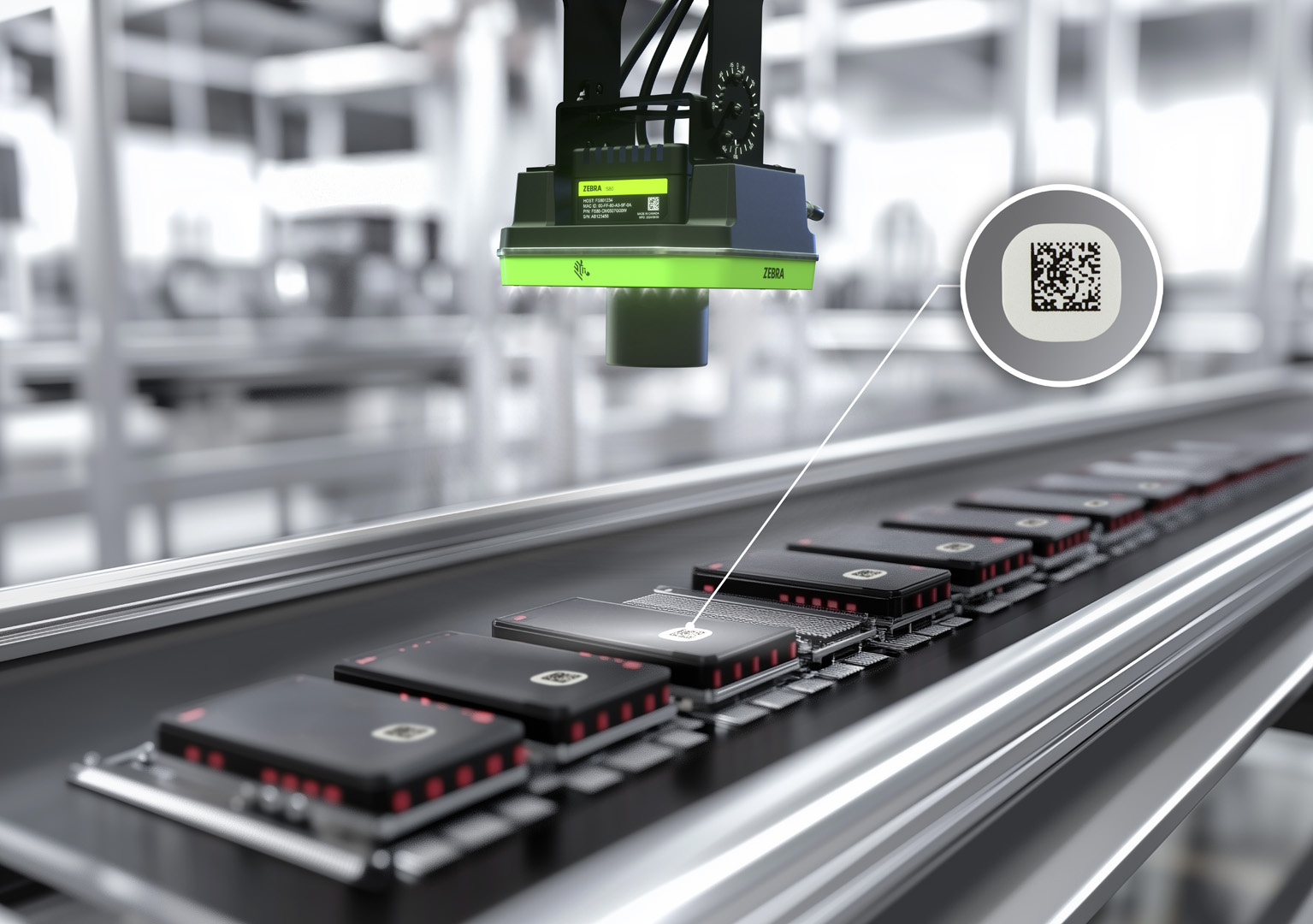
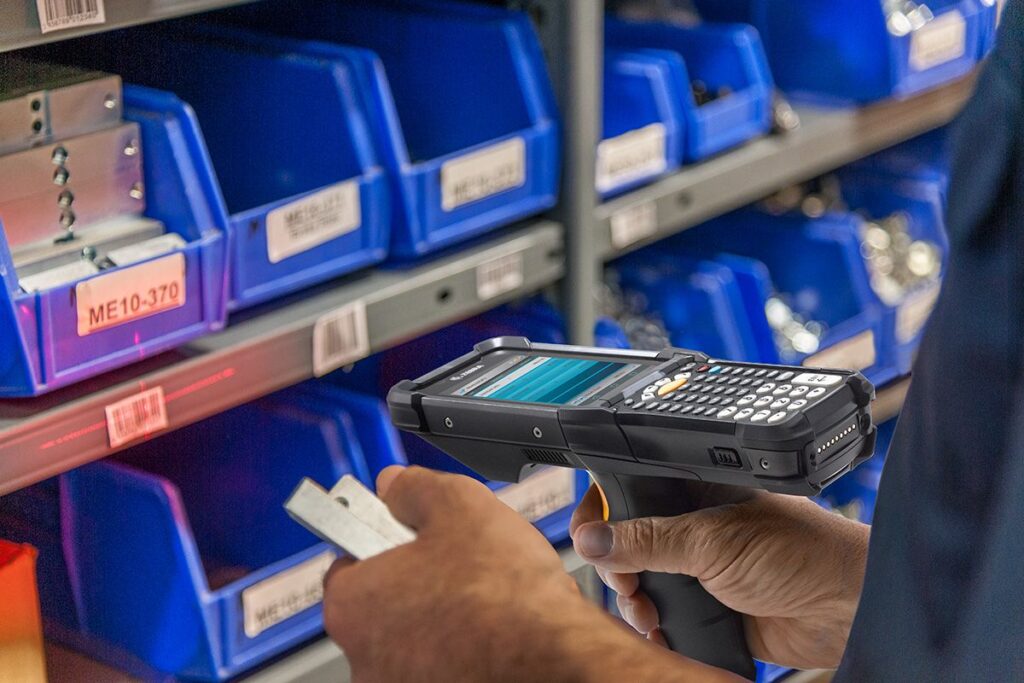
One of the basic elements that support picking are bar codes and other automatic identification technologies. With proper warehouse labeling, it is possible to quickly identify a product, location, container or logistics unit. The operator scans the indicated code, and the WMS system verifies that the pick is consistent with the task.
Types of order picking
Picking is a process that has a direct impact on the quality of customer service. Depending on the specifics of the industry, type of warehouse, assortment structure and number of orders, the WMS system allows the use of different picking strategies.
Classic order picking
The simplest form of picking is order-by-order fulfillment. The operator takes the products assigned to one order and then passes them on to a further stage, such as consolidation, packing or shipping.
Such a model may work well in smaller warehouses or for simple processes, but with more orders it quickly becomes less efficient. Operators often travel similar routes many times, which increases work time and reduces the efficiency of the overall process.
Multi order picking
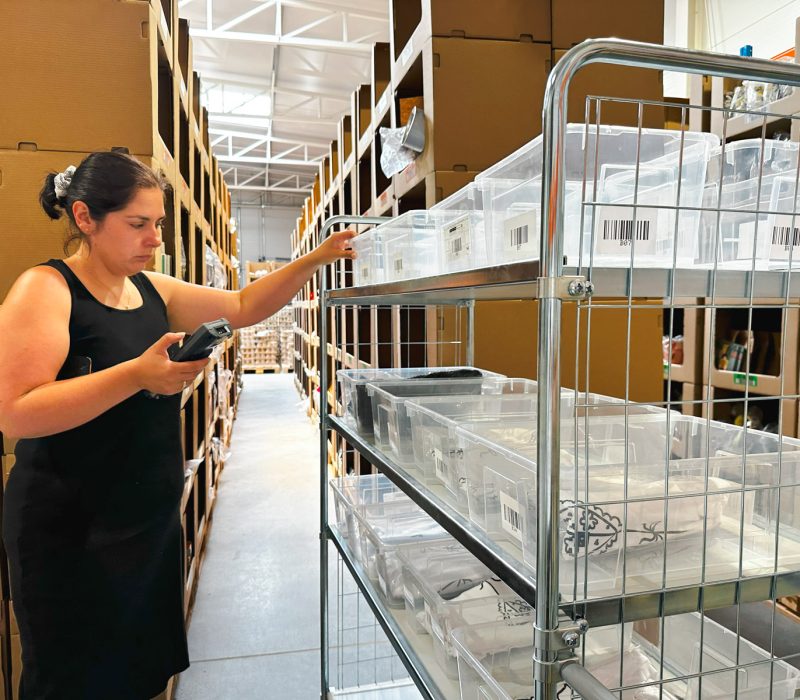
Multi order picking is a strategy that is particularly popular in e-commerce warehouses, where many orders consist of one or more items. The operator picks products for several or more orders at the same time during a single pass through the warehouse.
In practice, it can use a picking cart with compartments or bins assigned to specific orders. Once picking is complete, the goods go to the consolidation, packing and shipping area.
This model has the advantage of reducing the number of passes through the warehouse and making better use of operator time.
Batch picking, or group picking
Batch picking involves grouping orders by common products or similar references. The WMS analyzes the orders and creates groups that can be forwarded to the appropriate operators.
In this model, the operator picks a larger number of the same products for multiple orders, and then the products are separated in the consolidation or packing area. Batch picking works well where multiple orders contain similar SKUs and where reducing repetitive passes through the same locations is key.
Zone picking, or zone picking
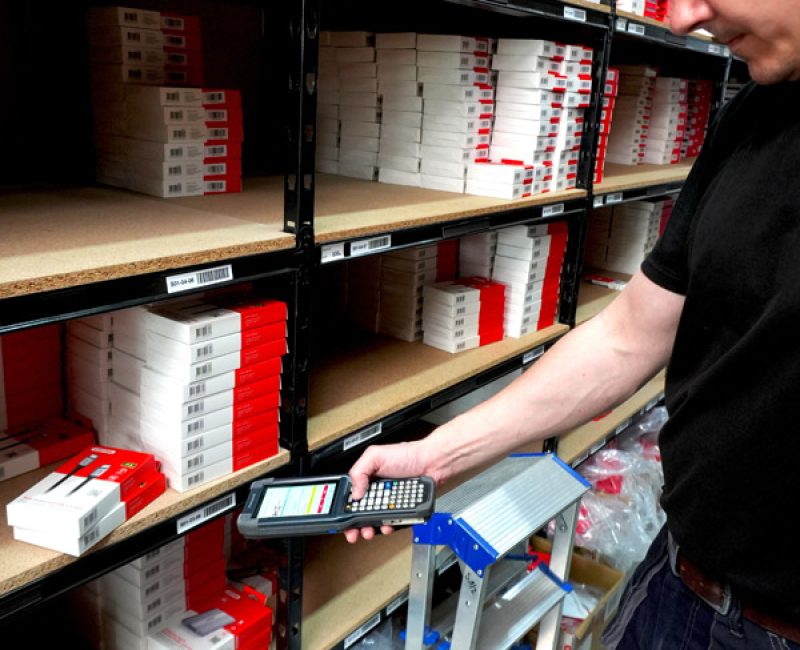
Zone picking involves dividing the warehouse into specific areas. Operators work in assigned zones and pick only the goods in their area.
This model is particularly suitable for larger warehouses, multi-level warehouses or facilities where different product groups require different workflows. An order can be completed in stages and pass through successive zones until it is fully prepared for shipment.
The WMS coordinates the flow of tasks between zones and allows you to control the status of your order at each stage of the process.
Wave picking, or wave picking
Wave picking, or wave picking, involves grouping orders into specific waves, or scheduled time windows. Orders can be combined by shipping time, carrier, delivery region, product group or fulfillment priority, for example.
Such a model helps to organize the work of the warehouse and synchronize picking with further stages: consolidation, packing and release of goods. Wave picking can be particularly useful where it is important to manage limited space, operator resources or specific shipment deadlines.
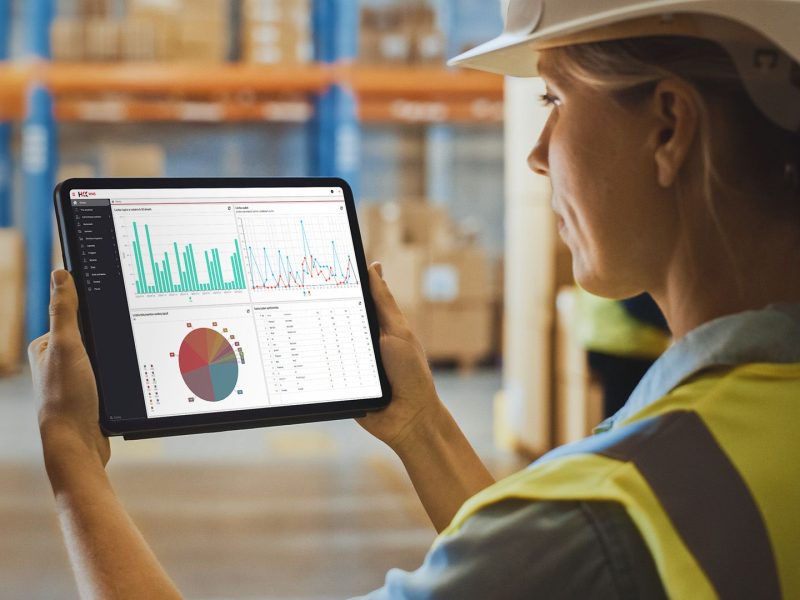
Process flexibility with WMS
Modern WMS warehouse management system provides flexible workflows that can be adapted to the realities of the warehouse and current operational needs. This is important because the picking process does not always follow a single, fixed pattern.
WMS can include, among other things:
- The weight and dimensions of products (collected, for example, thanks to Cubiscan devices),
- location of goods,
- assortment rotation,
- expiration dates,
- serial numbers,
- production batches,
- procurement priorities,
- Value-added services implemented in the picking process,
- operator availability,
- The load on the various zones of the warehouse.
Technologies to support picking
Picking efficiency can be further increased with technologies integrated with the WMS. Their selection should depend on the type of warehouse, the characteristics of the assortment, the number of orders and the expected level of automation.
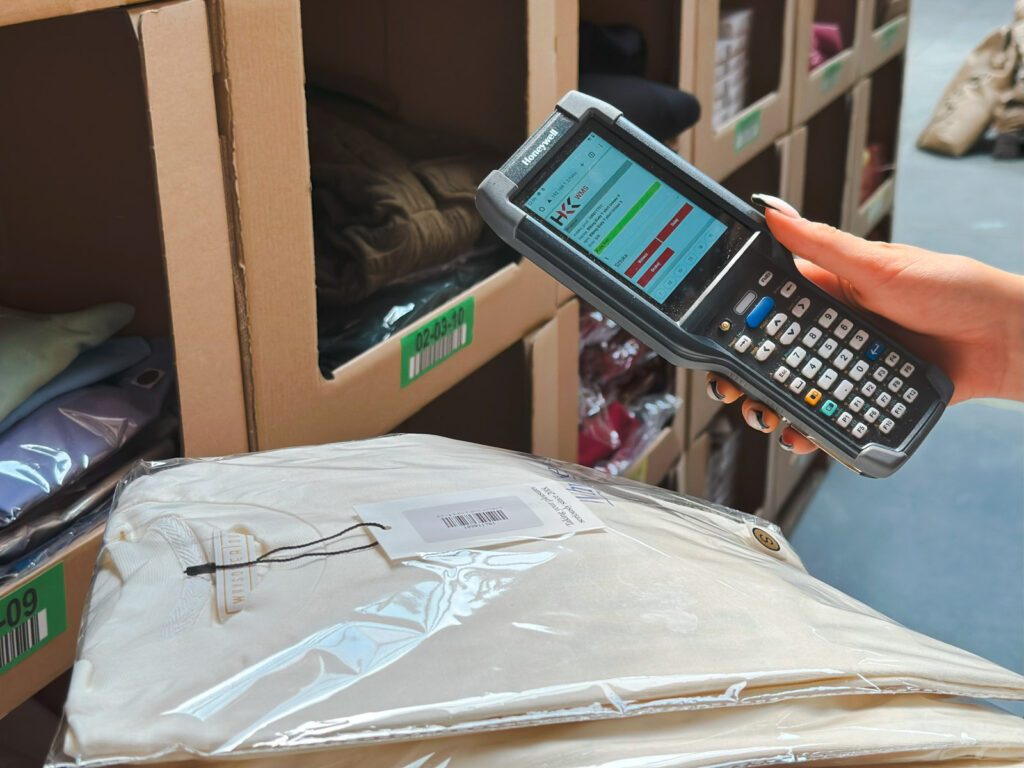
Mobile terminals and code scanners
Mobile terminals and code scanners allow operators to complete paperless tasks. The WMS indicates the location, product and quantity to be picked, and the operator confirms the task by scanning the appropriate code.
This solution increases control over the process, reduces the number of mistakes, and keeps the data updated in the warehouse system.
Pick by voice
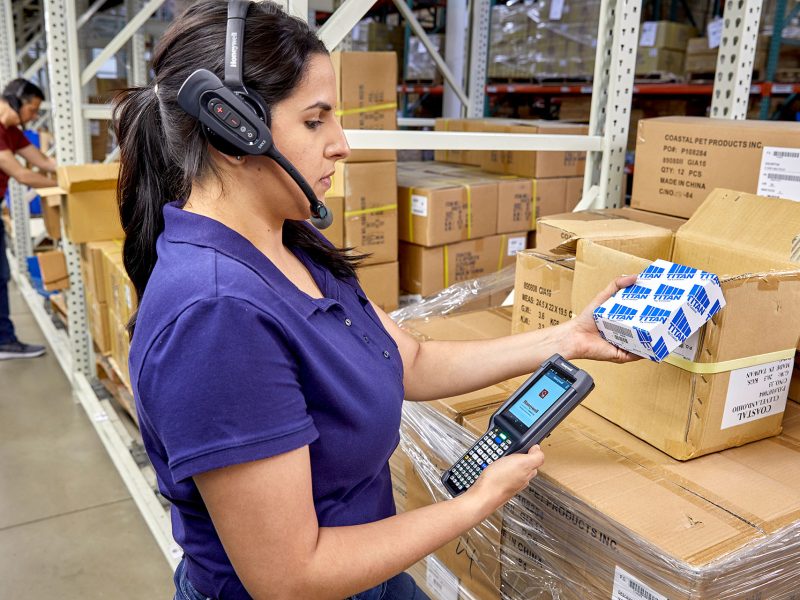
Pick by voice, or voice picking, allows the operator to communicate with the WMS using voice commands. The worker receives messages through a headset, performs the task, and then confirms it by voice.
The solution works especially well where the operator’s hands should be free and not constantly looking at the terminal screen. Pick by voice can speed up picking and reduce errors, especially in processes that require frequent movement around the warehouse.
Pick to light
Pick to light is a light technology that shows the operator where to pick the product. The system highlights the correct location and tells the operator how many pieces to pick.
Such a solution works well in fast-picking zones, with small, high-rotation products or products that appear frequently in orders.
AMR Robots
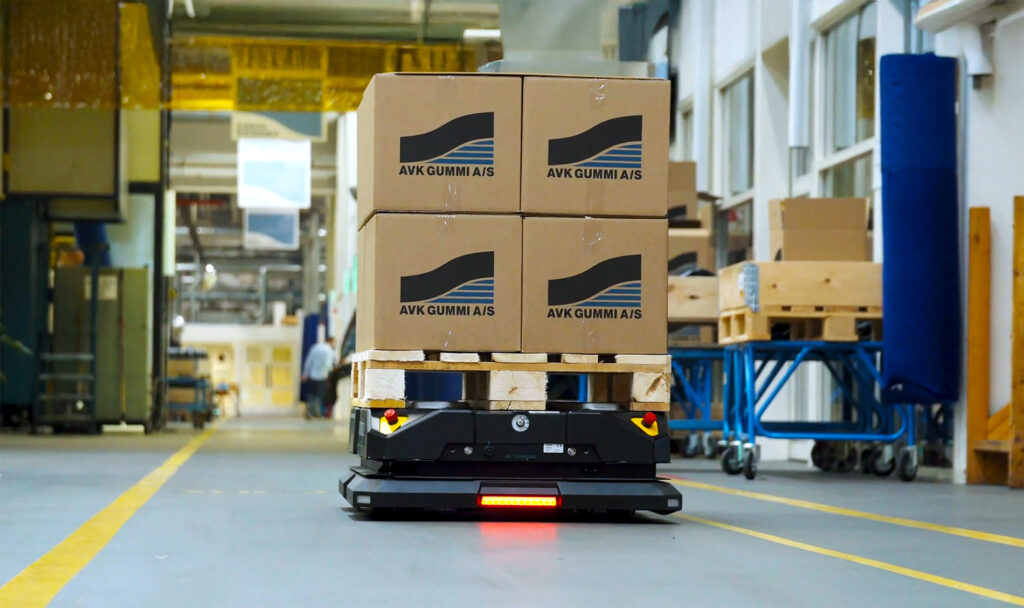
AMR robots, or autonomous mobile robots, can assist operators in transporting pallets, totes or picking carts between the picking area and the consolidation, packing or shipping area.
This allows operators to spend more time picking products and less time on internal transportation. By integrating AMR robots with the WMS, you can better coordinate workflows and streamline warehouse operations without a full reengineering of the entire process.

HKK Group as a partner in streamlining warehouse processes
HKK Group supports companies in designing, implementing and developing solutions to improve warehouse logistics. This includes WMS systems as well as Auto ID technologies, mobile terminals, code scanners, label printers, warehouse signage, voice solutions and automation of selected processes.
Depending on the needs of the warehouse, it is possible to implement solutions such as Digit.IO WMS, Blue Yonder WMS, pick by voice, pick to light or AMR robots. What is key, however, is not the use of technology alone, but matching it to the real process, scale of operations and business objectives.
Well-designed picking reduces lead times, reduces errors, makes better use of warehouse resources and improves customer service.