


Advantages of WMS - especially relevant for the SME sector
Better management of storage space
Implementation of WMS system costs a fraction of what one would pay to build or rent additional warehouse space. The warehouse management system influences better “packing” of goods in storage areas, while maintaining safety and efficiency of processes.
Real-time warehouse data
A WMS in an SME company gives instant access to up-to-date logistics data, which improves the quality of reporting and forecasting. Combining data access with a reporting engine provides management and executives with up-to-date information on warehouse inventory, turnover and performance at any time.
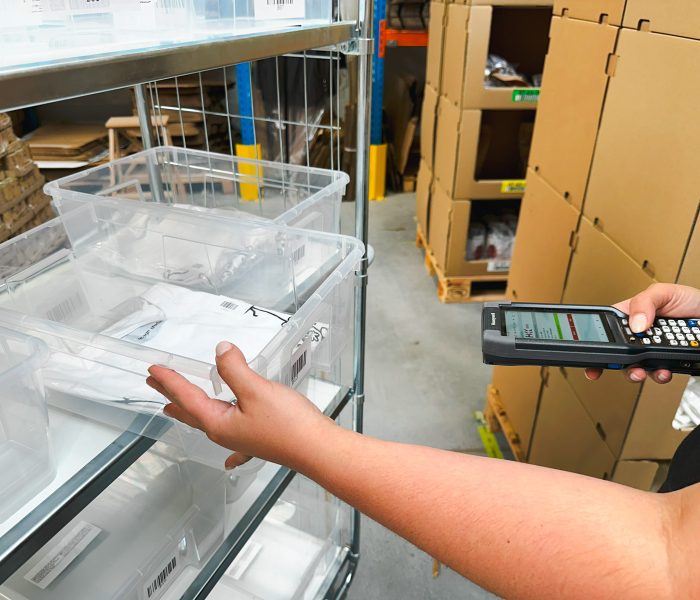
Fewer errors in warehouse processes
The WMS is based on barcode technology (and other AutoID technologies), so most processes require confirmation by scanning the product, location or packaging. This almost eliminates errors in receiving, picking and shipping.
Higher productivity in the warehouse
The WMS is a tool for controlling labor productivity. Each operator uses a mobile terminal (data collector), which is used both to handle warehouse orders and to build statistics on the work done. This makes it easier to analyze productivity, balance occupancy and plan shifts.
Preparing the warehouse for future growth
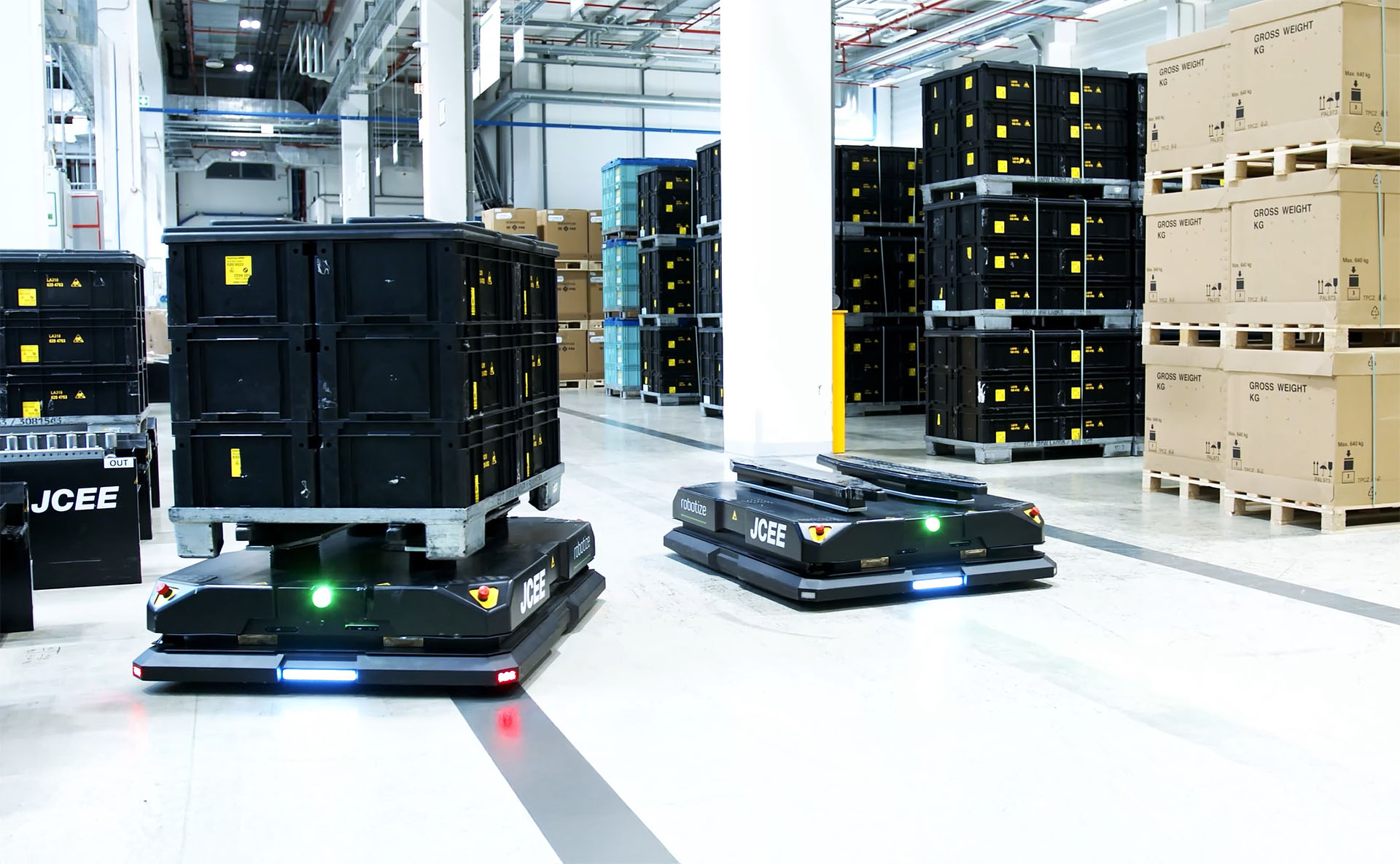
A well-implemented warehouse management system not only supports current processes, but paves the way for further automation. Among other things, it enables integration with AGV/AMR robots, warehouse automation or e-commerce platforms, which is crucial for rapid business growth.
A WMS allows small and medium-sized companies to achieve higher warehouse efficiency without costly infrastructure expansion. With real-time operation, automatic identification and mobile terminals, it significantly reduces errors and prepares logistics for further automation and growth.
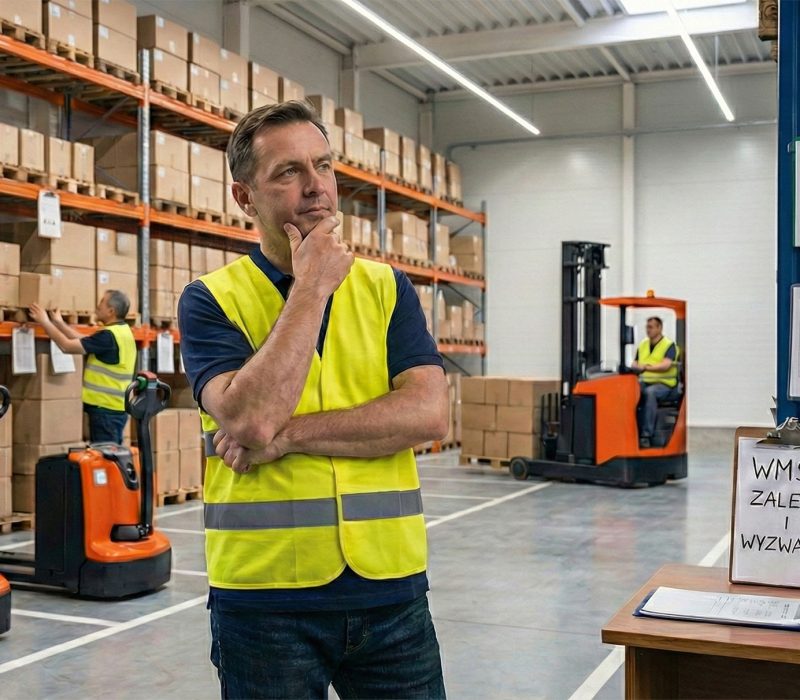
Implementing a WMS in a small or medium-sized company - the main challenges
Above, we described what changes after implementing a WMS in an SME company. The implementation process itself also has challenges to keep in mind.
Complexity of the project
Implementing a WMS is a process that takes time. It is possible to use the system in a “standard” configuration, based on implementation experience, but this carries the risk that not all key elements for a given company will be mapped. It’s worth engaging the right personnel on the customer side to ensure that clearly written expectations are reflected in the WMS configuration.
Risk of process mismatch
If the implementation is not done carefully, there is a high probability that the system configuration will not fully reflect the real business needs. This can result in user frustration and lower system acceptance.
Dependence on IT infrastructure
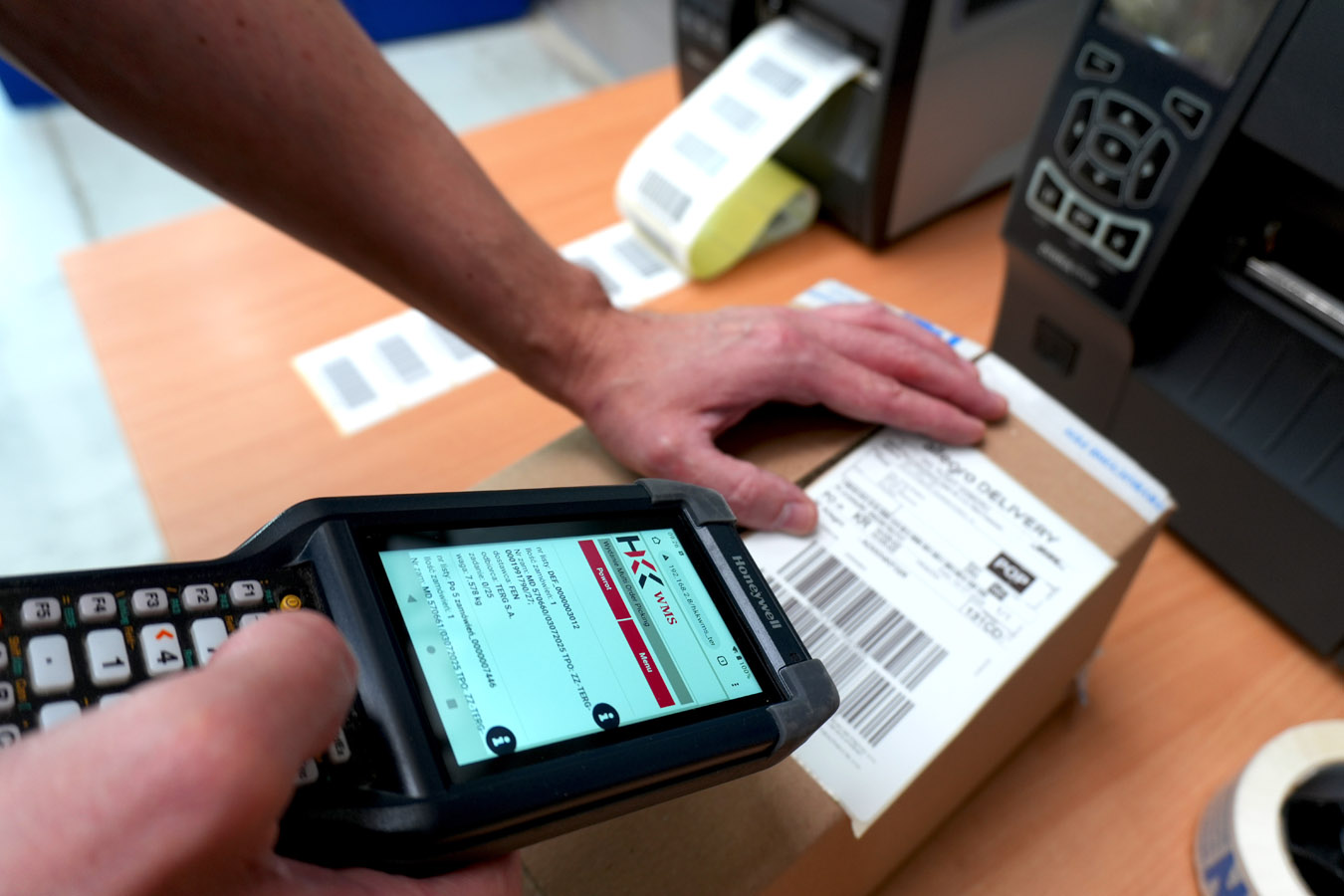
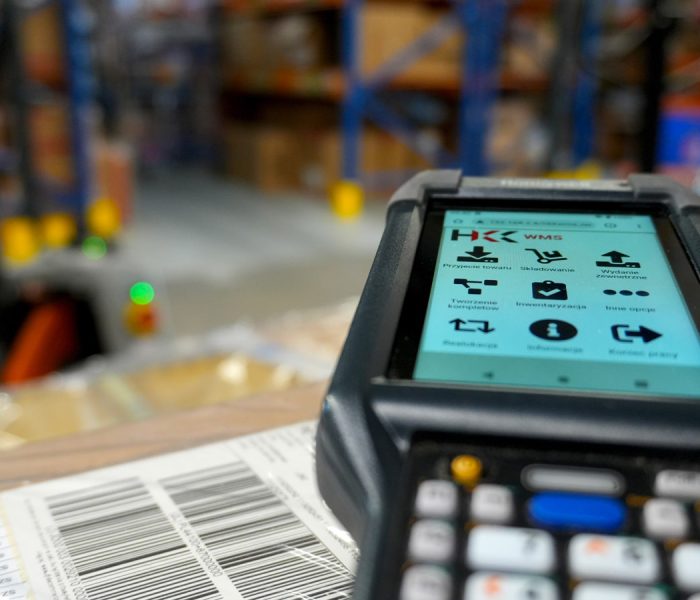
A WMS system requires the right infrastructure – mobile terminals, self-adhesive label printers, a stable wireless network in the warehouse area. These requirements should be kept in mind even before the start of the project to avoid downtime and limitations in system operation.
The human factor and user resistance
Implementing a WMS itself is one thing, starting production work is another. It is worth preparing a training plan, providing support at the start, and giving users time to develop new habits of working with the terminal and system procedures.
Integrations with external systems
To realize the full potential of a WMS, integration with other systems – ERP, courier systems, automation control systems and warehouse robotics – is necessary. Only consistent integration allows you to automate processes from ordering to shipping.

HKK Group - WMS offering for the SME sector
HKK Group has been supporting small and medium-sized companies in the digitization of logistics and WMS implementations for years. What elements of our offer are dedicated specifically to SMEs?
- DIGITIO WMS – WMS for smallsmall and medium-sized companies: a solution available in a classic and cloud model, automating warehouse logistics processes. DIGITIO WMS has interfaces with most courier companies and e-commerce platforms, making it ideal for e-commerce and distribution.
- UrzAutoID devices for warehouse operations: As a leading implementation partner, HKK provides a full hardware infrastructure – mobile terminals, label printers, barcode scanners, AGV robots – matched to the specifics of warehouse processes.
- Self-adhesive labels: HKK Group is also a label printer that provides constant access to high-quality labels for marking products, logistics units and warehouse locations.
- Warehouse signage systems: the implementation of a WMS requires proper marking of the warehouse space (e.g. storage areas, racks, zones). We design and install warehouse signage systems, tailored to the requirements of the WMS solution and the specifics of the facility.