
Why picking needs a vision system
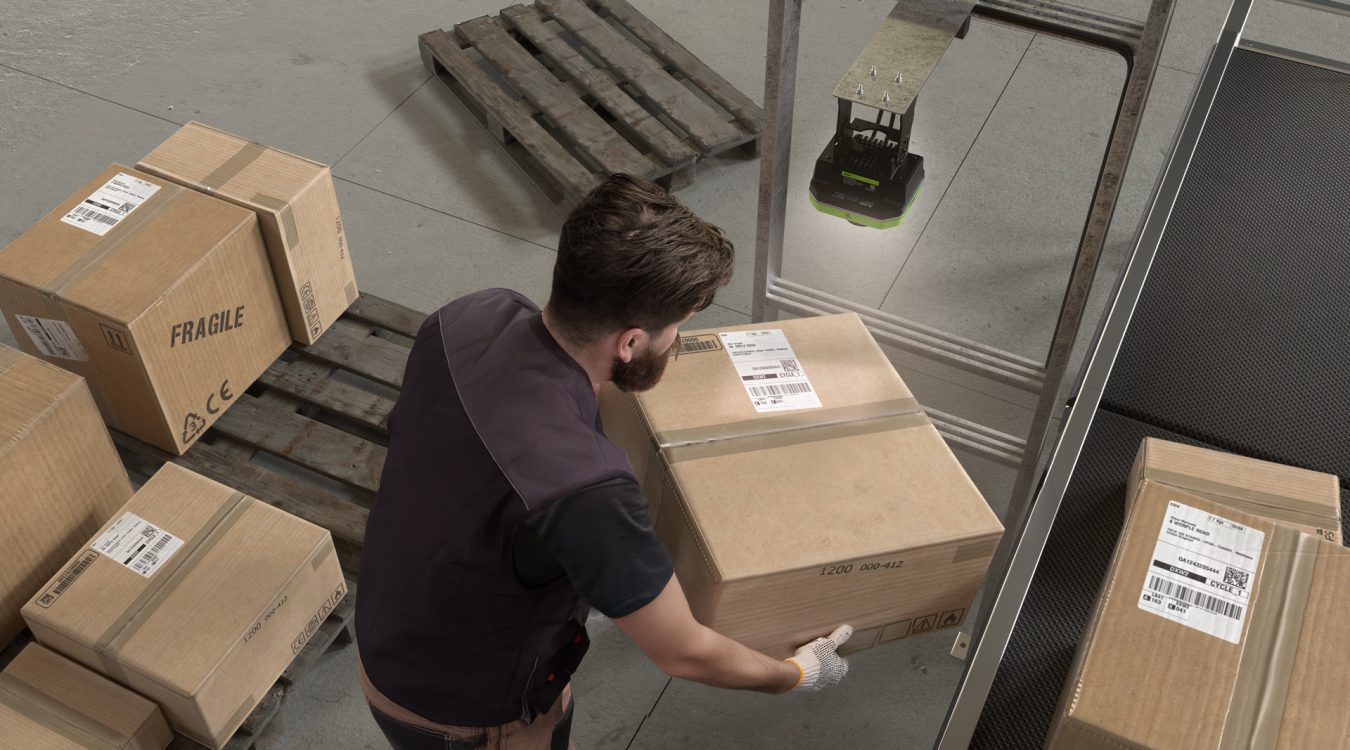
In a typical warehouse, picking and packing are the most labor-intensive and costly steps in the order fulfillment process. Manually scanning individual codes with a data collector or handheld scanner, reading small labels or rewriting serial numbers leads to errors, delays and complaints.
At the same time, there is growing pressure to reduce lead times, handle more shipments – especially in e-commerce – and maintain high delivery quality.
Vision systems with CCTV cameras and advanced software make it possible to transfer some of this work from humans to warehouse automation – without having to revolutionize the entire warehouse.
How vision system works in picking
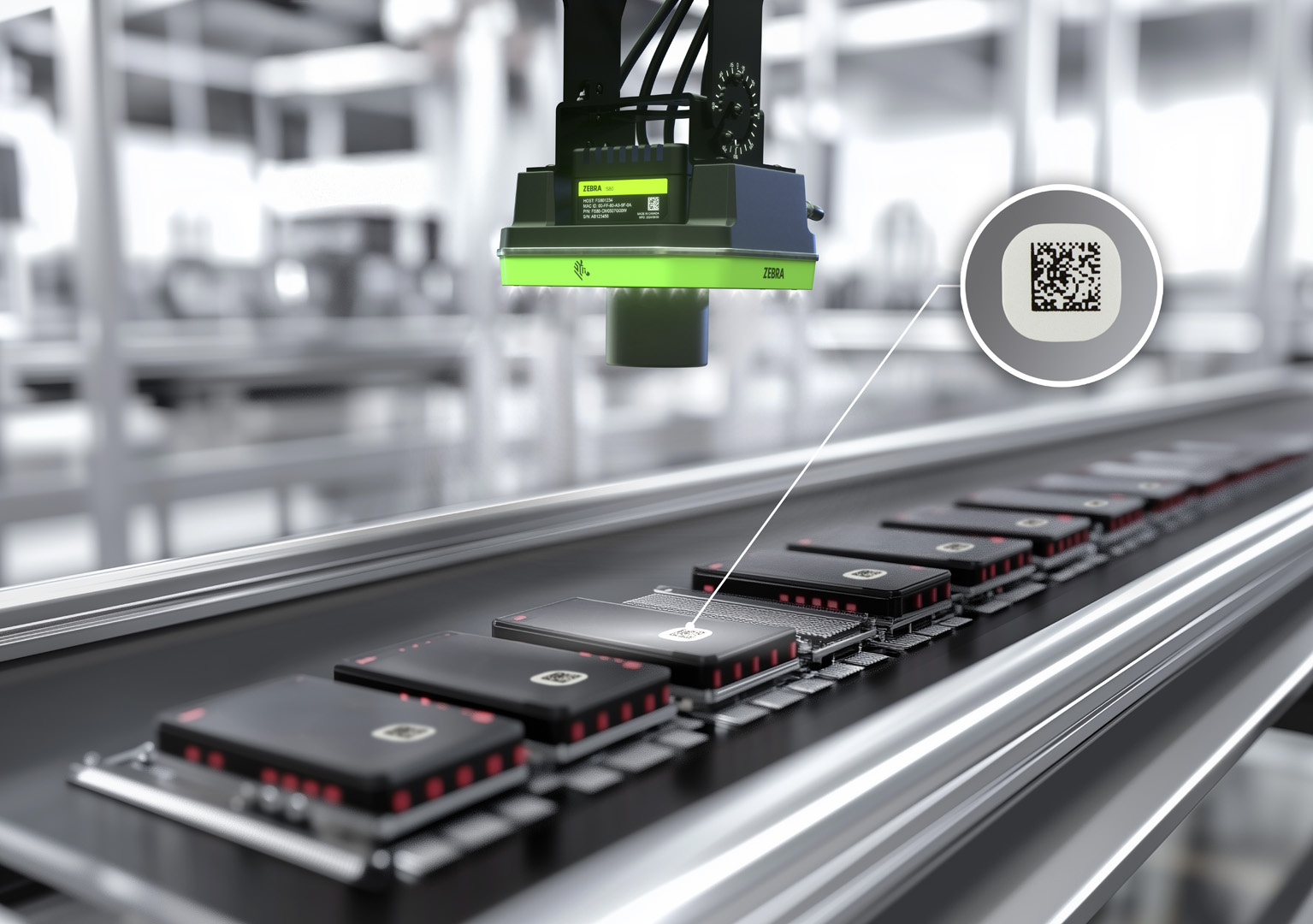
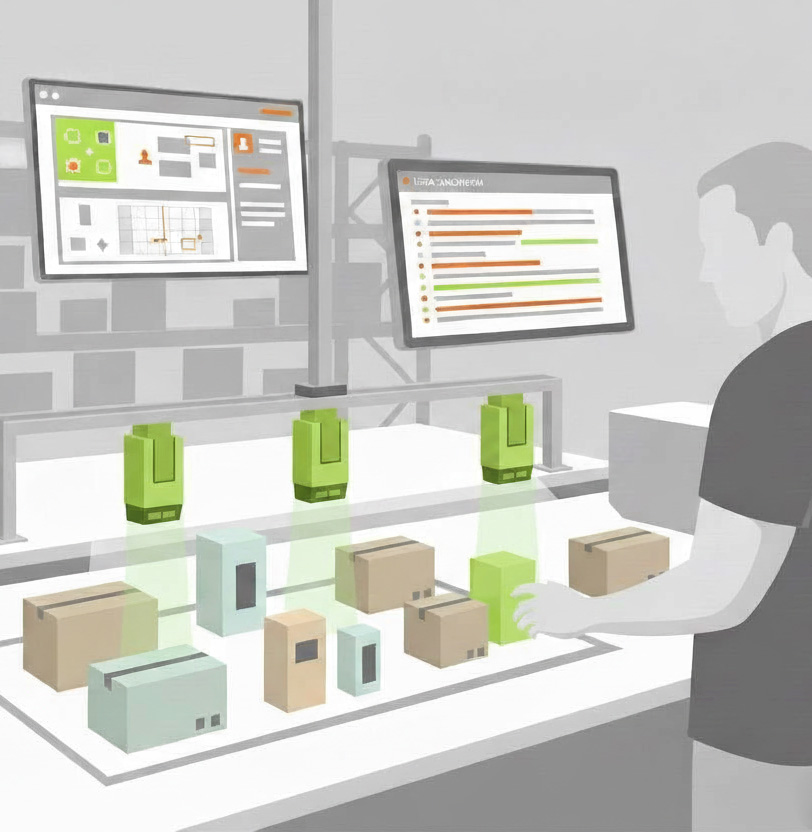
An industrial vision system for picking consists of cameras or stationary code scanners, dedicated lighting, sensors, and software that decodes and integrates the data with the WMS or ERP.
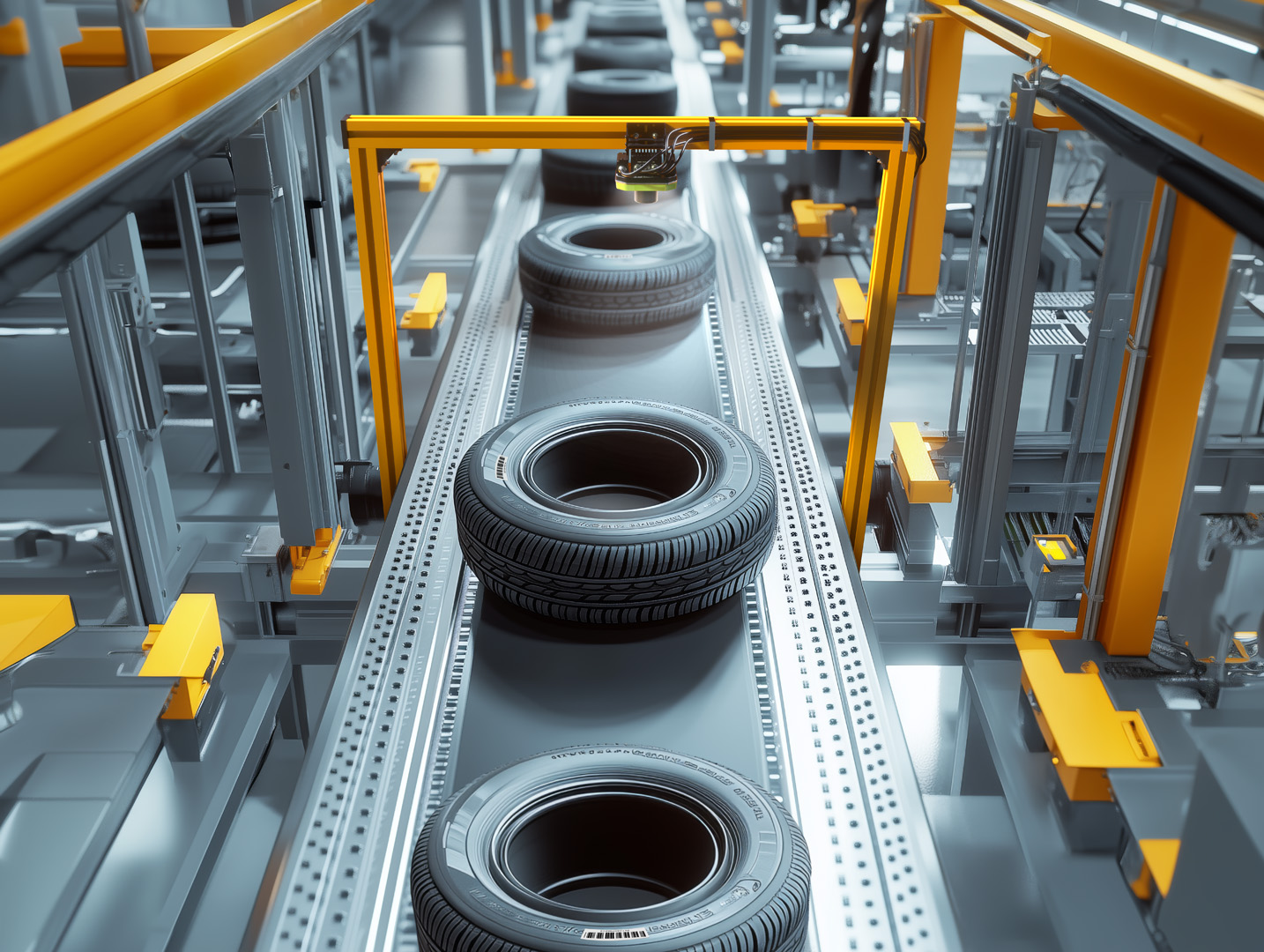
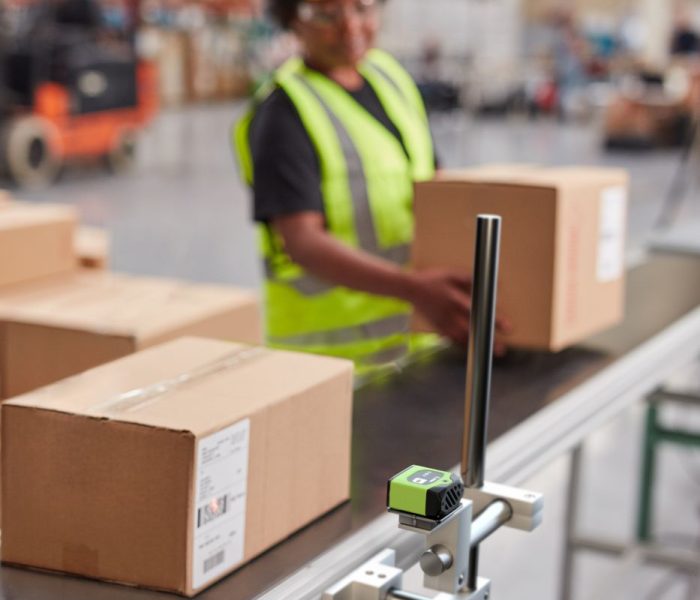
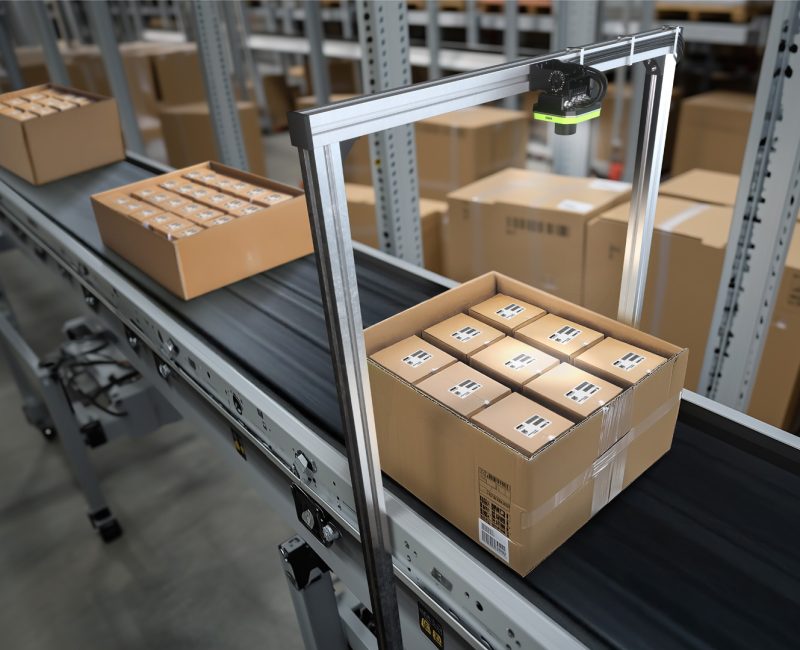
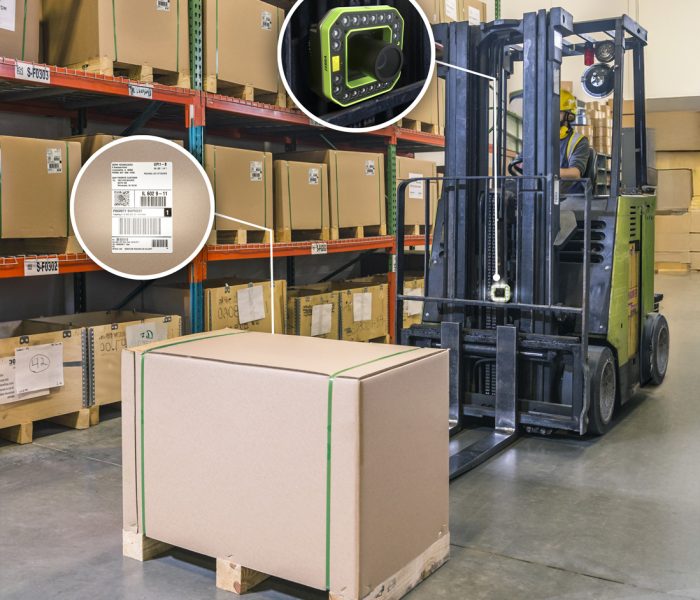
The cameras are mounted above the packing table, in the scanning tunnel, on the conveyor or directly on forklifts. Their task is automatic identification – reading 1D and 2D barcodes, OCR data and capturing product images.
A typical process is as follows:
- The operator places a few or a dozen products on the illuminated scanning surface or moves them through the camera zone. The system automatically triggers image acquisition – for example, after a signal from a sensor, a button or a pulse from a conveyor.
- The vision software decodes all visible codes simultaneously. It can read several data fields, such as lot number, serial number, expiration date or IMEI, and then assign them to a specific order in a WMS or ERP warehouse system.
- The result is immediately verified with the picking list. The operator receives a clear message on the screen: “OK” or a message about a missing or incorrect product.
Image archiving can be an integral part of the solution. The system saves images of each package, which provides proof of correct picking in case of complaints.
Key benefits for the warehouse
Modern vision systems, based on technologies from manufacturers such as Zebra and implemented by integrators such as HKK-Group, are making a real difference in the economics of warehouse picking.
Increase picking efficiency
The automatic reading of multiple codes simultaneously significantly reduces the handling time of a single package or carton compared to manual scanning.
Customers who digitize picking based on Zebra solutions – combining mobile terminals, code scanners and automatic reading – report a reduction in picking time from as much as 11 minutes to 6 minutes per package and a marked increase in the number of orders handled per day.
Fewer errors and complaints
The system compares the scanned data with the picking plan stored in the WMS or ERP system. This allows it to detect missing or incorrect product before the package is closed.
In the described implementations, Zebra technologies reduced picking errors by more than 80%, which directly translated into fewer returns and complaints.
Full tracking and proof of quality
The vision system records images and data from self-adhesive labels, making it possible to later trace the path of a particular piece of merchandise – from receipt into the warehouse to shipment.
This is especially important for products with serial numbers, expiration dates or additional regulatory requirements, such as in pharmaceuticals, electronics or automotive.
Relieve the burden on employees and implement new people faster
The employee does not have to search for the barcode on each package and scan it separately. Its role is limited to the correct placement of products and responding to clear “OK/NOK” signals.
In solutions based on Zebra mobile terminals, training time for a new warehouseman is counted in minutes, and clear visual messages reduce stress and the risk of mistakes.
Where to use a vision system for picking
The technology is flexible and allows the architecture to be tailored to a specific process – from a simple packing station to complex logistics automation systems.
Packing tables and shipping areas
Cameras mounted above the packing table verify the contents of each package before it is closed. The solution works especially well in e-commerce, electronics distribution, spare parts and FMCG, where there are many items in one box.
Scanning tunnels and DWS systems
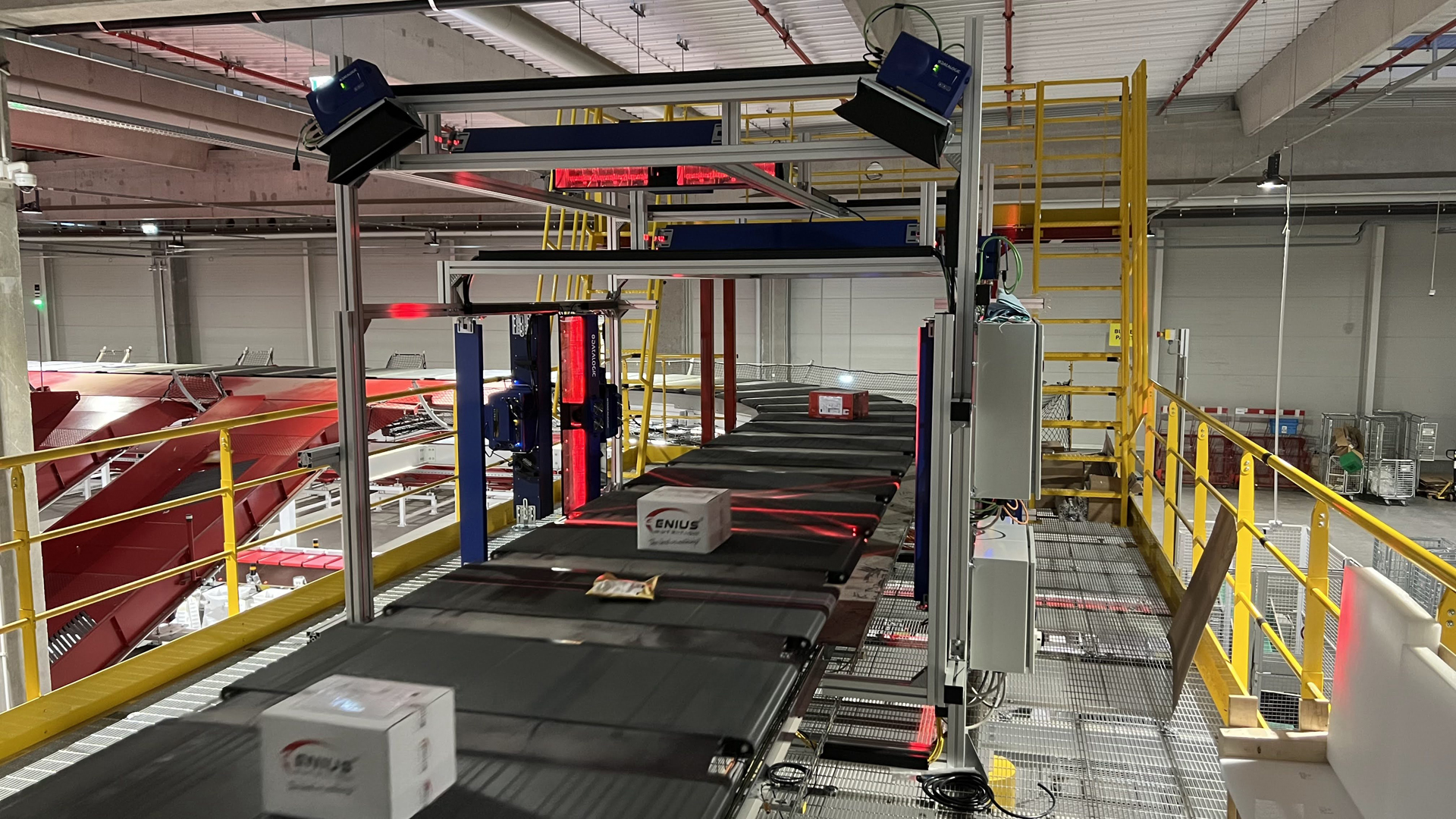
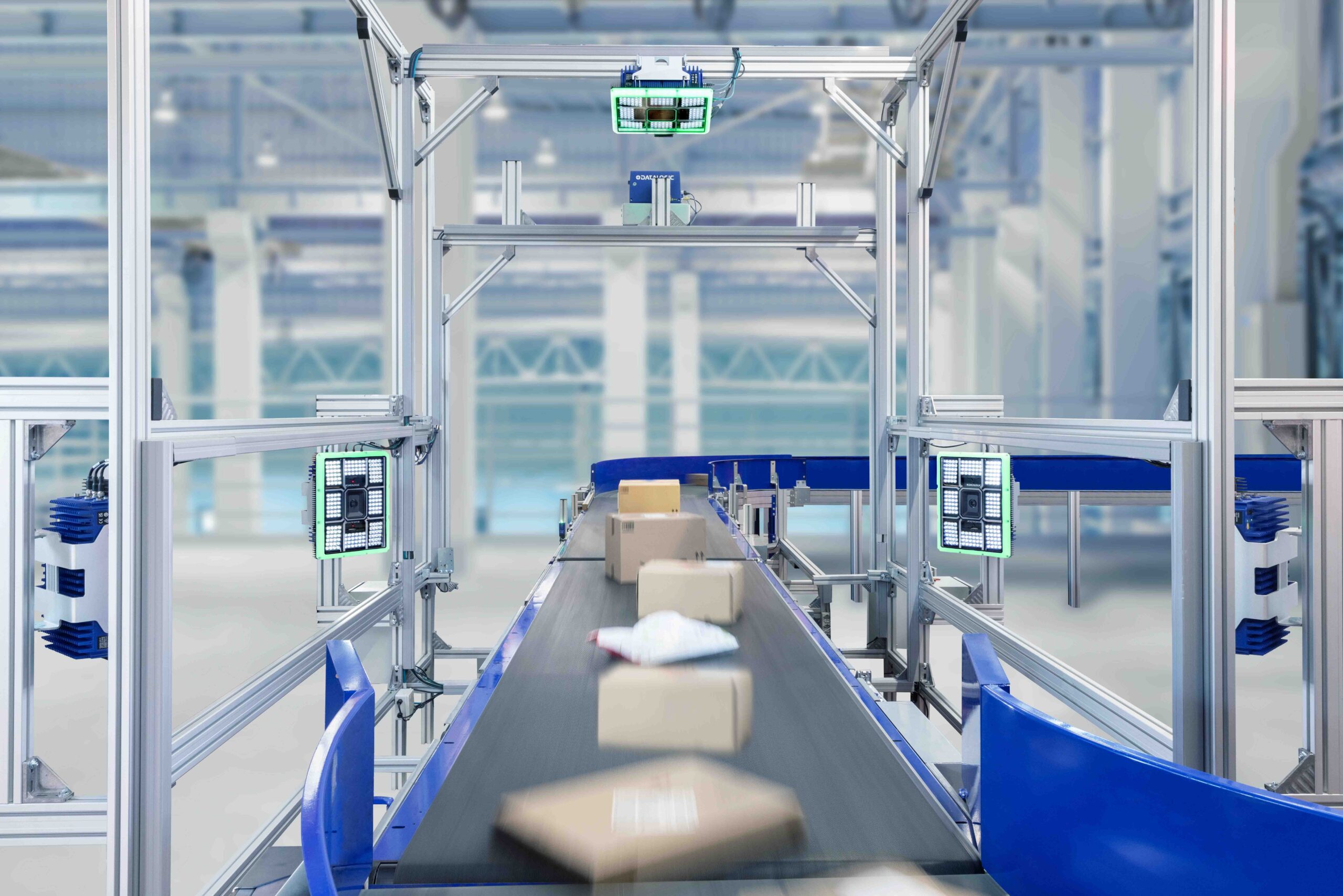
Multi-camera systems mounted above and on the sides of the conveyor read codes from multiple sides, measure the dimensions and weight of packages (DWS – Dimensioning, Weighing, Scanning) and record the image. They are used in distribution centers, courier sorting plants and large shipping warehouses.
Systems on forklifts and picking trucks
Trolley-mounted cameras or scanners automatically verify pallets and locations as they travel – no need to stop and manually scan.
Such solutions increase the efficiency of pallet replenishment and picking, and reduce errors in warehouse labeling and misplacement of goods.
Logistics gates at reception and release
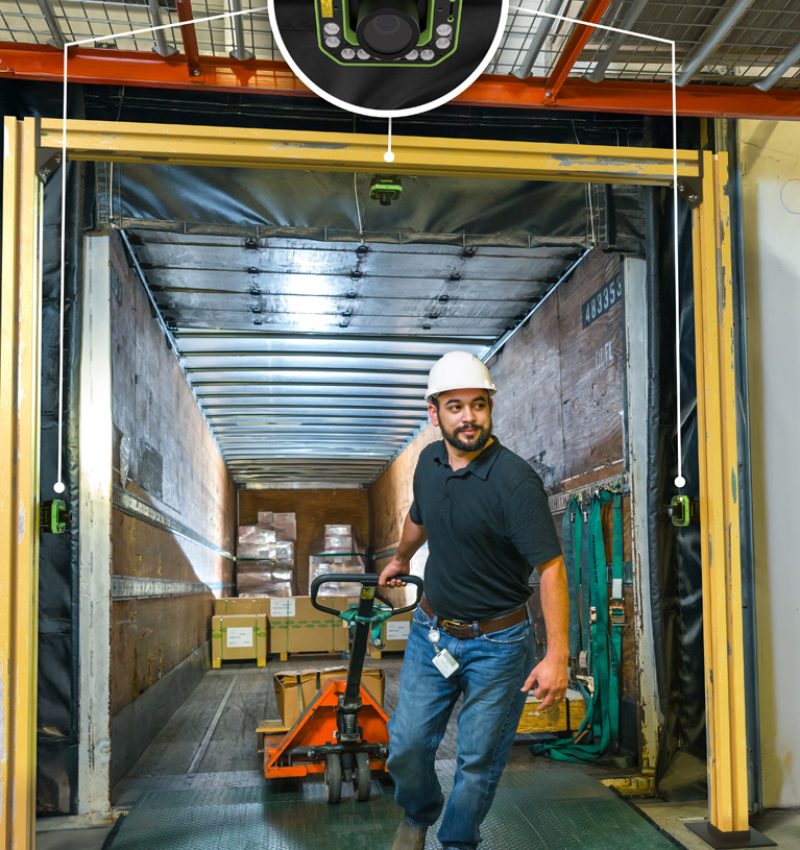
Camera sets or RFID systems at the docks allow automatic inspection of pallets entering and leaving the warehouse, including verification of contents and correctness of labels.

The role of the integrator - from design to service
For a vision system to realistically support picking, not only is the quality of the cameras and code scanners crucial, but also the integrator’s experience in the area of warehouse logistics and WMS systems.
Companies such as HKK-Group combine equipment from leading manufacturers (including Zebra) with in-house software, workstation design, integration with a warehouse, ERP or MES system, and auto id device service.
Good partner:
- Analyzes the current picking process and identifies bottlenecks,
- selects the right type of cameras, lenses and lighting,
- Designs ergonomic workstations,
- Integrates the solution with an existing WMS,
- Prepares reports and dashboards for error control, performance and complaints.
When is it worth implementing a vision system - summary
A vision system to support picking makes the most sense where:
- The number of orders is growing rapidly,
- The value of the products is high,
- The cost of picking error is significant.
If the goal is to reduce picking times, reduce errors and have hard proof of exactly what was shipped to the customer, investing in a vision system with Zebra technology and implementation by an experienced integrator such as HKK-Group is a natural step toward modern warehouse automation.