
Fast navigation
- The beginnings of identification in business
- Who invented the bar code?
- Types of barcodes – one-dimensional (1D) codes
- Types of barcodes – two-dimensional (2D) codes
- Why are certain sectors migrating to 2D standards?
- What are the primary benefits of 2D codes?
- Two-dimensional codes and benefits for supply chain participants.
- 2D codes – an itinerary, or what awaits us in the future?
- Every country, a code
- Printing barcodes – in-house or outsourced?
- How to read the barcode?
- Barcode verification
- Barcodes mean greater efficiency for your organization
- Alternatives to barcodes: 2D codes and RFID
The beginnings of identification in business
The first tentative steps toward modernizing product identification were taken in 1932. That’s when Wallace Flint and a small group of students at Harvard University tried to create a new solution for American stores. The idea was that customers would pull out a perforated card that would be assigned to a specific product. Such a card would then go into a special reader, and the product would travel from the store to the point of sale, where after payment the consumer would receive a bill. The system was to automatically make the necessary changes to the records, so that both store staff and warehouse workers would know what was currently in stock and what had already been sold.
Who invented the bar code?
The idea was ambitious, but it wasn’t until 1948 that we can talk about something we know these days as the bar code. At the Drexel Institute of Technology in Philadelphia, a conversation took place between an entrepreneur in the local food business and one of the university’s deans. Bernard Silver was fortunate enough to be near the talkers and did not fail to share the revelations he had heard with Norman Joseph Woodland. At this point, research began on the first bar codes.
At first, the inventors planned to use ink visible in ultraviolet, but the idea was quickly abandoned, due to the instability of the ink and the excessive cost of production. The first real barcodes resembled shooting targets (hence the name “bull’s eye barcodes”). Despite fairly advanced work on their invention, Silver and Woodland were unfortunately not financially successful. In 1966, the first barcode entered commercial use, and this took place four years after Silver’s death. Woodland was recognized in 1992 by President Bush, when he received the National Medal of Technology award.
Types of barcodes
One-dimensional (1D) codes
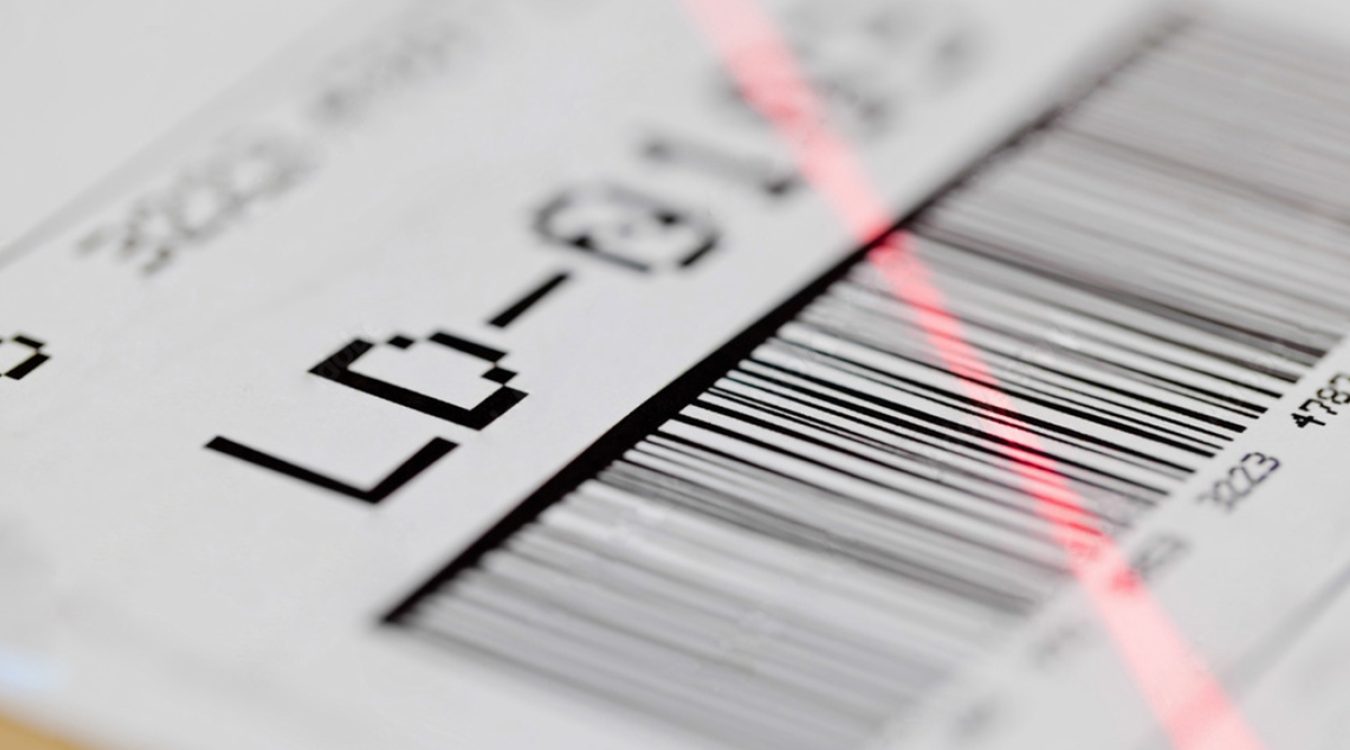
Today’s barcodes differ significantly from their protoplasts. The most common and best-recognized pattern used to encode information are one-dimensional (1D) codes. These are the dark and light dashes familiar to everyone, which, arranged in a single line with appropriate spacing, carry specific information about a product.
Since it’s been a while since the invention of technology to encode information in graphic form, we can find many different varieties of barcodes on the market. Over the years, however, certain standards have clarified, according to which businesses around the world conduct automatic identification. Among the most popular one-dimensional graphic designations we can find EAN-13, EAN-8, Code 39, Code 128 and ITF-14 codes . Let’s take a closer look at each of them:
EAN-13 and EAN-8
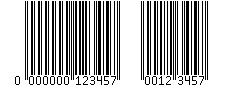
(European Article Number – European Commodity Code) – a family of EAN codes created in 1977. In trade, we distinguish between EAN-13 and EAN-8 versions. “Thirteen” consists of 12 data digits and one check digit, while “eight” has 7 data digits and one check digit. The first 3 digits (GS1 prefix) indicate the country in which the product was registered (this is not equivalent to the country of origin of the good). EAN-13 is used for large-size packages, while EAN-8 works better on smaller ones.
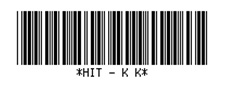
Code 39
Each character in this code consists of 9 stripes (5 black and 4 white). Three of the bars are wider than the others, which gave rise to the name Code 39 (3 of 9). This code is attractive to the user, mainly because almost any barcode reader can read it. Due to its low data density, Code 39 is not recommended on small products.
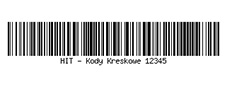
Code 128
It consists of 11 black and white dashes. The advantage of the code is that it can accommodate a large amount of information in a relatively small area. A subset of Code 128 is GS1-128, which finds use in global transportation and product packaging.
ITF-14
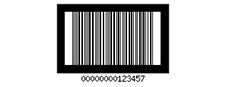
Adaptation of Code Interleaved 2 of 5. It is used to encode the Global Trade Unit Number. It is made up of 14 decimal digits, with each digit consisting of five bars. A distinctive black border protects the entire code. ITF-14 is typically used in marking bulk packaging.
Two-dimensional (2D) codes
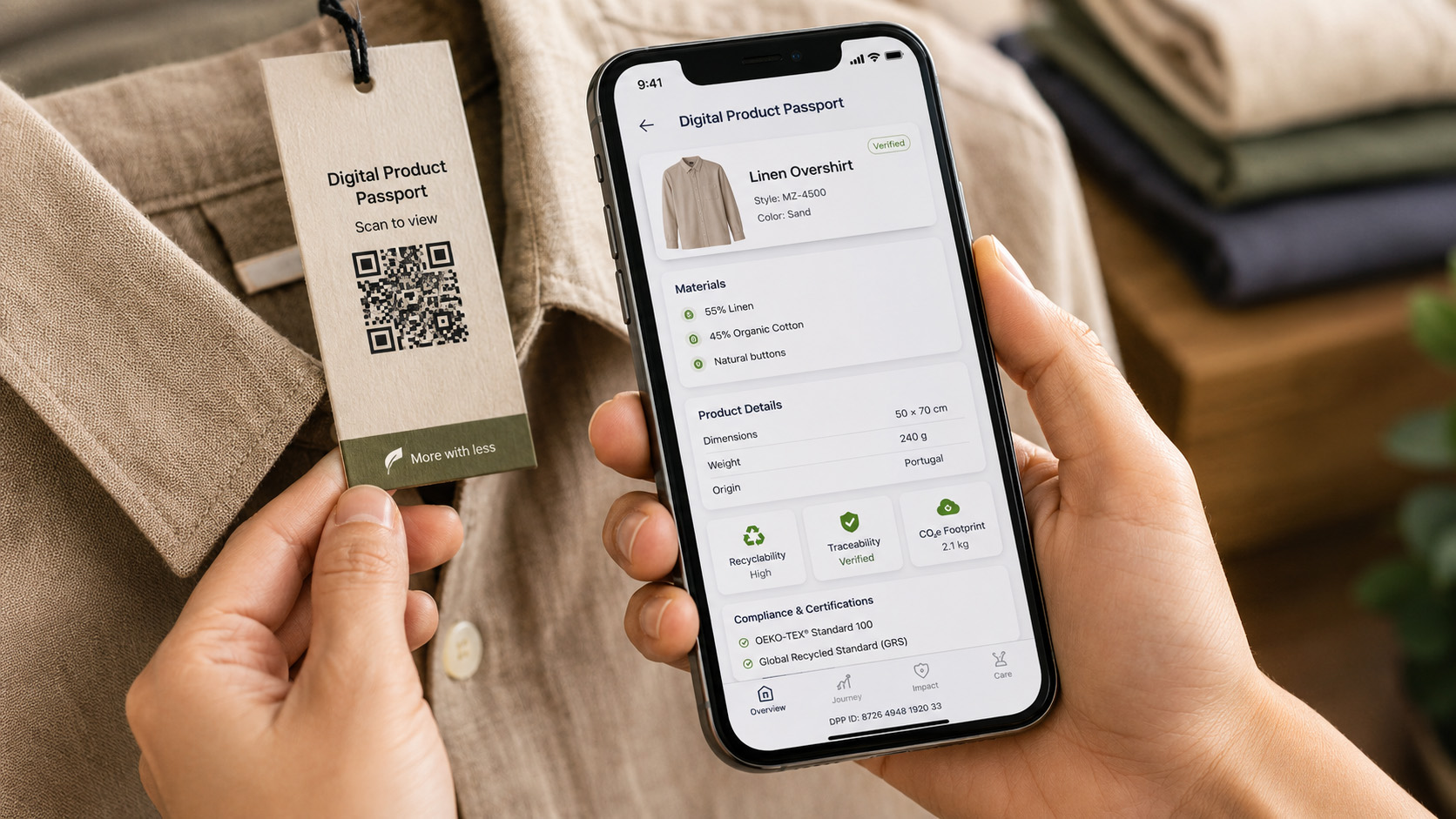
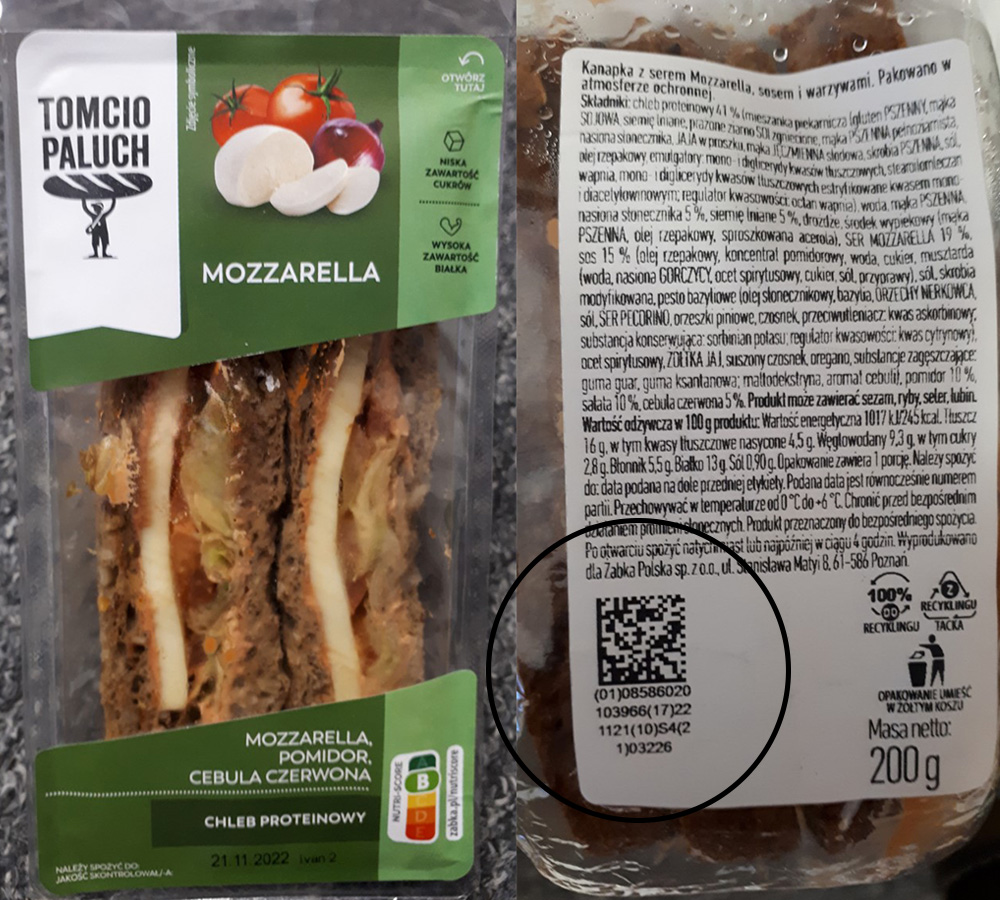
We can also find two-dimensional (2D) codes in circulation. In the case of these codes, the main role is played by two-dimensional images composed of black and white squares. All 2D codes have a huge advantage over traditional one-dimensional codes – the ability to store much more information while maintaining a smaller size of the code itself.
Interestingly, unlike 1D codes, two-dimensional versions can also be used to record more complex graphics or even sound. Identification by some of the 2D codes is also being imposed by major institutions (such as the traceability requirement in the tobacco industry ordered by the European Union).
Due to the structure and commonness of use, we distinguish between several two-dimensional codes:
DataMatrix
A matrix barcode developed by the International Data Matrix company. DataMatrixes use square modules, arranged inside a search pattern. The great advantage of this type of code is that it scans quickly and reliably, even in the event of significant damage.
QR code
Developed in Japan in the 1990s. It is one of the best recognized 2D codes in the world, and one of the most widely used in various industries. QR allows encoding characters from a wide variety of alphabets, making it suitable for use in countries where the Latin alphabet is not mandatory.
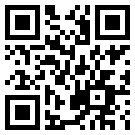
Aztec Code
A square surface with a core (black dot) in the center, surrounded by a white border, which in turn is again surrounded by a black border. The name is a reference to the temples
2D codes are becoming increasingly popular-why are certain sectors migrating to 2D standards?
Consumers, the retail sector and other participants in the supply chain, expect even more possibilities to obtain information after scanning the code on a product. The classic bar code and especially the one-dimensional EAN 13 code, which is widely used in the retail sector, has one very important limitation.
We are talking about the amount of data that can fit in such a code (in the case of EAN 13 code, it is only 13 characters). Another major limitation of one-dimensional codes, is that they are far less readable with consumer-owned devices, such as a smartphone. These two factors will probably determine the future of barcodes and 2D codes in the retail sector.
What are the primary benefits of 2D codes?
Two-dimensional codes are a benefit to everyone in the supply chain
Two-dimensional codes in warehouses and distribution
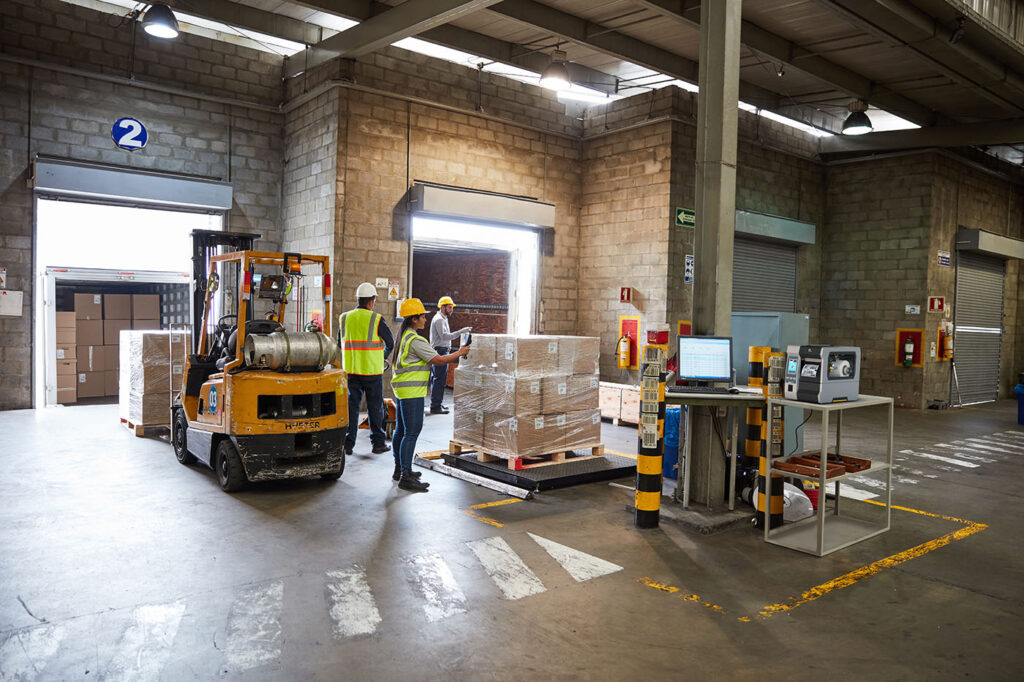
- Support for lot/serial numbers in a single code: already at the stage of product marking by the manufacturer, lot and serial numbers can be assigned by putting it in a 2D code.
- Support for handling expiration dates: a two-dimensional code can have information about expiration dates, which in turn allows them to be better handled by a WMS-class warehouse management system.
- Product serial numbers: by using 2D codes, it becomes possible to handle serial numbers without generating additional labels. Serial number is a very important element for industries related to electronic devices or home appliances.

Two-dimensional codes in B2C and B2B circulation
- Support for traceability at every stage of the supply chain: the use of a two-dimensional code (whether in the Datamatrix standard or the QR Code standard) enables quick identification of product location, without the need for specialized hardware or software.
- Simplifying the registration/authentication process of the product which can have an impact on the satisfaction of its use.
- Simplifying the ability to recall a product by scanning a two-dimensional code.
- The integration of data on serial numbers, best-before dates, dimensions and much more increases transparency in the supply chain.
- Strengthen customer connectivity by integrating marketing tools with 2D code content.
Supporting a sustainable economy in the area of food production
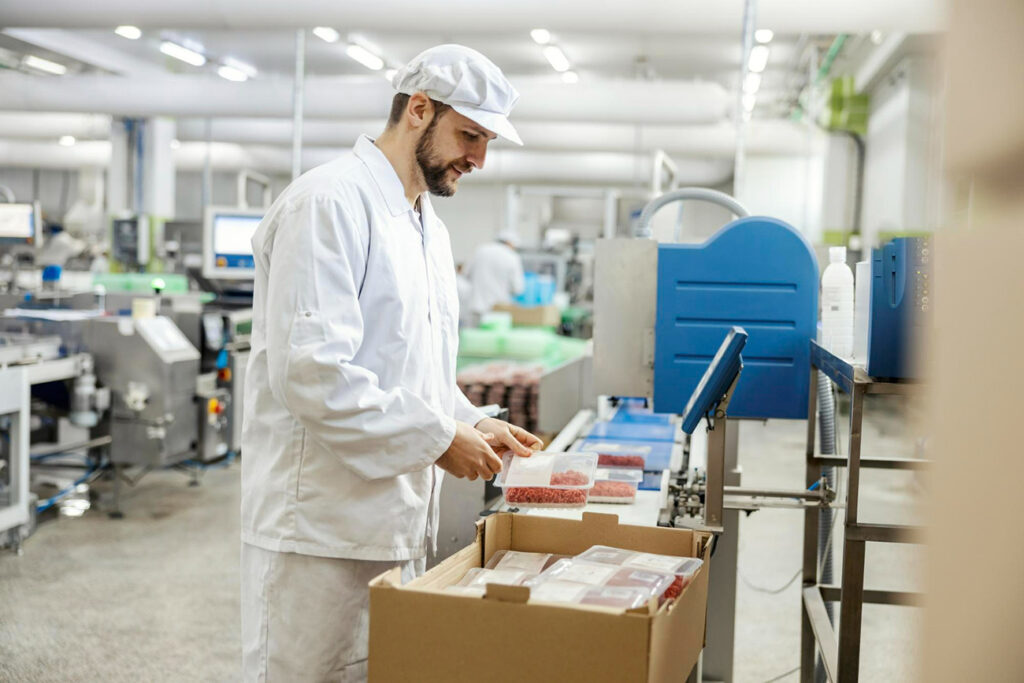
- Reducing the amount of food wasted through better control of expiration dates.
- Increasing transparency in the supply chain, and consequently streamlining the distribution process with expiration dates.
- Better control of food quality and safety.
- Safeguarding against the influx of untested/dangerous food.
Two-dimensional codes - itinerary.
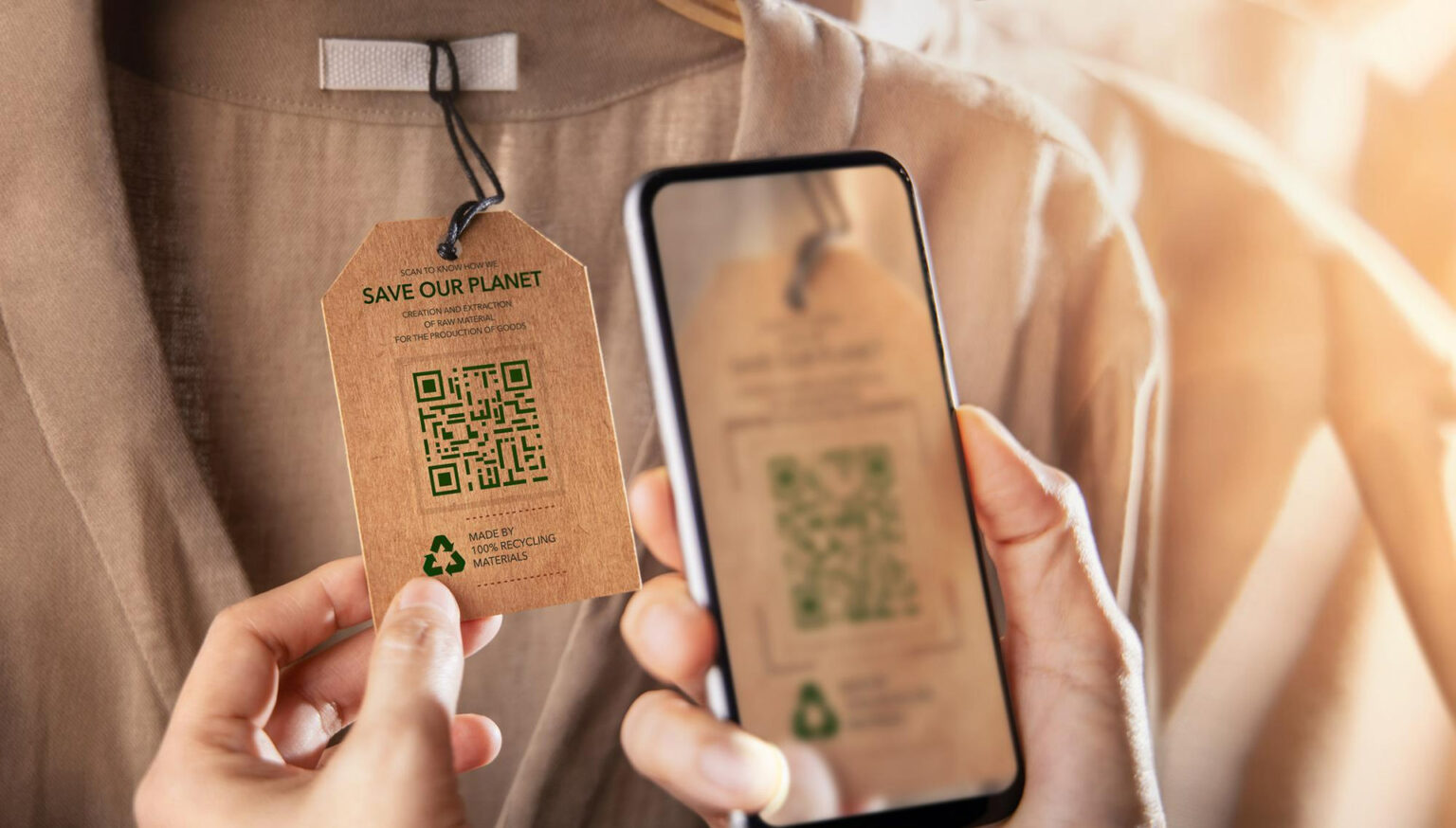
Supply chain participants, especially those involved in the retail sector, should expect big changes, and in the near future. GS1 and the Consumer Goods Forum recently announced an ambitious but feasible plan to transition to 2D codes (especially Datamatrix) in the retail sector as early as 2027. This declaration is being followed by a number of initiatives by retail chains from many countries that are making a commitment to introduce the widespread use of 2D codes.
What does it take to use 2D codes? First of all, you need a change from barcode reading devices to barcode and 2D code reading devices. It is about changing the code reading technology in code readers (code scanners) from laser to vision (imager). This is the right major change that will open the gates of global and widespread use for 2D codes.
What country is... code
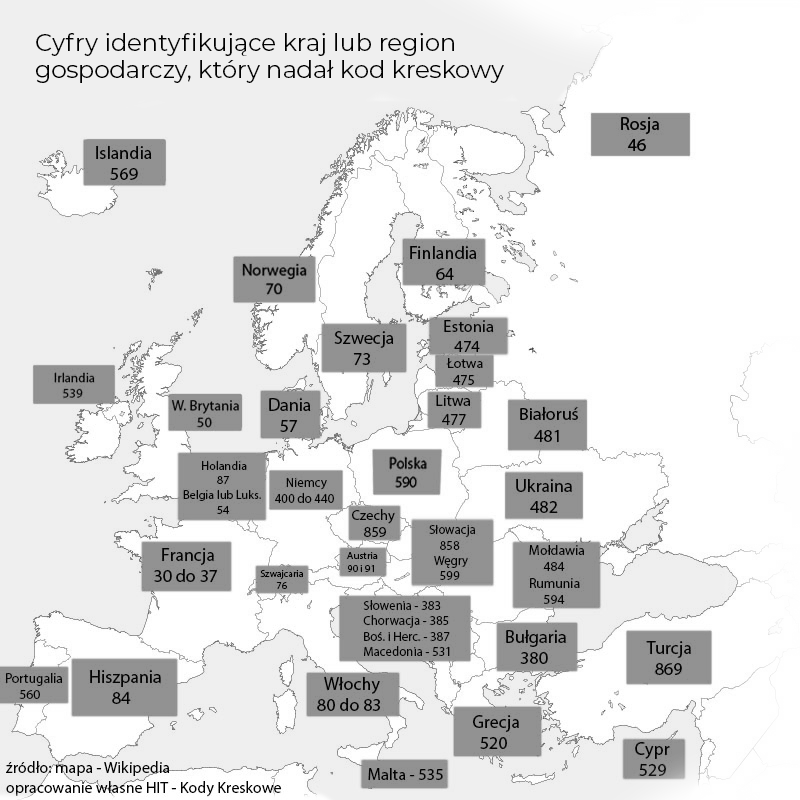
Have you ever wondered what kind of bar code Poland has? According to globally applicable standards, each country is assigned a specific number that automatically identifies the country assigning the barcode. Most often, the number system consists of two digits, less often three. Following this pattern, Poland has the number 590, and Germany, for example, from 400 to 440. Next to it is a list of prefixes of European countries issuing codes.
Printing barcodes - in-house or outsourced?
Companies can choose to create their own base and print barcodes themselves. For this you need a label printer that will print the code on a specific material. It is also worth noting that such a solution usually works when we do not need large volumes. In the case of greater demand, we usually need to send an inquiry to a company that does wholesale printing professionally.
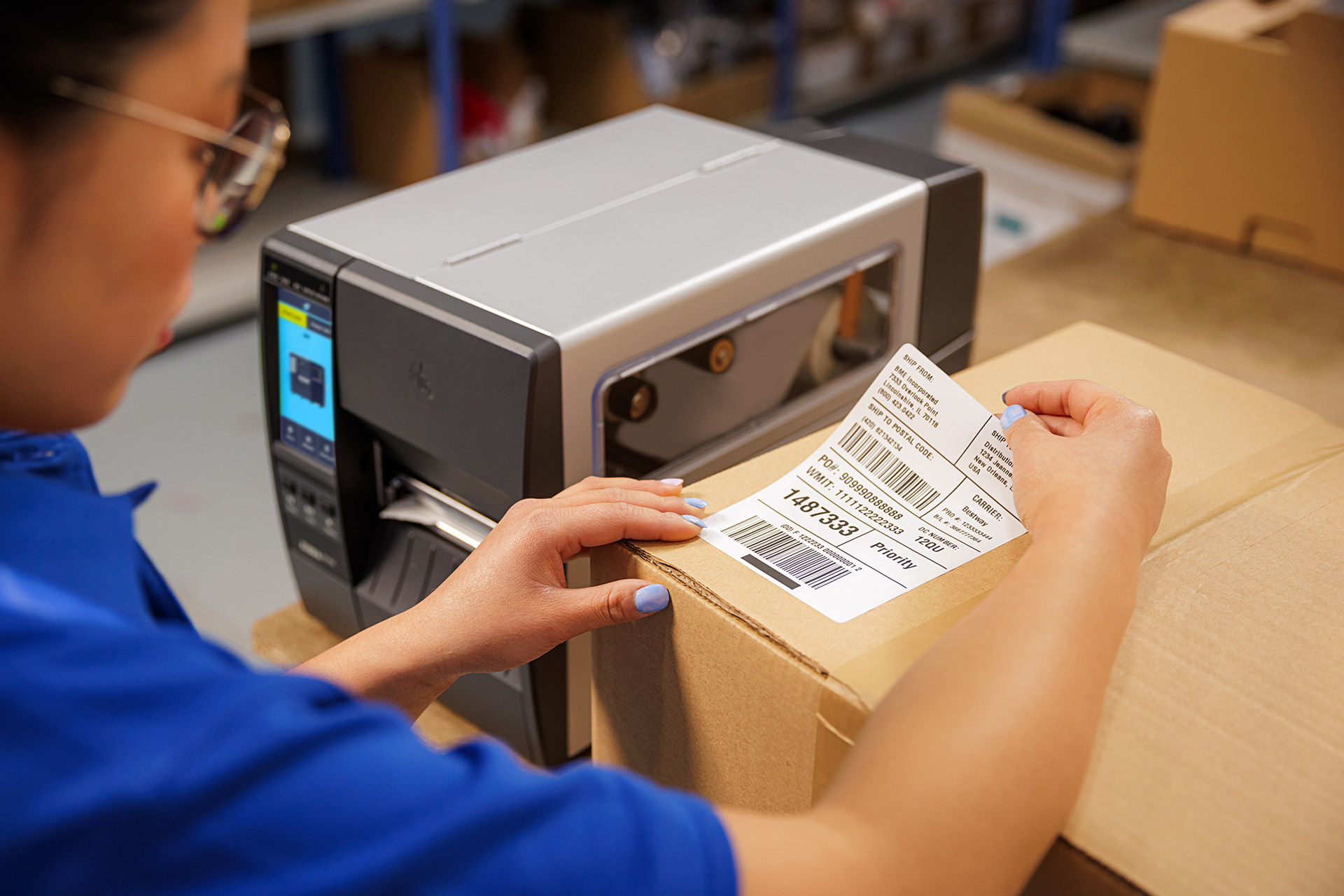
In some cases, we will have to report the barcode in question to a superior institution so that the latter can verify that it complies with current standards. If an entrepreneur wants to produce codes for internal use only, it is not a problem for him to design, print and use the barcode himself. The matter begins to get complicated when the company will be shipping products outside its facility.
One such organization is GS1. It is this company that upholds the correctness of barcodes and compliance with common standards. Many companies that print barcodes and labels of all kinds meet the criteria imposed by GS1. This means that products labeled in this way can safely be shipped to any corner of the globe.
The material on which we print the code is also an important consideration. Advanced machine parks have access to printing technology and specialized material. All of this affects the reading of the barcode, as it is important that it is readable and has the right parameters.
How to read the barcode?
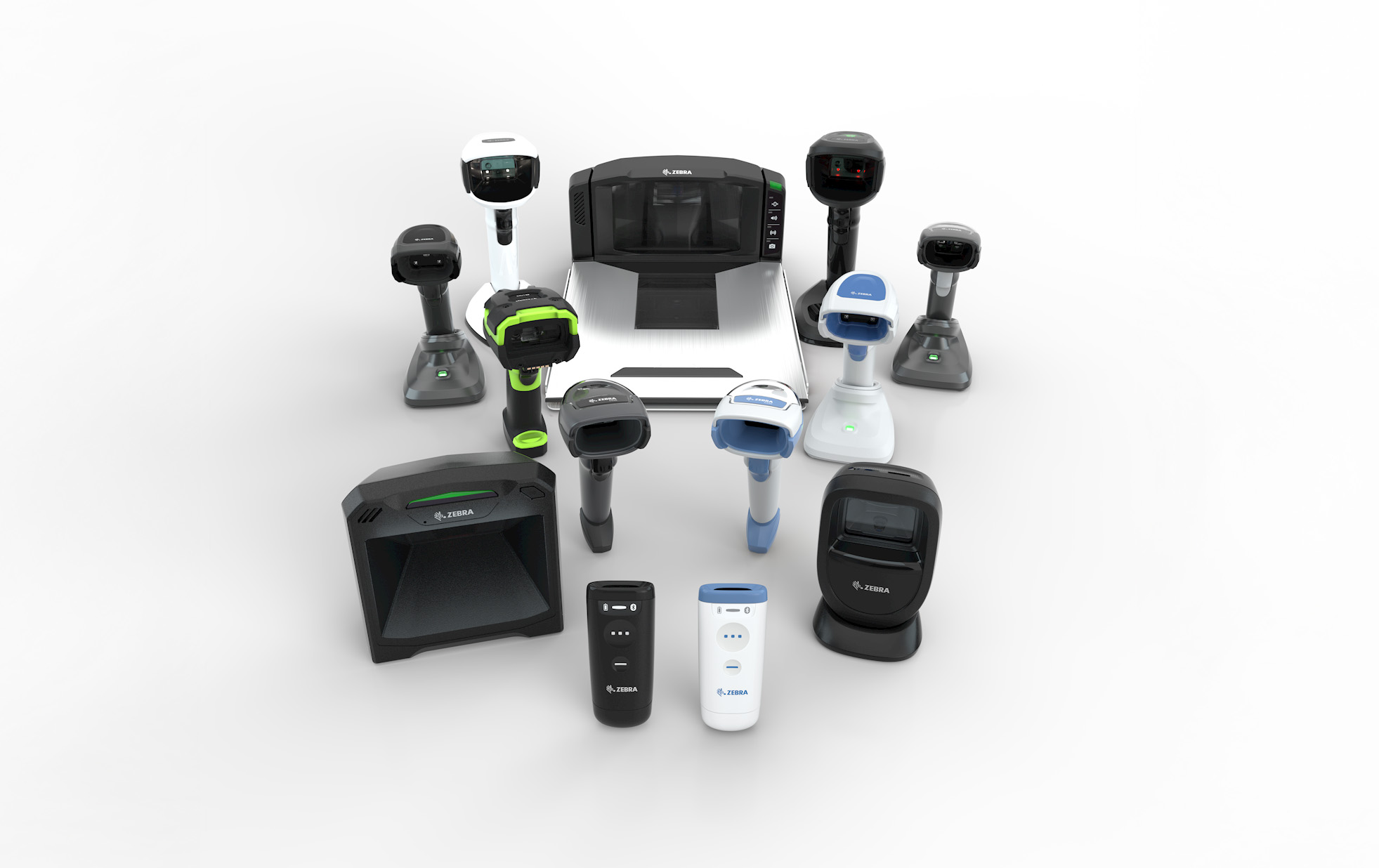
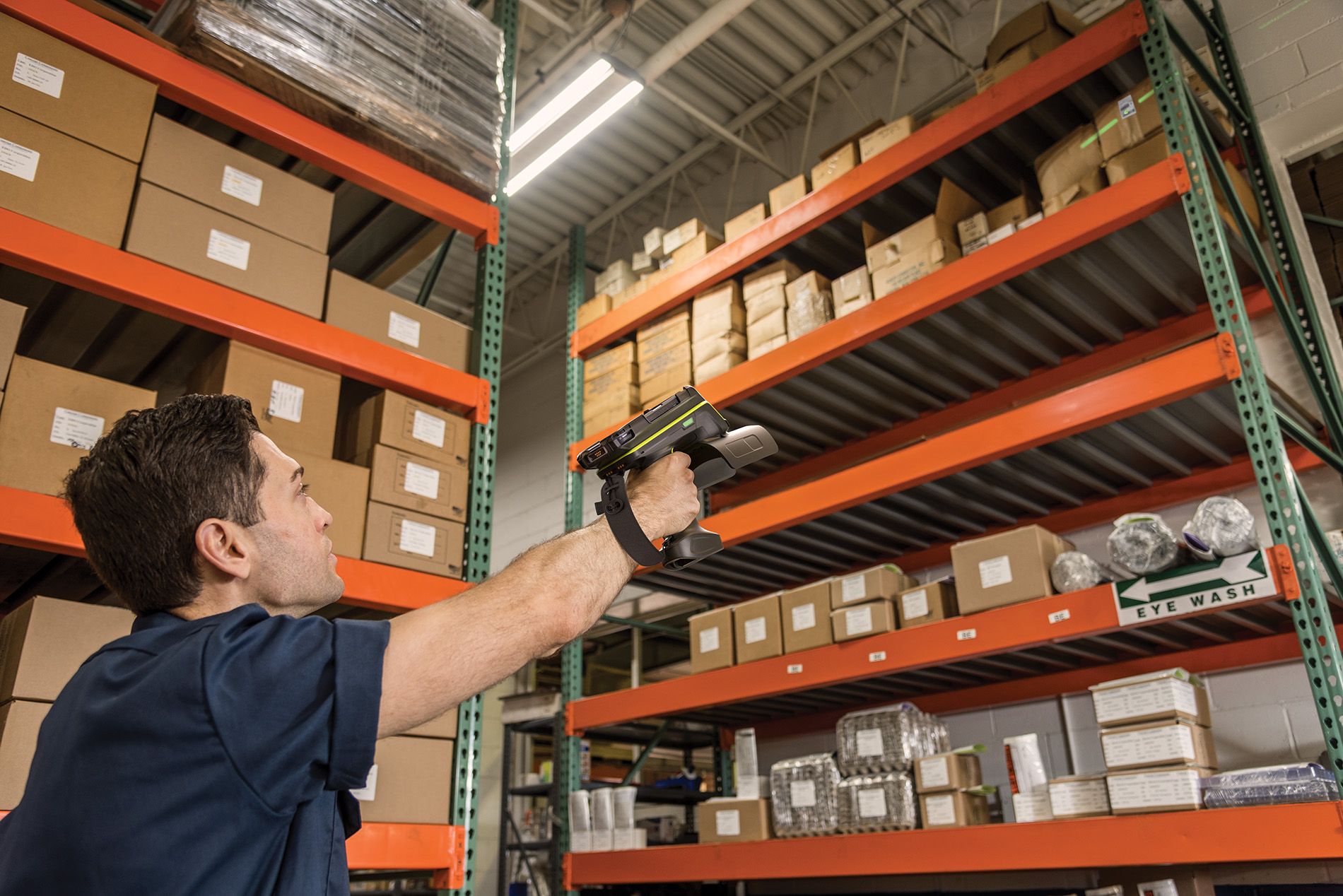
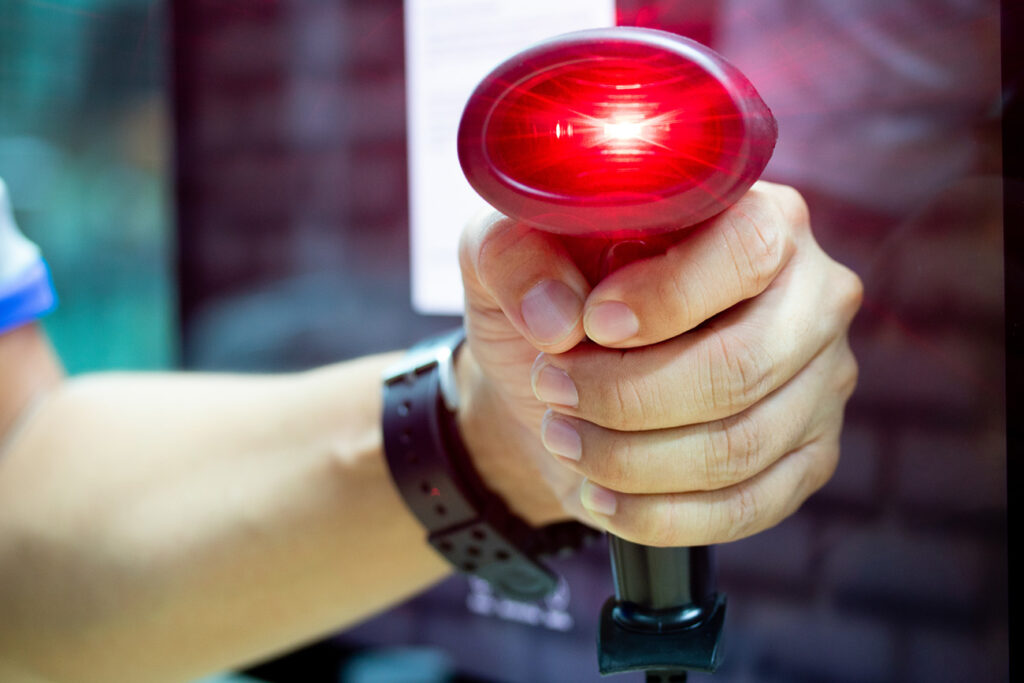
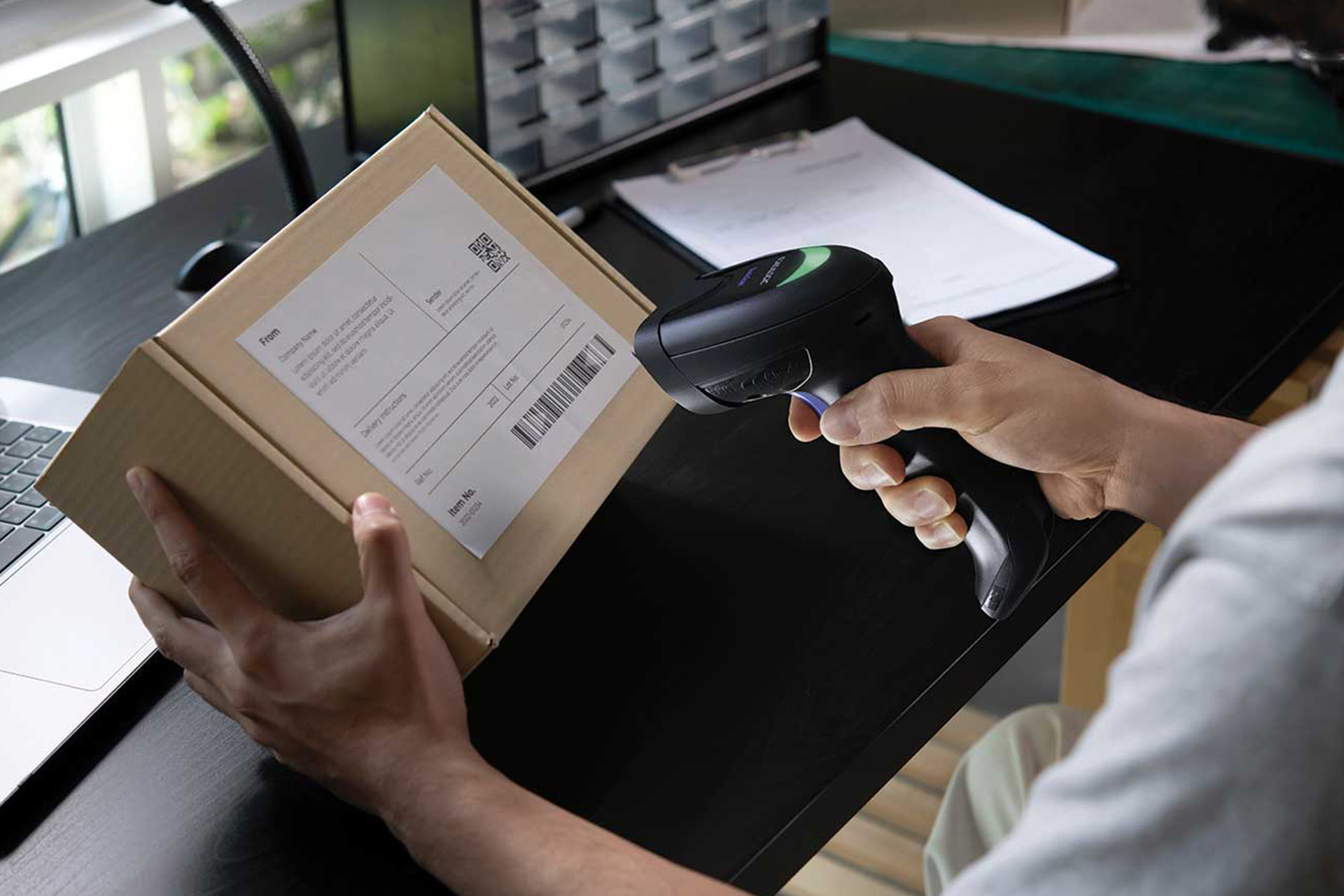
Since almost every industry uses barcodes to identify products, you also need equipment capable of reading them. For this purpose, barcode readers have been created. On what principle do these devices work? A laser beam (or several beams) is released from the scanner, after which it falls on the barcode. The laser is able to distinguish the distances between each bar, as well as their color and size. What is stored in the code will therefore be visible to the barcode scanner, whose photodetector receives information about what it has seen and then, in the form of an electrical pulse, sends it to be displayed to the user.
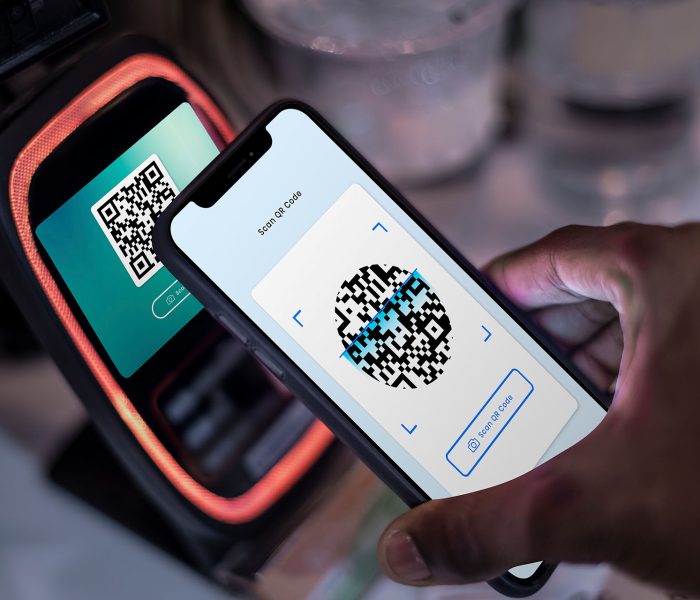
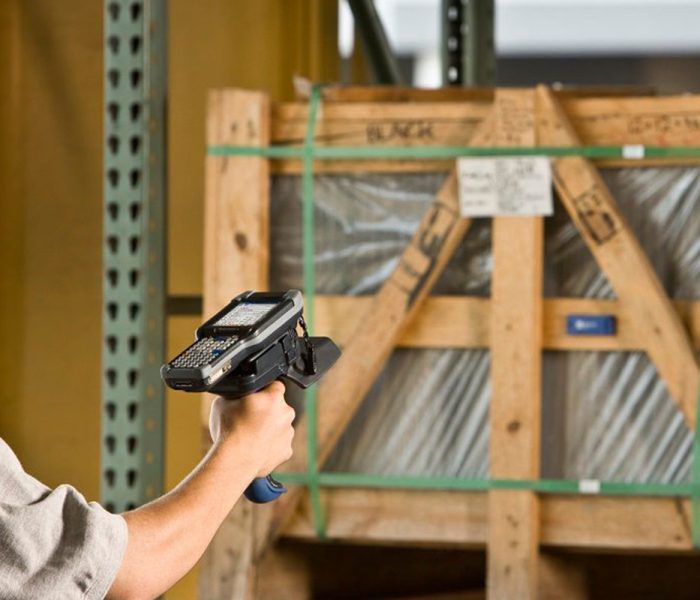
However, there is a problem: conventional barcode readers will not be able to read two-dimensional codes. For this we will use the so-called. imager. Imagers are nothing more than 2D code scanners that are also capable of interpreting the information contained in a 1D code. As smartphones have evolved, reading methods have also evolved. Phone models equipped with a good camera can be transformed into portable barcode readers. More or less on this principle, mobile terminals also work, which are multifunctional devices that are great for many industries.
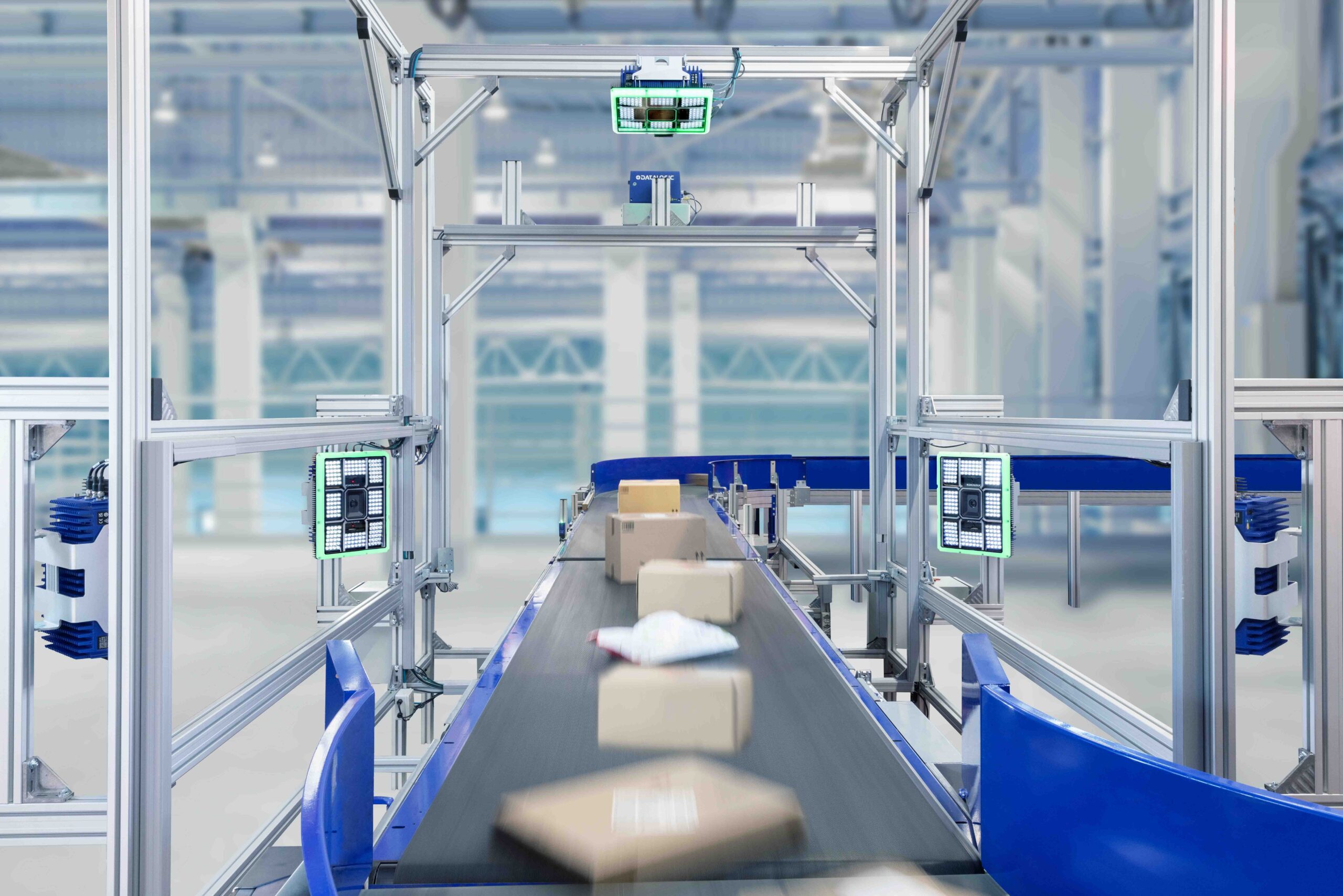
It is worth noting, however, that a mere phone and QR code scanner in the app is not enough when our business requires a larger volume of scanned products. In such a case, it is necessary to get specialized equipment capable of scanning in bulk. This is what all kinds of vision solutions, mounted directly on the production line, are for.
Code verification
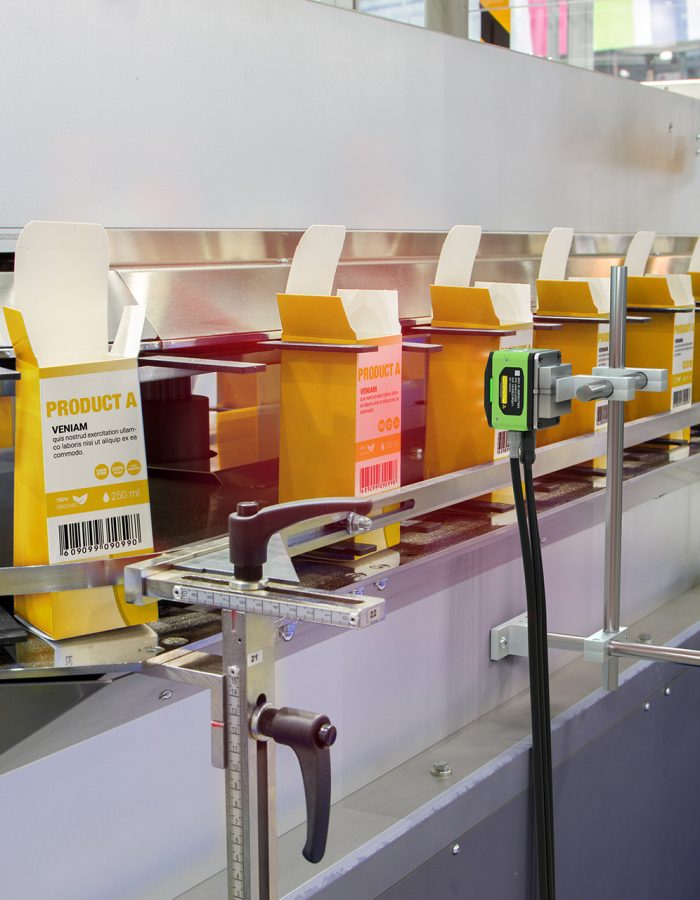
It’s one thing to design, code and print a barcode, but you also need to verify that it is reliable and capable of conveying the encoded information. For this, barcode verifiers are used. Users require readability, as this ensures that the code is read correctly. As you know, time is money, and especially so when particular processes require fast and reliable reading of the information on the product. Verifiers check products for correctness and compliance with ISO standards. Verification can take place in-line, that is, during the process. Alternatively, samples can be collected from a series of printed barcodes and checked in the verifier.
Barcodes mean greater efficiency for your organization
Barcodes can significantly reduce the execution time of certain business processes, mainly by automating the data collection process. With barcodes, it is possible to track inventory in real-time mode, record production progress, or speed up inventory.
The following are areas that can be improved by using automatic identification techniques:
- Logistics sector: barcodes in logistics provide the technological basis for the operation of WMS-class warehouse management systems. Such systems cover the following areas: entry of goods into the warehouse, storage of goods in the warehouse, picking and preparation of goods for shipment.
- Manufacturing sector: barcodes in the manufacturing sector are used primarily for the ongoing control of the implementation of production processes. This happens through the use of barcode readers located on production lines, which read data on specific products manufactured on those very lines.
- Retail sector: barcode systems in the retail sector provide the opportunity to strictly control inventory and speed up the customer service process.
Alternatives to bar codes: 2D codes and RFID.
An alternative to barcodes in business is the two-dimensional (2D) code. The big advantage of this form of coding, is the ability to increase security by limiting access to the information contained in the code, only to holders of a special key, which can only be accessed by defined individuals.
The use of 2D codes in business has been going on for more than a dozen years, and some of the biggest successes include the spread of this form of coding in the process of packaging medicines, or other strictly stock products. Some countries have a closed coding system for alcoholic products, whereby 2D codes printed on bottles are assigned by the tax authorities during the packaging process. This is made possible by integrating the packaging system with the code generation system maintained by the relevant state authorities.
RFID.
RFID technology is a modern contactless identification technique. With this identification method, RFID tags equipped with an antenna and a memory element containing a unique identifier communicate with the antenna and RFID reader.
Such communication can take place passively-the tag is excited by a signal from the reader or actively-the tag itself communicates with the reader). Readings can be taken from up to several meters and multiple tags can be read simultaneously.
Key information: