
Shortcuts
- Shipping of products containing hazardous substances
- ADR labels in e-commerce – how to properly label hazardous shipments?
- Why are ADR markings needed?
- The most common threats in e-commerce
- Limited Quantity (LQ) – a key designation in e-commerce
- ADR label materials and printing
- How to label packages correctly?
- Highlights
Shipping of products containing hazardous substances
The shipment of perfumes, aerosol cosmetics, lithium batteries or chemicals is subject to ADR regulations. As of January 1, 2025, an updated version of the ADR is in effect, which changes the classification of batteries, adds new UN numbers and makes training mandatory for warehouse and e-commerce employees.
Below you will find the most important rules for selecting labels as well as a practical explanation of why perfumes are more often labeled with the LQ label than with the classic Class 3 symbol.
Why are ADR markings necessary in e-commerce?
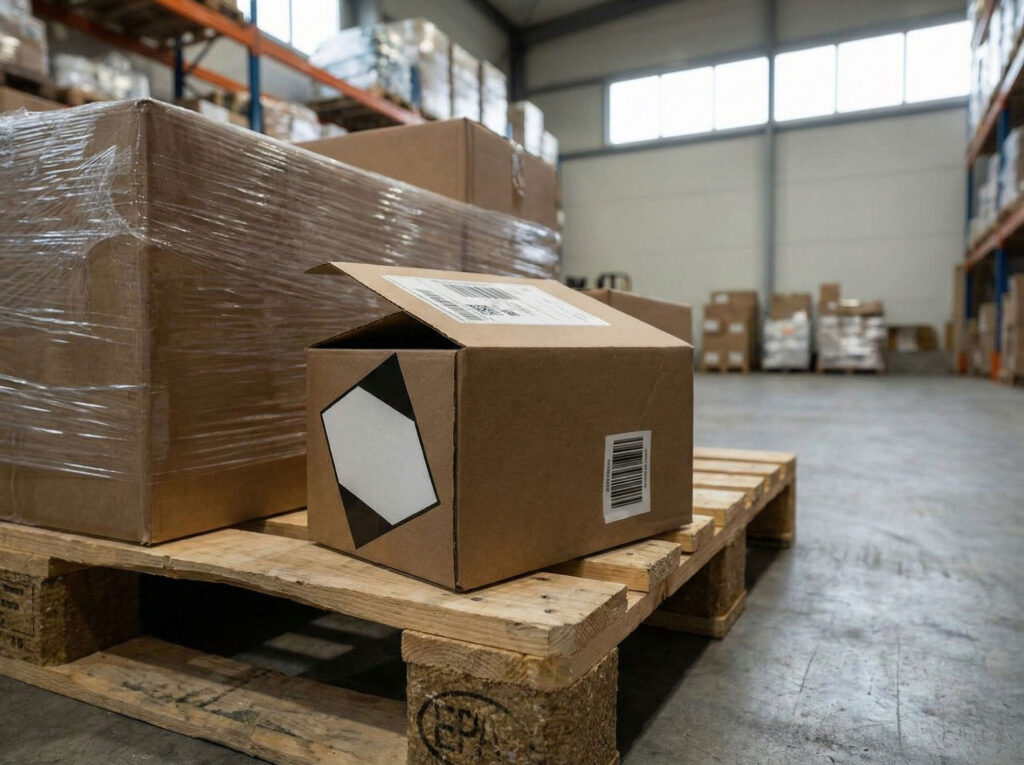
Under the ADR system, any courier shipment containing hazardous substances is treated as a road transport. This means that online stores, logistics centers and warehouses must use proper warning labels on packages.
ADR 2025 introduces particularly important changes for the e-commerce industry:
classification of lithium and sodium-ion batteries in new section 2.2.9.1.7,
New UN numbers (including 3551-3559),
Obligation to train employees shipping goods in limited quantities (LQ) – starting July 1, 2025.
The most common ADR classified products in e-commerce
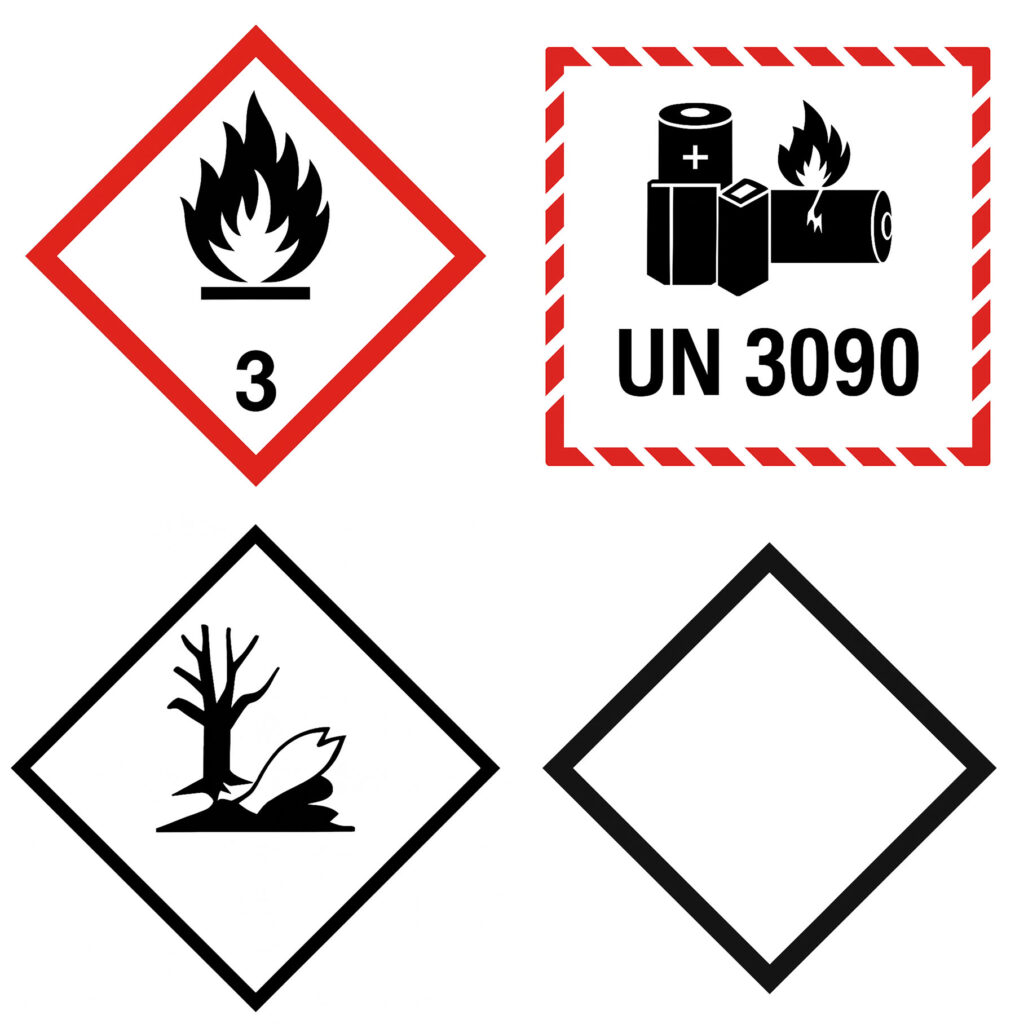
Flammable liquids (e.g., perfumes) -. alcohol-based perfumes are classified as Class 3 (among others. UN 1266). Under standard conditions, they are marked red rhombus with flame.
However, most perfumes meet the quantity limits for carriage in limited quantities, which is why the Class 3 symbol is not used on packages, but only the LQ label (explained below).
Lithium and sodium batteries (Class 9) -. Electronic devices often require lithium or sodium battery labeling:
UN 3090 / 3480 – bulk batteries,
UN 3091 / 3481 – batteries in appliances,
UN 3551-3559 – new numbers for soda products.
A white mark with red stripes and a battery symbol is used on the packages. The recommended size is 100×100 mm or 110×120 mm.
Labels should be made of vinyl resistant to UV and large temperature changes.
Environmental Hazard (Environmental Hazard) -. Applies to chemicals and selected aerosols. Requires white rhombus with black tree and fish, minimum 100×100 mm.
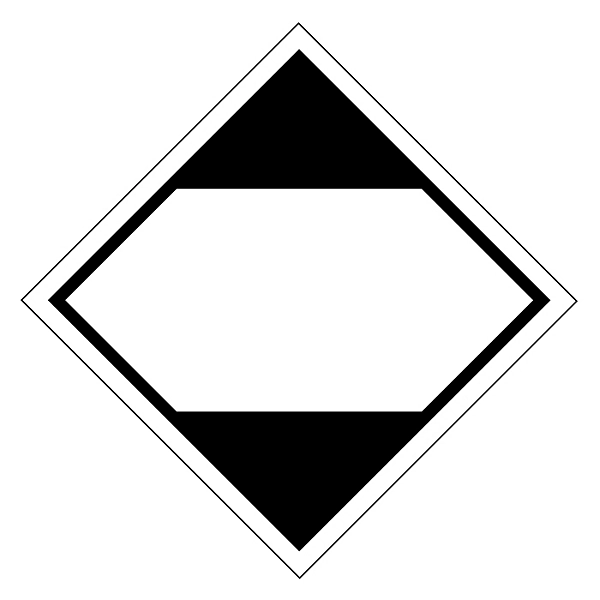
Limited Quantity (LQ) - a key designation in e-commerce
The Limited Quantity (LQ) label is the most common ADR label for online sales. It is used when hazardous products-for example, perfumes, aerosol cosmetics, chemicals or small volumes of liquids-are within ADR quantity limits.
What does LQ mean in practice?
Replaces Class 3 markings on courier parcels.
Perfumes classified as flammable liquids (Class 3) have only the LQ mark on their outer parcels, as long as they meet the limits. That’s why the perfume shipments you get have a black and white label, not a red rhombus with a flame.Facilitates e-commerce shipping.
No need for full ADR documentation when transporting LQ.
Parcels are accepted by standard courier companies.Minimum label size: 100×100 mm.
Additional markings: directional arrows (up/down) are required with liquids.
From 2025: LQ packaging requires basic ADR training.
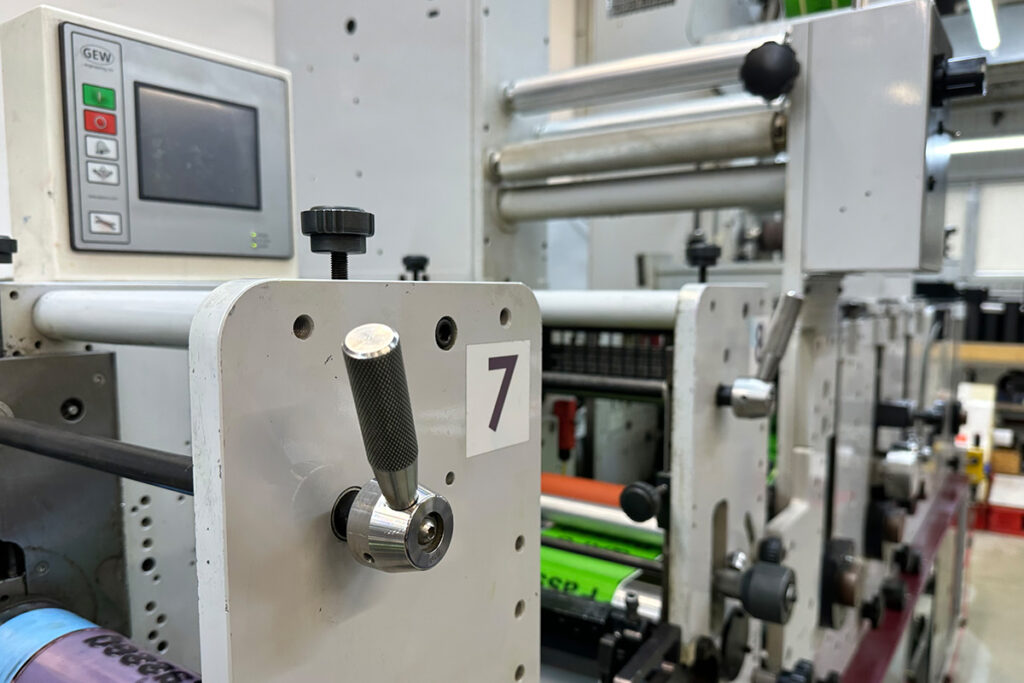
ADR label materials and printing
To make labels readable in the warehouse, in transport and in WMS systems, they are used:
PVC films (Oracal/JAC) – resistant to weather, oils, acids and abrasion.
Paper with UV varnish – cheaper, good for small markings.
Polypropylene film – resistant to mechanical damage more than paper and to water splashes.
Vinyl with polyacrylate adhesive – best for battery signs, resistant to UV and temperatures from -40°C to +80°C.
Acrylic adhesives – high adhesion to cardboard and plastics.
The labels are available in rolls (for label applicators), sheets and folds, making them easily adaptable to automatic labeling processes.
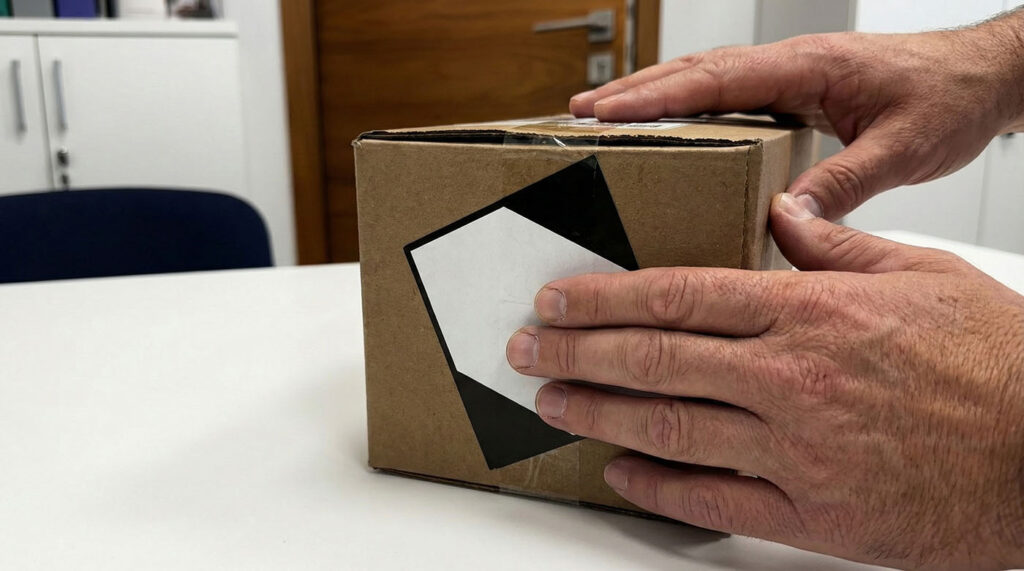
How to label packages correctly?
Place the label in a conspicuous place and do not seal it with tape.
Get the right label: LQ for most perfumes and small aerosols; Class 3, 9 or Environmental Hazard when the product falls outside the limits.
Use the appropriate size (usually 100×100 mm).
Take care of the durability of the materials – especially with exposure to UV, moisture and friction.
Make sure UN numbers and markings are in accordance with ADR 2025.