

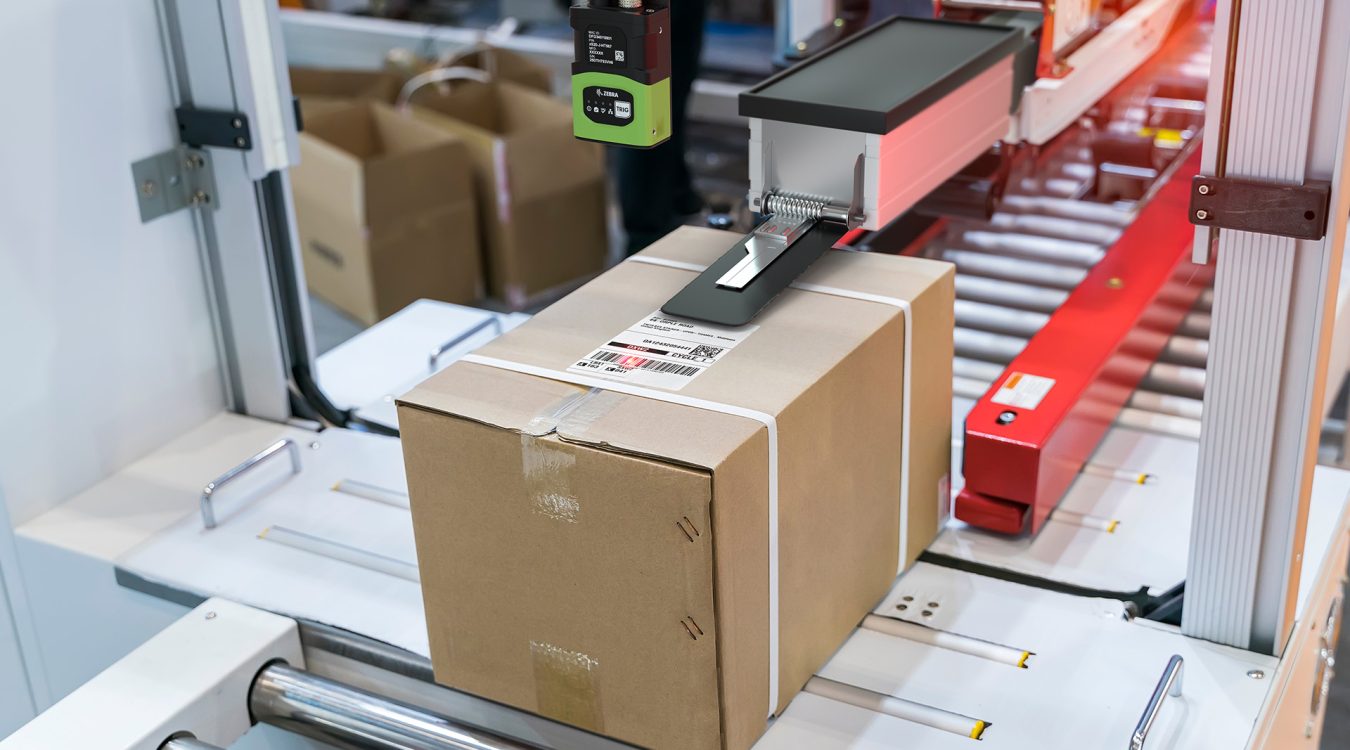
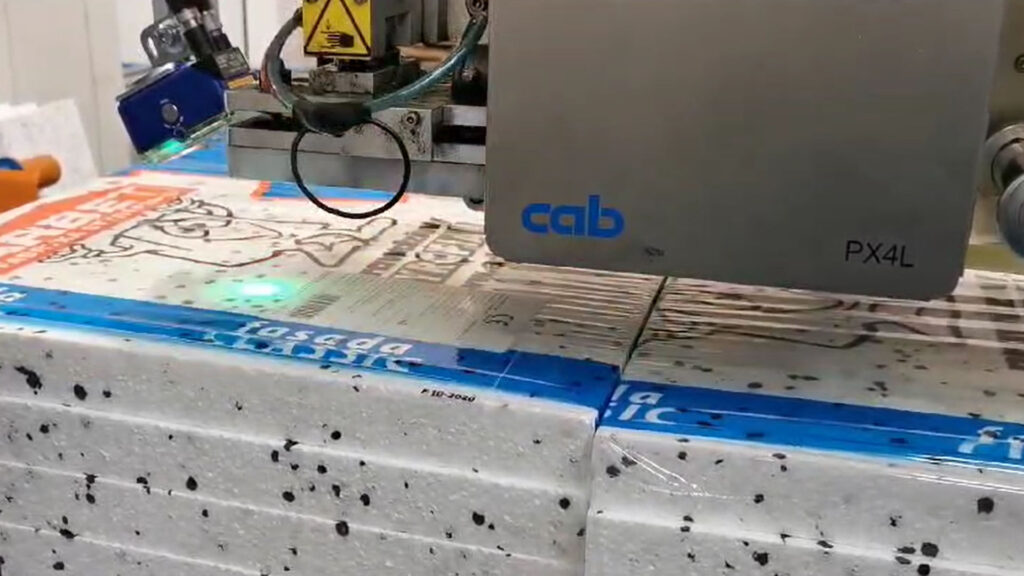
Gradual investment in automation
Replacing simple, repetitive manual tasks with automation equipment is undoubtedly the future of modern warehouses. However, investment in automation can be done gradually.
This approach seems to make the most sense for organizations that are just beginning their journey with digital storage, and this type of business is the majority in our country.
When considering initial investments, it is worth choosing areas where it will be possible to replace the work of operators with machines at little cost. One such area is definitely logistics.
WMS - the key to warehouse automation
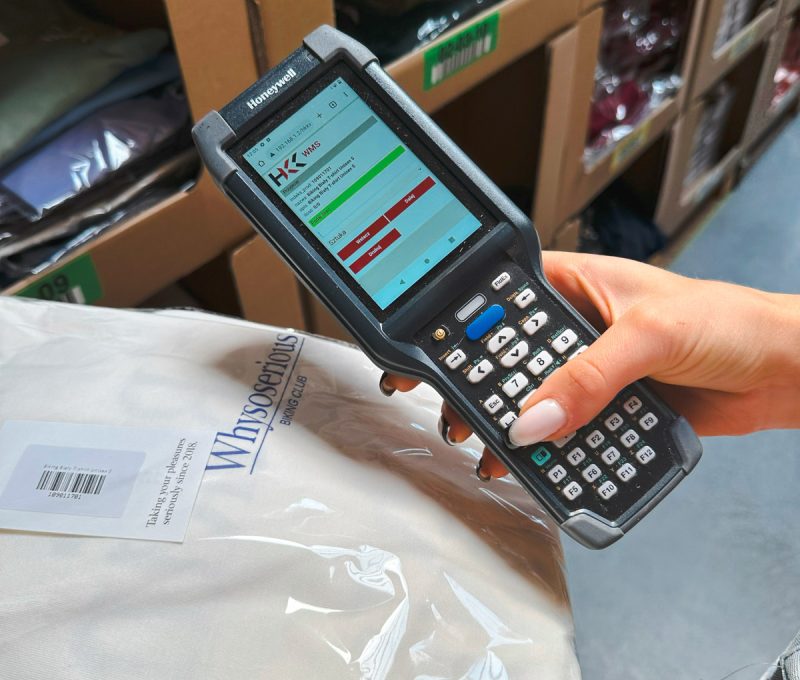
Logistics and manufacturing automation must be based on reliable software. In the case of a warehouse, this foundation is provided by a WMS (warehouse management system). This type of solution manages all warehouse operations, from receiving goods, through storage, to the order picking process and shipping goods to the customer.
The basis for the operation of a WMS is automatic data identification equipment, such as label printers, data collectors, barcode scanners (code readers), using proven and stable barcode technology. It is thanks to these solutions that the time needed to identify goods in the warehouse is reduced, and mistakes in the process of order picking and shipping itself are minimized.
In the picking process, the ordered goods are taken from a defined and system-assigned location in the warehouse. In the next step, the goods are repacked into shipping packages and then released for shipment. It is this area that can be automated at a relatively low cost.
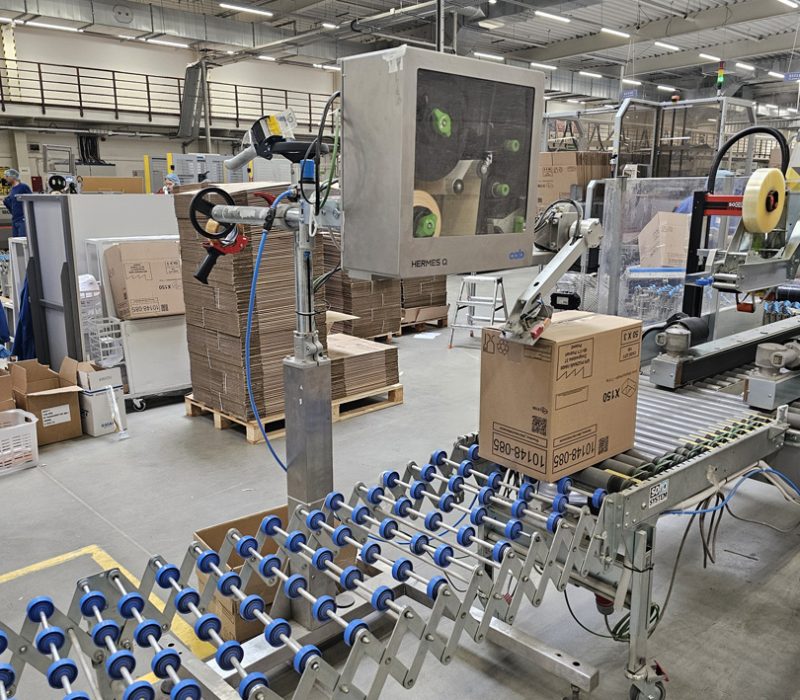
Automatic labeling after picking - self-adhesive label on carton
When shipping smaller items, the repackaging process involves placing them in cardboard boxes or shipping bags. This approach offers significant potential for optimization by adjusting the packaging size to the actual size of the product, which can consequently lead to lower shipping costs and increased customer satisfaction with the product received.
Another element that has optimization potential in the context of smaller packages is the ability to automate the labeling of shipping packages through the use of PRINT&APPLY systems . Such systems are integrated with WMS solutions, which in turn are integrated with courier systems.
As a result, each shipment to be shipped is labeled in an automated manner, which significantly speeds up release operations and reduces their costs.
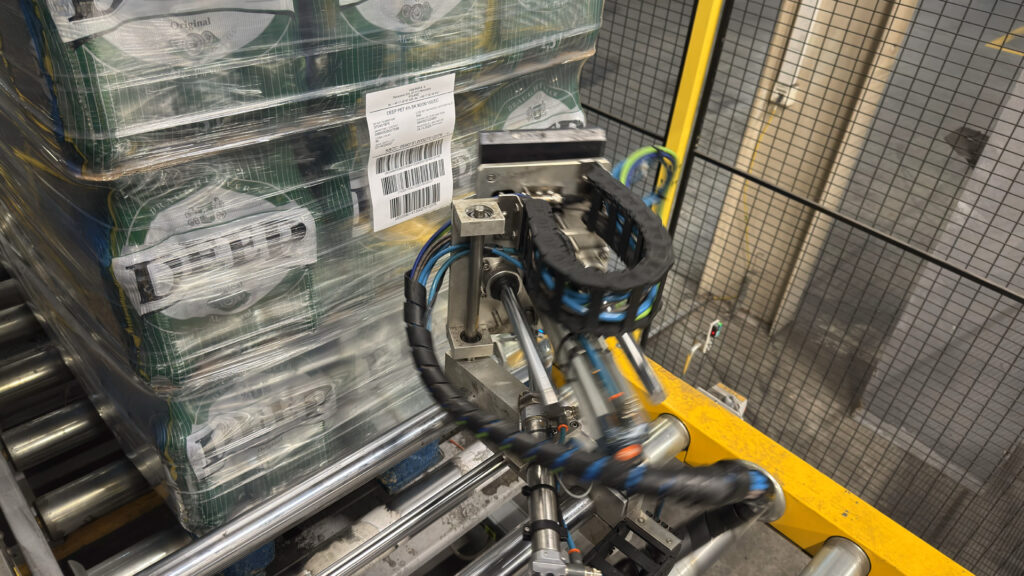
Labeling of full-pallet shipments
For warehouses handling shipments of larger items or distribution centers serving B2B relationships, full-pallet shipping is the more appropriate method.
PRINT&APPLY solutions are perfect for applying pallet labels to the front, side or front and side of a pallet.
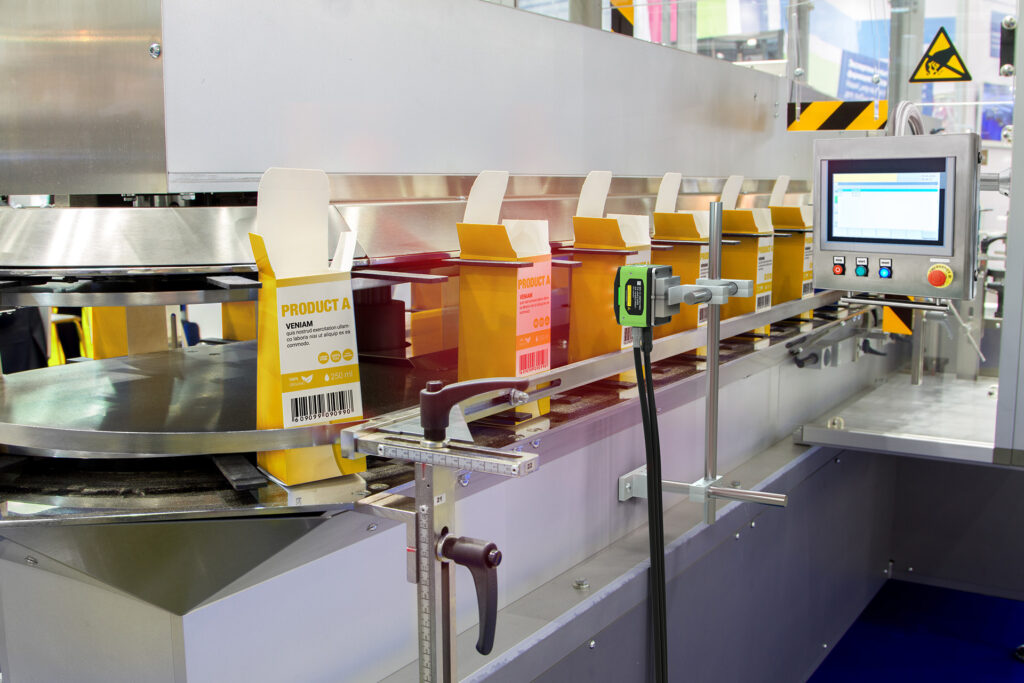
Machine vision - vision-based quality control
Solutions of this type can be integrated with machine vision systems, which check the pallet’s contents and verify its dimensions and weight before the labeling process begins; once approved in the WMS, this generates the shipping label, which is then applied to the pallet.