

Shortcuts
- Improved quality of master data
- Dimensioning vs. storage optimization
- Dimensioning vs. picking and packing
- Dimensioning in transportation, TSL and e-commerce
- Dimensioning in fulfillment services
- Dimensioning + WMS and TMS systems
- How is product sizing done?
- How do automatic sizing systems work?
- Why implement Cubiscan solutions?
- Highlights
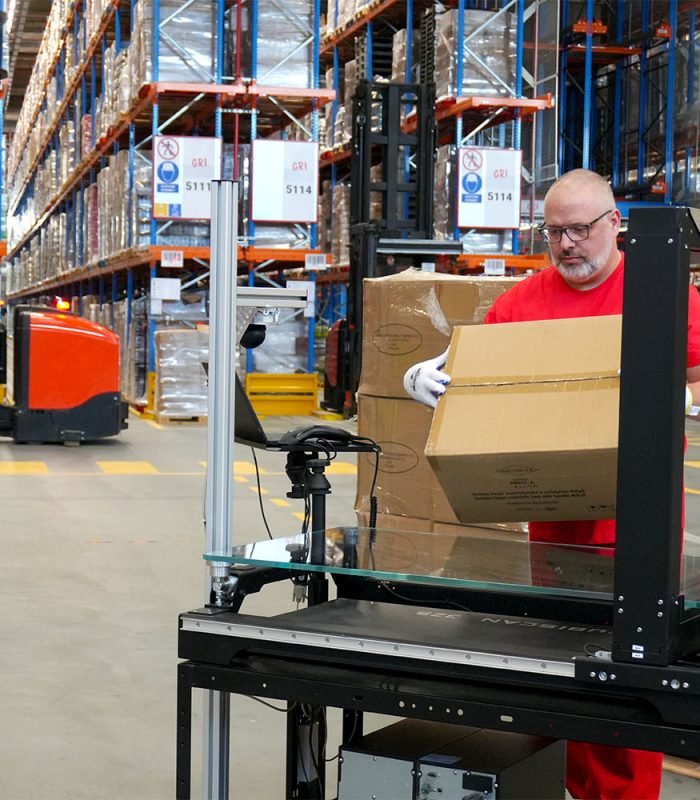
Improved quality of master data
Cubiscan’s dimensioning solutions are primarily tools that improve the quality of master data on products stored in the warehouse. One of the key elements of master data is information on product dimensions and weights.
This data affects many areas of the warehouse and the entire supply chain. If they are inaccurate, outdated or incomplete, even a well-implemented WMS system can perform below its capabilities. A warehouse management system makes decisions based on the data it receives. If product dimension information is wrong, the consequences can appear in storage, picking, packing and shipping.
Precise dimensional data supports, among other things:
- Selection of optimal product storage locations,
- Better use of available storage space,
- Planning picking taking into account the dimensions and weight of the products,
- Selecting the right shipping packaging,
- limiting empty space in packages,
- More accurate calculation of transportation costs,
- Optimizing the loading of vehicles, containers and pallets,
- Better control of data transferred to WMS and TMS systems.
In practice, this means that dimensioning is not just a technical measurement of length, width, height and weight. It’s a process that provides the data needed to make more accurate operational decisions.
Dimensioning vs. storage optimization
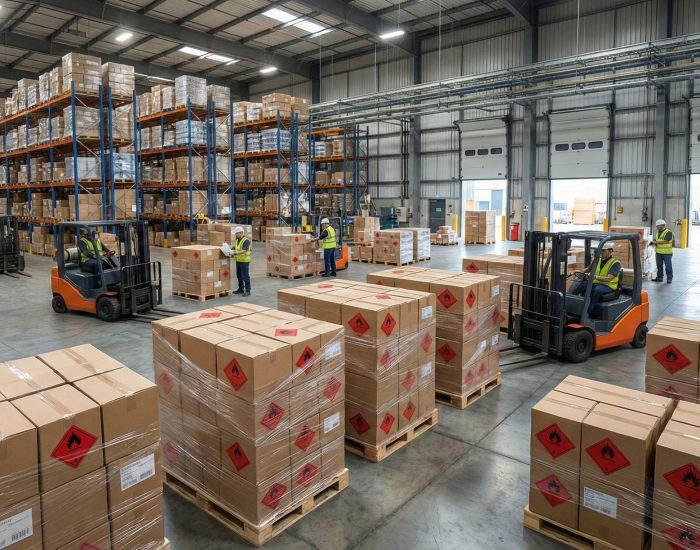
One of the most important uses of dimensional data is to optimize storage in the warehouse. Precise information about the dimensions of products allows you to better match the storage location with the real dimensions of the goods.
This allows more efficient use of racks, shelves, bins and storage locations. A WMS can better manage assortment placement, taking into account not only product rotation, but also product size, weight and handling requirements.
In many warehouses, the problem is not just a lack of space, but its suboptimal use. Products are sometimes stored in locations that do not match their actual dimensions, which leads to wasted space and hinders work organization. Data from dimensioning equipment helps reduce this problem.
Dimensioning vs. picking and packing
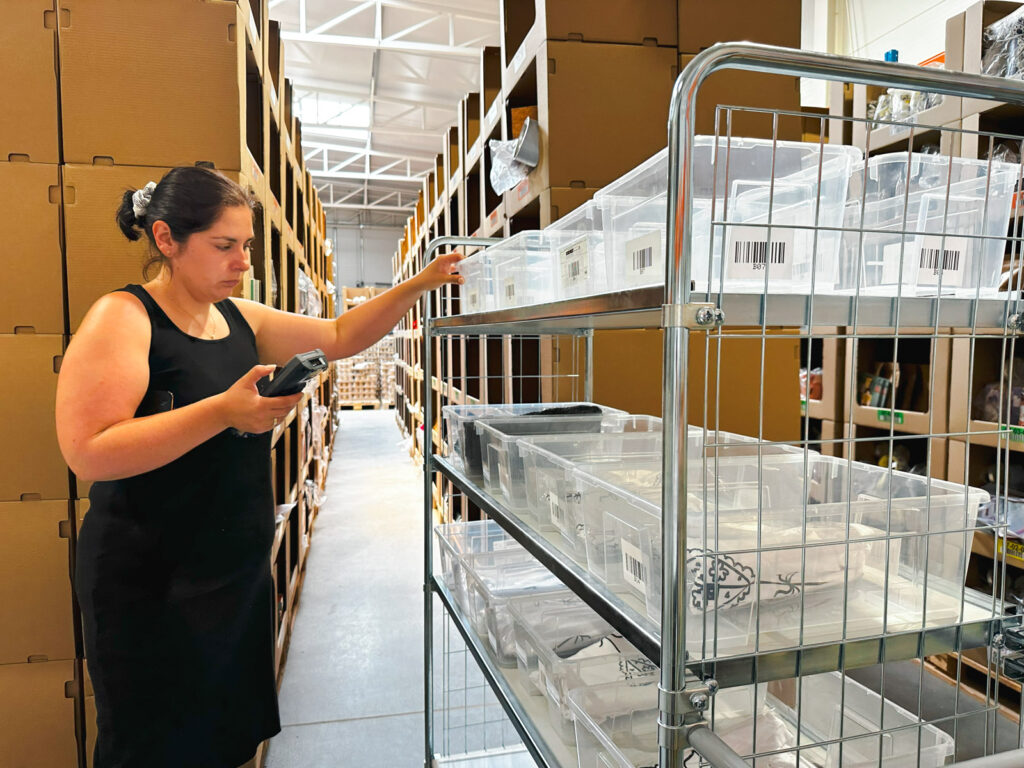
Data on product dimensions and weight also affect the order picking process. A WMS that has accurate information about the dimensions of goods can better plan the order of picks and support operators in building orders in a way that reduces the risk of damage.
This is especially important when there are products of different sizes, weights and vulnerabilities in one order. Dimensional data can support stacking products in the right order, selecting the right packaging, and preparing the package for shipment.
Precise sizing also helps reduce the problem of mismatched packaging. Too much packaging means more filler, higher transportation costs and less efficient use of space. Too small or mismatched packaging increases the risk of product damage. The data from Cubiscan’s systems helps better match the packaging to the real dimensions of the goods being shipped.

Dimensioning in transportation, TSL and e-commerce
The importance of dimensioning goes beyond the warehouse itself. Dimensioning and product weight data are also important in transportation, e-commerce, contract logistics and the courier industry.
In the TSL sector, it is increasingly important to account for shipments not only by actual weight, but also by dimensions. Goods that are light but take up a lot of space can generate high transportation costs because they limit the use of space in a vehicle, container or airplane.
Automatic sizing allows better control of these costs. Jeżeli firma zna dokładne parametry paczki lub produktu przed wysyłką, może trafniej wyliczyć koszt transportu, dobrać właściwą usługę i ograniczyć ryzyko późniejszych dopłat.
In e-commerce, this is particularly important due to the large number of orders, the diversity of the product range, and the pressure for fast and affordable delivery. Well-organized warehouse volume management supports both cost optimization and the quality of customer service.
Dimensioning in fulfillment services
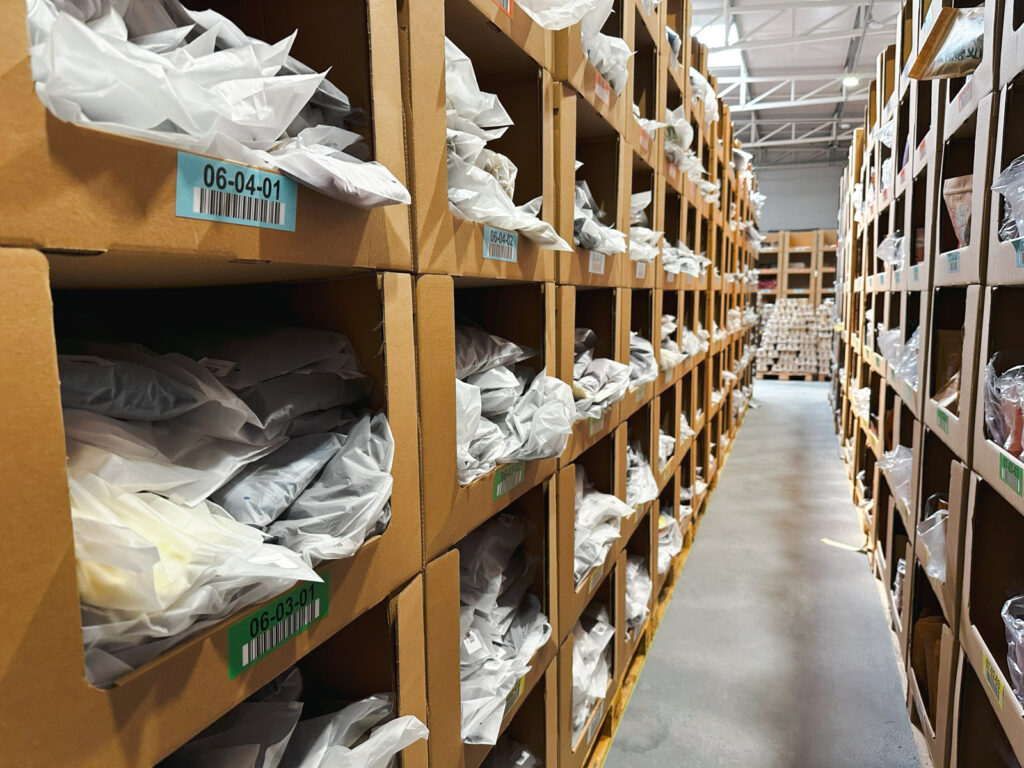
The great importance of determining the dimensions and weight of packages is characteristic of companies providing fulfillment services. Operators of this type handle orders on behalf of their customers, being responsible for storage, picking, packing and shipping, among other things.
If the data on parcel dimensions is inaccurate, the fulfillment operator may incur additional costs due to the difference between the declared and actual transportation rate. The problem arises especially when a small-weight package is ultimately billed by gabarage rather than by weight alone.
Implementing automatic sizing before shipment reduces such risks. The company can verify the actual parameters of the package in advance, correctly select the transportation service and better control the profitability of the process.
Dimensioning + WMS and TMS systems
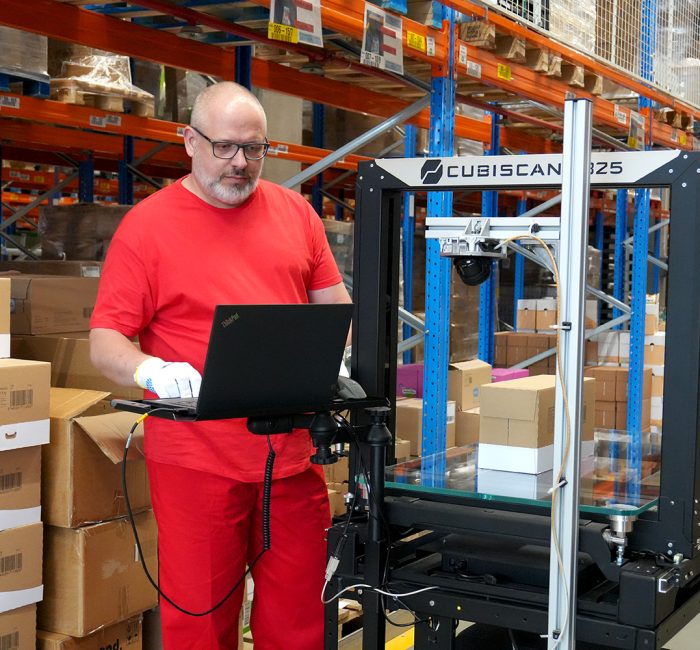
Modern warehouses operate using WMS-class systems that support goods receipt, storage, order fulfillment, packing, and shipping. Increasingly, dimensional data is also used in TMS systems, which are responsible for transportation management.
WMS systems operating on inadequate or incomplete product dimension data become less effective. Ensuring the right level of product dimension and weight data can improve system performance in areas such as:
- selection of storage location,
- Storage capacity management,
- selection of packaging for the order,
- picking planning,
- shipment preparation,
- Vehicle loading optimization,
- control of transportation costs.
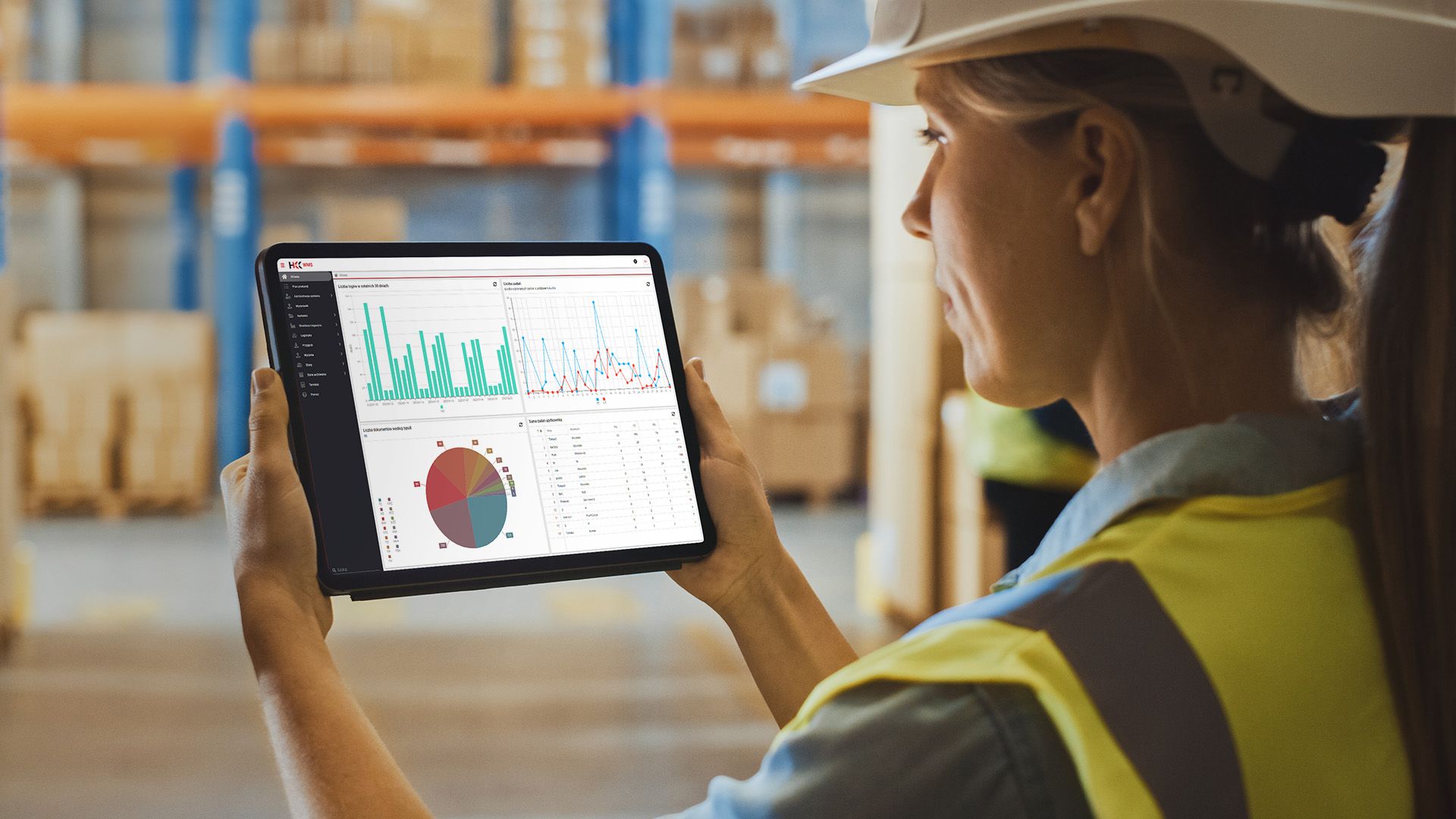
Integration of dimensioning equipment with a WMS or TMS allows data to be automatically transferred to master systems. As a result, information does not have to be manually transcribed, and the risk of errors is significantly reduced.
How is product sizing done?
The dimensioning process itself depends on the nature of the objects to be measured. Cubiscan offers solutions for dimensioning regular and irregularly shaped products, packages and pallets.
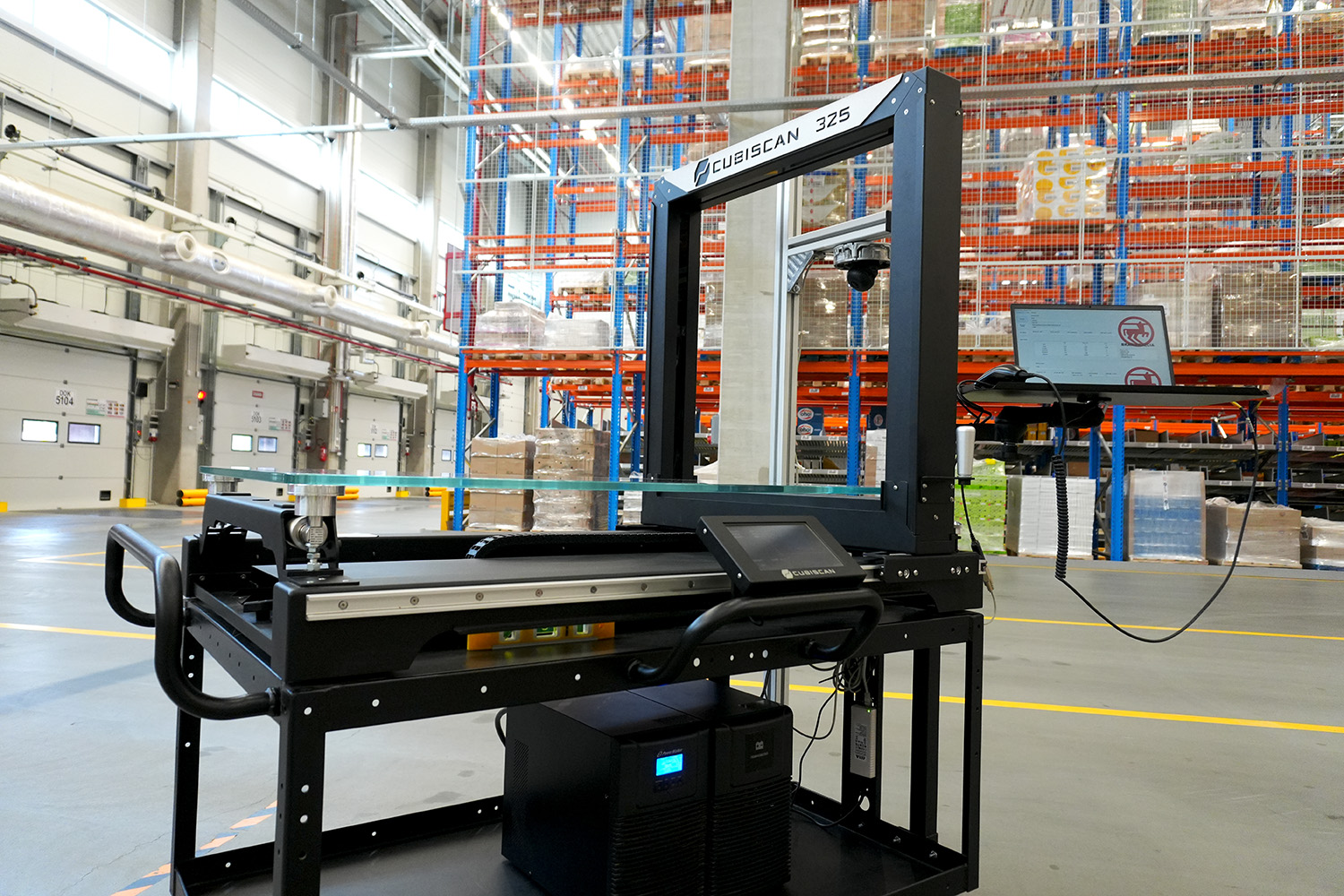
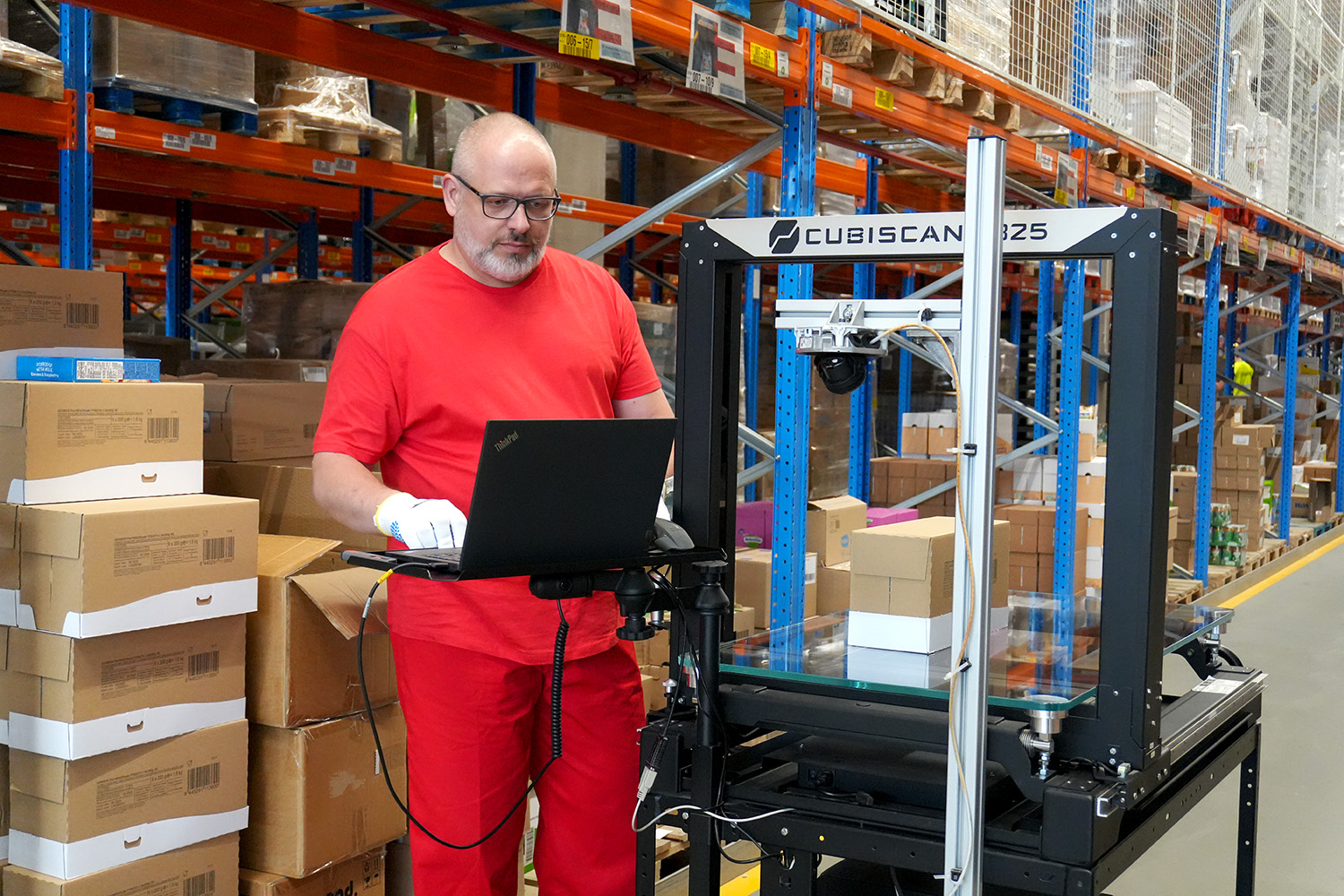
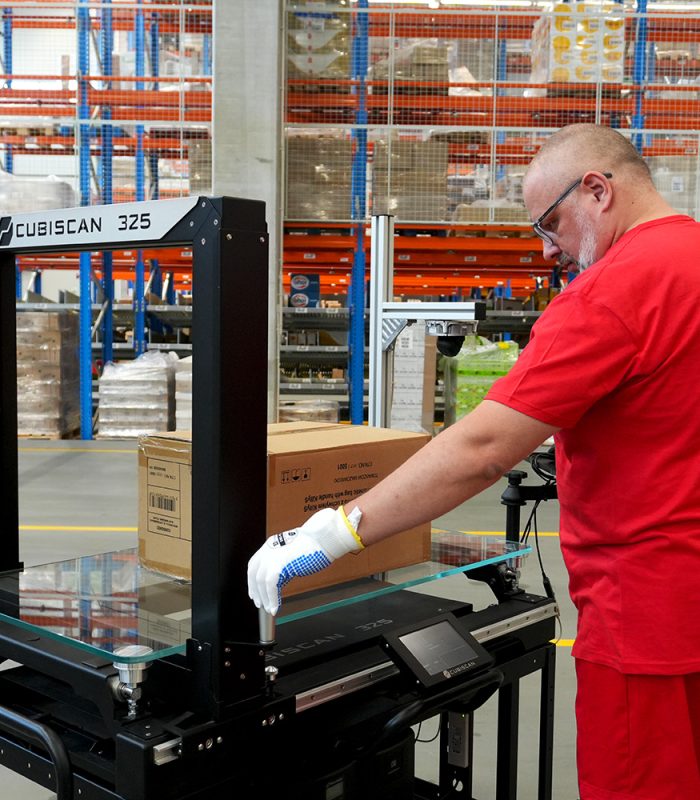
For products, the Cubiscan system can be combined with a barcode reader to quickly identify the goods. The operator scans the product code, and the device automatically measures the dimensions and weight. The data is then sent to a host system, such as a WMS.
An example of a solution used in such processes is Cubiscan 325, which allows to determine the dimensions of products with regular and irregular shapes and weigh them precisely. The measurement is performed automatically, and the data obtained can be used in daily logistics processes.
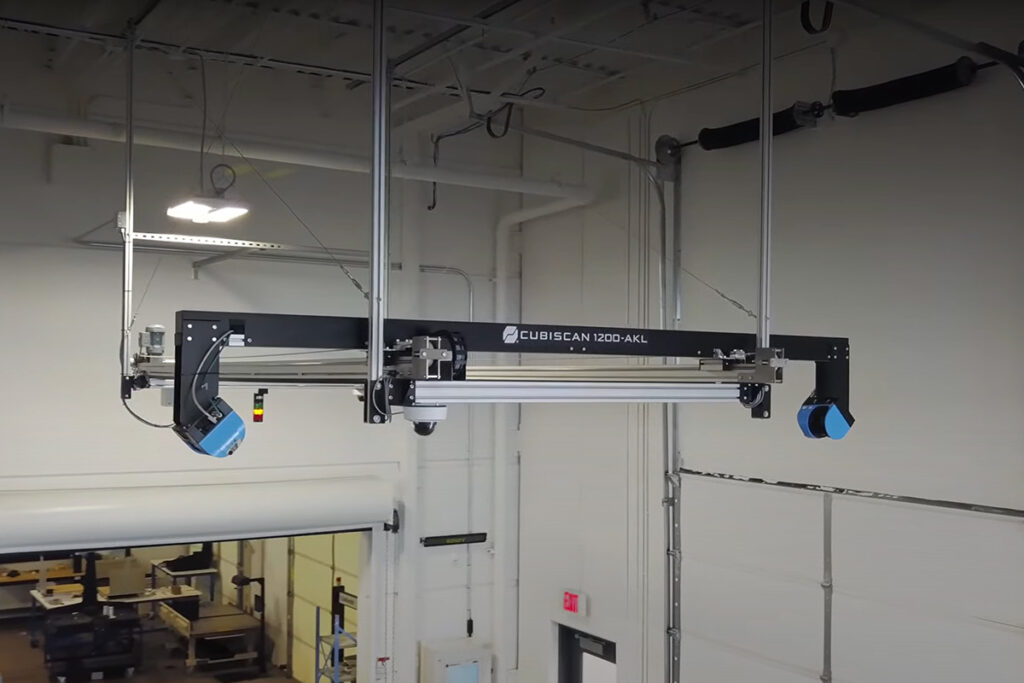
In the case of pallets, dimensioning can take place after the pallet is put down for measurement. Once the process is complete, the pallet can be transferred to the next stage, such as filming, labeling or shipping. The measurement itself can be done both before the pallet is wrapped in film and after it is prepared for transport.
Dimensioning of goods in logistics is also possible in automated warehouses. In this case, dimensioning equipment can be installed directly on the internal transport lines by which products or packages move to the next points in the process.
How do automatic sizing systems work?
Dimensioning systems use various measurement technologies, including laser, vision, ultrasonic or infrared. The choice of technology depends on the type of object to be measured, the level of accuracy required, the throughput of the process and the way the work is organized.
The devices can operate in static mode, when a product or package is put down for measurement, or in motion, such as on a transport line. In both cases, the goal is to quickly and reproducibly determine the characteristics of the object and transfer the data for further use.
To realize the full potential of dimensioning equipment, it makes sense to integrate it with information systems and automatic identification technologies. Combining dimensioning with barcode reading, WMS, TMS and warehouse automation allows you to create a cohesive process where data is available where it is really needed.
Why implement Cubiscan solutions?
The key benefits of implementing Cubiscan solutions are:
- Improving the quality of master data,
- greater accuracy of information about the size and weight of products,
- Better use of storage space,
- Optimization of picking and packing,
- A more accurate selection of shipping packaging,
- reducing transportation costs,
- Reduce the risk of surcharges for misreported dimensions,
- Automatic transfer of data to a WMS or TMS,
- reducing manual transcription of data
Key information: