
Consequences of not verifying codes
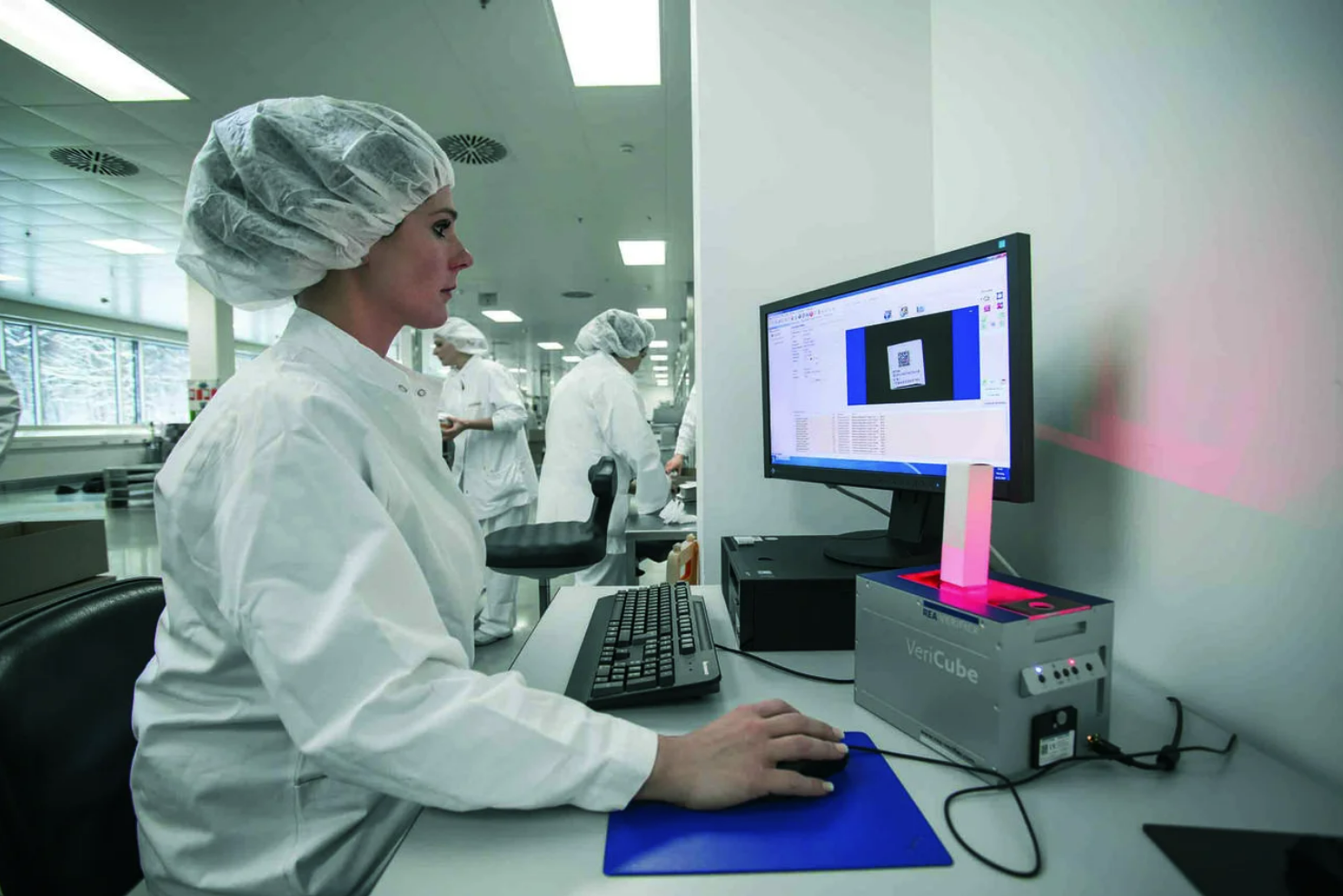
Introducing a product with an illegible code into the supply chain has primarily financial consequences. There is an increase in the expense of handling the product, which is relatively easy to convert later into budget losses.
Other consequences are measurable image losses and even the possibility of breaking off cooperation with contractors who receive a defective batch of goods (e.g., retail chains).
The use of measuring devices such as barcode verifiersenables effective and nearly 100% verification of barcodes and 2D codes, which will obviously prevent such situations.
Code verification in practice
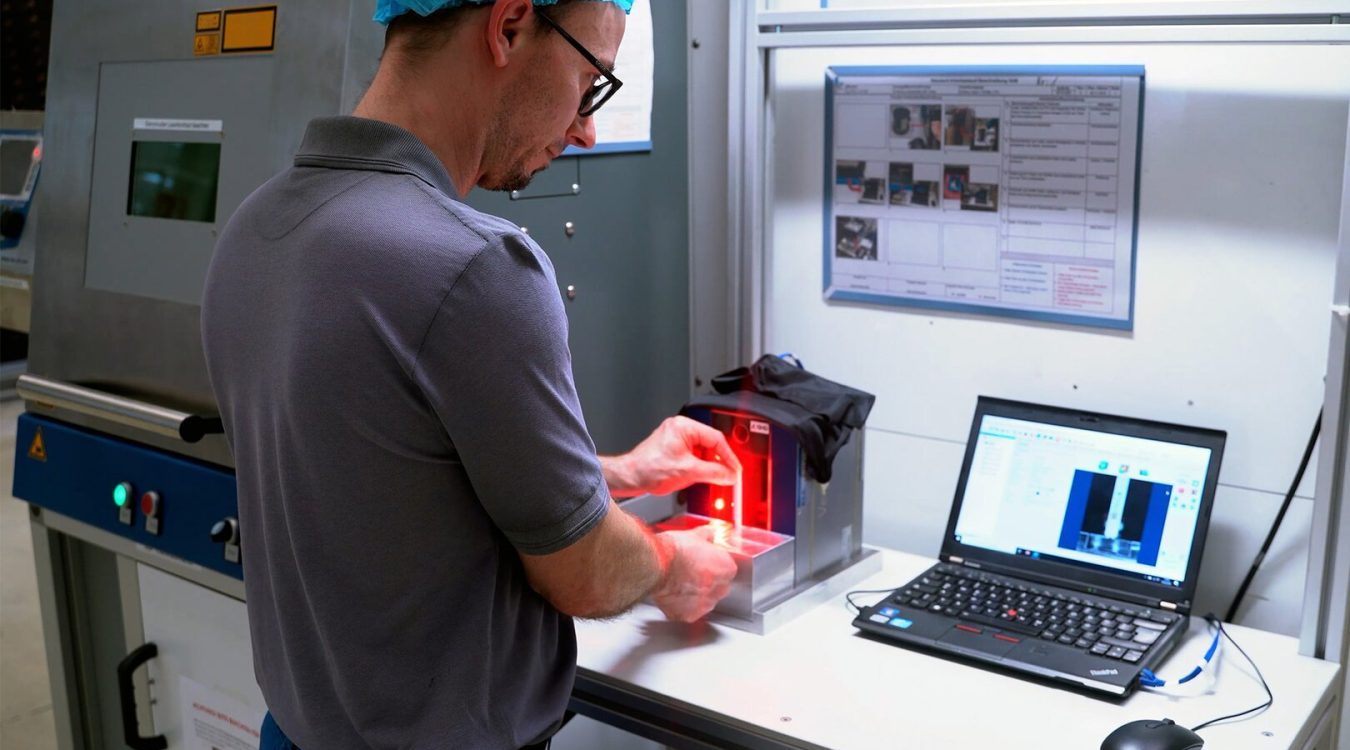
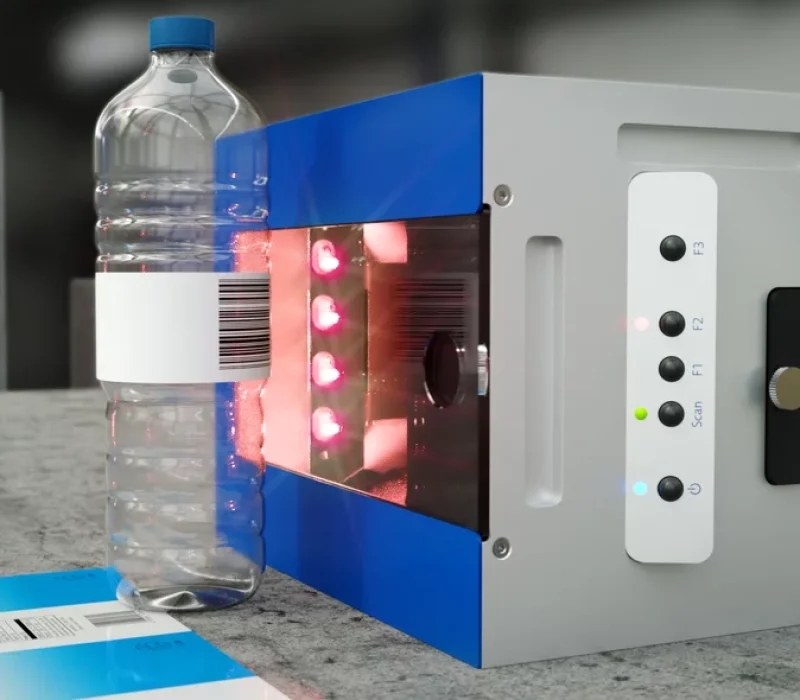
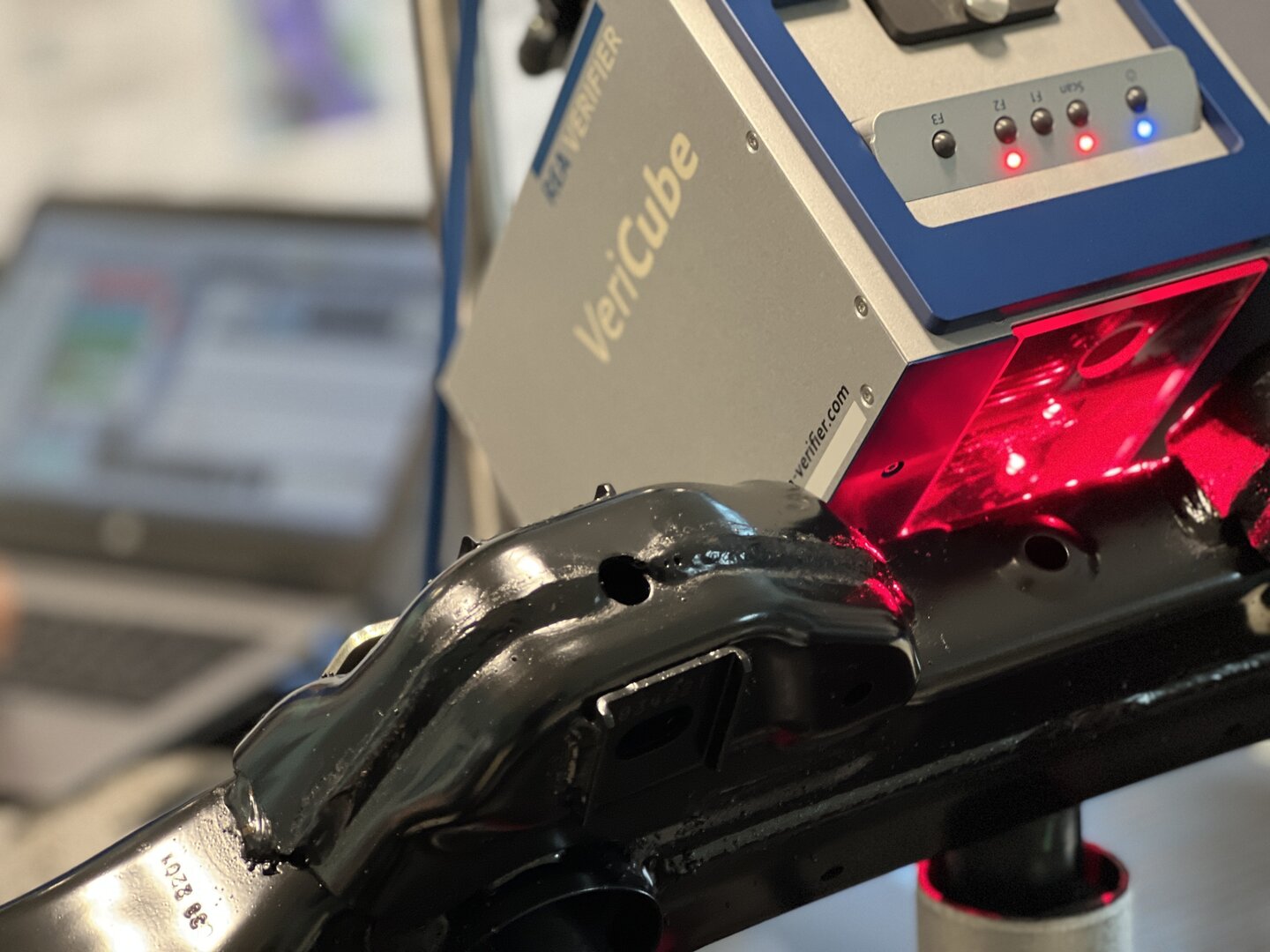
The code verification process can be integrated into a dynamic sequence (in-line verification) or be a static process, independent of production or labeling (off-line).
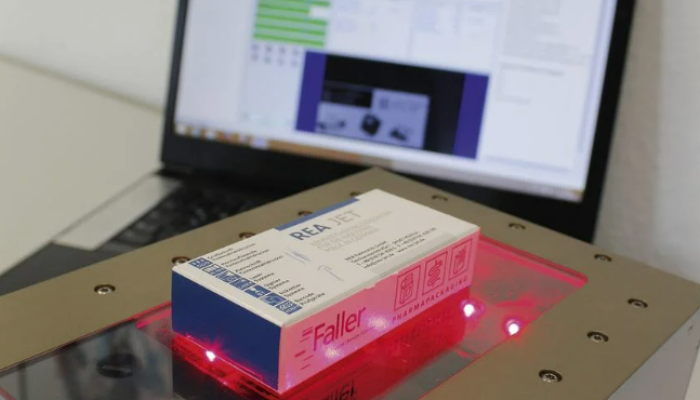
In every case, the objectives of verification are similar—to check and determine whether a barcode or 2D code placed on a label or, increasingly, directly on the product, complies with the requirements. These requirements most often include coding standards such as ISO standards, GS1 general specifications, AIM and FDA regulations, UDI requirements, and other industry guidelines, as well as, at times, specific requirements from a particular customer.
The code verifier checks each code to ensure it meets specific requirements and, at the end of this process, generates an appropriate rating. Only verification guarantees that the code has been correctly generated, and thus ensures that it will be read at every point in the supply chain (unless it is physically damaged).
Code verification vs. code reading—why aren't they the same thing?
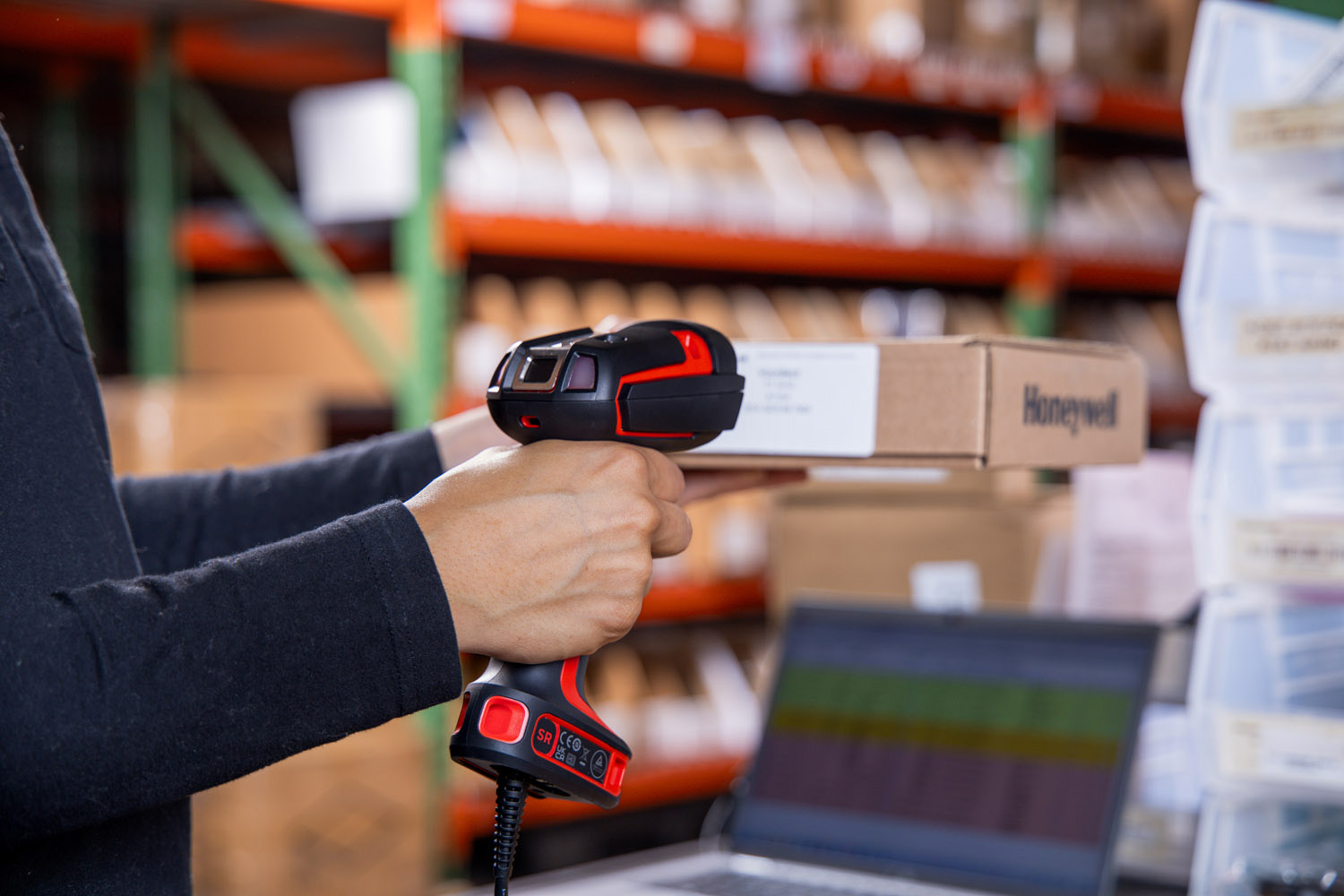
It is important to distinguish between simply scanning a code and verifying it. A barcode scanner primarily indicates whether a given code can be read under specific conditions. However, it does not provide complete information about the code’s quality or whether it will be read correctly at various points in the supply chain.
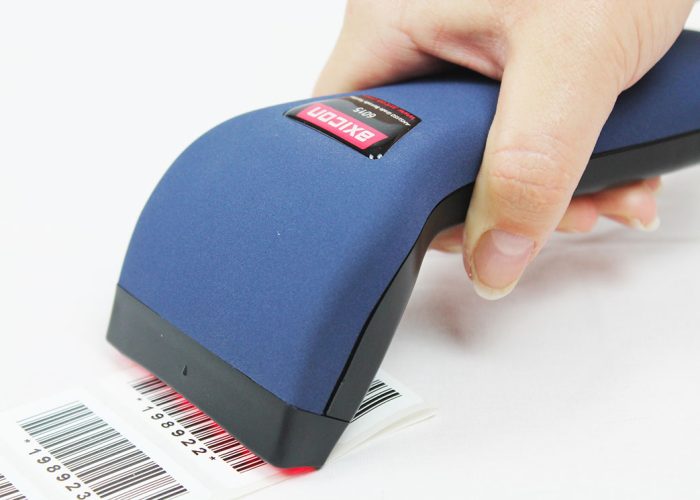
A barcode verifier analyzes the quality of a barcode according to specific standards and parameters. This allows it to assess not only the barcode’s readability but also its compliance with the requirements of standards, industry specifications, or the expectations of a specific customer.
This is particularly important in situations where the code must be read automatically, at high speed, in multiple locations, or by systems operated by various business partners.
Benefits of code verification in a nutshell
Code verification - how to get started?
Choosing a method and equipment for code verification is not, despite appearances, a simple process. There is a large variety of code symbols on the market, both linear and, increasingly, 2D codes. This is compounded by the various requirements (norms, specifications, standards) we mentioned earlier.
We must also remember that each application is different. The ways of printing the code, the raw material they are placed on are different, as are the expectations of the recipients. Implementing code quality testing is not only the cost of purchasing, operating and servicing equipment, but also often the need for changes in quality control and assurance systems, often included in ISO certifications.
That is why it is a good idea to entrust this task to a trusted provider that has the support of hardware and software manufacturers.
Our experience in code verification
For 30+ years we have been implementing solutions related to code quality improvement based on code verification. During this time, our specialists have implemented thousands of such devices, ranging from small printing houses, manufacturing plants, logistics units, to the country’s largest retail chains. Each implementation is preceded by a detailed analysis of the customer’s needs and conditions.
After purchasing the equipment, using our extensive experience, we provide assistance in analyzing and solving user problems. We have our own authorized service for equipment and accessories. Our advantage, in addition to our vast experience and continuous expansion of knowledge, is the wealth of solutions we offer.
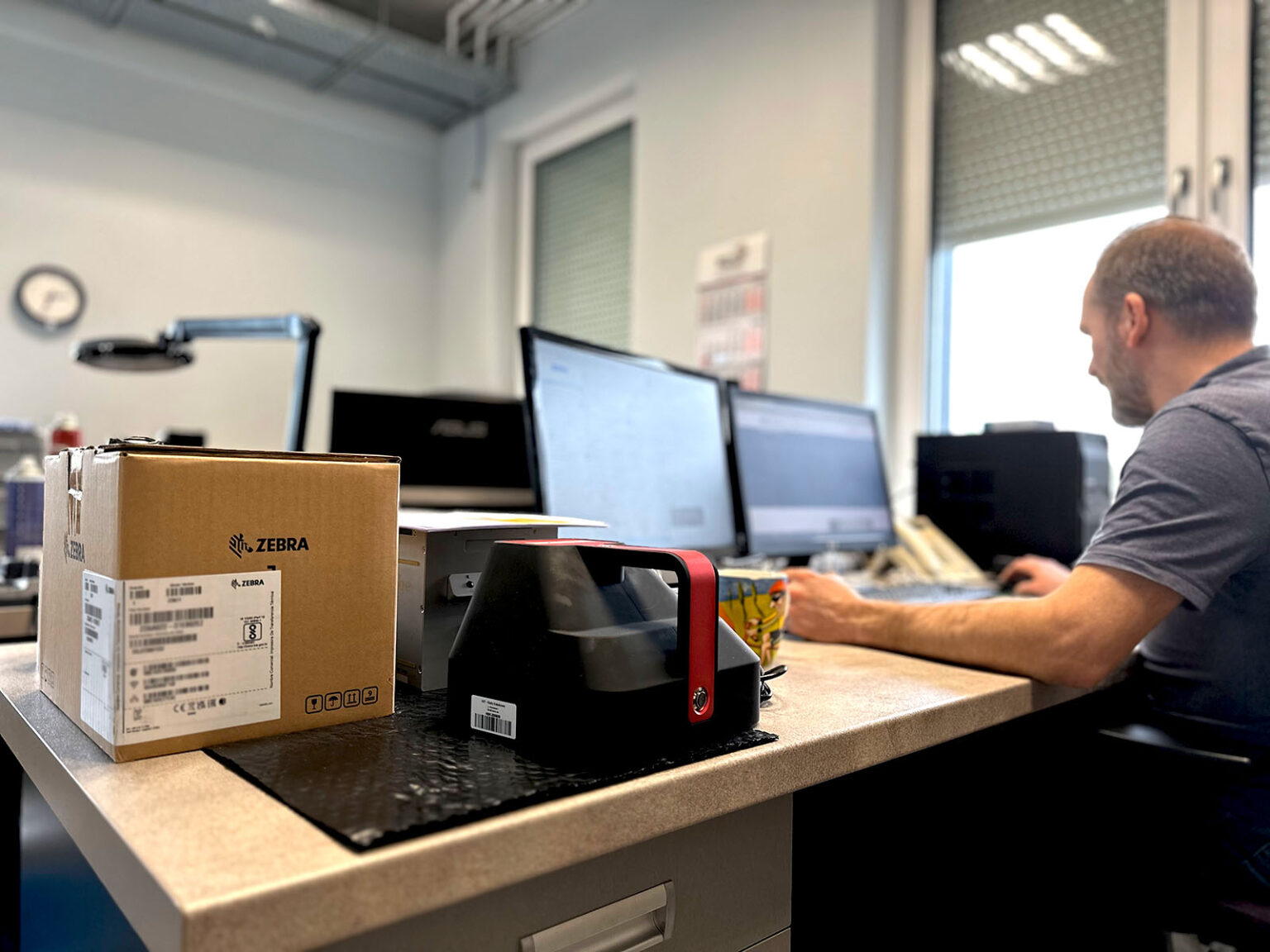
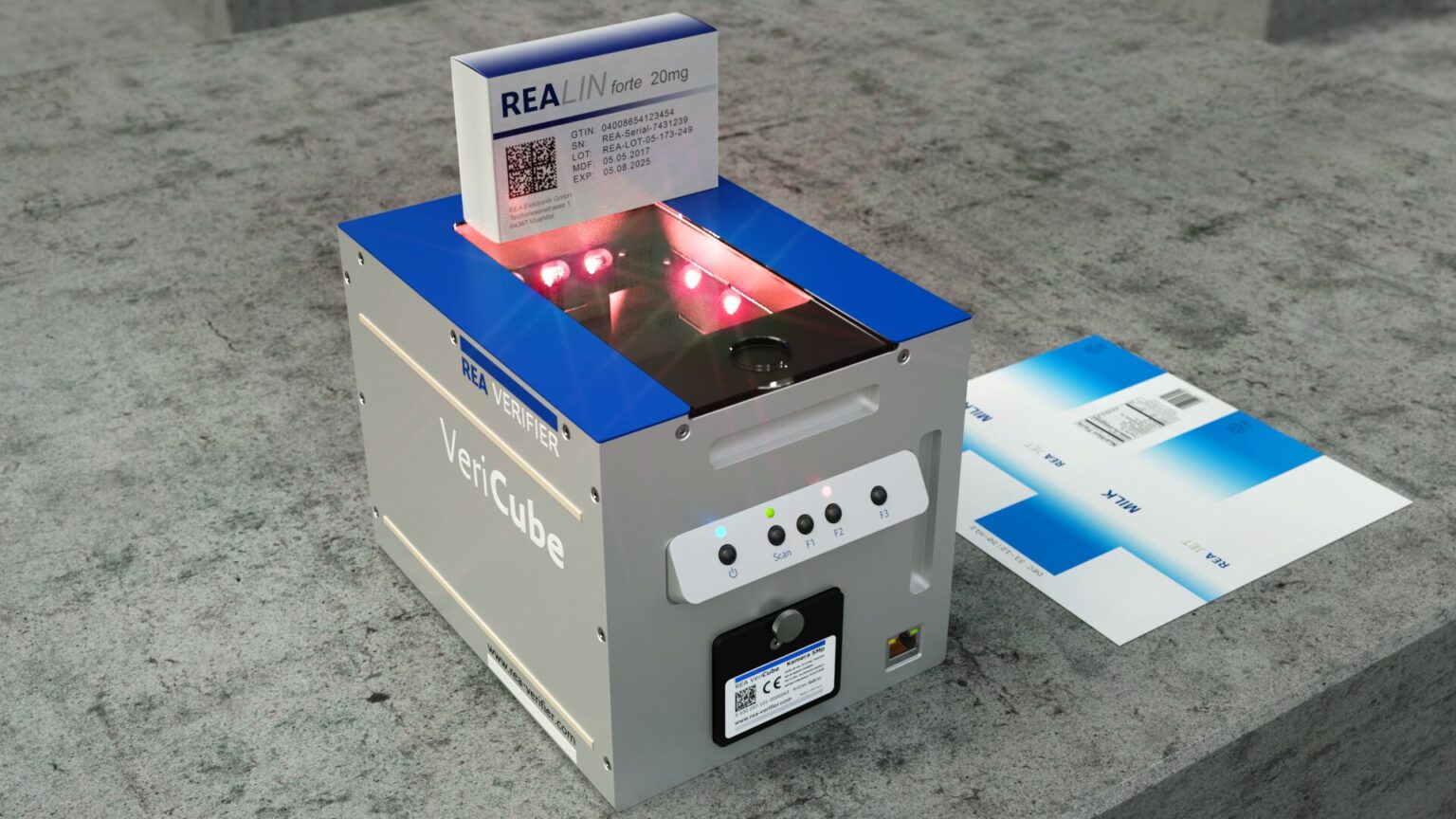
Our partners and suppliers of code verifiers are recognized global manufacturers such as Axicon, REA, OMRON (formerly LVS and Microscan). The equipment offered includes both advanced in-line systems, including those integrated with label printers (ZEBRA, Honeywell or TSC Printronix), and more popular off-line solutions.
Summary
Verification of barcodes and 2D codes is a key element to ensure their correctness and compliance with standards, which translates into a smooth functioning of the supply chain.
Improperly printed or damaged codes can lead to disruptions in logistics, additional costs and even loss of customers. Thanks to modern verifiers, it is possible to effectively control the quality of codes, both in-line and off-line, eliminating errors already at the production stage.
If you’re looking for a device to perform quality control on barcodes in your company, check out our selection of barcode verifiers. We can help you choose solutions for 1D, 2D, and DPM barcodes, as well as for in-line and off-line processes.