
Shortcuts
- What are machine vision systems for quality control?
- How does a visual quality control system work?
- What does an industrial vision system consist of?
- Integration of the video surveillance system with building automation
- CCTV Camera vs. Barcode Scanner—What’s the Difference?
- 2D and 3D Vision Systems and AI-Based Solutions
- How do you choose a vision system for quality control?
- Vision Systems for Quality Control from HKK Group
- Highlights
Vision systems for quality control are one of the key elements of modern production automation. They allow products to be inspected directly during the process, in a repeatable manner, and without the need for an operator to perform each inspection.
Industrial cameras, appropriately selected optics and lighting, and image-analysis software can determine in a fraction of a second whether the inspected product meets specific requirements. The results of the analysis can then be transmitted to the production line’s automation system, a master system, or an operator.
In practice, therefore, a vision system is not merely a camera that observes a process. It is a comprehensive solution that captures an image, interprets it, and makes a specific decision based on defined criteria.
What are machine vision systems for quality control?
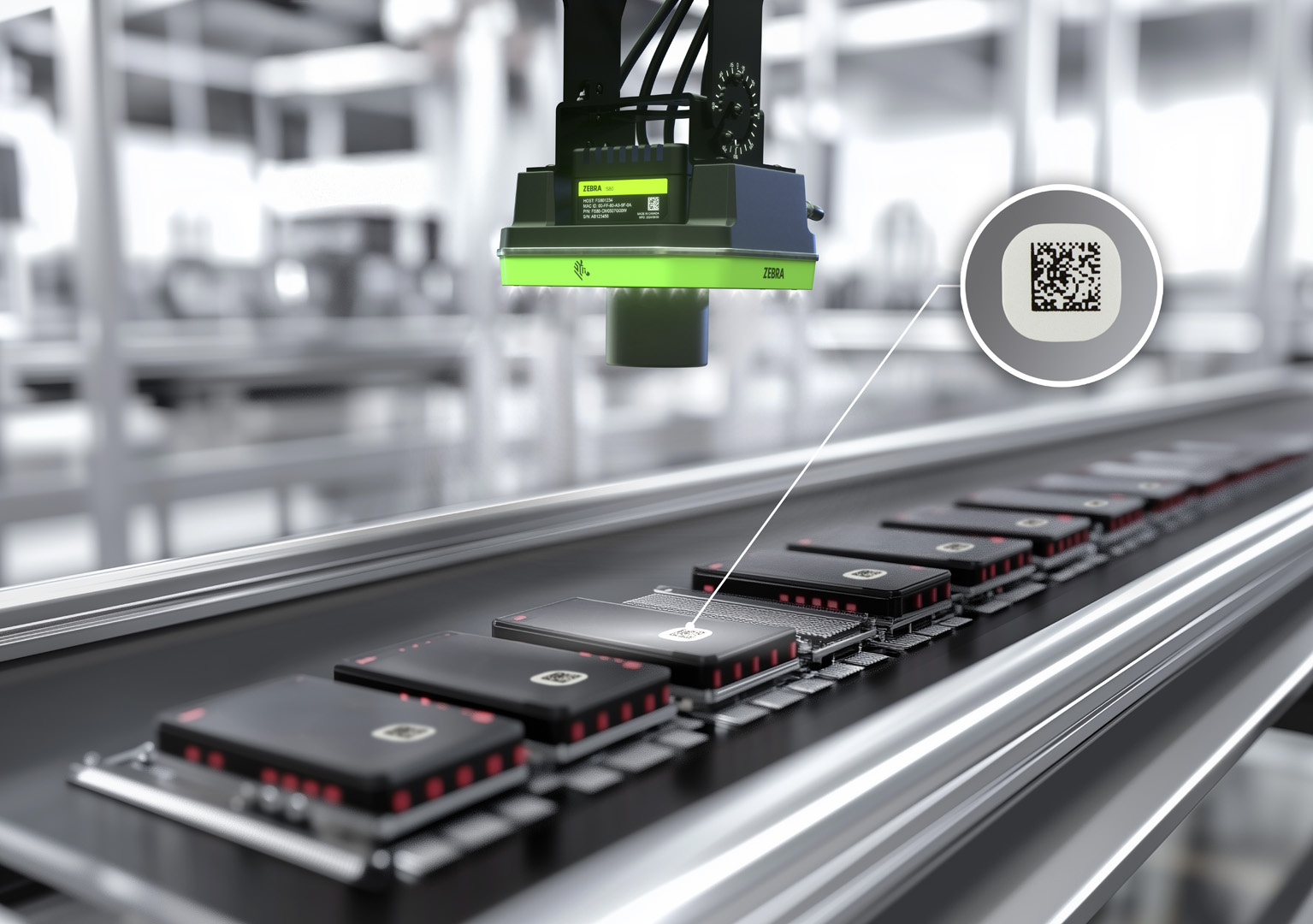
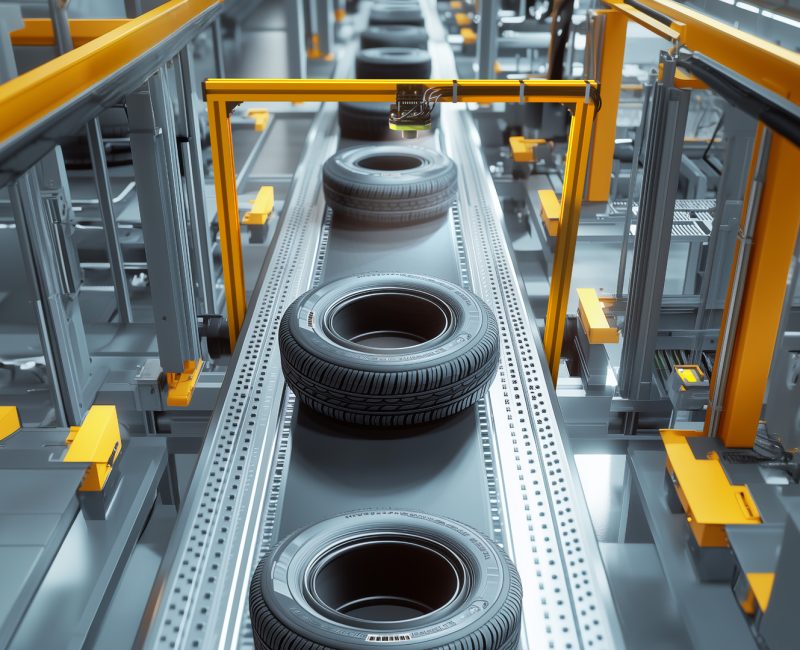
A vision system, also known as machine vision, uses images to automatically inspect a product or process.
The camera captures an image of the object being inspected, and the software then analyzes selected image features. Depending on the application, it can check, among other things, for the presence of a specific element, its location, dimensions, shape, markings, or compliance with an established standard.
The analysis may lead to a simple decision:
- OK – Product Compliant
- NOK – non-compliant product.
However, the system can transmit much more information, such as the measurement result, the serial number read, the product code, the type of nonconformity detected, or an image of the inspected item.
The most important feature of industrial vision inspection is the ability to apply the same criteria to successive products passing through the inspection station. This is particularly important on high-speed production, assembly, and packaging lines, where traditional manual inspection has inherent limitations due to the pace of the process and the repetitive nature of the tasks performed.
How does a visual quality control system work?
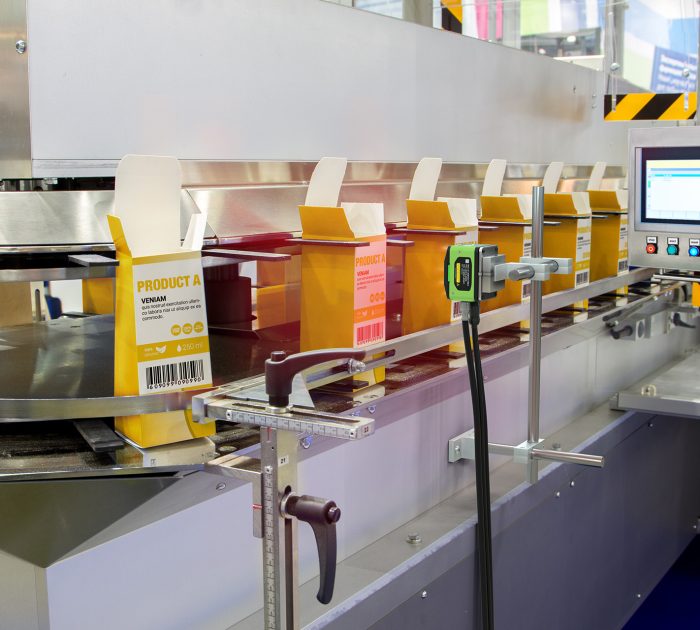
The process begins with the delivery of the product to a designated inspection point. The moment a photo is taken can be triggered, for example, by a sensor, a signal from a PLC, or the vision system itself. The camera captures an image of the product, which is then sent to software that analyzes specific characteristics.
Depending on the application, the system can, among other things:
- detect the presence or absence of elements,
- locate elements in the image,
- analyze the shape,
- take measurements,
- check the position and orientation,
- analyze the prints,
- read text using OCR,
- recognize barcodes and 2D codes,
- compare the product to a specific standard.
Once the analysis is complete, the system generates a result. If the product is compliant, the process can continue. If a nonconformity is detected, the information can be forwarded to the production line’s automation system or to the operator.
This allows for inspections to be conducted directly at the point where the product is manufactured, rather than at a later stage of the process.
What does an industrial vision system consist of?
The effectiveness of a machine vision solution does not depend solely on the quality of the camera used. An industrial vision system consists of several components that must be selected for a specific application.
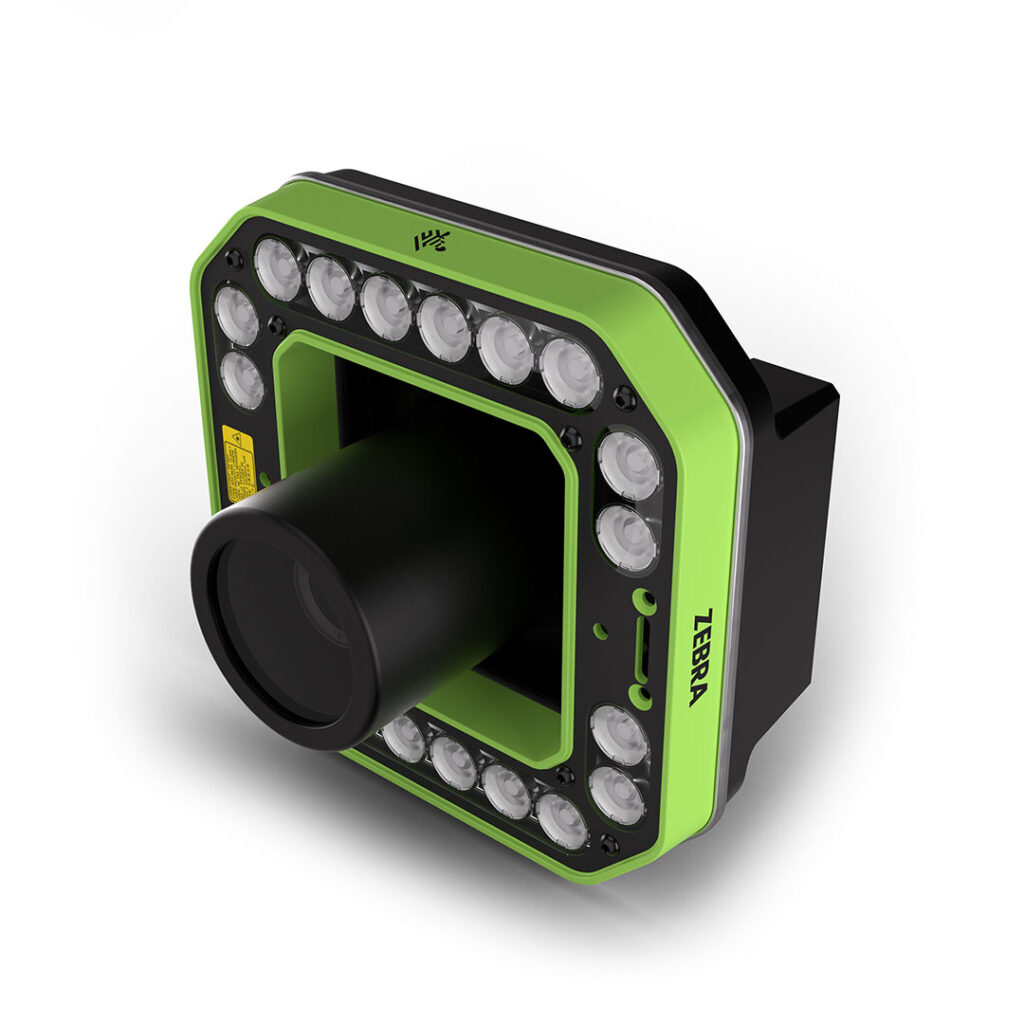
Industrial camera
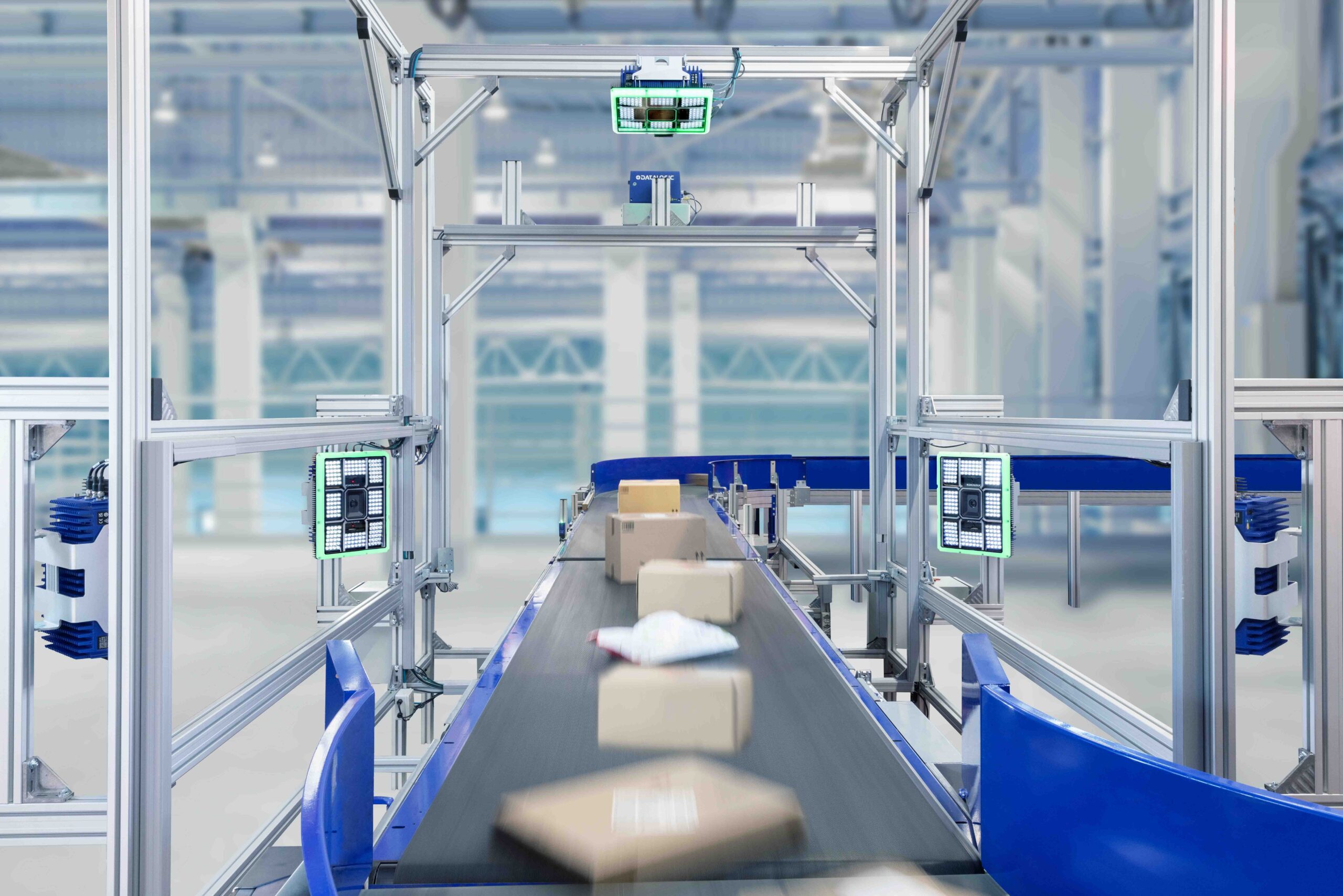
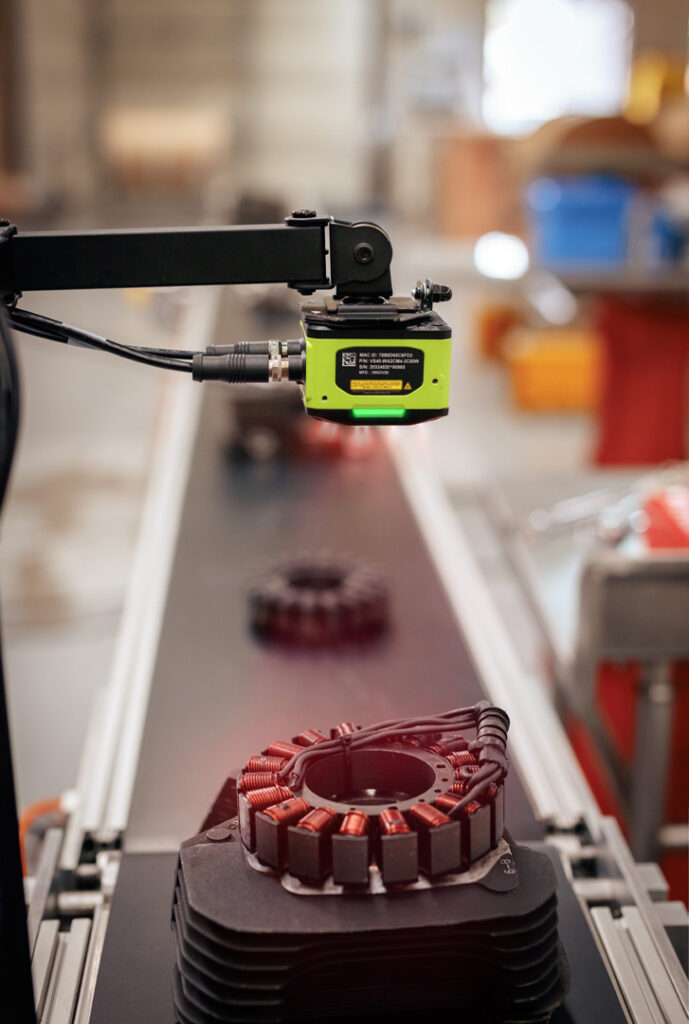
The camera is responsible for capturing images of the inspected object. Its specifications must be selected based on factors such as the product’s size, the required image detail, the process speed, and the distance from the inspected item.
In simpler applications, compact smart cameras—which combine image capture with image processing—are used, among other things.
More sophisticated workstations may use several cameras to monitor the product from different angles.
Optics
The right lens determines the field of view, sharpness, and level of detail in the image. A system designed to detect the presence of a large object will have different requirements than a solution that detects a small surface defect or analyzes a fine mark on a product.
Lighting
Lighting is one of the most important elements of industrial machine vision. After all, the system’s purpose is not to take an attractive photo, but to obtain an image that clearly distinguishes a correct feature from a defect.
The right lighting can highlight edges, prints, surface texture, differences in contrast, or minor defects that would be difficult to notice under standard lighting.
Image Analysis Software
It is responsible for interpreting the data provided by the camera. Depending on the application, it can, among other things:
- detect the presence or absence of an element,
- determine its location and orientation,
- take measurements,
- compare the product with a standard,
- analyze a shape or a surface,
- read text using OCR,
- read barcodes and 2D codes,
- classify products,
- identify specific nonconformities.
In more demanding applications, image analysis can be supported by machine learning and artificial intelligence algorithms.
Integration of the video system with automation
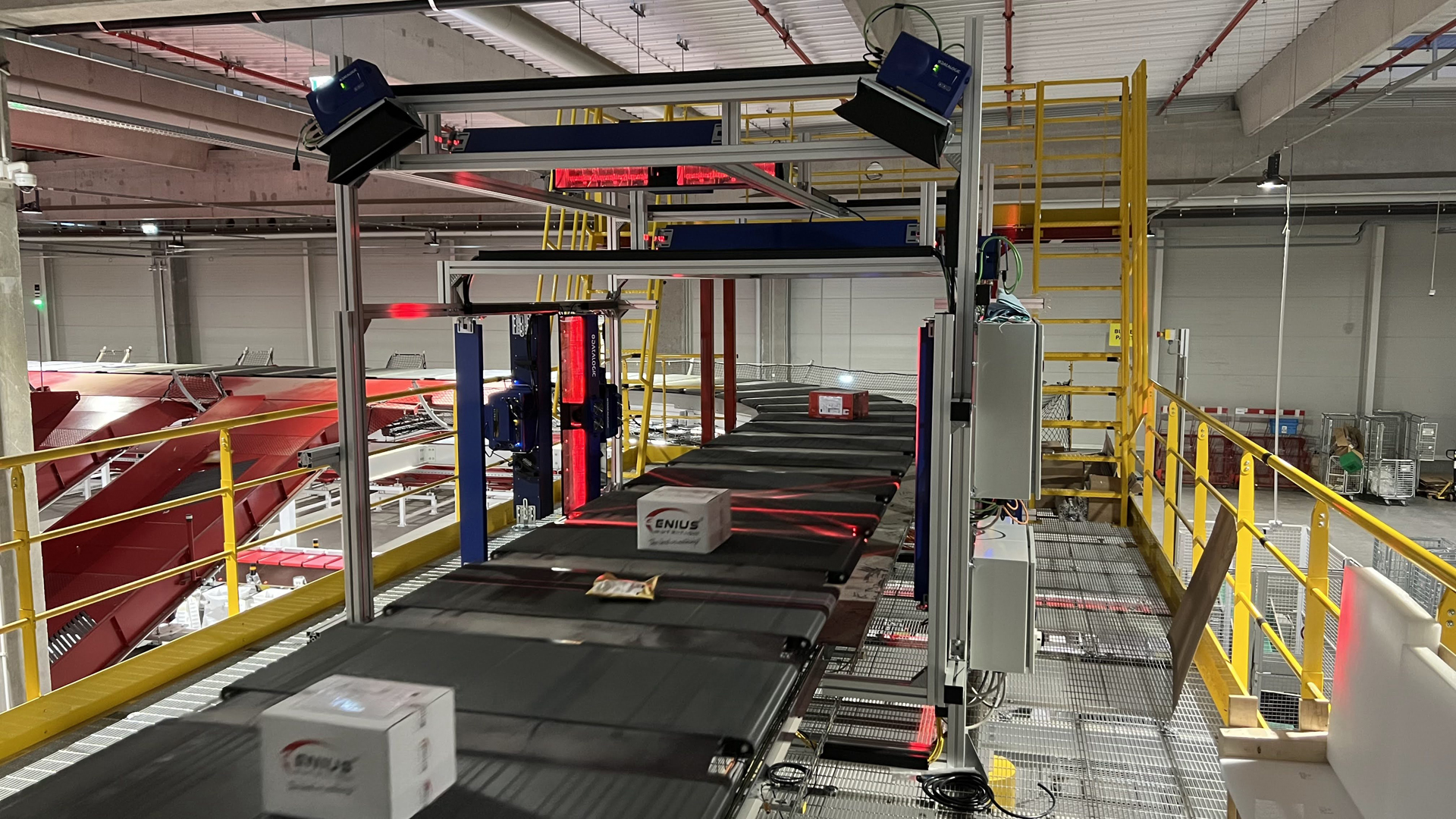
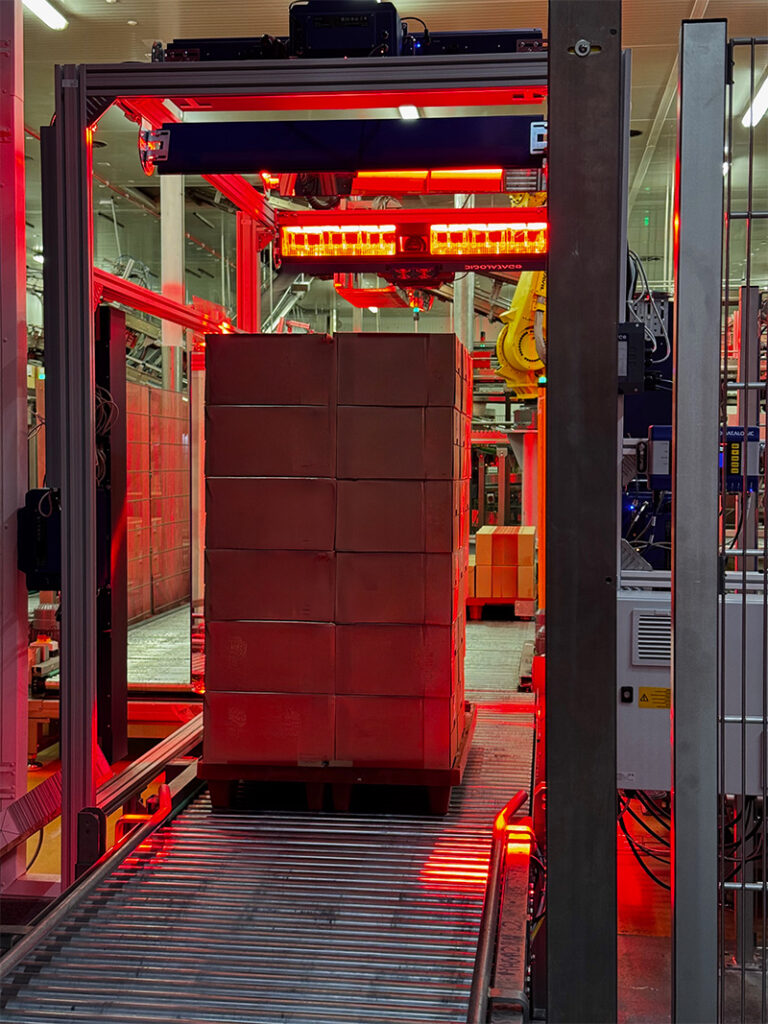
A vision system operating on a production line typically does not function independently. The result of an inspection should trigger a specific action in the process. The system can therefore transmit information to a PLC, a machine, a robot, a master system, or another automation component.
Once a discrepancy is detected, the following actions are possible, for example:
- automatic rejection of defective products,
- line stop,
- triggering an alarm,
- sending information to the operator,
- recording the results of the inspection,
- a record of a photograph of the inspected product,
- linking the result to a serial number or lot number.
In this way, the vision system becomes part of an automated quality control process, rather than merely a device that monitors the product.
It can also integrate with automatic identification systems, allowing the inspection results to be assigned to a specific product.
CCTV Camera vs. Barcode Scanner—What's the Difference?
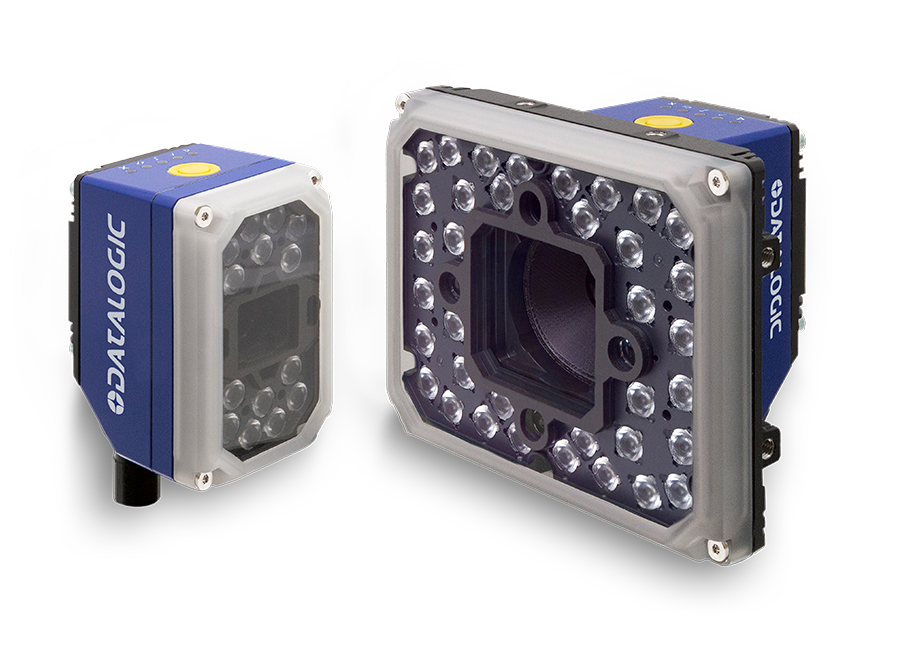
Modern industrial devices increasingly combine various functions, which is why the line between a scanner and a vision camera may seem less clear.
However, the primary purpose of the two technologies is different.
A barcode scanner is primarily used to identify information encoded in a barcode or 2D code.
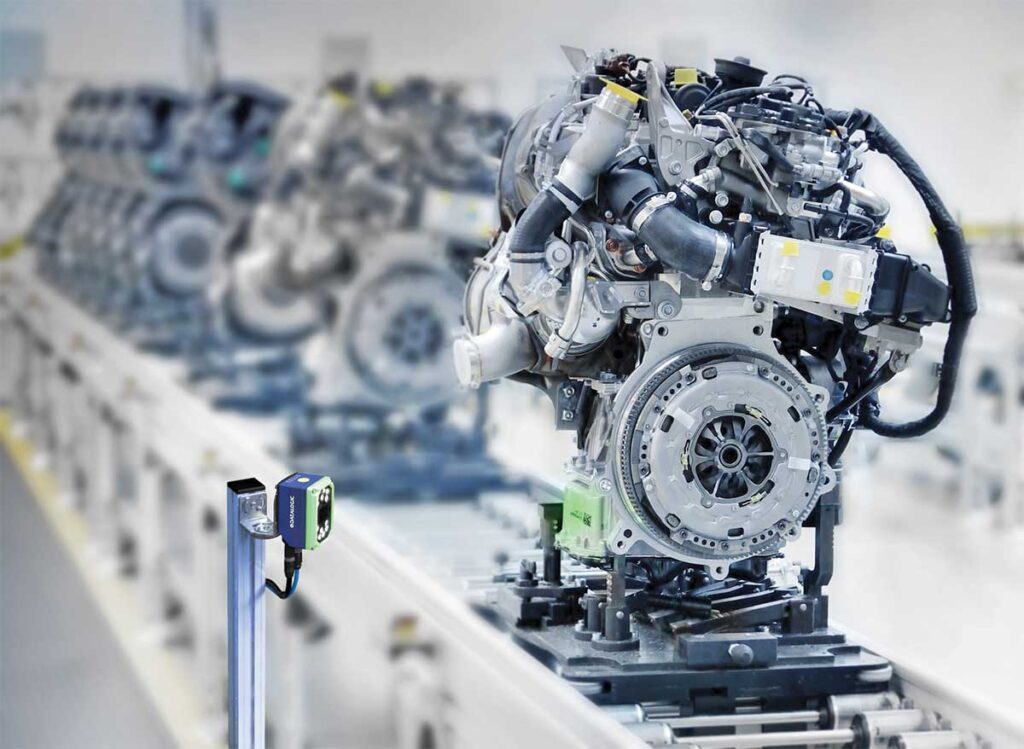
The vision system, on the other hand, analyzes an image of the entire object or a selected portion of it. It can therefore not only read the code but also check, for example:
- the presence of a component,
- the element’s location,
- proper installation,
- shape,
- dimensions,
- print,
- specific visual characteristics of the product.
Both features can work together within a single app.
The system can first identify a product based on its code and then apply the appropriate set of quality control rules. This allows for the integration of automated identification with product inspection at a single point in the process.
If you’d like to learn more about industrial scanning, you may also want to check out our article on automatic barcode scanning systems.
2D and 3D vision systems and AI-based solutions
Not every process requires the same technology. In many applications, conventional 2D image inspection is sufficient. In such cases, the system analyzes a two-dimensional image of the product and uses it to evaluate specific characteristics.
If information related to the height, depth, or spatial geometry of an object is important, 3D solutions may be appropriate. Yet another category consists of systems that use AI and machine learning.
They can be particularly useful when:
- The products under review are characterized by natural variability,
- The defect cannot be easily described by a simple set of parameters,
- Image analysis requires the classification of more complex patterns.
However, the most advanced solution is not always the best one. In industrial quality control, the most important factors are stability, repeatability, and ensuring that the technology is properly suited to the specific task.
How do you choose a vision system for quality control?
The design of the system should not begin with the selection of a specific camera model, but rather with answering a fundamental question:
What exactly is the system supposed to monitor?
Checking for the presence of a label requires one solution, verifying the correct assembly of several components requires another, and analyzing a small product detail requires yet another.
Before starting a project, it’s a good idea to determine, among other things:
- type of product being inspected,
- a characteristic or nonconformity to be detected,
- the minimum size of a detectable detail,
- product positioning strategy,
- the natural variation in normal products,
- line speed,
- time available to perform the analysis,
- field of view,
- lighting conditions,
- available installation space,
- the method of communicating OK/NOK decisions,
- method of integration with automation systems,
- Requirements for archiving data and images.
Only on this basis can one properly select the camera, lens, lighting, and method of image analysis.
That is why, in many projects, testing on actual products and on examples of conforming and nonconforming parts is a critical step.
If you’re primarily interested in what types of defects and nonconformities vision systems can detect, we cover this topic in more detail in the article “Quality Control on the Production Line—What Defects Do Vision Systems Detect?”
Vision Systems for Quality Control from HKK Group
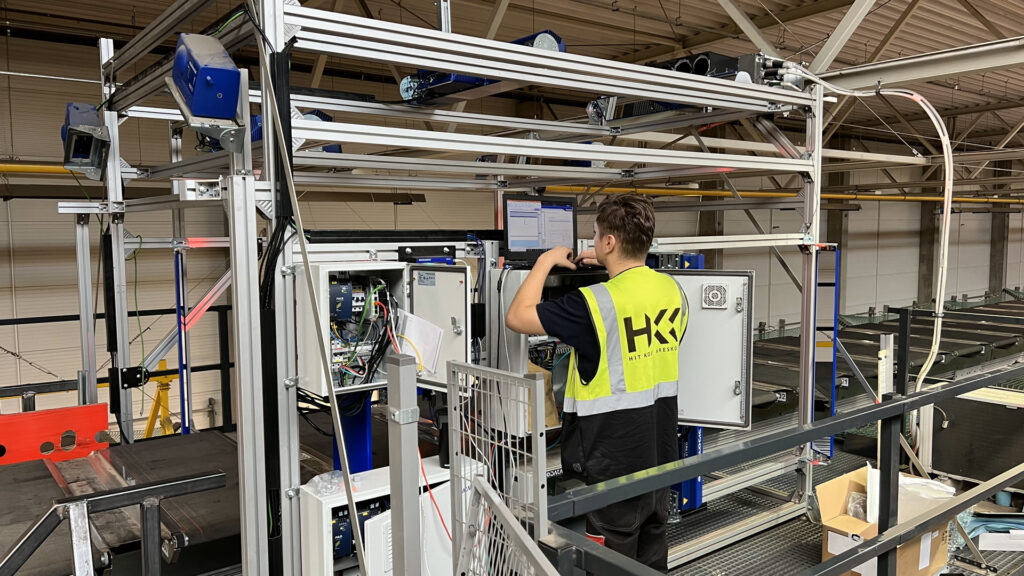
HKK Group supports manufacturing and logistics companies in implementing solutions for automatic identification, automation, and industrial image analysis. In the field of machine vision, we use technologies from leading manufacturers, including Zebra Technologies and Datalogic.
The choice of system should always be based on the actual process.
The product being inspected, the type of nonconformity, the line speed, the operating conditions, and how the vision system communicates with the rest of the automation system are of critical importance.
If you’re wondering whether a vision system can be used for quality control in your process, contact HKK Group. We’ll analyze your application and help you select a solution that meets your specific process requirements.