
Shortcuts
- Labels for the Meat and Seafood Industries – Solutions for Demanding Conditions
- What requirements must labels in the meat and fish processing industries meet?
- Product labels for meat, fish, and processed foods
- Labels for cold storage and freezer facilities in the meat and seafood industries
- Linerless labels for meat and fish processing plants
- Multi-layer peel-off labels for meat and fish products
- Loop labels for half-carcasses, crates, and bulk packaging
- Label Selection and Testing for the Meat and Fish Industries
- Highlights
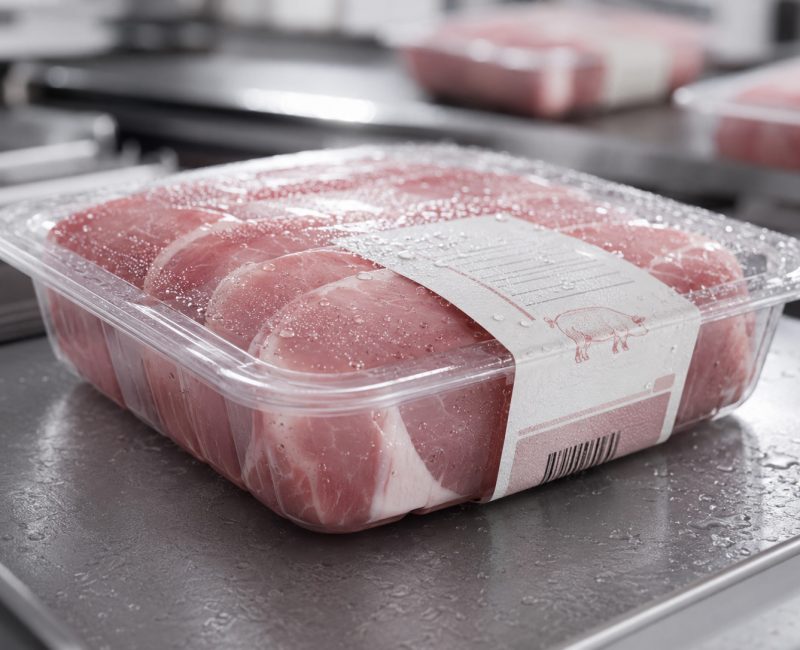
Labels for the Meat and Seafood Industries – Solutions for Demanding Conditions
The production of meat, fish, and processed products requires labels that remain legible and securely affixed despite moisture, grease, low temperatures, and intensive logistics handling. Therefore, self-adhesive labels for the meat and fish industries should be selected not only to match the packaging design but also to suit the type of surface, application method, and conditions throughout the entire supply chain.
What requirements must labels in the meat and fish processing industries meet?
The label may accompany the product through packaging, refrigeration, storage, transportation, and retail display. During this time, it comes into contact with condensing water vapor, fluctuating temperatures, greasy surfaces, or flexible packaging. Using the wrong material or adhesive can cause the print to peel off, wrinkle, or become difficult to read.
The key factor is the application analysis. Important considerations include the packaging material, the temperature during application, subsequent storage conditions, and whether the labels are applied manually or automatically.
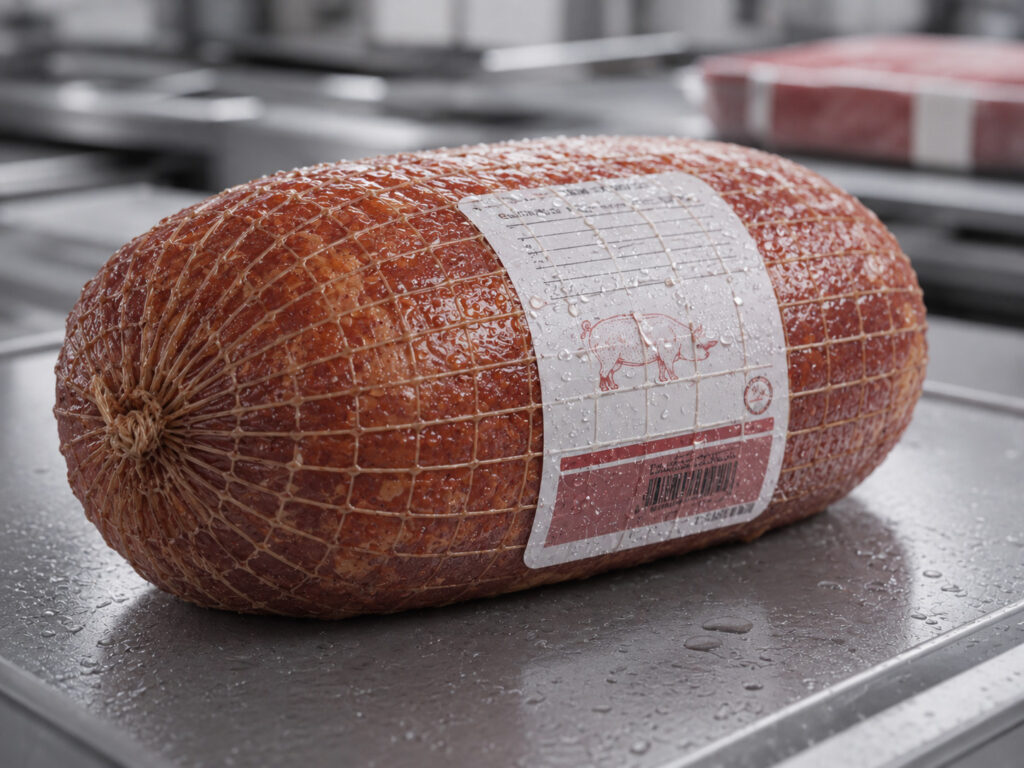
Product labels for meat, fish, and deli meats
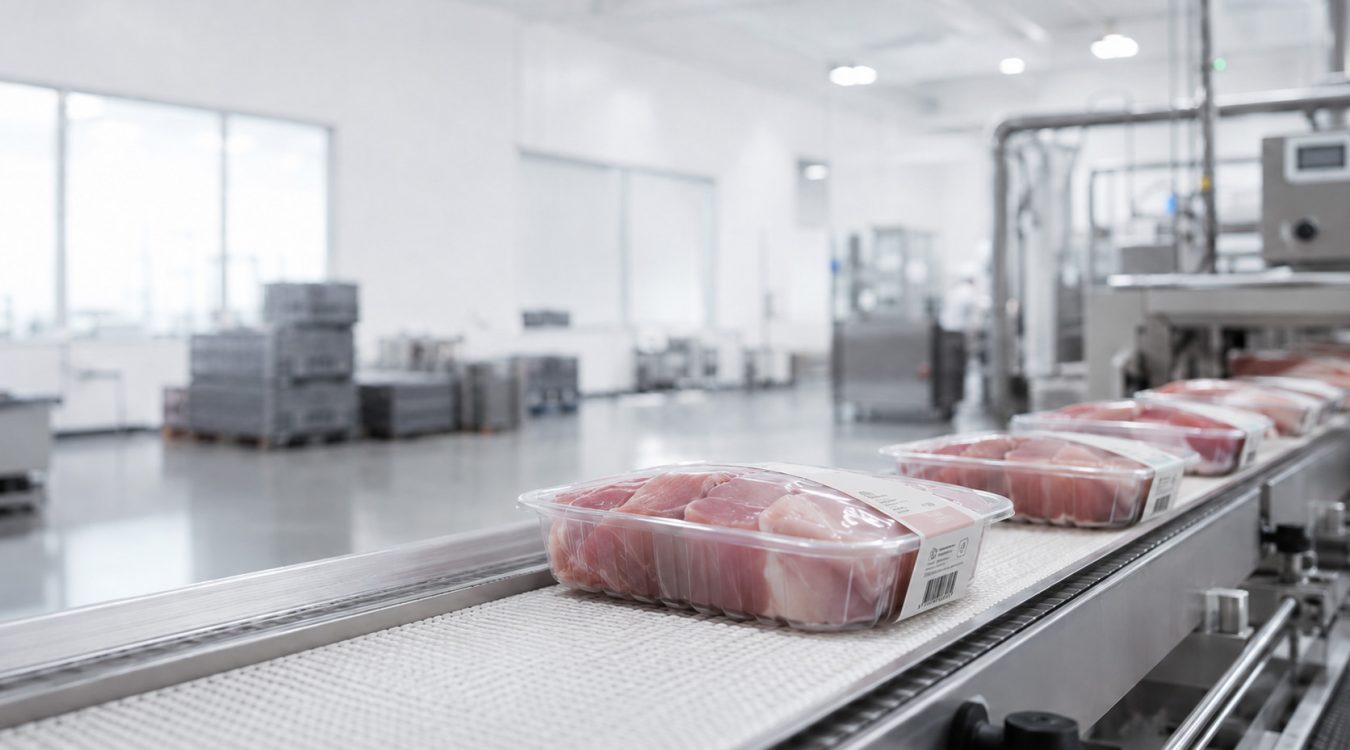
Product labels are used on trays, plastic wrap, cardboard boxes, vacuum-sealed packaging, and shipping containers. They may include the product name, ingredients, weight, expiration date, lot number, barcode, manufacturer information, and details needed for sales and logistics.
Depending on the type of packaging, different materials, adhesives, and finishes are used . Labels on rigid trays require different specifications than those on flexible film, and labels on master cartons require yet other specifications.
Standard adhesives do not always provide adequate adhesion to cold, wet, smooth, or greasy packaging. In such applications, labels with specialized adhesives tailored to the specific surface and application conditions are used.
This helps minimize the risk of the label peeling off during production, storage, or transport. The selection should also take into account when the label is applied—especially when the packaging is already chilled or damp.
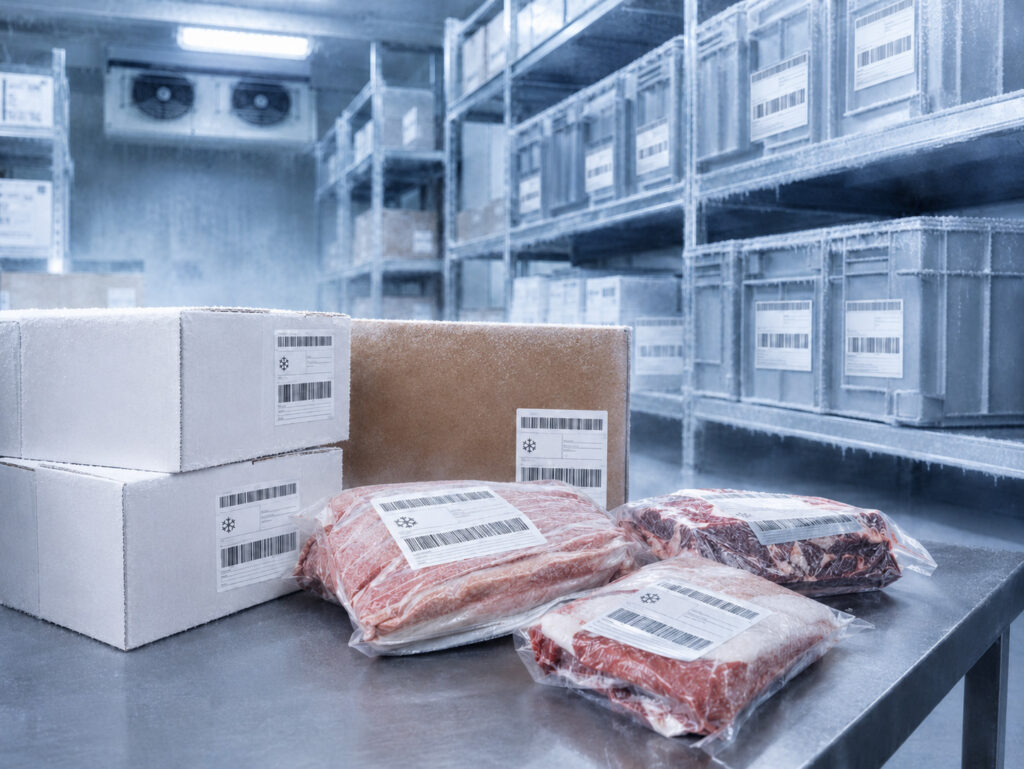
Labels for Cold Storage and Freezer Rooms
Chilled and frozen products require materials that maintain their properties at low temperatures. The solution must be selected based on both the application temperature and subsequent storage conditions.
Properly prepared labels allow for the identification of individual packages, production batches, and logistics units in cold storage facilities, freezers, and refrigerated transport. A legible barcode or 2D code streamlines identification at subsequent stages of the process.
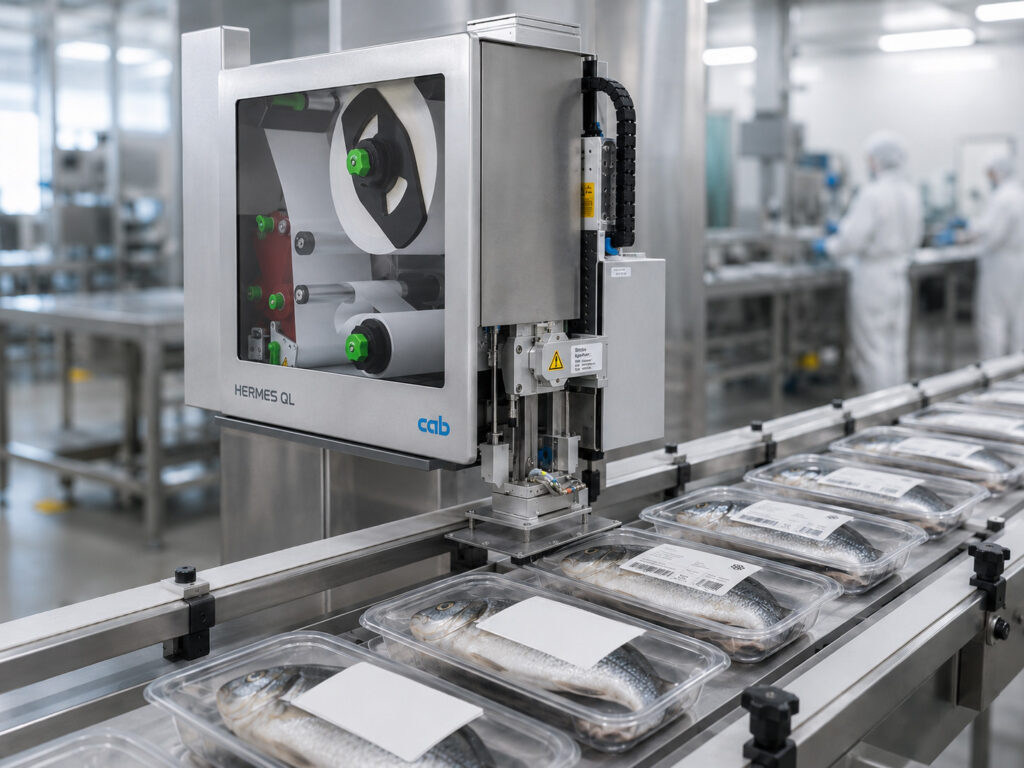
Linerless labels for meat and fish processing plants
Linerless labels do not have the traditional backing that is peeled off before application. This allows for more labels to fit on a single roll, and there is no waste in the form of backing paper during the automatic labeling process.
This solution is ideal for high label consumption, fast application, and situations requiring variable label lengths. It can reduce the number of roll changes, streamline operations at the packaging station, and help optimize costs.
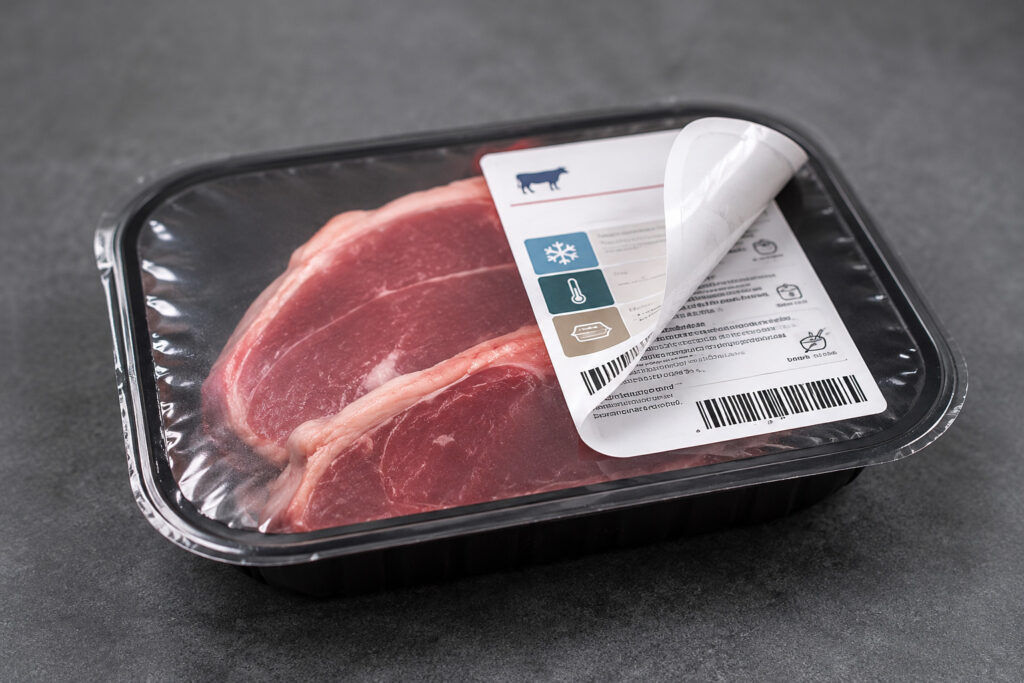
Multi-layer peel-off labels for meat and fish products
When a lot of information needs to fit on the packaging, peel-off multi-layer labels are used. The additional layers make it possible to include multiple language versions, detailed ingredient lists, preparation instructions, legal information, or promotional content without increasing the surface area of the base label.
This solution is particularly useful for export products, private-label brands, and multiple variants of the same product.
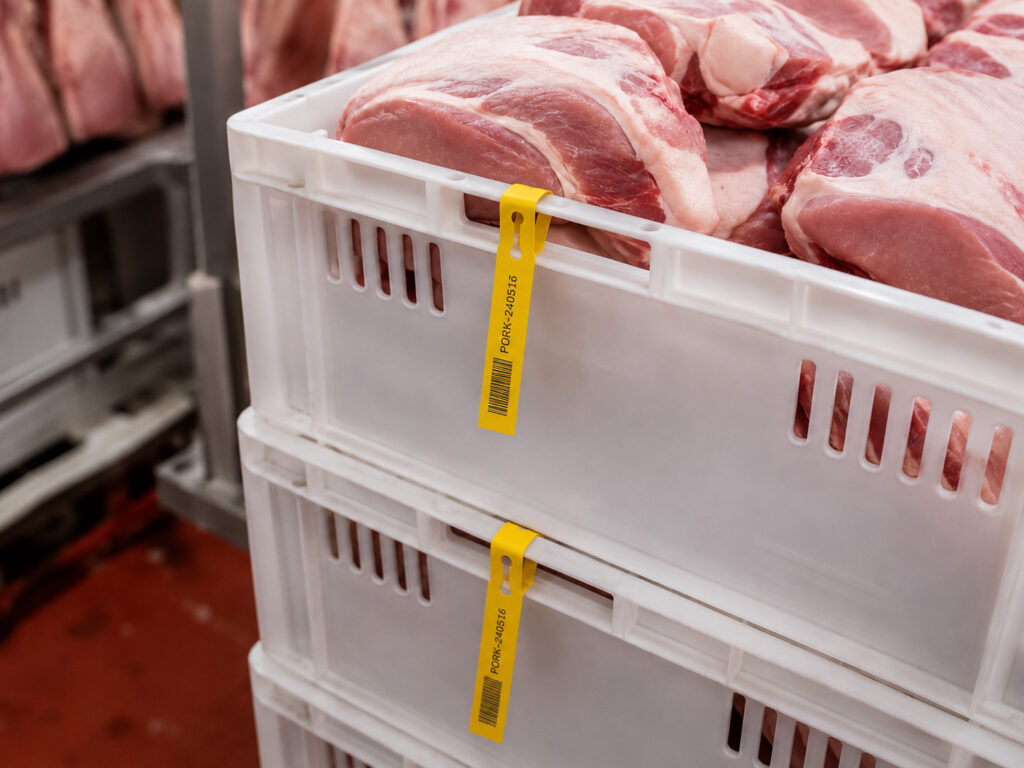
Loop labels for half-carcasses, crates, and bulk packaging
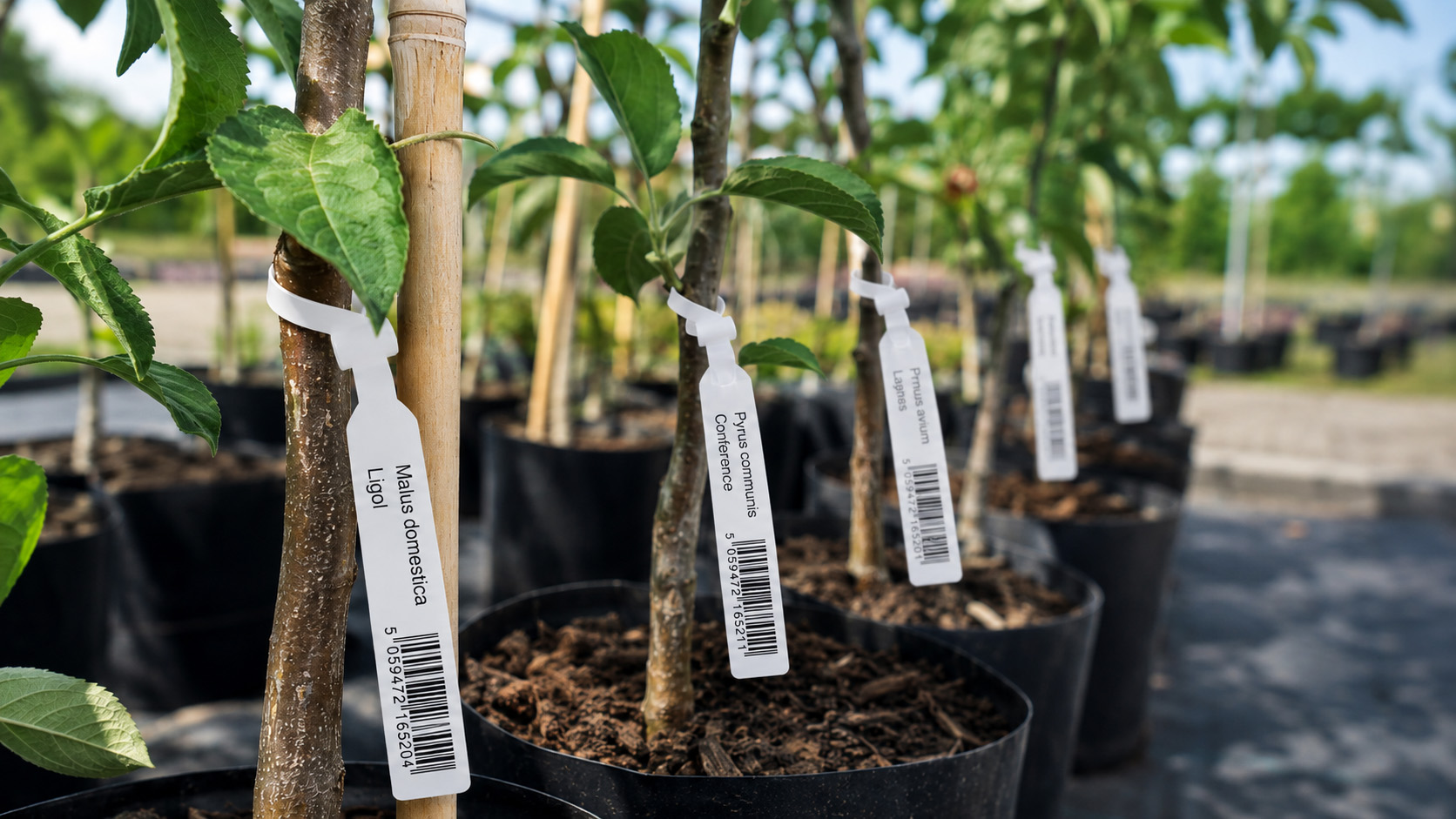
In situations where labels cannot be affixed directly to the product or packaging, loop labels are used. They can be used to label half-carcasses, cured meat products, hooks, shipping crates, and other items in the production process.
They allow you to assign a lot number, production date, weight, barcode, or other identifying information. We discuss this type of labeling in more detail in a separate article on loop labels.
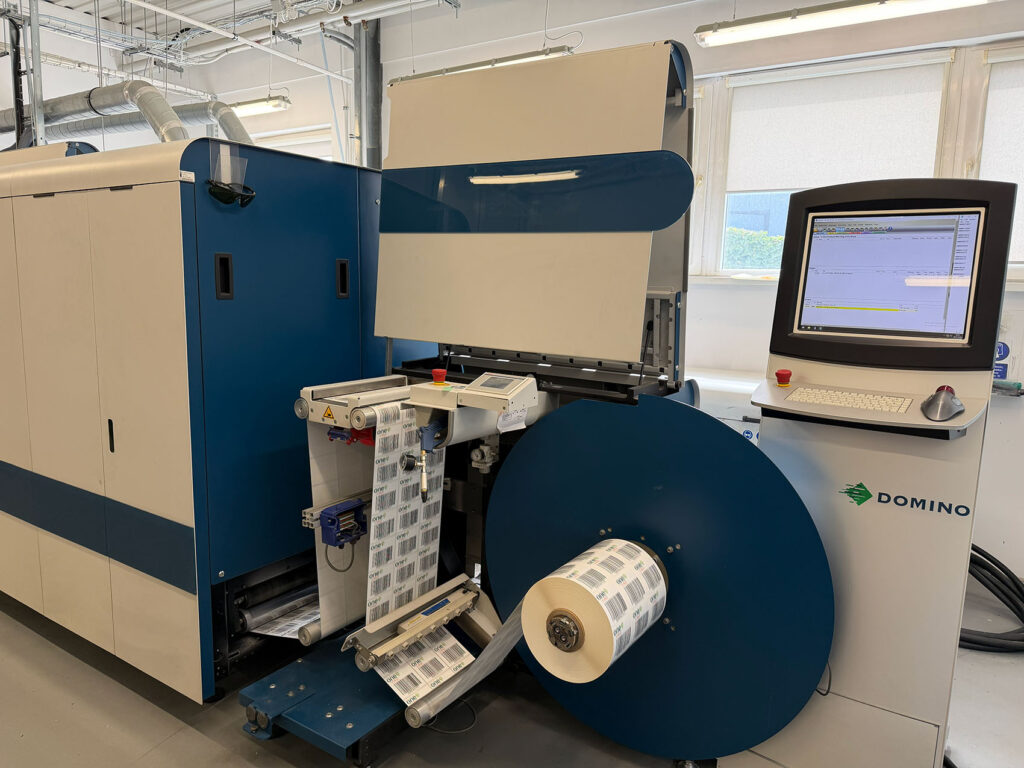
Product Selection, Free Samples, and Supply Chain Management
At HKK Group, we help you select the material, adhesive, format, printing technology, application method, and delivery method for your labels. Before starting production, we can prepare samples for testing under the customer’s actual conditions.
We combine the expertise of a label printing company with experience in the fields of automatic identification, label printers and applicators, barcode scanners, and warehouse logistics. As a result, labeling can be tailored not only to the packaging but also to the entire production and distribution process.