
Key information:
A WMS-class warehouse management system is an IT solution that is gaining popularity. This is due to the growing importance of logistics as an area of competitive advantage building, which is caused, among other things, by the strong development of alternative sales channels, especially the area of e-commerce.
In order to take advantage of the capabilities of the WMS class system, it is also necessary to take care of the availability of appropriate devices that enable the use of the potential of bar code technology, 2D code, or RFID radio communication.
In this guide, we’ll discuss what equipment is an absolute minimum, and what equipment can be a valuable addition to make your warehouse even more efficient.
What is a WMS-class warehouse management system?
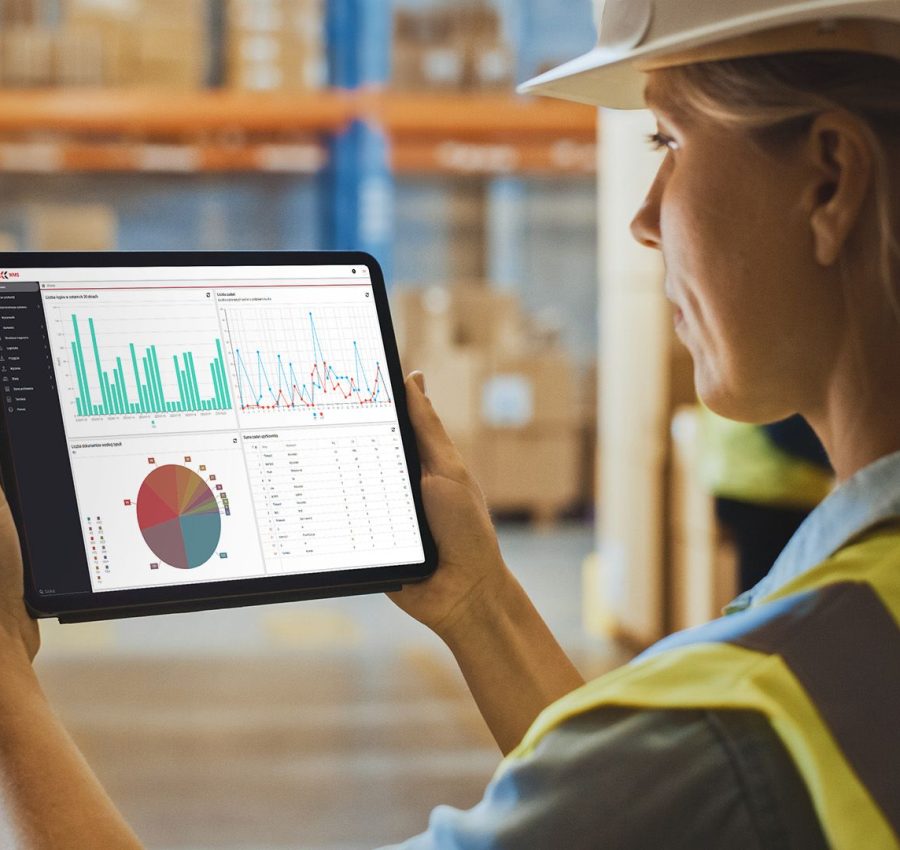
A WMS is an enterprise-class IT tool that streamlines all processes in the area of warehouse logistics. Systems of this class cover the main elements of the daily operation of the warehouse such as:
- receipt of goods into the warehouse
- storage of goods in the warehouse
- release of goods from the warehouse
A WMS system uses barcode technology (or, alternatively, other automatic identification methods) to automate the identification of goods and storage zones. It is the barcode that enables its contents to be quickly read using specific Auto ID devices. This reading allows for error-free identification of the specific goods in question, differentiation between specific storage locations, and determination of the lot number or expiration date.
The reading of the barcode itself takes really little time (just fractions of a second) and generates virtually no errors. So what does it take to take advantage of this technology?
Barcode readers, RFID technology, mobile terminals, Cubiscan dimensioning devices, Voice Picking, label printers. We offer a comprehensive supply of Auto ID equipment.

First, barcode readers.
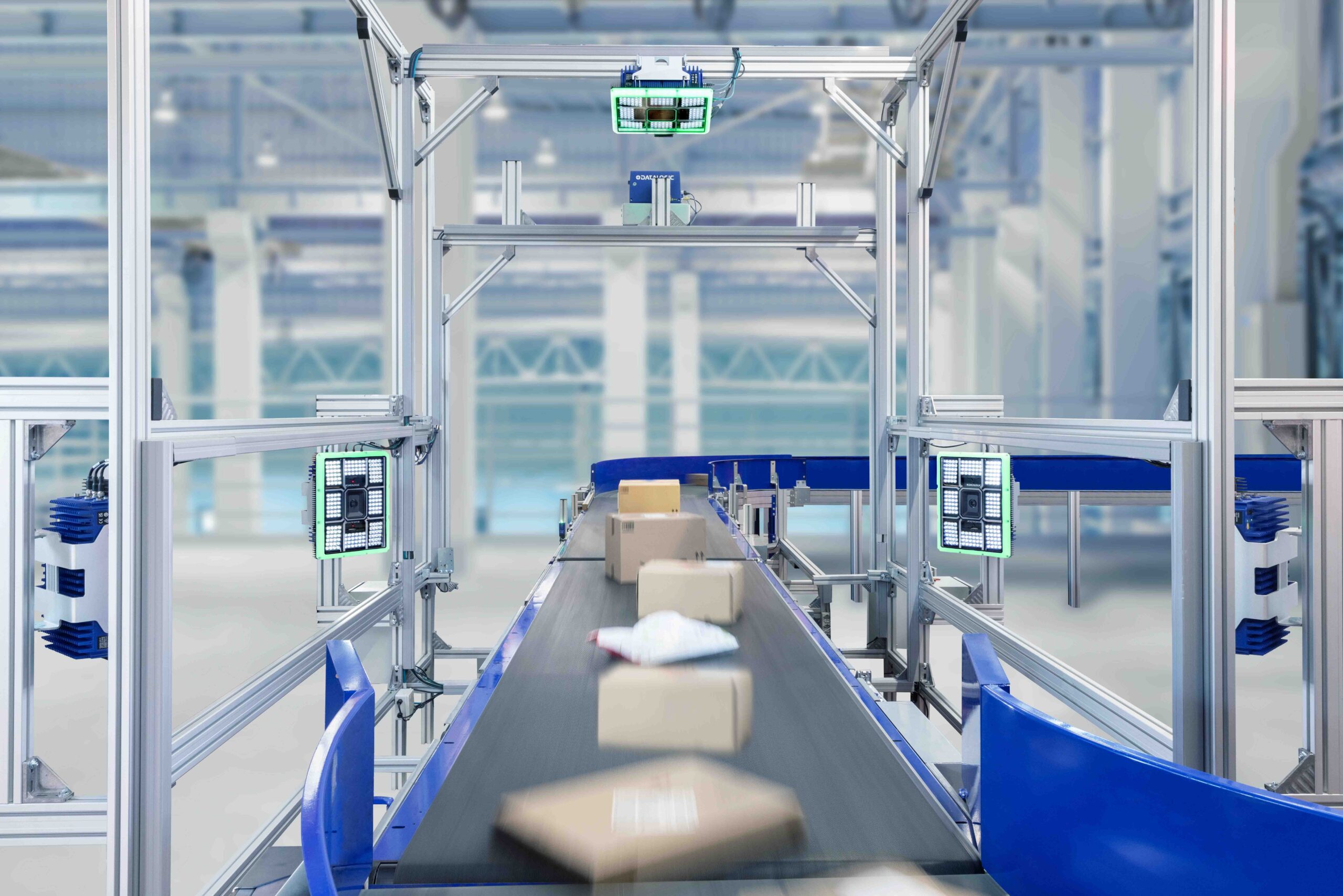
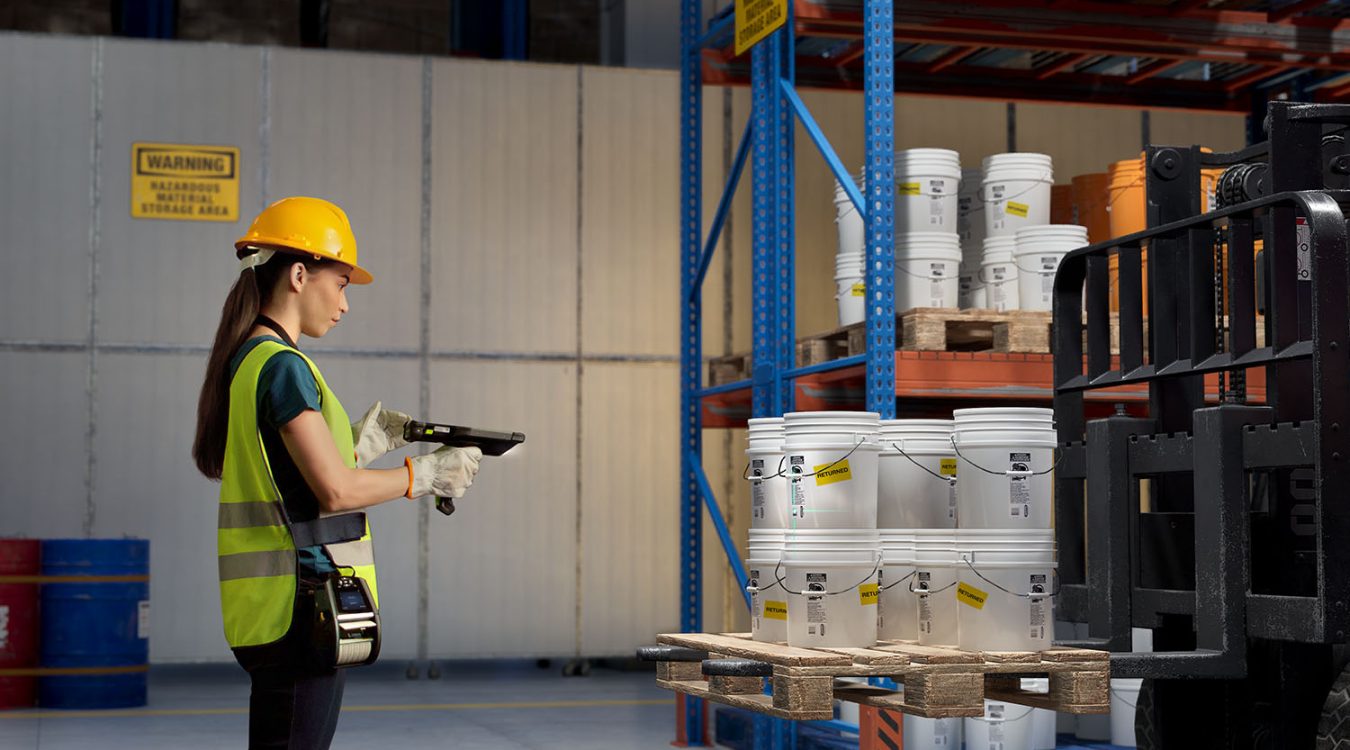
The barcode scanner is by far the most important component in supporting the operation of a WMS system . This simple device allows for instantaneous reading of barcodes even from a great distance. A barcode can be placed on a product, at a storage location, or on any other piece of equipment used in the warehousing process. Warehouses also use barcode scanners that operate in automatic mode. These are typically part of sorters, scanning gates, or conveyor lines. The barcode is scanned automatically, without human intervention.
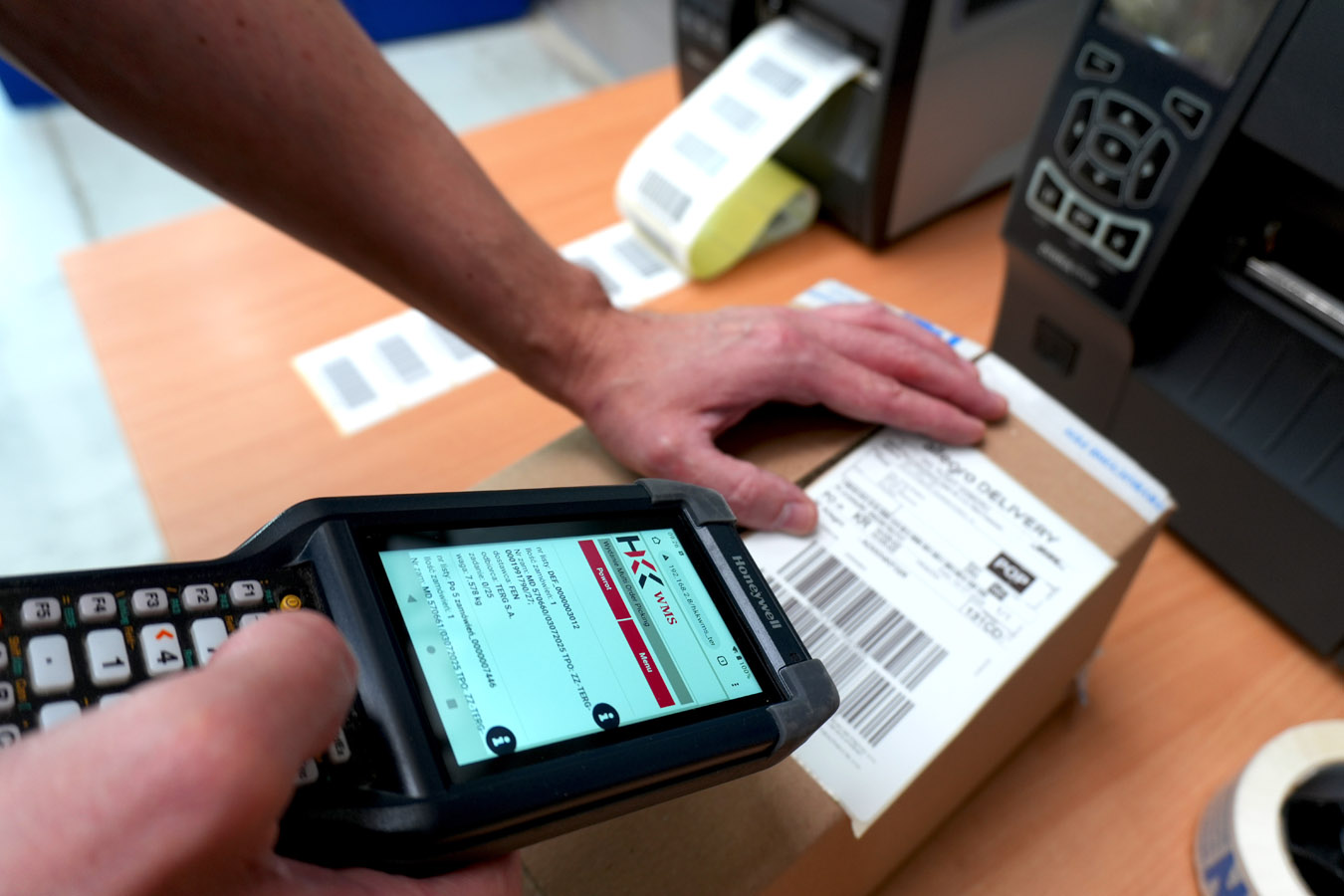
Barcode scanning is one of the functions of other very important devices used in warehouse logistics. These are data collectors, also known as mobile terminals. They are used to exchange data between the user and the WMS. WMS commands are displayed on the terminal screen, and their execution is confirmed by scanning the appropriate barcode. Work supported by these terminals is faster and results in significantly fewer errors.
How to print barcodes?
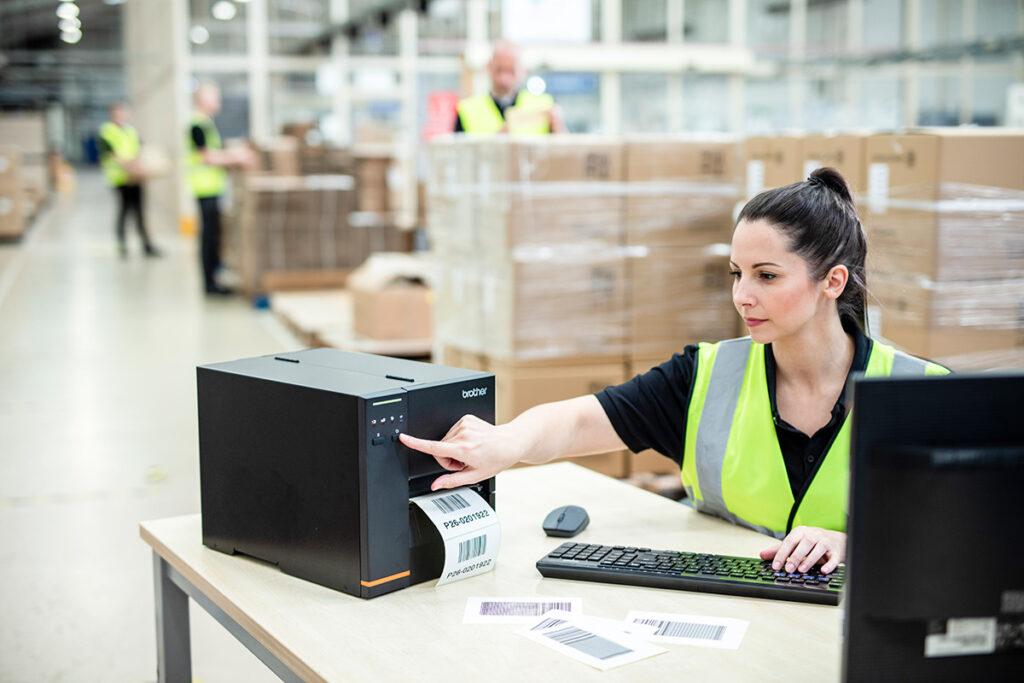
In a warehouse process supported by a WMS system, a label printer is also important, thanks to which it is possible to print a barcode that is later used as a so-called ” label “. The registration number of each smallest, countable batch of goods entering the warehouse.
Printed “in-house” barcodes are also used to mark courier packages addressed to recipients. Label printers that function in both thermal transfer mode (the label retains a longer life) and thermal mode (an economical variant – printing typical of the logistics industry) are also used for this purpose.
In the case of printing very large batches of labels, it is also possible to use printers with an automatic applicator that will stick the label onto the package in an automated manner.
Other warehouse support items.
The operation of the WMS can be further supported by a number of other hardware solutions that have a positive impact on work efficiency. Their choice depends on the industry, the complexity of the operation, or its size.
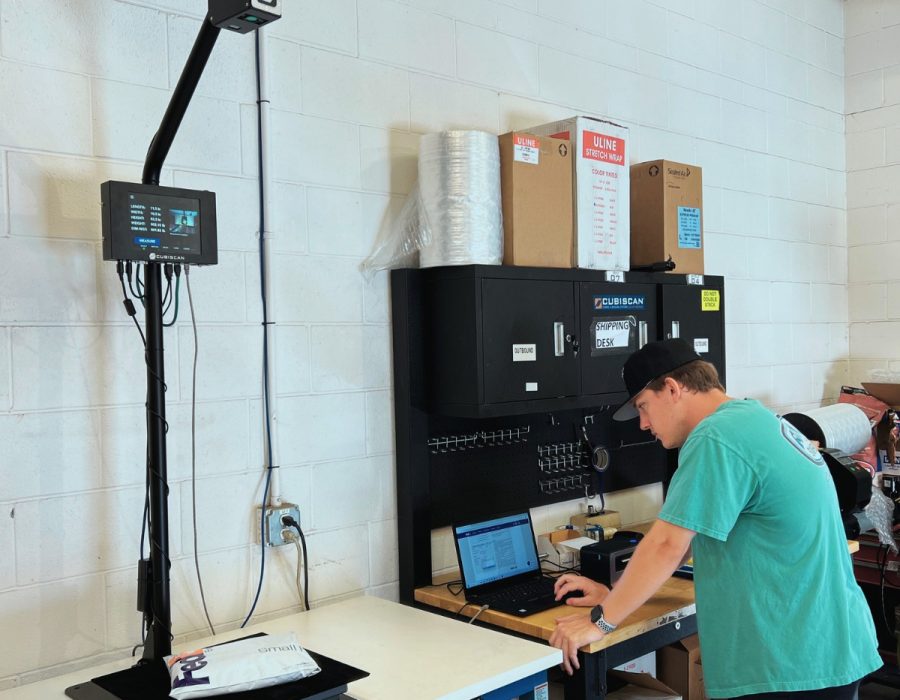
The hardware solutions in question include Cubiscan dimensioning systems for logistics, Vocollect voice-enabled picking solutions, and vision systems that provide the ability to automate many processes in the warehouse.