

Key information:
Self-adhesive labels for short-term use.
Self-adhesive labels that we use in a short-term manner can be created from thermal raw material. This raw material (most often paper, but it can also be thermal film), changes its color when exposed to high temperatures (darkens).
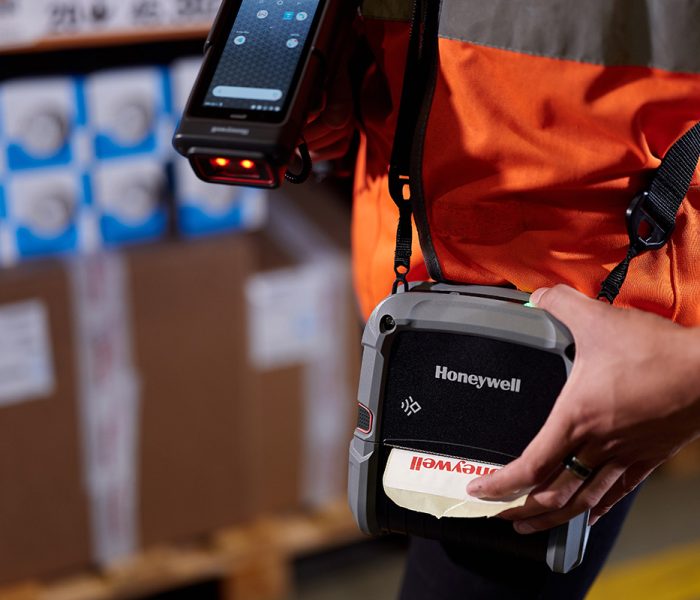
Labels of this type are printed using special thermal printers. The print head inside the printer emits heat, which creates the desired pattern (print) on the thermal layer. This print is legible for larger elements, but is not suitable for printing very small elements (small fonts).
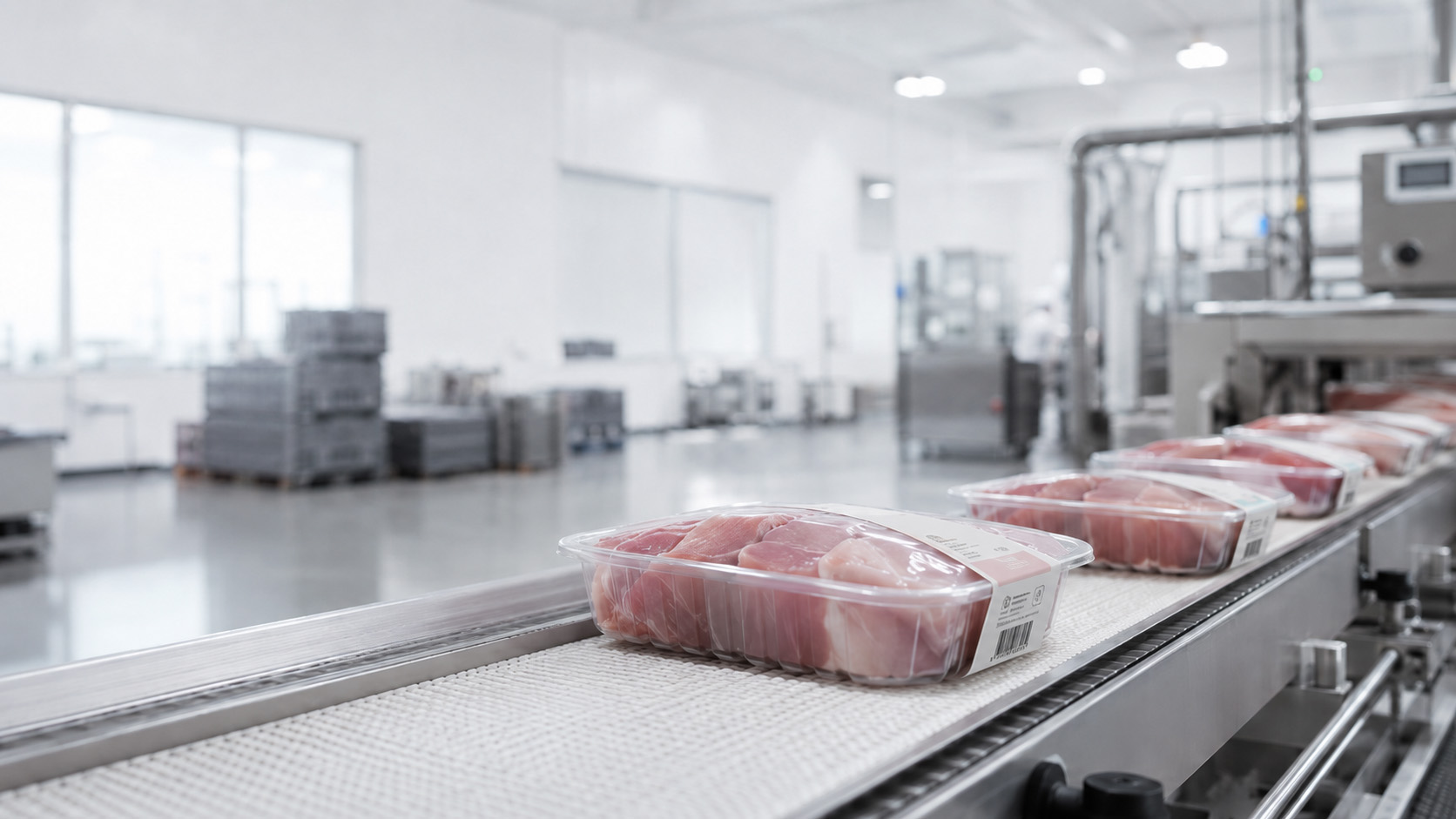
The advantage of using thermal labels is that they can be printed without the use of thermal transfer ribbons; the disadvantage, however, is the short print lifespan (up to half a year) and low resistance to adverse external conditions. Labels of this type are used in logistics in the broadest sense, ranging from warehouse logistics (as a means of labeling products for a WMS-class warehouse management system) to courier services.
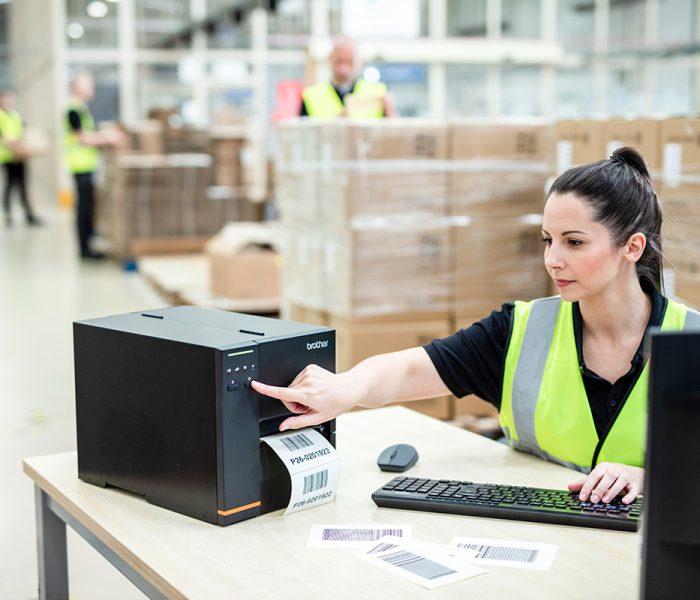
Self-adhesive labels with greater durability- thermal transfer labels.
At the opposite end of the durability spectrum from thermal labels are thermal transfer labels. The printing process for this type of label involves the use of special transfer ribbons, which, when exposed to the heat emitted by the label printer’s print head, transfer the print elements from the ribbon to the label.
This technology significantly increases the printed label’s resistance to external factors (temperature, exposure to adverse conditions, such as chemicals). This type of technology is ideal wherever the durability of the printed label is important—for example, in industrial environments or for marking fixed assets.
Using the thermal transfer method, we can also print small items, for example, microscopic fonts, and if we use a suitable label printer, we will not lose their quality. A prerequisite, however, is to have a label printer with a high-resolution head.
What to print on a label printer?
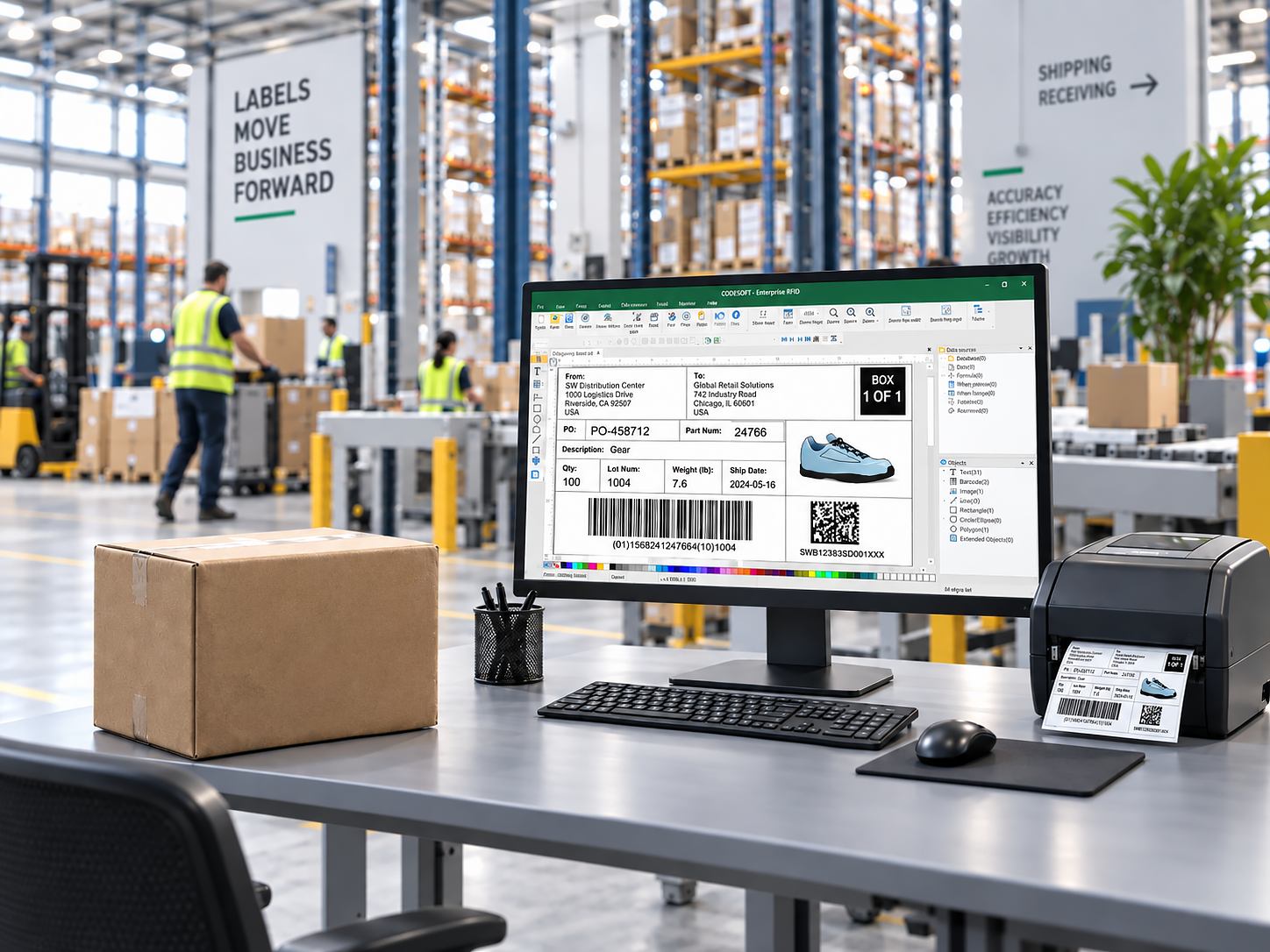
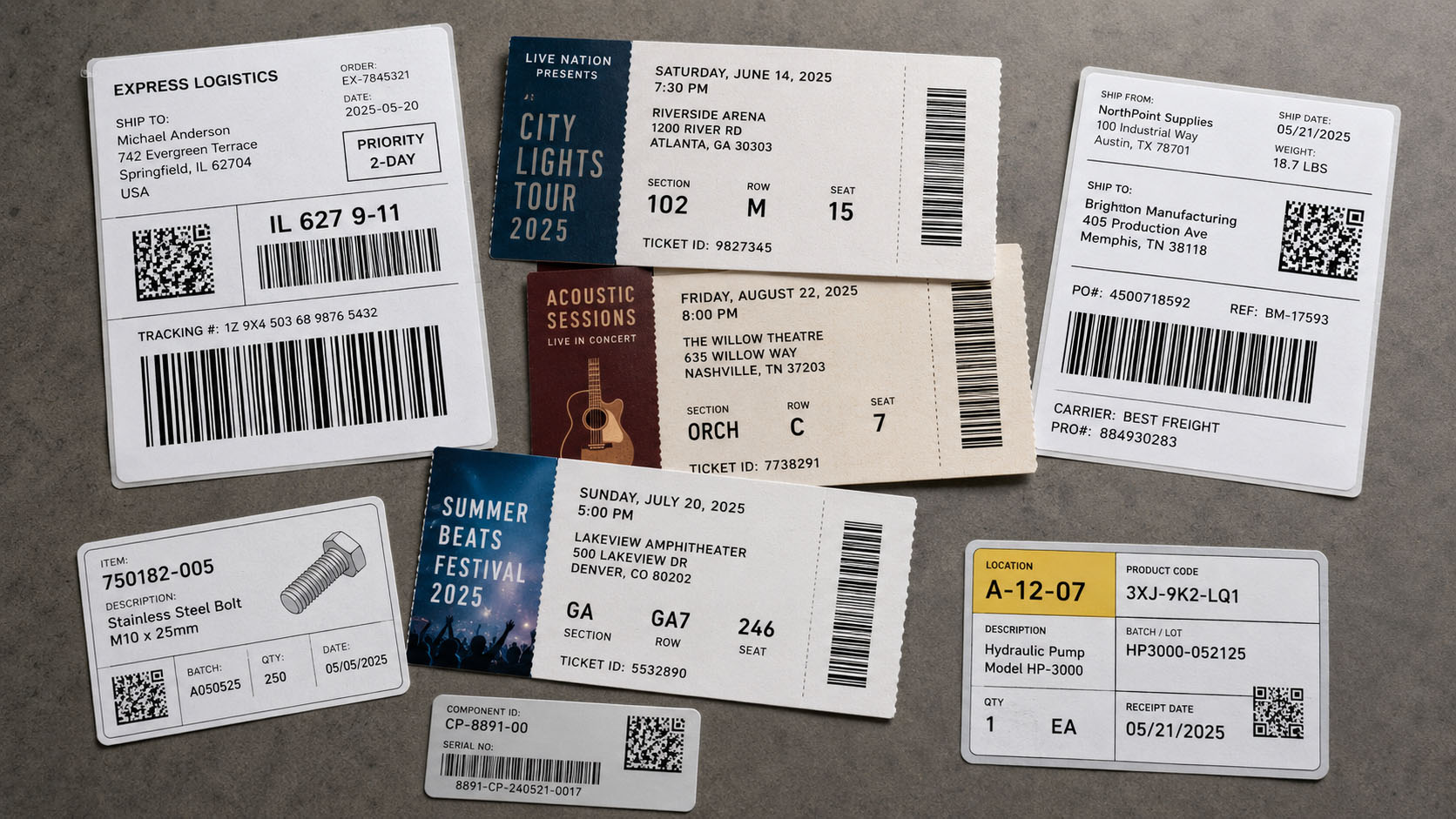
A label printer is primarily used to print content that includes a barcode or a two-dimensional code. The use of barcodes enables the automated reading of labels using automatic identification devices(Auto ID), such as barcode scanners, making the process of identifying labeled goods instantaneous.