

Key information:
In our article, we will tell you how to create a consistent labeling system and introduce you to issues related to broad identification in healthcare based on 4 basic slogans: traceability, traceability, security and automation.
Self-adhesive labels for healthcare
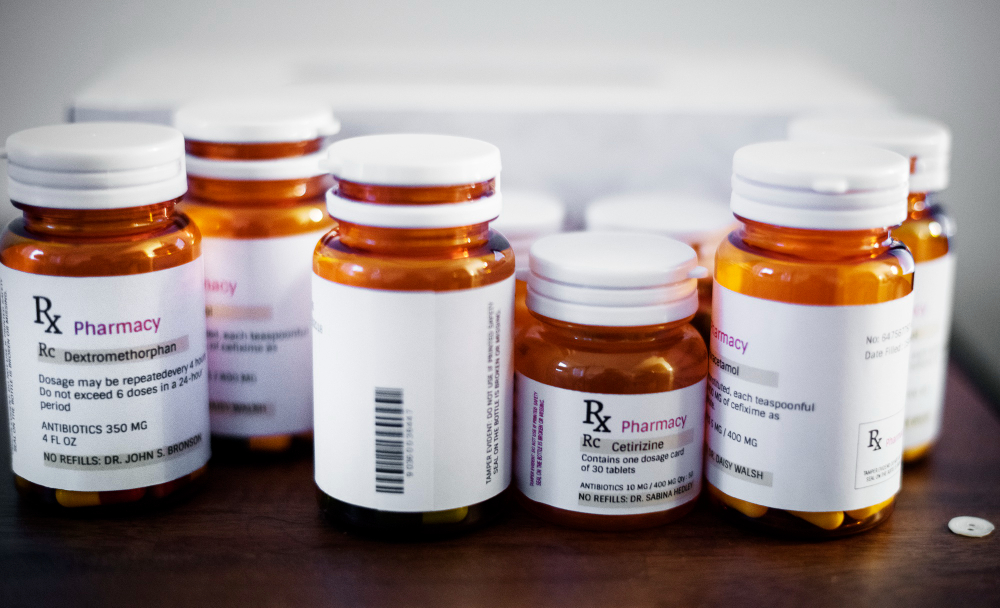
Self-adhesive labels are by far the most popular labeling medium used in the medical sector. Thermal-transfer technology makes it possible to print small parts on the label by using high-resolution (up to 600 dpi) label printers.
The printed label is resistant to external forces (including the effects of chemicals, acids and alkalis), guaranteeing that the labels can be read in any conditions.
A barcode or a 2D code on a label ensures that information is available throughout the process of manufacturing, selling, or administering medications to a specific patient. This technology can also be used to identify medical equipment.
Choosing the right material
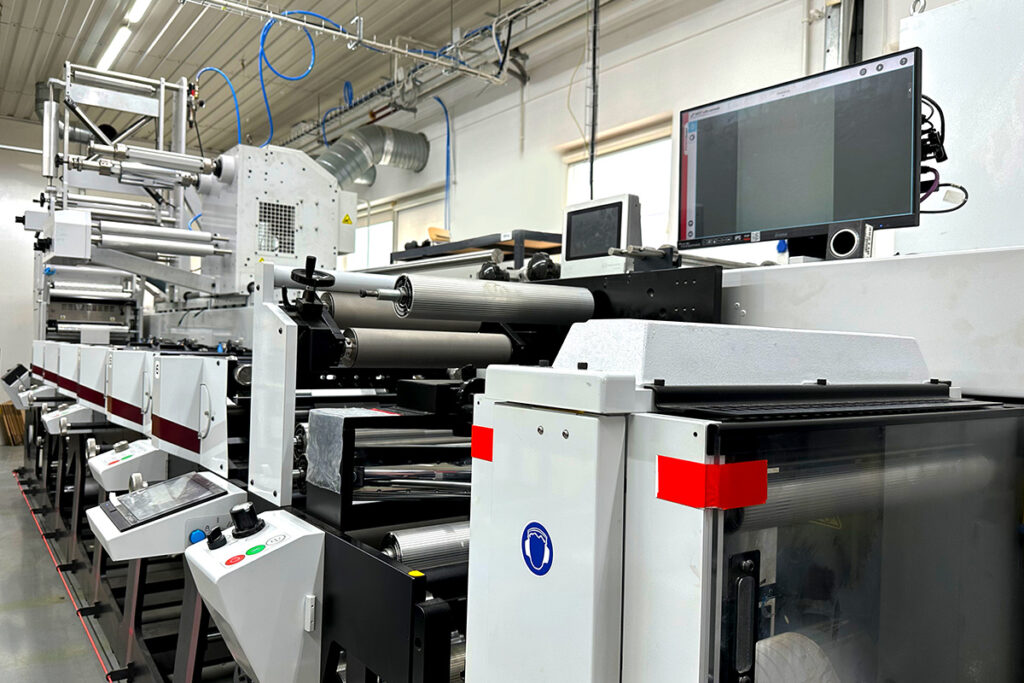
Sterilization, storage at extremely low temperatures in liquid nitrogen, and other conditions commonly encountered in the medical field can pose a significant threat to the durability of self-adhesive labels. The labels and printing ribbons offered by HKK Group meet the expectations of the medical sector.
We include labels that have been manufactured from special materials (e.g. made of polyolefin for use in cryochambers), polyester labels for protecting samples, or appropriate color ribbons that guarantee stable printing at extremely high or low temperatures.
Choosing the right printer
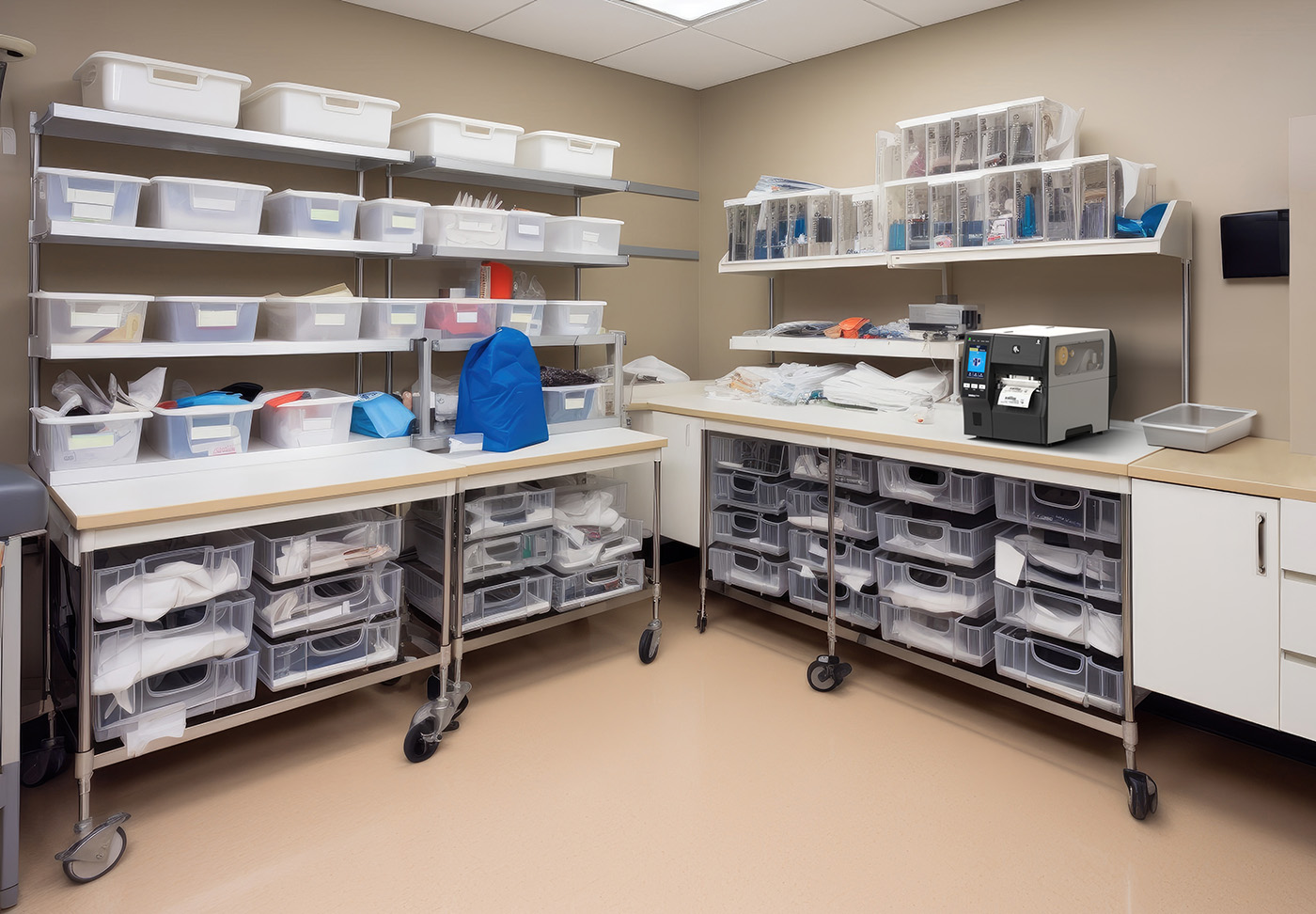
From the perspective of the labeling system’s independence, choosing the right label printer is crucial . Depending on the volume of labels to be printed, we can choose desktop printers (for smaller volumes), semi-industrial printers (for medium volumes), and industrial printers (for the largest volumes).
Label printers can support two types of printing: thermal (for short-life labels) and thermal-transfer (for long-life labels – printing supported by a suitable transfer ribbon).
Examples of use
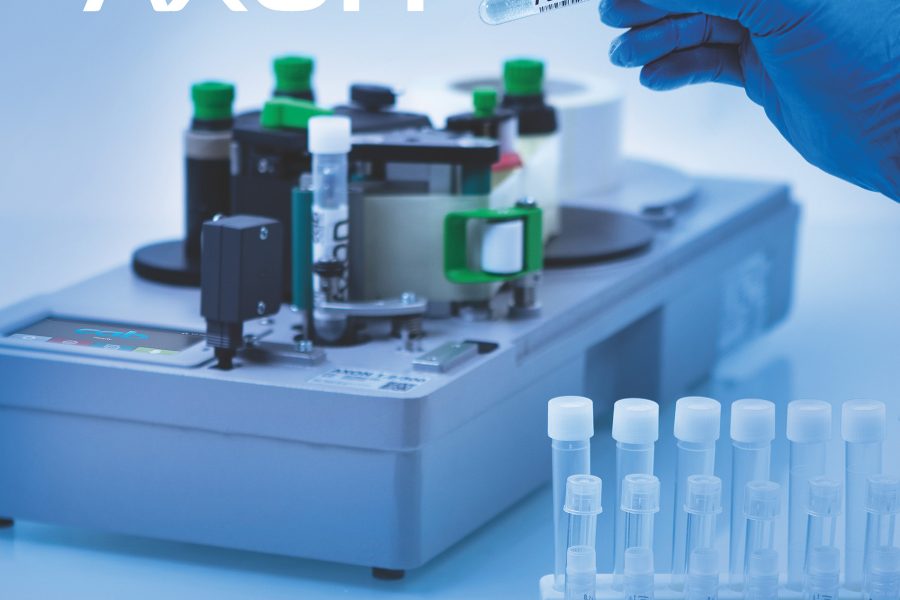
Laboratory samples
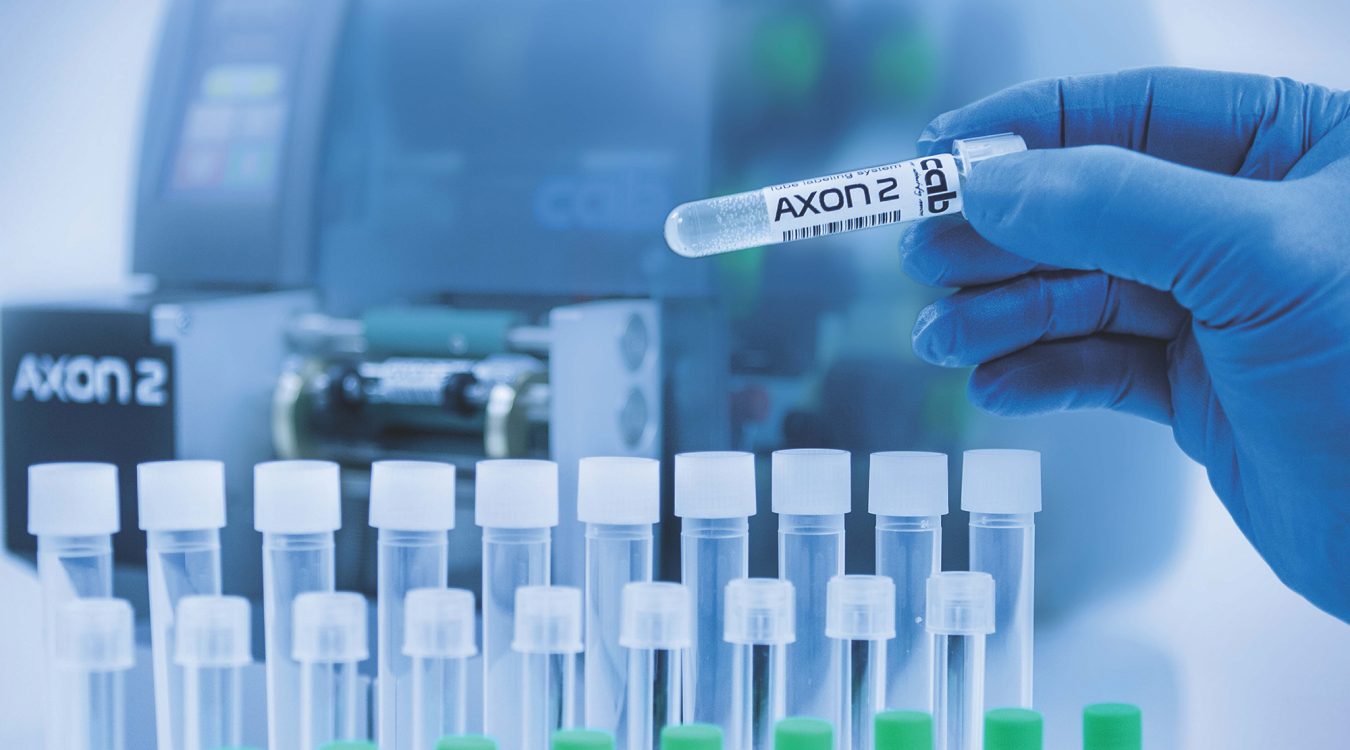
The method of storing samples determines how they are labeled. For permanent labeling, it is advisable to use specialized self-adhesive labels printed with high-resolution label printers (due to the need to apply labels to the relatively small surface area of the test tube).
The label application itself can be done manually, but it can also be done automatically, using print&apply label applicators.
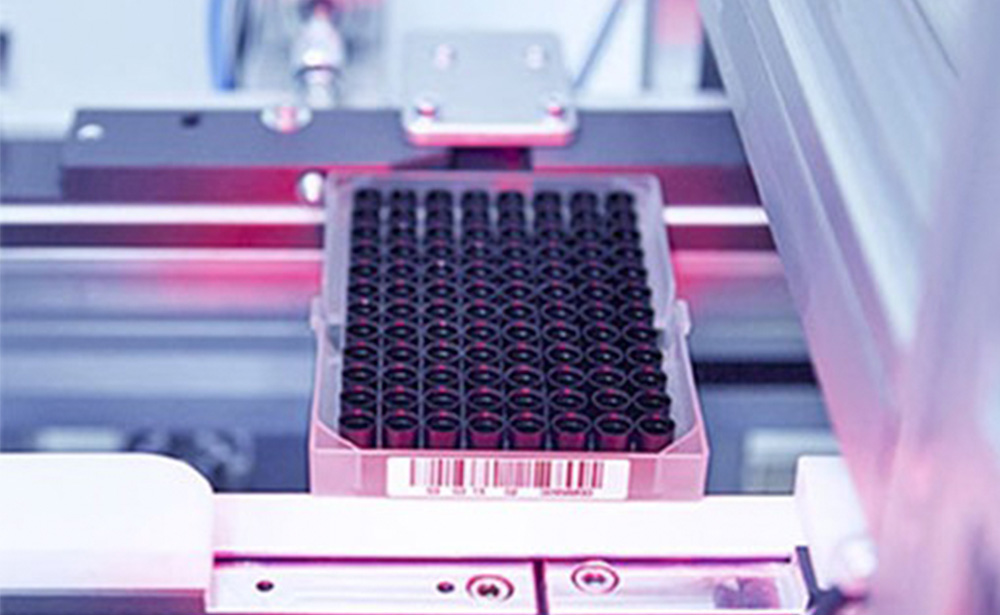
Marking of medical containers
Label printers equipped with an automatic applicator can apply self-adhesive labels to any type of container used in the medical industry.
These containers can be carriers for test tubes, and can also be part of the packaging of specialized tests, or drugs. The label applicator is capable of applying labels of various shapes – from classic quadrangular to cylindrical.
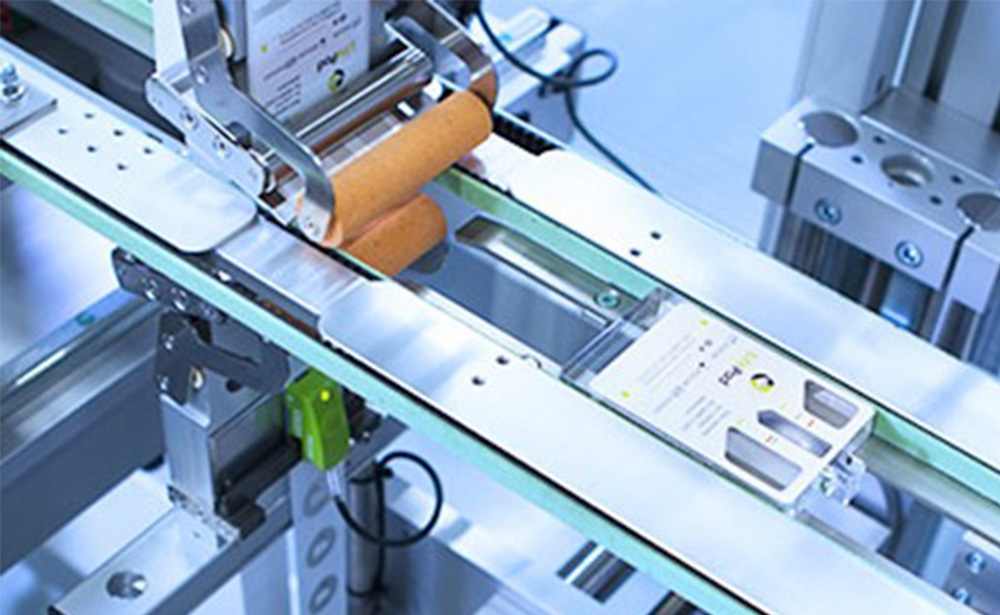
Cassette tests
Cassette tests have gained popularity during the COVID-19 pandemic. The medical and pharmaceutical industries use these types of tools to diagnose many diseases (primarily viral ones). These tests are manufactured using automated processes and then packaged in accordance with applicable regulations.
CAB brand application heads can support this type of production, applying up to 2,400 labels per minute. The shape and content of the label are selected according to individual customer expectations. It is possible to combine the infrastructure responsible for supervising production with the label printing system in such a way that the labels contain data of a variable nature.
What about logistics in the medical industry?

Marking with contactless RFID technology
RFID technology like 2D code technology is proving very practical in the area of logistics support for the medical and pharmaceutical industries. The RFID tag hidden in a self-adhesive label makes it possible to read information (e.g. serial number or expiration date) in a contactless manner.
It is common to use this technology to label bulk containers operating in a closed system (e.g., containers for transporting medications at a controlled temperature). A major advantage of using RFID technology is the ability to combine traditional technologies (barcodes, 2D codes, and RFID tags ) on a single label.
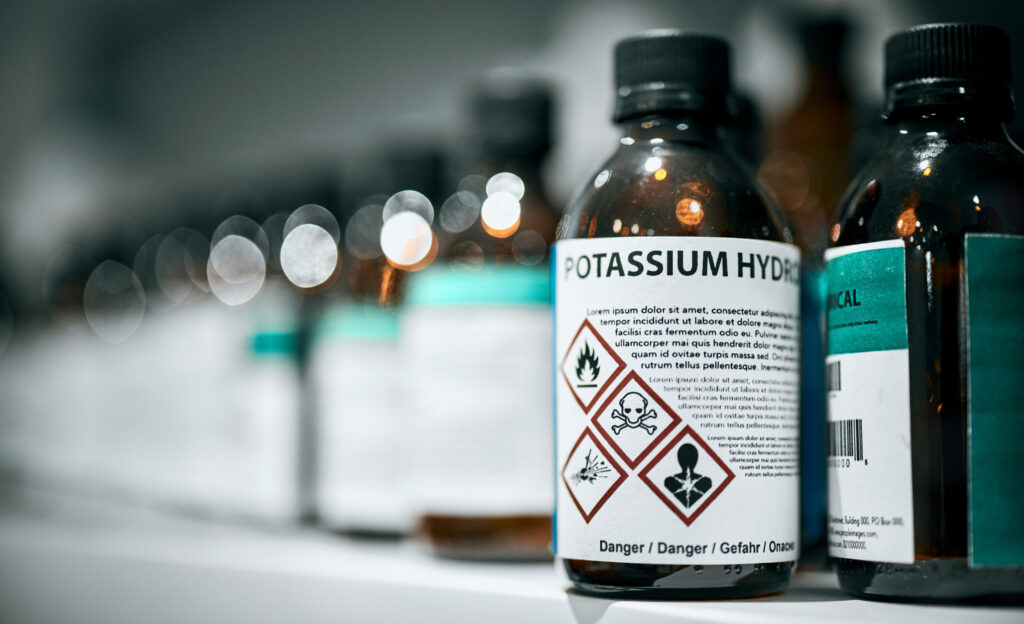
GHS labeling
Placing a hazardous substance on the market requires the use of appropriate warning labels that comply with GHS (Globally Harmonized System) regulations. This system defines how hazardous substances (primarily chemical substances, but also substances with other compositions) are to be labeled.
Under the GHS labeling system, we use a series of pictograms placed on a colored background. Using CAB XCQ label printers allows for two-color printing on a single device, making it possible to print in accordance with GHS without using pre-printed labels from a label printing facility.
Computerization in health care and pharmacy

LIMS - medical laboratory management system
Medical and pharmaceutical facilities, like drug manufacturers, cannot operate without adequate support from an information system.
Systems like LIMS (medical laboratory management system) collect data on patients, drugs and procedures. A key element in the operation of a network of interconnected facilities is to use them in an integrated manner, based on uniform standards of required data.
The technology that supports this type of integration is undoubtedly automatic identification technology, which enables the instantaneous and automated reading of data from various locations wherever it is critical.