
Shortcuts
- Automated Quality Control in Manufacturing and Logistics Processes
- What is automated quality control?
- Automatic Label Content Verification
- Visual and Digital Quality Control Systems
- Production Control Systems
- Why It’s Worth Combining These Technologies into a Single System
- Quality Control Automation with HKK Group
- Frequently asked questions
- Highlights
Automated Quality Control in Manufacturing and Logistics Processes
A label error, a misaligned barcode, a missing part on the production line—in the traditional quality control model, such problems are detected by humans, often only after the product has already reached the customer. Automated quality control is an approach in which cameras, scanners, and software that analyzes data in real time perform these same tasks —without downtime, without fatigue, and without the margin of error resulting from human error.
This article serves as a starting point: we briefly explain what automated quality control, label content verification, vision (digital) quality control systems, and production control systems—how they come together to form a single automation ecosystem—and where on our website you can find in-depth resources on each of these topics if you’re looking for specific solutions.
What is automated quality control?
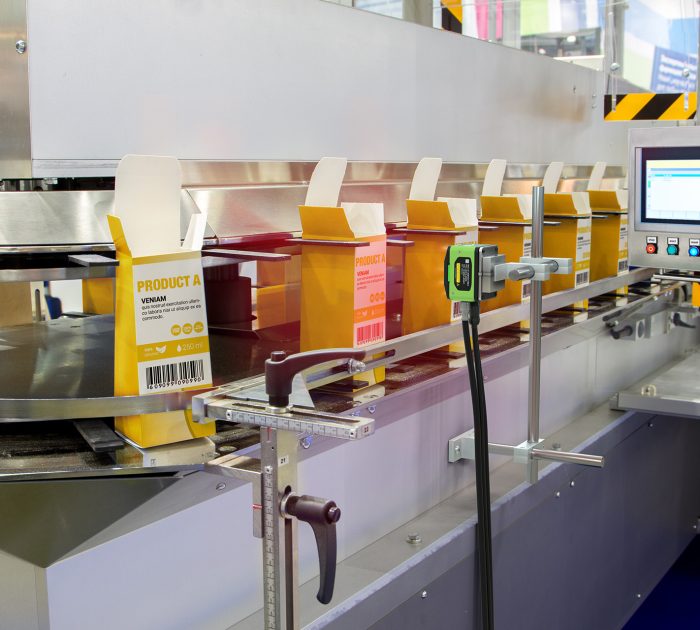
Automated quality control is a set of technologies—industrial cameras, stationary scanners, sensors, and dedicated software—that continuously and automatically verify whether a product, package, or label meets specified parameters. Unlike human-conducted spot checks, automated systems analyze every item passing through a given process point at a rate that keeps pace with the production line.
Automatic quality control, as defined here, typically consists of several interrelated layers of technology, which we describe in the following sections of this guide:
- checking the content and print quality of labels,
- visual (digital) inspection of a product’s appearance, completeness, and correctness,
- overarching production control and tracking systems that integrate data from the above sources into a single view of the process.
The greatest benefit of this approach is that it brings the point of error detection as close as possible to the source of the error. The earlier a nonconformity is detected in the production or warehousing process, the lower the cost of correcting it—and the lower the risk that a defective product will reach the end customer.
Automatic Label Content Verification
For many industries—including food, pharmaceuticals, cosmetics, electronics, and logistics—a label serves as a medium for critical information: batch numbers, expiration dates, product codes, or barcodes that enable identification throughout the supply chain. An error in the label’s content, illegibility, or incorrect placement can result in a shipment being held up, a customer complaint, and—in regulated industries—a real compliance risk.
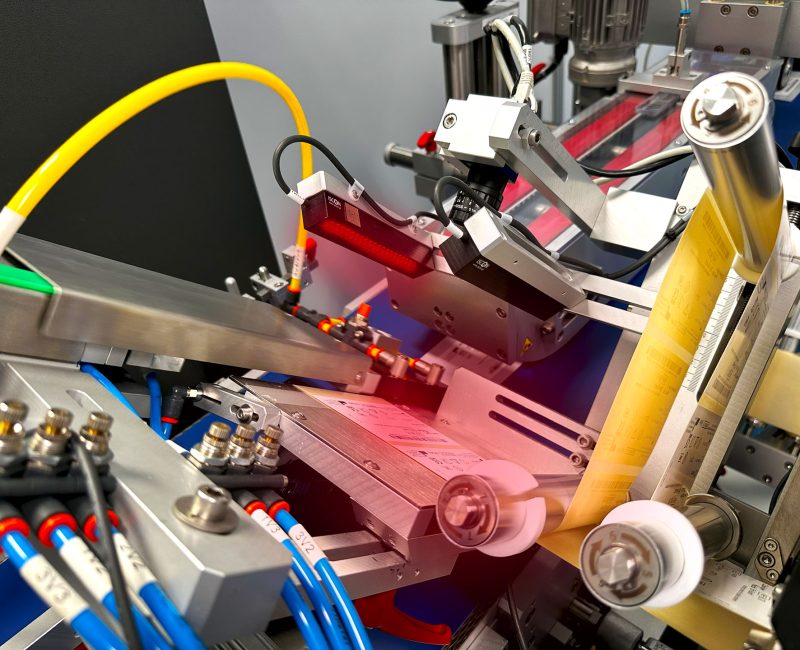
Automatic label content inspection uses smart cameras and OCR (optical character recognition) technology to verify, in real time and without operator intervention, the accuracy of the print (text, logos, graphics), the compliance of barcodes or 2D codes with a specified database, the completeness of variable data (e.g., serial numbers or expiration dates), and the correct placement of the label on the packaging.
This is a separate, fairly technical field that includes, among other things, barcode verifiers that operate in accordance with ISO/IEC standards and GS1 specifications. If you’re looking for details—such as how verifiers work, how they differ from regular scanners, and how to choose the right device— we’ve covered this extensively in dedicated articles: Verification of Barcodes and 2D Codes and What Are Barcode and 2D Code Verifiers and How Do They Work?
Visual and Digital Quality Control Systems
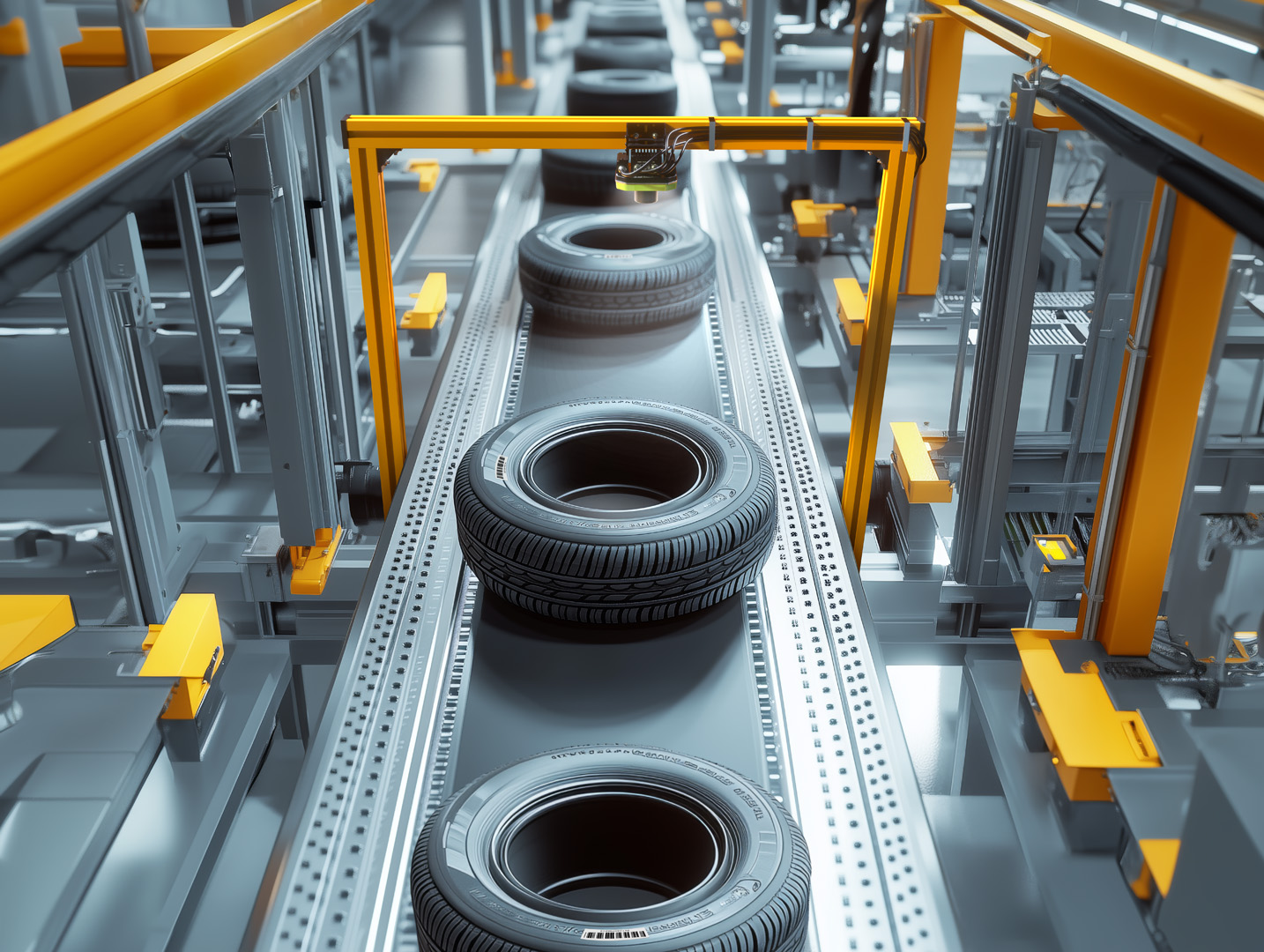
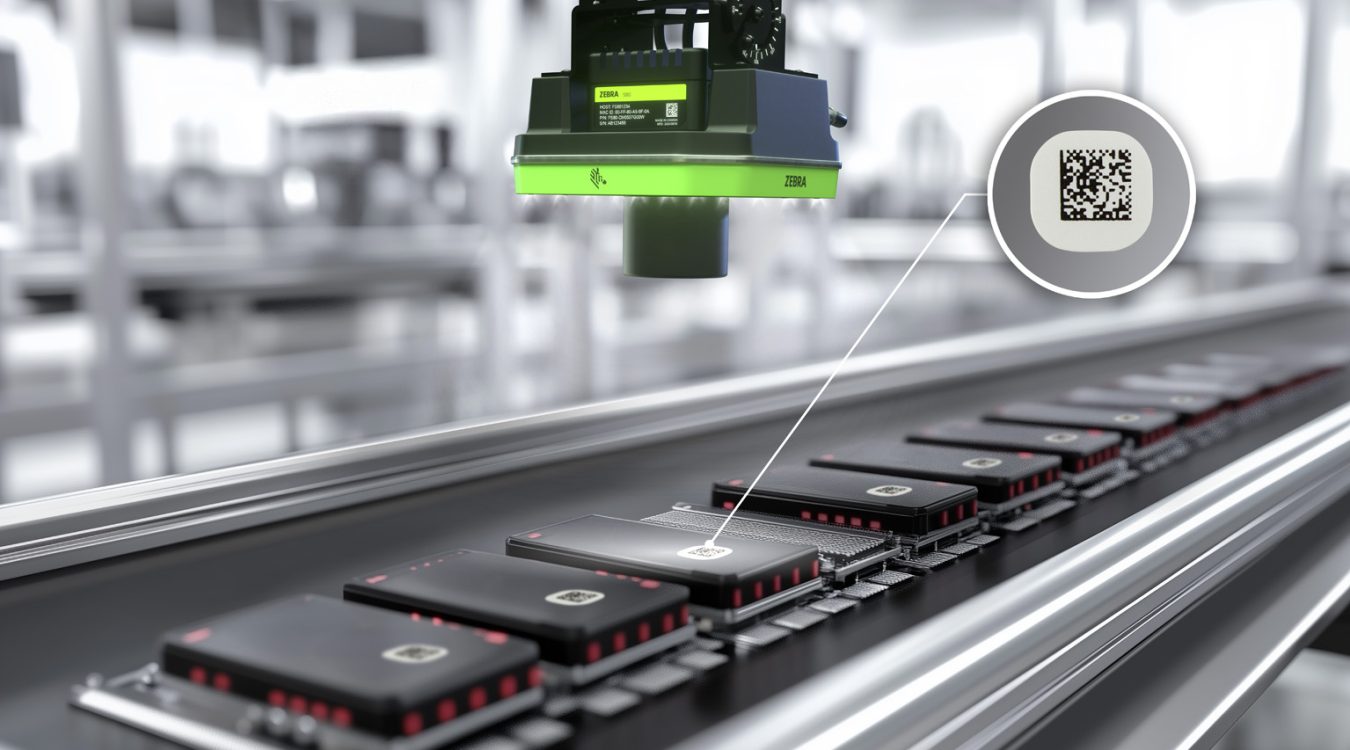
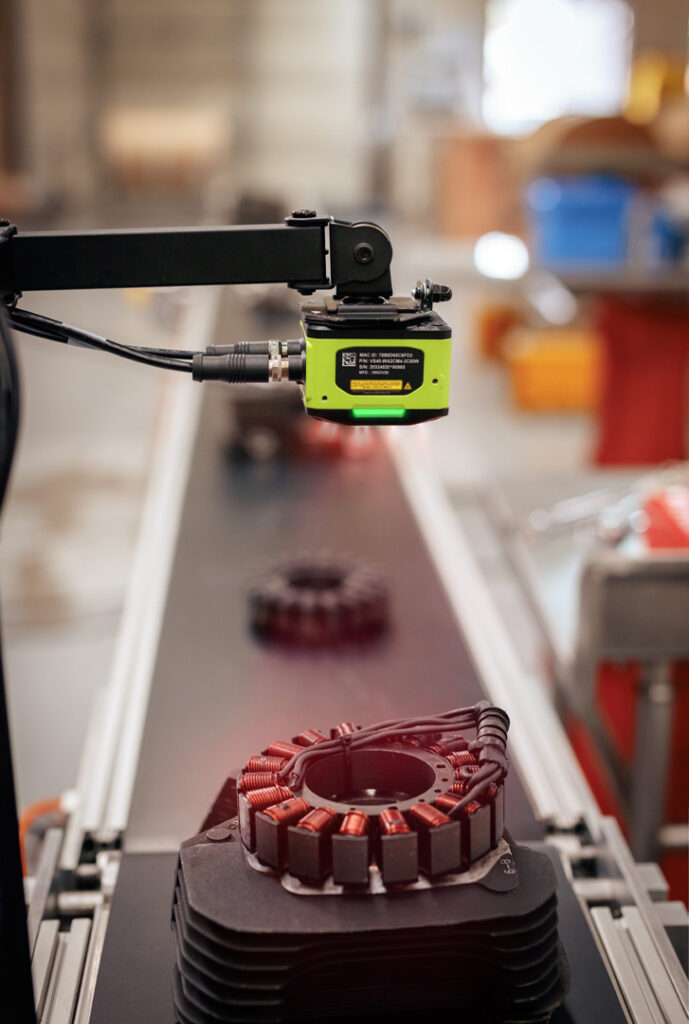
Machine vision systems are at the heart of modern, automated quality control. Simply put: an industrial camera captures an image of the product, and specialized software analyzes it in a fraction of a second, comparing it to predefined standards and rules. Since the analysis is performed digitally rather than based on a human’s subjective assessment, this is often referred to as digital quality control—reproducible, objective, and fully documentable.
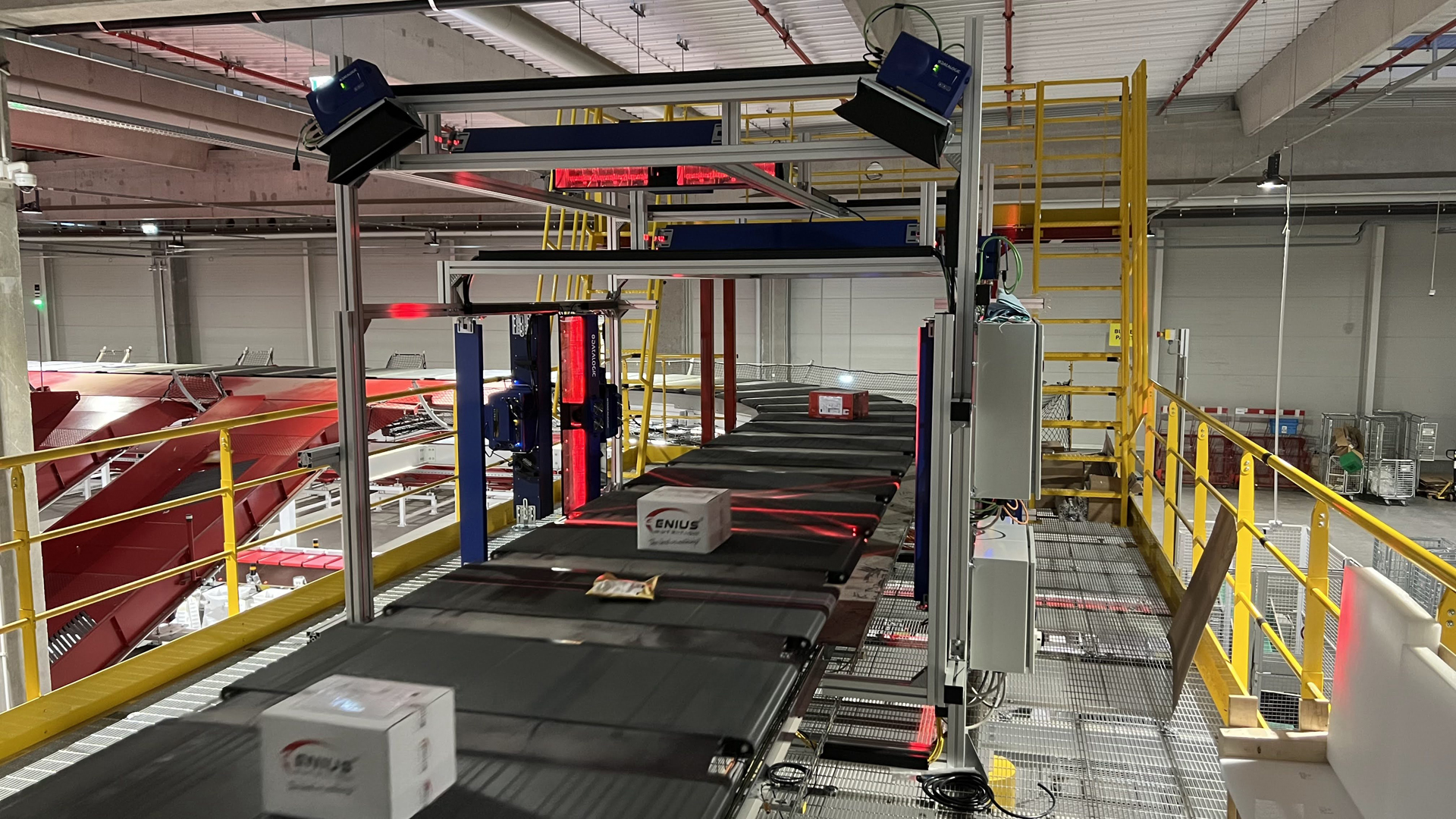
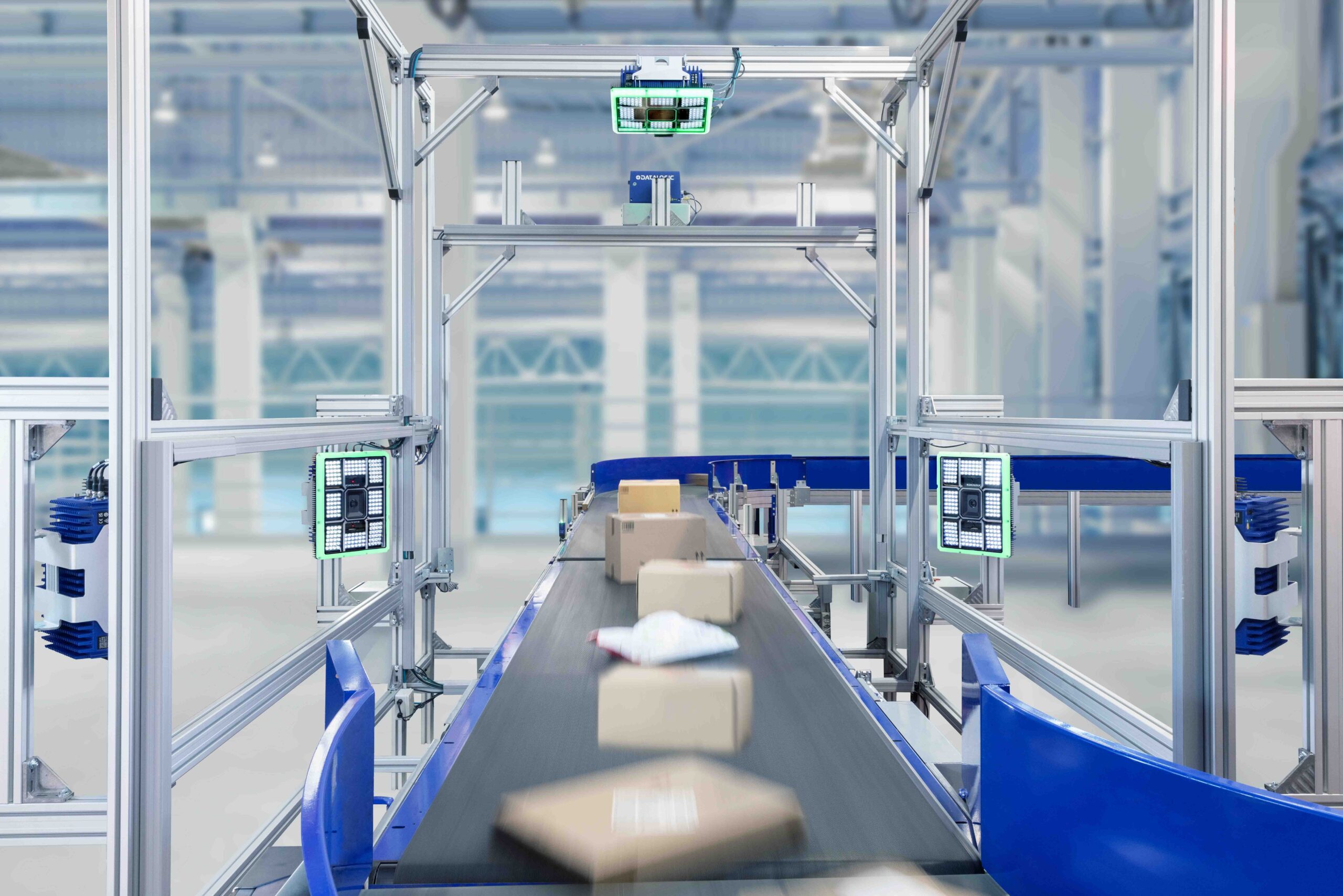
These types of systems, based on technology from Zebra and Datalogic, among others, are used both on production and packaging lines (to check assembly, component presence, and print quality), as well as in logistics—on forklifts, in scanning tunnels on conveyors, at picking stations, and at logistics gates for receiving and shipping goods.
The key difference compared to manual inspection is not only speed, but above all consistency—the vision system applies exactly the same evaluation criteria to each subsequent item, regardless of the pace of work or the operator’s fatigue.
For a complete description of the machine vision technology used in logistics, along with specific implementation scenarios, see the articles “Zebra Machine Vision—Machine Vision Technology for Logistics ” and “Machine Vision System to Support Picking in the Warehouse.”
You can read about the role of stationary readers and scanners in the automatic reading of barcodes—including difficult ones (DPM, microcodes, low-contrast codes)—in the article “Automatic Barcode Scanning Systems.”
Production Control Systems
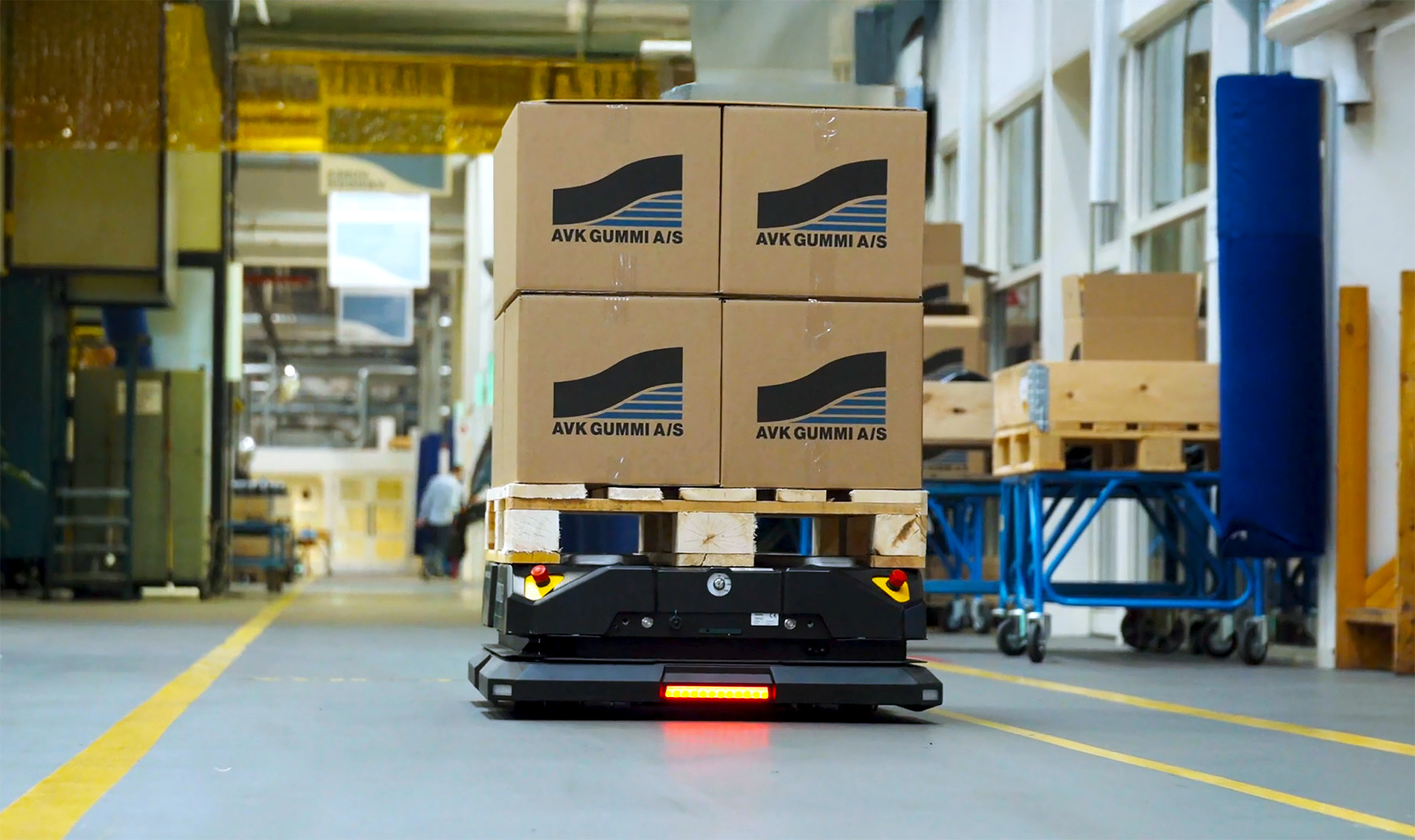
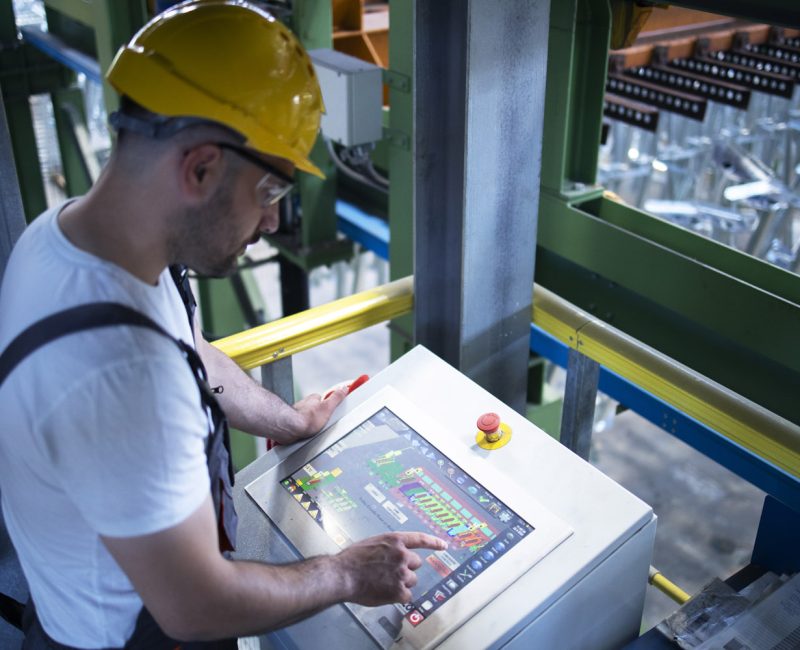
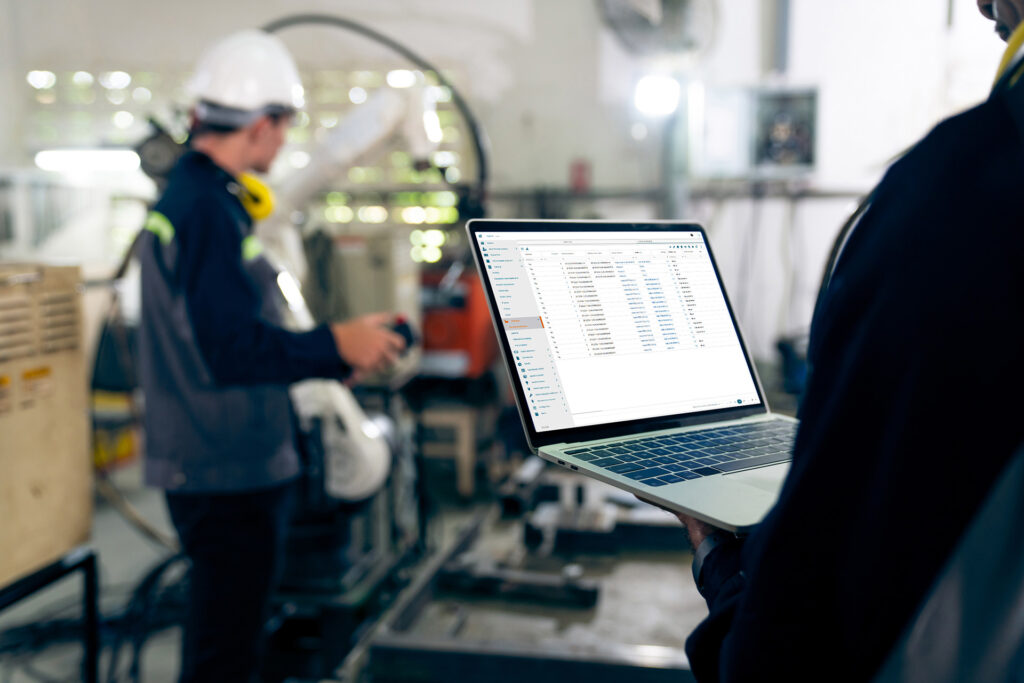
While a single camera or scanner is responsible for monitoring a specific point in the process, production monitoring systems tie these points together into a single, coherent view of the entire production floor. This higher-level layer— Digital Twin and WMS software —collects data from sensors, scanners, cameras, and machines to display the status of production in real time, track work in progress (WIP), detect bottlenecks and respond to disruptions, as well as integrate with autonomous mobile robots (AMRs) performing transport tasks.
Since this is a broad topic in and of itself, we have covered it in detail—including specific performance metrics and implementation examples—in the article “Digitization and Automation in Manufacturing: Digital Twin, WMS, and Auto ID.”
Why It's Worth Combining These Technologies into a Single System
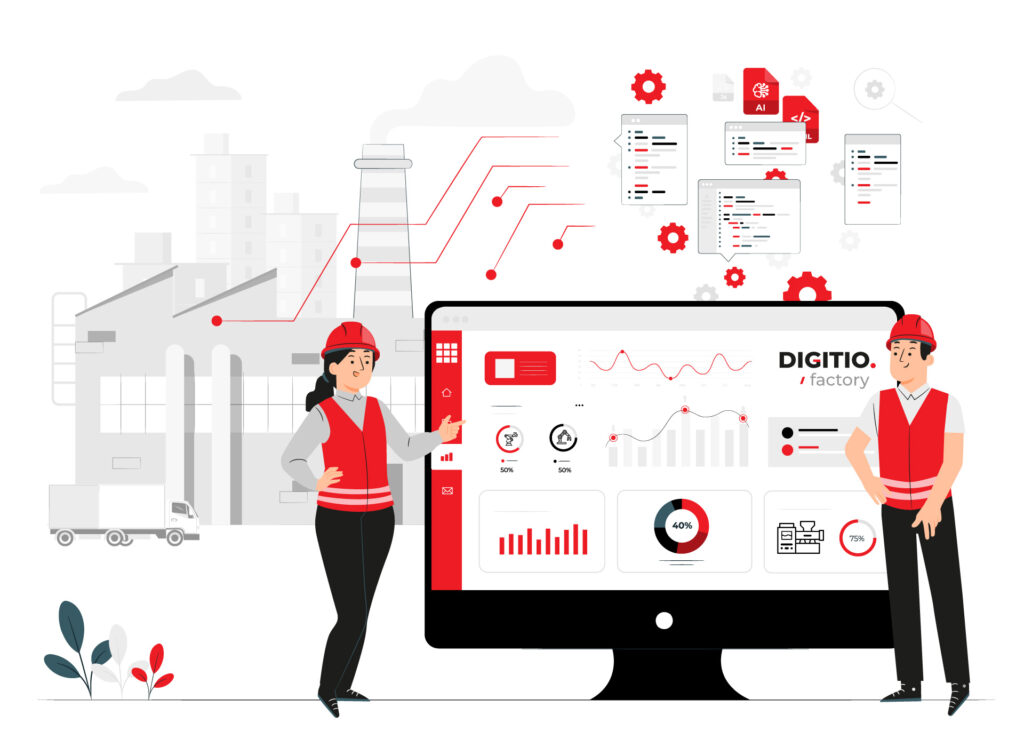
Automated quality control, label content verification, vision systems, and production control systems work best not as separate, isolated implementations, but as components of a single, integrated architecture. Data from the label inspection camera can feed into the WMS, which in turn feeds into the production control system, and the result of each quality control check becomes part of the product’s complete history, available on demand in the event of a complaint, audit, or the need to analyze the root causes of a problem.
However, such integration requires the selection of reliable equipment (scanners, cameras, readers) and software that can work together—as well as a partner who understands both the technological aspects and the specific nature of the production and logistics processes in a given industry.
Quality Control Automation with HKK Group
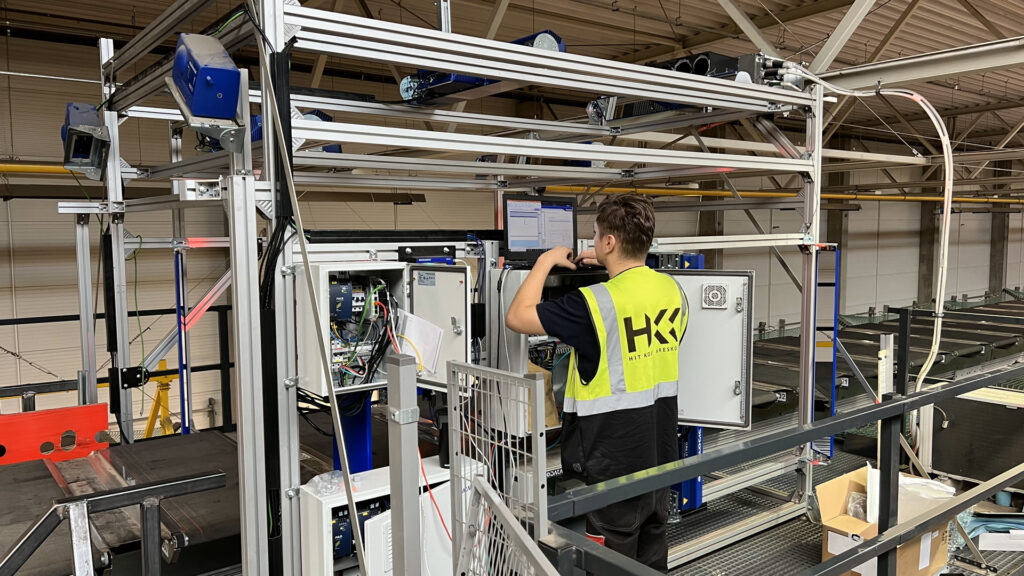
For nearly 30 years, HKK Group has been supporting manufacturing and logistics companies in Poland and abroad in implementing solutions for automatic identification, quality control, and production digitization. We work with recognized technology providers—including Zebra Technologies and Datalogic—to select solutions tailored to the actual needs of a specific facility, rather than the other way around.
Whether you’re looking for a way to eliminate errors on labels, implement a vision-based quality control system on the production line, or build a comprehensive production control system that integrates data from across the entire factory floor — we’d be happy to discuss your processes and propose a solution that truly addresses your challenges.
Contact us to discuss the possibilities for automating quality control in your company—our specialists will analyze your process and recommend the optimal solution, tailored to the scale and specific nature of your production or logistics operations.
Frequently asked questions
How does automated quality control differ from manual quality control?
Automated quality control inspects every individual product in a repeatable and objective manner, using cameras, scanners, and image-analysis software, while manual inspection relies on random human assessment, which carries the risk of fatigue and inconsistent evaluations.
What is a visual quality control system?
This solution, based on industrial cameras and machine vision software, automatically verifies the appearance, completeness, and placement of components, as well as the quality of the print or codes on the product—in real time and without operator intervention. You can read more about applications in logistics in the article on Zebra’s vision technology.
What are the benefits of implementing a production control system?
Integrating data from sensors, scanners, and vision systems into a single production control system allows you to track work progress in real time, detect bottlenecks faster, reduce the number of errors, and make production decisions based on current data rather than assumptions.
Can automated quality control be implemented on an existing production line?
Yes. Vision systems, stationary scanners, and label inspection modules are typically designed as modular solutions that can be integrated with existing infrastructure and systems such as WMS or ERP, without the need to rebuild the entire line.